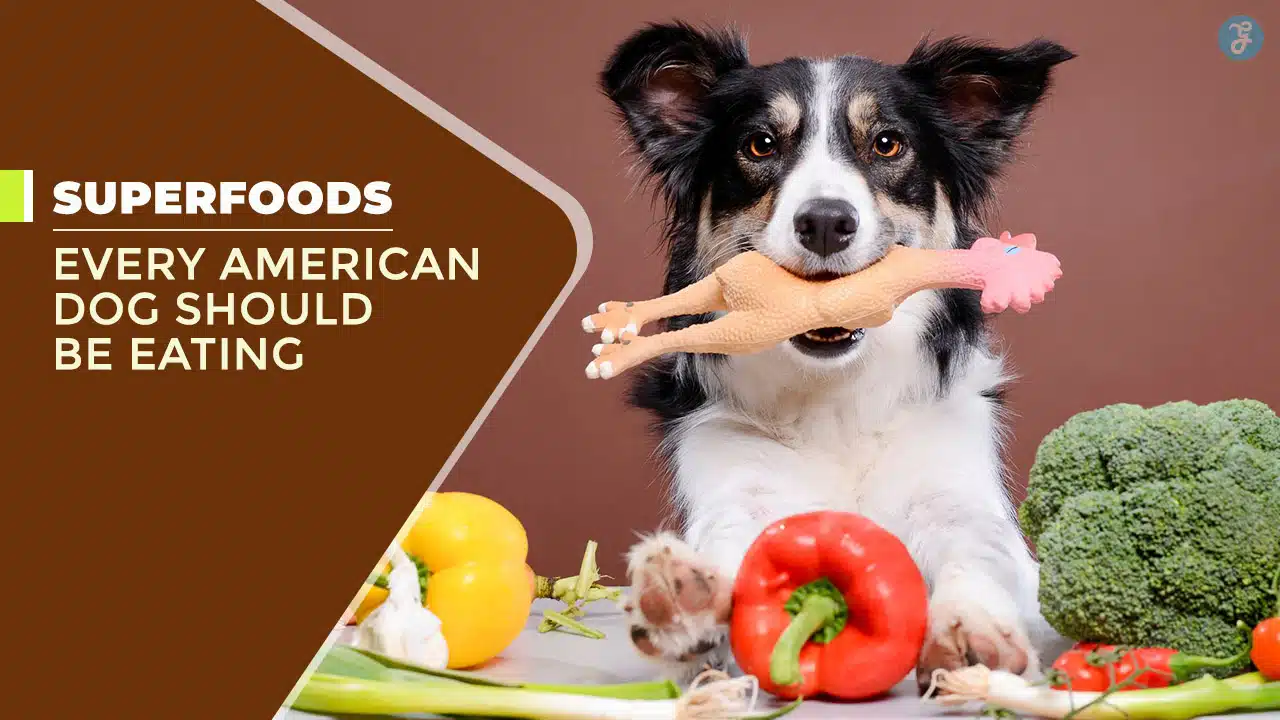
Every dog owner wants their furry friend to live a long, happy, and healthy life. While daily walks and regular vet check-ups are important, what you put in your dog’s bowl makes the biggest difference. Just like humans, dogs thrive when their diets include nutrient-rich foods that go beyond basic kibble. That’s where superfoods for dogs come in.
Superfoods are natural, nutrient-dense ingredients packed with vitamins, minerals, antioxidants, and healthy fats. They help boost immunity, improve digestion, support shiny coats, and even enhance brain function. In this guide, we’ll explore the top 10 superfoods every American dog should be eating to stay strong, active, and full of life.
Blueberries: Packed with antioxidants to boost immunity
Blueberries burst with antioxidants, and they boost immune system support. They pack dietary fiber, vitamin C, and vitamin E. They supply anthocyanidins and manganese, essential vitamins and minerals for health.
Low calorie fruit morsels fit into a nutritious dog food plan.
Dr. Susan G. Wynn says a single blueberry counts as a dog treat. Trainers swap sugary snacks for frozen berry bites during sessions. Dr. Stephanie Clark lists blueberries as a top superfood for canine nutrition.
Their phytochemicals fight disease and aid digestive health.
Why Are Blueberries Good for My Dog’s Immune System?
Dogs gain a big immune boost thanks to antioxidant power in blueberries. These berries deliver vitamins C and E that fight free radicals and support immune system health. Their anthocyanidins boost immune responses and fight off threats.
Phytochemicals in this fruit help block disease at the cell level. Canine nutrition expert Dr. Stephanie Clark praises these compounds for strong immune system support.
A cup of these berries adds soluble fiber to your dog’s diet, which eases digestion and backs immune function. You can drop a few into a puzzle feeder or use frozen berries as a cooling snack.
Small portions make portion control simple, and your dog will love these dog treats.
How Does Pumpkin Help My Dog’s Digestion?

Pure winter squash mash adds digestible roughage to a dog diet. This roughage boosts digestive health and firms stool. Owners pick organic squash puree to keep calories low and add dietary fiber.
That choice supplies a good dose of antioxidant pigment, potassium, and vitamin C. Vets note this combo supports gut function and prevents tummy troubles.
Dr. Judy Morgan cites this mash as top fiber source for homemade diets. She suggests 1 to 2 tablespoons per meal for medium dogs. Cans of organic squash work well as a safe digestive aid.
Mixing this whole squash mash keeps meals easy. Pets love the taste, and owners smile at the healthy results.
What Are the Benefits of Salmon for My Dog’s Skin and Coat?
Salmon brims with omega-3 fatty acids. It delivers deep coat shine and a strong skin barrier. Dr. Susan G. Wynn points to salmon in home dog diets. It also boosts a pup’s immune system thanks to fish oil.
Too much salmon can overload with fatty acids, so serve in small amounts.
These oils calm redness and cut flare ups. Your dog will scratch less and show off a glossier coat. Dog Food Advisor lists salmon among top nutrient-packed foods for pups. Keep servings in check to dodge a fatty acid overdose.
How Do Sweet Potatoes Support My Dog’s Health?
Cooked sweet potatoes flood a dog’s bowl with vitamin A. They contain vitamin C, folate, minerals, and antioxidants. Antioxidants boost immune system function and support skin and coat health.
This low-fat, hypoallergenic root suits sensitive stomachs. Fiber in each cup aids digestion and promotes regular bowel movements. Dog parents can steam cubes or bake slices plain and without seasoning.
Soft slices can scrub teeth as pups chew, chasing away plaque. These low-calorie treats fit a balanced dog diet and help with weight control. Your pup gains essential nutrients and fiber, fueling general health.
Why Is Kale a Healthy Choice for Dogs?
Kale packs iron, calcium, vitamin C, fiber in every leaf. Dark leafy greens link to a 90 percent drop in cancer risk. Labs and Beagles soak up antioxidant power fast. This superfood for dogs boosts immune system support.
Kale tops dog diet charts, says Dr. Susan G. Wynn. Spinach carries high oxalates, Dr. Judy Morgan warns. A nutrient tracker app logs vitamin C levels in real time.
Gentle fiber aids digestive health in Bulldogs. Soluble fiber soothes gut lining and helps nutrient absorption. Leafy greens back liver and cardiovascular health. Mineral blends fuel bones and guard marrow stores.
A meal planner chart flags excess vitamin K intake. Limit portions or pups may eat too many nutrients.
How Do Eggs Help with My Dog’s Muscle Development?
Eggs pack nearly all essential amino acids dogs need for muscle growth. Dr. Judy Morgan calls eggs the original entry on superfoods for dogs, a nod to their protein power. They supply vitamins A, D, E, and K, plus iron, selenium, and omega-3 fatty acids to fuel muscle cells.
Think of eggs as compact blocks of nutrition that boost strength.
Serve pasture-raised eggs without shells for safe eating, that way dogs avoid sharp bits. Introduce small portions at first for dogs with sensitive digestion, so tummies stay happy.
Homemade dog diets often include eggs for extra protein, iron, and healthy fats. This simple addition fits into a balanced dog diet and shows true nutritional benefits for dogs.
What Makes Apples a Good Treat for Dogs?
Apples pack a punch with soluble fiber, vitamin C, and antioxidants that boost your dog’s immune system, gut health, and digestive health. Fiber slows sugar surges and aids weight control in a dog diet.
Dr. Susan G. Wynn warns against apple seeds, as cyanide compounds may harm pets and pose a choking hazard. Slice apples into small, bite-sized pieces on a cutting board with a sharp kitchen knife, and toss seeds aside to keep snack time safe.
Crunchy apple bits scrub plaque using malic acid for a quick dental lift. This low calorie snack swaps junk treats for nutrient-packed munchies, so pups nibble guilt free. Morgan, a canine nutrition coach, suggests pears as another crunchy winner for pups that crave variety.
What Nutritional Benefits Do Chia Seeds Offer to Dogs?

Chia seeds pack a flavorful punch for pups. These tiny superfoods for dogs add a boost of soluble fiber to aid digestion, one of the top nutritional benefits for dogs. They carry plant-based omega-3 fatty acids to calm joint aches.
A simple shake on pet meals adds calcium for bone health and antioxidants that support skin and coat.
Dogs gain energy from protein in every tiny seed. You can sprinkle them on kibble or wet meals without grinding. These gluten-free bits slip into any mix of nutrient-packed foods, just keep portions modest in a well-balanced dog diet.
How Does Coconut Oil Improve My Dog’s Skin and Digestion?
Soft, shiny fur glows after a spoon of coconut oil on kibble, giving skin and coat health a boost. Lauric acid fights inflammation, calming itch from allergies in dogs. Those nutrient-rich fats also lend immune system support, helping your pup fend off bugs.
It arrives minimally processed, keeping all the good medium chain triglycerides intact.
A gentle fat like coconut oil eases digestive health, calming gastrointestinal issues and helping gut lining repair. You can mix a teaspoon into meals or treats, but introduce it slowly to avoid upset.
Too much may raise cholesterol levels, so talk to your vet about the right dosage. This superfood fits right into a balanced dog diet.
Takeaways
Pack a bowl with these picks now. Berries boost immune health. Squash aids digestive health. Fish boosts skin and coat health. Tubers supply vitamin A. Greens add vitamins C and K.
Seeds deliver omega 3. Oil soothes dry skin. Spice supports joint health. All foods support a balanced dog diet under veterinary guidance. Dr. Stephanie Clark backs this plan. Use tips from Dog Food Advisor for safe treats.
FAQs
1. What are superfoods for dogs and why do they matter?
Superfoods for dogs pack a ton of nutrition in each bite. They give omega-3 fatty acids from oily fish, and they boost skin and coat health. They help joint health, too, and ease hip dysplasia or other degenerative joint diseases. Think of them as power bites in your dog foods and dog treats.
2. How do seed staples like chia seeds and flax seed aid digestive health?
Seeds offer soluble fiber, they feed good gut bugs, and they support a balanced dog diet. Tiny seeds swell in water and ease digestion. They slow starches so blood sugar stays steady. Your pup stays fuller, aiding weight management and trimming belly bulge.
3. Which vegetables and fruits give vital vitamins and support eye health?
Sweet potatoes, a type of tuber, deliver vitamin A and beta carotene for sharp eyes. Berries like acai add vitamin C and antioxidants. You also get B vitamins, riboflavin, vitamin B12, B6 and vitamin K. All these nutrients back up immune system support in canine nutrition.
4. Can bone broth and coconut oil boost my dog’s health?
Broth from bones brings collagen, minerals, and protein to soothe a weary gut. Coconut oil adds anti-inflammatory properties and a glossy coat. Both aid joints and help with weight loss when you dose them right. They turn plain kibble into nutrient-packed foods.
5. Is edible seaweed safe and useful for pups?
Sea plants, like dried seaweed, add iodine and trace elements. They act as a low-fat snack or topping in dog foods. This nutrient-packed food can cut allergies in dogs and help bladder stones. It shines in a well-balanced diet for omnivores.
6. Should I give my dog sushi or raw eggs?
Raw eggs risk salmonella, so cook them. Sushi may harm dogs with its salt and unknown oils. Dogs digest meat best when it’s cooked plain. They can handle eggs after you cook them. Skip processed foods and stick to healthy foods for safer treats.