
High rent and mortgage can drain your savings fast. Plastered straw bale walls can reach R-values of 30 or more, cutting heating and cooling costs. We will share 13 straw bale construction tips, from foundation prep and plastering to moisture barrier tricks and passive solar design, so you can build cheap, energy-efficient straw bale homes.
Keep reading.
Key Takeaways
- Farmers in Nebraska built the first load-bearing straw bale schoolhouse in 1896. Builders used a compressor to pack bales at 6,000 kg/m² and plastered walls to reach R-values over 30 (some layers hit R-113).
- Infill and post-and-beam methods stack bales inside a wood frame. Natural plaster seals walls and cuts heating and cooling bills by 40–50%.
- Prefabricated straw bale panels ship with a wood frame and core. Crews bolt them on site like Lego, and factory work cuts embodied energy by about half.
- Retrofit crews fit bales inside stud walls, add vapor barrier and plaster. This process lowers building carbon by 39% and beats EPS insulation by 20% in cooling tests.
- Builders follow the 2015 International Residential Code (Appendices S and R). They test moisture to stay under 20%, apply two plaster coats, and meet fire and mold standards.
What is Load-Bearing Straw Bale Construction?
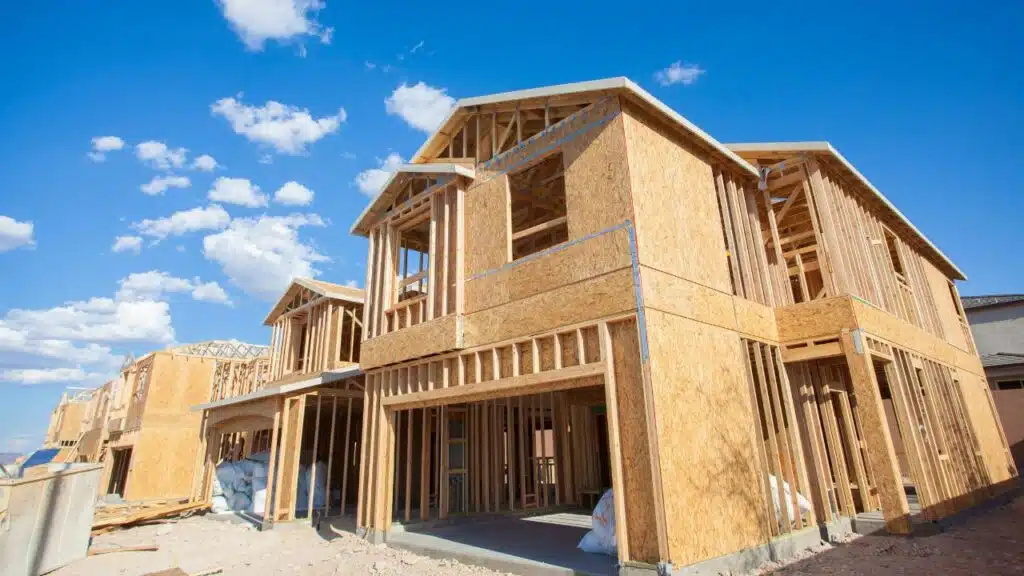
Farmers in Nebraska built the first load-bearing straw bale schoolhouse in 1896. That project led to 70 straw bale buildings in the Sandhills by 1945. Builders packed high-density bales with a compressor to reach 6,000 kg per meter in compressive strength.
Workers then plastered walls to hit R-values above 30, with some layers near 113 for top insulation. Teams rely on a moisture meter, level, and trowel to trim straw bales for a snug fit.
This framing style makes straw bales the main load bearer and the insulation. It fits green building and sustainable housing trends toward affordable housing.
How Does Non-Load-Bearing (Infill) Straw Bale Construction Work?
Carpenters erect a wood frame. They stack straw bales inside the frame like bricks in a wall. The timber frame carries the roof load. The straw bales fill the cavity. Masons coat the strawbale walls with a plaster skin.
This layer locks in straw and fights rain and wind. It also boosts R-value to 30 or higher. The method creates jobs, since it is a hands-on task. Each bale feels like a block of insulation.
It forms part of sustainable housing and straw bale construction. Suppliers deliver bales of straw as local building materials.
Builders lay a raised foundation. They add a gravel base to drain water. They tie wood beams to the foundation. They avoid direct ground contact. Plaster walls both inside and out.
Clay or lime plaster acts like a weather shield. Tests show moisture in straw stays below twenty percent. This stops straw from rotting and avoids composting issues. Homeowners enjoy quiet walls that soundproof and block cold.
Walls act like thermal mass in warm weather. This approach suits straw bale homes and strawbale houses in park city or farm settings.
What Is Post-and-Beam with Straw Bale Infill?
Post-and-beam with straw bale infill uses a timber frame to hold heavy loads. Builders set posts and beams on a concrete foundation. They treat each bale as packable infill, stacking them like giant bricks.
Workers then apply sheathing board, plastering over straw to seal walls.
Hybrid straw bale construction can slash heating bills by up to 40% in remote tribal communities with high unemployment rates. The US harvests around 125 to 177 million tons of straw each year from grain stalks, so building materials stay cheap.
This sustainable housing trick marries wood joinery with straw bale building and boosts insulation to R-30. It turns farm waste into sturdy walls for straw bale homes.
What Are Hybrid Straw Bale Systems?
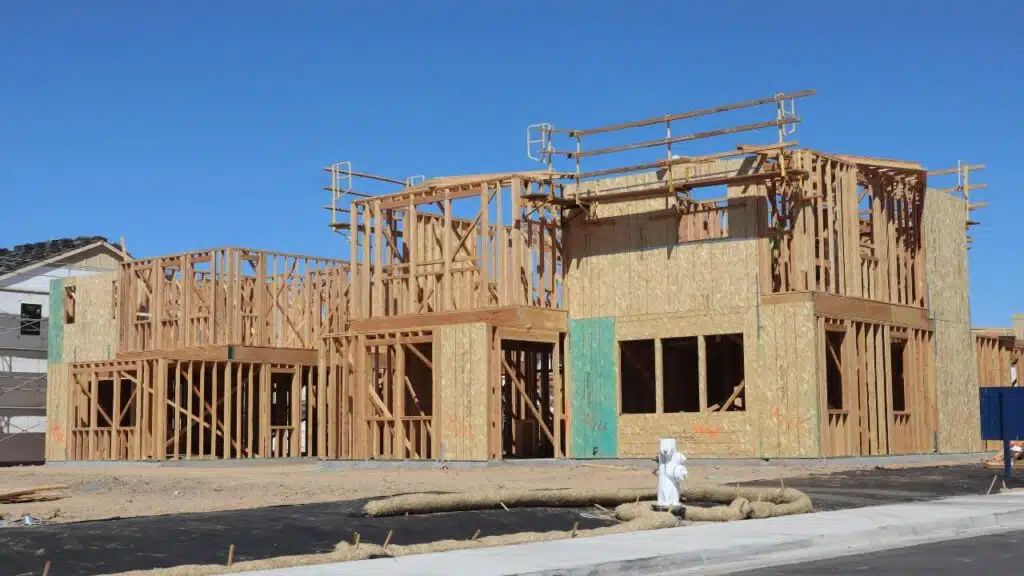
Hybrid straw bale systems pair wood framing with load-bearing straw bale walls. Builders set a sturdy timber skeleton, no cookie cutter in sight. Then crews press straw bales into the frame to boost thermal mass.
Natural plaster coats those bales and improves indoor air quality in straw bale homes. Compression seals the bales tight, giving walls fire resistance.
These systems tap passive solar design, guiding sunlight through south windows. A level tool keeps each post straight. Compressed walls capture warmth in winter and shed heat in summer.
Homeowners prize the low cost and sustainable housing edge of straw bale construction.
How Do Prefabricated Straw Bale Panels Work?
Prefabricated straw bale panels ship from a factory. Each one holds a wood frame around a straw bale core. This design speeds straw bale construction on site. Crews slot them onto a post-and-beam frame like Lego bricks.
A crane lifts panels onto the foundation. Builders value the high R-value and fast build times in straw bale homes and other sustainable housing projects.
Factory crews finish panels with wiring channels and rough plumbing. Teams bolt them on with crane and scaffold. Panel work still fuels job growth thanks to its need for skilled hands.
Panels cut embodied energy by roughly half compared to many conventional building materials. They curb heat loss and trim U.S. building energy use by 40 to 50 percent.
How Can Straw Bales Retrofit Existing Structures?
Local carpenters fit straw bales inside stud walls on old homes. They attach a vapor barrier, pack bales, and seal plaster on both sides. This process raises R-value to over 30. It slashes cooling loads and beats expanded polystyrene in heat tests by 20%.
Retrofit cuts drafts and trims energy costs, it also shrinks CO2 emissions from buildings a sector that makes up 39% of U.S. carbon output. It taps into straw bale construction and sustainable housing, boosting housing affordability while sparing 25% of wood harvest globally.
Small farms and market gardens cheer the quick install. Installers pack panels behind drywall or clay plaster in days. A 1,000 sq ft upgrade may wrap in a week, using a foam spray gun for sealant and a power drill for stakes.
Plaster with lime and clay guards against rot and holds moisture balanced. This blend helps pollinate backyard gardens and shields honey bees in attached sheds.
What Are the Best Plastering Techniques for Straw Bale Walls?
Plaster shields straw bale walls from water and fire. Natural clay or lime finishes boost indoor air quality and warmth.
- Clean the straw bale surface with a stiff brush and light misting; this step reduces loose fibers and dust. Install a wire mesh over the bales to lock in the first plaster layer.
- Mix lime plaster and sharp sand in a 1 to 3 ratio using a handheld mixer; this blend yields a sturdy scratch coat. Spread a 1/2-inch coat with a steel trowel and scratch it deeply for extra grip.
- Embed galvanic or fiberglass mesh in a dampened base coat; the mesh stops hairline cracks. Float the layer with a wood float, pressing gently to even out bumps.
- Prepare a thin lime-based stucco finish coat with fine sand and natural pigment; this step seals the wall. Trowel this layer at under 1/8-inch thickness and polish the surface smooth.
- Mist the wall twice a day for seven days; slow curing prevents brittle plaster. Keep inside temperatures above 50°F to secure proper set and avoid mold growth.
- Check the R-value after drying; plastered walls reach R-30 or higher for solid insulation. Measure with a heat flow meter to track energy savings and boost sustainable housing design.
- Inspect coatings every year; spot any hairline cracks or loose corners. Use matching lime mix to patch flaws, stop moisture intrusion, and maintain indoor air quality.
- Gather tools like a hawk, steel float, mixing paddle, and plaster bin; having the right kit speeds work. Keep the gear clean to avoid contaminants in the natural plaster.
How Do You Control Moisture and Seal Straw Bale Walls?
Straw bale walls need tight seals and low moisture. Good sealing extends life, cuts energy bills.
- Grade site and install perimeter drains to block ground water for sustainable housing.
- Test straw bales with a sensor so moisture stays under 20 percent, keeping mold risks low.
- Wrap walls in a breathable membrane, so straw insulation beats EPS in summer and keeps embodied energy low.
- Plaster walls in two layers, clay first, lime second, to seal and stop mold growth.
- Seal every gap and angle with a flexible clay finish, using local building materials for strength.
- Fit metal flashing above windows and doors to deflect rain and shield walls.
- Extend roof eaves at least two feet to shed water away from plaster and bales.
- Create a slim ventilation gap behind plaster to drive moisture out of straw.
- Inspect moisture weekly and swap plaster if readings climb, to protect your straw bale construction.
How Can Straw Bales Be Used for Soundproofing?
Dense straw bale walls can absorb and block sound. Builders stack bales inside post-and-beam or load-bearing frames. They then shear and score bale faces. Natural plaster covers the bales and improves indoor air quality.
Contractors add resilient channel, mass-loaded vinyl, and two drywall layers for more sound control. A guide from Permanent Publications (ISBN-13: 978-1856233132; print length: 320 pages; published January 26, 2021) details these steps.
Tests show straw walls can cut noise by up to 50 decibels.
Community builders praise straw bale construction for sustainable housing materials and job creation. Volunteers fill panels in prefabricated studios. Prefab straw bale panels measure 8.8 by 0.6 by 10.8 inches and weigh 2.31 pounds.
Installers need simple tools like caulk guns and drywall screws. Tests reveal straw insulation outperforms expanded polystyrene in cooling seasons. Models also show it works well in passive solar design.
Homeowners pick straw bale houses to cut echo, boost comfort, and lower energy loads.
What Are Earthquake-Resistant Straw Bale Designs?
Engineers tie straw bale walls to base beams with anchor bolts and steel straps. Shear wall panels stop quake jolts. The Harrison Vault in Joshua Tree, California, stands firm under high seismic loads.
Builders plaster compressed bales with lime to boost ductility and fire resistance.
Designers slip base pads under load-bearing straw bales to dampen ground shakes. They test plans with finite element analysis before construction. Straw bale construction brings sustainable housing and passive solar charm.
What Foundations Are Suitable for Straw Bale Homes?
Builders place raised footings under straw bale homes. The footings lift walls above damp ground. Contractors wrap a moisture barrier over the footings. Workers stack bales on that layer, avoiding rot.
Craftspeople thread wire mesh and wooden dowels through the bales. This approach boosts job creation, due to its labor intensive nature.
Concrete strip foundations fit sustainable housing projects on firm soil. Farmers and market gardeners often pick this style for affordable homes. Teams dig trenches and pour reinforced concrete.
They seal the top surface with a membrane that blocks ground moisture. Straw bale construction then adds thick walls that trap heat and boost passive solar flow.
How Do You Insulate Straw Bale Walls Effectively?
Plaster coats raise R-value above 30 in straw bale homes. That wrap beats EPS panels during summer cooling, it cuts heat gain fast. Harvested from sustainable agriculture, straw bales offer an eco-friendly insulator.
Proper straw bale construction locks bales tight, cutting air leaks. Passive solar design thrives on that thermal shell.
Compressed strawbales sit snug in post-and-beam or load-bearing frames. Clay or lime plaster layers keep wind and rain at bay, they lock in dry air. Extra coats boost strength, they stop drafts too.
This work trims building energy use by 40 to 50 percent, a big win for sustainable housing. Renovators love this low-tech, low-cost strategy.
What Fireproofing Strategies Work for Straw Bale Construction?
Builders compress straw bales until they fit like bricks. They coat each wall with two coats of gypsum plaster, then finish with lime plaster. Tests show that this system resists flames in lab fire trials.
Compressed and plastered straw-bale walls exhibit fire resistance in straw bale homes while boosting passive solar performance. During cooling seasons, straw insulation outperformed expanded polystyrene in lab trials, so it slows heat flow from any blaze.
Gypsum board on the interior adds a tough backup barrier and holds plaster firmly. Local crews find work in this labor-intensive build, driving job creation in rural areas and supporting sustainable housing goals.
These layers meet fire codes and shield simple straw bale construction from flame hazards.
How Is Roof Integration Done with Straw Bale Walls?
Carve a shelf in the bale wall. Secure the top plate with bamboo pins or wood dowels. Bolt a ridge beam onto the plate. Nail galvanized straps to anchor rafters. Wrap roof sheathing with a waterproof membrane.
Add a metal drip edge along the eaves.
Attach purlins to rafters and tie them to the wall using wire mesh. Spread natural plaster at the wall-roof seam to seal gaps and boost indoor air quality. Position straw insulation on the roof deck to aid passive solar design.
This approach cuts heating loads. Homeowners see up to 50 percent lower energy use in straw bale construction. That makes straw bale homes a model for sustainable housing.
How Do You Build Sheds and Studios with Straw Bale Construction?
Straw bale studios slash material costs. They bring solid insulation and green charm.
- Select a stable base, such as a gravel pad or raised beam foundation, to keep straw bales dry and level.
- Frame a wood skeleton with posts and beams sized for wind loads, use recycled timber or steel beams to save on building materials.
- Pack straw bales tightly between studs, press them with a compaction tool until they fit like slices in a loaf.
- Apply a wet earthen plaster mix, stir in sand and clay, to seal strands and guard against pests and moisture.
- Install a metal roof with wide overhangs, this sheds rain and prevents water from reaching bale walls.
- Fit south windows for passive solar design, capture winter sun to slash heating use that makes up 40 to 50 percent of building energy.
- Seal all joints with hemp or sheep wool, these natural fibers match sustainable housing values and boost insulation.
- Add vents at the floor and ridge to circulate air, this cuts mold risk and keeps wall cores dry.
- Finish the interior with sheetrock or clay plaster, this step adds fire resistance and a smooth surface for paint.
- Embrace local labor, this straw bale building creates jobs and taps into the 125 to 177 million tons of straw produced yearly in U.S. fields.
What Are Multi-Story Straw Bale Building Techniques?
Builders craft straw bale homes with heavy timber ring beams at each floor level. This support frame holds stacked bales under roof loads and wind forces. Workers tie metal bars through natural fiber rope to hold bales tight.
Compressed and plastered bale walls resist fire and survive tremors in quake zones. Passive solar design gains strength from thick straw insulation and deep overhangs. Projects create local jobs and meet sustainable housing goals.
Trade crews build a sturdy base of compacted gravel and concrete blocks. They add a wooden plate on top of the base. Workers attach the first bale layer and follow a grid pattern. Crafting each story uses a portable support platform around the exterior.
Teams coat each wall section with lime coating or mud plaster. The result meets modern codes and offers high energy efficiency.
What Are Sustainable Plaster Materials for Straw Bale Homes?
Clay plaster uses local earth, it dries hard and wicks moisture from straw bale walls. Lime plaster fights mold, it sheds rain like a sleek raincoat on walls. Gypsum plaster gives smooth white walls inside, painters love its even finish.
Cement stucco forms a tough shell outside, it can last decades without cracks.
Natural plaster in straw bale construction boosts indoor air quality, it acts like a breathable shield against dust. Proper sealing and plastering blocks damp spots, it cuts mold risks early.
Straw bale homes boast energy savings, they help slash part of the 40 to 50 percent of US building use. Green building materials fit sustainable housing and trim long term costs.
How Are Straw Bale Landscaping Walls Built?
Straw walls add curb appeal and hold soil in place. US yields 125 million to 177 million tons of straw each year, so prices stay low.
- Clear grass and level soil with a spade and a broad level; this lays tidy base for straw bale building.
- Stretch a string line between two poles to mark the wall edge; this simple act can boost local job creation in sustainable housing.
- Dig a 6-inch trench full of gravel for base stability and water drain; it stops straw rot.
- Press sharpened poles every 4 feet into the trench to anchor the wall; they hold bales against wind and frost.
- Lay straw bales in running bond with the long side flat; US yields 125 million to 177 million tons of straw a year, so costs stay low.
- Insert a 36-inch steel rod through bales at each pole; this step locks layers in place.
- Tie bales with sisal twine or wire every 12 inches along height; this binds them tight.
- Beat each layer down with a wide plank as you build up; it compacts bales and boosts structural strength.
- Spread a 1/2-inch earthen plaster coat with a trowel on both sides; it seals straw and boosts R-value, a plus for passive solar design and lower energy use.
- Add a lime-rich render coat to fend off rain, then cap the top with a timber board angled to drip water.
How Does Passive Solar Design Work with Straw Bale Construction?
South facing windows capture midday sun. Blocks in straw bale walls hold solar warmth. Solar gain drives heat storage in earthen plaster. High R-values above 30 cut heat loss.
Buildings use 40 to 50 percent of US energy. Strong straw bale construction boosts sustainable housing and lowers heating loads. Plastered bale walls exhibit fire resistance. Overhangs on south facades block summer glare.
Sun tracker tools guide proper window placement.
What Are the Benefits of Straw Bale Tiny Homes?
Straw bale tiny homes offer sustainable housing, they cut heating bills by up to fifty percent. Thick straw insulation keeps rooms snug in winter, cool in summer. Walls work well in passive solar design and aid radiant cooling.
U.S. farms churn out 125 to 177 million tons of straw each year, builders tap that bounty to lower material costs. Farmers gain extra income when they sell straw bales.
Stacking straw bales builds houses and jobs in rural towns. Laborers shape walls with simple tools, they boost local economies. Straw bales serve as cost-effective building materials.
Homeowners enjoy eco-friendly housing that uses less power. Houses curb energy use by forty to fifty percent of typical U.S. homes. Banks often approve a low-interest loan for straw bale construction.
How Do Straw Bale Homes Improve Energy Efficiency?
Plastered walls in straw bale homes reach R-values near 30 or more. This thick cover slows heat flow. Cooling tests show straw insulation outperforms expanded polystyrene (EPS) in warm months.
Residents see major drops in energy bills.
Low embodied energy in straw bales makes these homes lighter on the planet. US buildings account for 40 to 50 percent of total energy use; bale walls shrink that load. Sustainable housing advocates welcome straw bale construction for low heat loss and solid wall mass.
These building materials lock air inside walls and halt drafts.
How Do You Address Building Codes and Regulations for Straw Bale Homes?
Officials lean on the 2015 International Residential Code, especially Appendices S and R, to guide straw bale homes. Builders show plans that cite those sections. Inspectors check bale density and plaster thickness.
Regulators join training workshops to close knowledge gaps, since many officials have little hands-on experience with sustainable housing.
Owners pitch insurers on proven fire and moisture tests. France listed straw bale homes as an insurable building method in 2012, and that fact helps U.S. projects. Teams use case studies from earthship biotecture to back their bids.
They call local officials early, share sample reports, and push for clear rules on straw bale construction.
What Are the Benefits of Straw Bale Construction for Affordable Housing?
Local farms sell straw bales cheap. Builders cut transport miles. Hands join in fieldwork and framing. Communities get new jobs stacking bales. This work raises income in Native American towns with high unemployment.
Homes need less wood or brick. Straw bale construction trims material costs. U.S. buildings gulp 40 to 50 percent of the nation’s energy. Thick walls trap heat in winter and block summer sun.
Residents watch monthly bills drop.
Natural plaster coats the bales. It seals dust and lets walls breathe. Air inside stays fresh, better than sealed sheetrock boxes. Allergy cases ease up. Walls also muffle noise, so kids nap easy.
Projects often win grants to lower rents. That makes sustainable housing more affordable than wood frame homes. Straw bale homes score high for healthy indoor air. Families focus on meals, not monster energy bills.
Takeaways
Straw bale homes slash bills and cut waste. Builders use simple building materials to shape tight, sustainable walls.
Standard bales or panels sit on stable foundation with barrier. Natural plaster adds seal and high R-values for comfort. Communities gain jobs and apis mellifera buzz near fields.
FAQs
1. What are straw bale homes?
Straw bale homes use straw bales as the main wall. They fall under sustainable housing. They stack like giant pillows and get a plaster skin to look sharp.
2. Why pick straw bale construction?
Straw bale construction cuts costs, locks in heat, and blocks noise. It fits many sustainable designs and feels like a big warm coat for your house.
3. What building materials fit straw bale building?
You need straw bales, a wood frame, wire ties, and plaster or clay. Lay gravel or cement first to keep the bales dry.
4. How do you keep straw bales from soaking up water?
A tall roof with deep overhangs protects the bales. Then cover walls with plaster, like a raincoat for your home.
5. Can strawbale construction save energy?
Yes, strawbale construction uses the high insulation in straw bales. It keeps homes cool in summer, warm in winter, and cuts power bills.
6. Are straw bale homes legal in the US?
Many states allow straw bale building. You must meet local codes, and talk to a building official or a straw bale expert before you build.