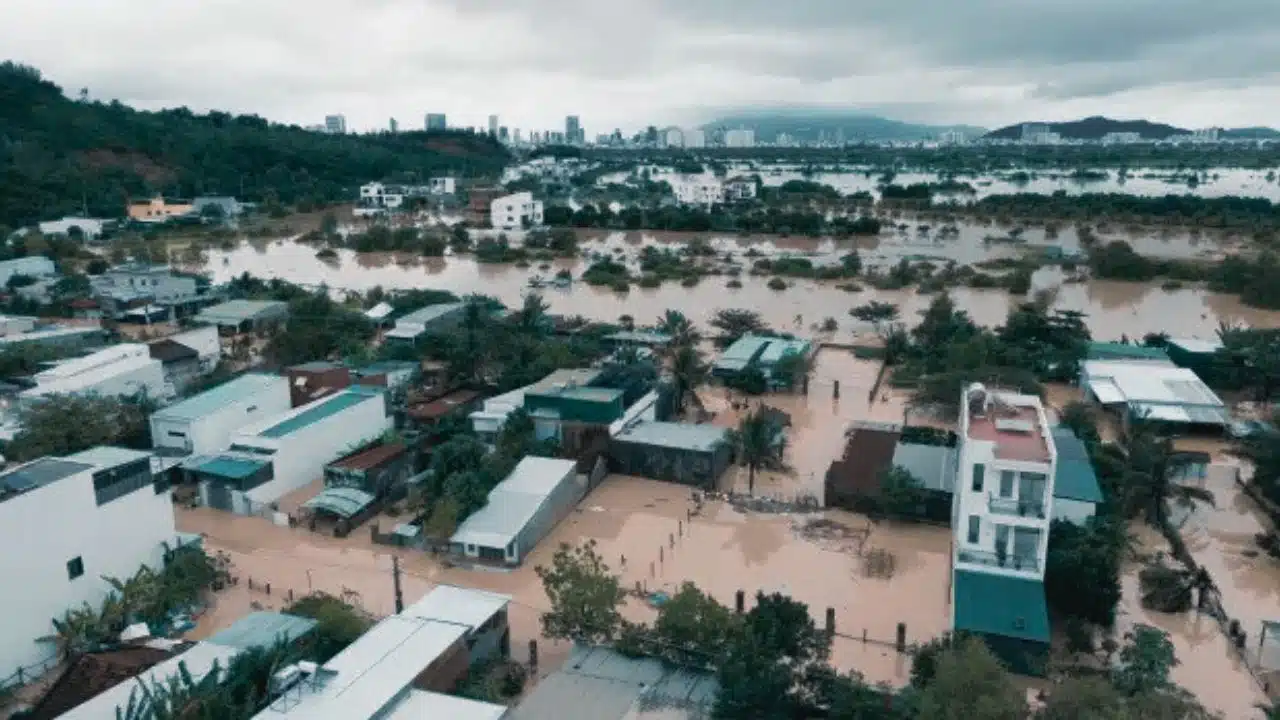
Devastating floods and landslides triggered by days of torrential rain have killed more than 620 people across Indonesia, Thailand, Malaysia and Sri Lanka, with hundreds more still missing and millions displaced or cut off. Officials warn that the death toll is likely to rise as rescuers struggle to reach isolated communities and assess the full scale of the damage.
Four countries count the dead
Authorities in Indonesia report the highest losses, with at least 400–435 people confirmed dead after rivers burst their banks and hillsides collapsed in several provinces on Sumatra. Thailand has registered around 170 fatalities, mainly in the southern provinces, while Malaysia has reported a small but rising number of deaths and Sri Lanka has confirmed more than 150 killed after a powerful cyclone-driven storm system swept across the island.
Across the four countries, the combined death toll has passed 620, and regional situation reports indicate that over 4 million people have been affected by floodwaters, evacuations and infrastructure outages. Hundreds of people remain missing in Indonesia and Sri Lanka alone, fuelling fears that many bodies are still buried under mud, debris and collapsed homes.
Torrential rains and rare storm systems
Meteorologists link the disaster to an unusual tropical storm pattern over the Malacca Strait and Bay of Bengal, which intensified seasonal monsoon rains and kept them stalled over the region for days. In Indonesia, relentless downpours triggered simultaneous river flooding and landslides across three Sumatra provinces, while southern Thailand endured some of its heaviest rainfall in years, overwhelming drainage systems and reservoirs.
Sri Lanka was lashed by a named cyclone that dumped extreme volumes of rain in a short period, inundating low-lying districts and triggering deadly mudslides in hilly areas. Regional climate experts note that Southeast Asia has already suffered multiple severe flood episodes this year, including lethal inundations in Vietnam’s central and highland regions earlier in November, suggesting a pattern of increasingly intense wet-season events.
Rescue operations stretched to the limit
In Indonesia, rescue teams are using helicopters, boats and heavy machinery to reach villages cut off by collapsed bridges, blocked mountain roads and damaged telecommunications networks. Aerial images released by officials show entire tracts of farmland and residential areas scoured away by torrents, leaving residents to await food and medical supplies on football fields and roadside embankments.
Thai health and disaster agencies have deployed emergency medical teams and military units to southern provinces, where fast-moving flash floods swept through towns at night, catching many residents in their homes. Malaysia has opened scores of evacuation centres for tens of thousands of people forced from their homes, while Sri Lankan authorities report that more than half a million residents have been directly affected by the cyclone and its aftermath.
Homes, farms and infrastructure destroyed
Preliminary assessments across the region point to vast damage to housing, roads, power lines and water systems, with some national disaster agencies already estimating economic losses in the hundreds of millions of dollars. In Indonesia and Thailand, floodwaters submerged highways, rail links and critical bridges, severely slowing relief efforts and disrupting the movement of food and fuel.
Agricultural regions have also been hit hard: plantations, rice fields and smallholder farms in Indonesia, Thailand and Sri Lanka have been washed out just as harvest seasons approach, raising concerns about local food prices and farmer livelihoods in the coming months. In many urban and peri-urban areas, residents face a long clean-up as thick mud, debris and contaminated water clog streets and homes even where rivers have begun to recede.
Climate concerns and calls for preparedness
Scientists and regional agencies have cautioned for years that a warming climate is likely to intensify extreme rainfall events in tropical Asia, making flash floods and landslides more frequent and more destructive. The current disaster is being cited by some experts and officials as evidence that drainage, early-warning systems, land-use planning and informal hillside settlements have not kept pace with the rising climate risk.
Governments and international partners are now rushing emergency supplies to the hardest-hit communities, even as pressure grows for longer-term investments in flood defences, river management and relocation from the most vulnerable zones. With more heavy rain still possible in parts of the region in the days ahead, authorities have urged people in low-lying and landslide-prone areas to heed evacuation orders and stay away from swollen rivers and unstable slopes.