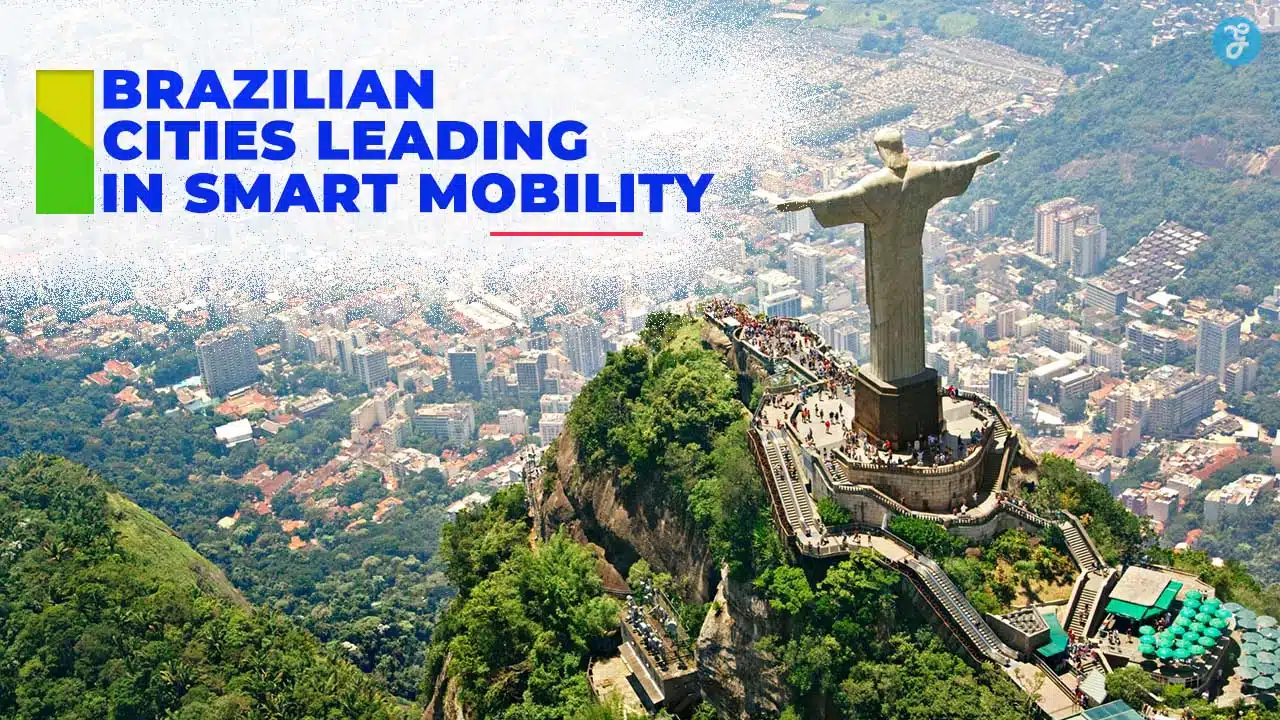
Do you ever feel stuck in endless traffic jams, watching time slip away while pollution clouds the air? Many folks in Brazil face this mess every day, hunting for smarter ways to move around their cities.
It hits hard when urban mobility turns into a headache, leaving you frustrated and late. Picture a friend saying, “Man, I wish my commute didn’t feel like wrestling a alligator.” That’s the real struggle with outdated transport, but hey, change is brewing in places you might not expect.
Smart City Expo Curitiba 2024 marks the first time Brazil hosts the biggest Smart Cities Award worldwide, spotlighting urban innovation and sustainable development. This event drew over 300 projects from across the nation, proving that smart city technology can fight climate change and boost urban planning.
In this post, we’ll zoom in on 8 Brazilian Cities Leading In Smart Mobility, like Curitiba with its Bus Rapid Transit magic and São Paulo’s traffic fixes using artificial intelligence and Internet of Things tools.
We’ll show how these spots tackle inequalities, cut emissions, and make life smoother with digital transformation and citizen participation.
Stick around; you’ll love these stories.
Key Takeaways
- Curitiba hosts Smart City Expo 2024 with over 300 projects and aims for carbon neutrality by 2050 through PlanClimate from 2021.
- São Paulo saw subnormal areas rise from 6,329 to 13,151 in 743 cities between 2010 and 2019, using AI and IoT for traffic fixes under the 2020 Brazilian Charter for Smart Cities.
- Florianópolis builds bike lanes and upgrades public transit, linking with Moeda Verde program for waste swaps.
- Porto Alegre uses IoT and AI to predict traffic and cut emissions in multimodal systems.
- Rio de Janeiro targets low greenhouse gas zones by 2030 via RIO+ plan, while Niterói held over 60 public consultations in five years.
Curitiba
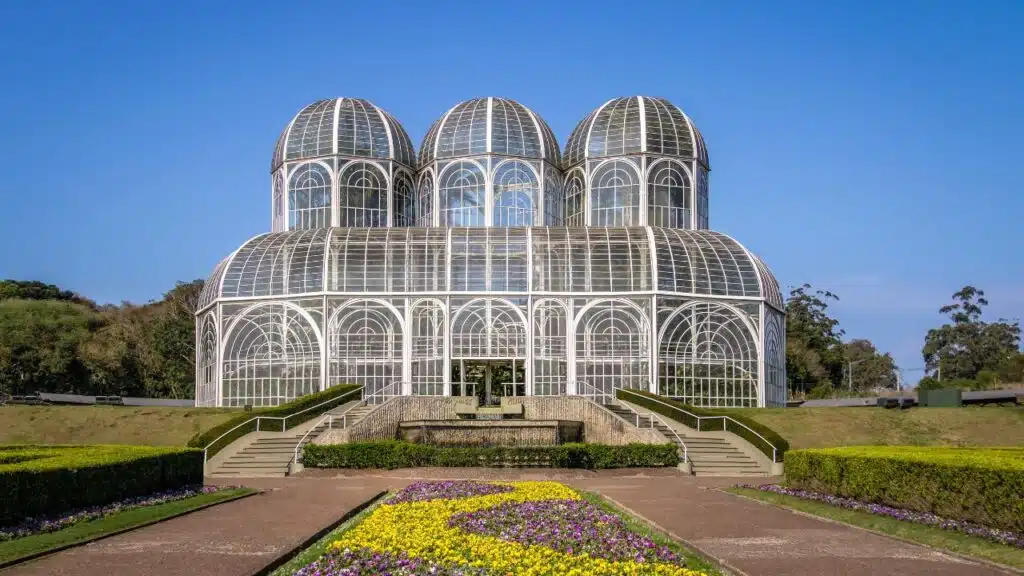
Recognized for its advanced Bus Rapid Transit (BRT) system and sustainable urban planning
Curitiba shines in smart cities with its Bus Rapid Transit system. This BRT moves people fast, like a train on bus lanes. Folks love it for cutting traffic jams. The city plans urban development smartly, focusing on sustainable practices.
It offers 94 million square meters of green space, a real breath of fresh air. Imagine parks everywhere, helping folks unwind.
Leaders push for climate change adaptation through PlanClimate from 2021. They aim for carbon neutrality by 2050, no small feat. Curitiba’s recycling rate hits 22.5 percent. The Green Exchange program handles 250 tons of waste each month, turning trash into treasure.
Tech boosts urban innovation too. The Health-Now app handled 800,000 remote consultations from 2020 to 2023. Businesses thrive here, with 363,000 companies including 7,543 tech firms.
Electric buses grow the fleet to 70 by 2024. Plans call for 33 percent zero-emission by 2030, and 100 percent by 2050. This setup fights urban challenges head-on.
São Paulo
Investments in smart traffic solutions and a robust innovation ecosystem
São Paulo puts big money into smart traffic tools. These help cut jams and boost flow in this busy spot. The city ranks high among top cities in southern and central Brazil for urban mobility.
Leaders use digital transformation to fight urban challenges like traffic and growth. Subnormal areas jumped from 6,329 to 13,151 in 743 cities between 2010 and 2019. That shows the push for better urban planning.
Now, think of it as a giant puzzle, where each piece fits with tech like internet of things for real-time fixes.
Innovation thrives here with strong ecosystems. The Brazilian Charter for Smart Cities from 2020 drives this, stressing social inclusion and sustainable practices. But it takes cash for these smart city solutions, plus teamwork across groups for fair tech access.
São Paulo links up with events like Smart City Expo Curitiba, which boasts over 65 exhibitors sharing ideas on artificial intelligence and iot. This setup sparks economic growth and tackles climate change head-on.
You see, it’s like planting seeds in fertile soil, growing a network that eases daily commutes for everyone.
Florianópolis

Focus on sustainable transportation, including bike lanes and public transit upgrades
Florianópolis pushes hard for sustainable transportation. The city builds more bike lanes to cut down on car use. People ride bikes safely now, dodging traffic jams like pros. Public transit gets big upgrades too, with faster buses and cleaner routes.
This helps fight climate change in Brazil’s growing urban spots. Imagine zipping through town on two wheels, feeling the breeze, while the city tackles urban challenges head-on.
Urban planners in Florianópolis mix smart city technology with green ideas. They add real-time apps for bus times, making rides smooth as silk. Bike shares pop up everywhere, linking with trains and ferries for easy trips.
Brazil’s urban population growth demands this kind of urban innovation. Folks here swap recyclables for perks in programs like Moeda Verde, tying waste management to better mobility.
It’s like giving the environment a high-five while you commute.
Vitória

City leaders in Vitória fuse IoT sensors
Development of multimodal transport solutions and smart infrastructure
Porto Alegre pushes forward with multimodal transport solutions. They blend buses, bikes, and walking paths into one smooth system. This approach tackles urban mobility challenges head on.
Imagine your daily commute like a well-oiled machine, no jams in sight. Smart infrastructure plays a key role here. It uses Internet of Things (IoT) devices to track traffic in real time.
City leaders focus on sustainable practices too. They cut emissions while boosting connectivity for everyone.
Teams in Porto Alegre innovate with data analysis to refine these systems. Artificial intelligence (AI) helps predict busy times and reroute vehicles. This keeps things efficient and green.
Picture chatting with a friend about how easy it got to zip around town, thanks to these upgrades. Urban development thrives on such smart city technology. It supports economic development and fights climate change effects.
Residents enjoy better access, making life in Brazilian smart cities feel alive and forward-thinking.
Belo Horizonte
Folks in Belo Horizonte tackle traffic woes with clever apps that track rides in real time, making daily commutes feel like a breeze. Imagine zipping through the city, where data tools powered by AI and IoT connect buses.
Use of smart technologies to improve traffic management and urban mobility
Rio de Janeiro shines in smart cities with its push for better urban mobility. The RIO+ plan targets a low greenhouse gas emissions zone by 2030. It boosts urban spaces and backs clean transport options.
Folks zip through the city on eco-friendly rides, cutting down on pollution like a breath of fresh air. Smart tech here tweaks traffic lights in real time, easing jams and speeding up commutes.
Internet of Things devices track flows, making sure buses and bikes sync up smoothly.
Niterói, tied to Rio’s vibe, amps up participatory budget with over 60 public consultations in five years. This feeds into digital transformation for urban development. They even scheduled 200 vaccine doses fast during the pandemic, showing quick adaptability.
In smart mobility, it means using apps for real-time data on routes, helping folks dodge delays. Think of it as a chatty GPS whispering shortcuts, all while fighting climate change with sustainable practices.
Takeaways
These Brazilian cities show us how smart mobility can change daily life, like turning chaotic streets into smooth rides. Imagine biking through Florianópolis or catching a quick bus in Curitiba, all thanks to clever tech and green ideas.
Cities across Brazil, from big São Paulo to smaller spots, join this wave with awards at the Smart City Expo, proving innovation boosts urban planning and fights climate change for everyone.
FAQs
1. Hey, what exactly pushes these Brazilian cities ahead in smart mobility?
Smart cities like Sao Paulo-SP use artificial intelligence (AI) and the Internet of Things (IoT) to fix urban challenges, you know, like traffic jams that feel like a never-ending line at the coffee shop. They focus on urban mobility with digital transformation, making rides smoother for everyone. This ties into sustainable practices that help adapt to climate change, turning chaos into something manageable.
2. Which spots in Brazil stand out as the smartest for getting around?
Brazilian smart cities such as Florianopolis and Ponta Grossa lead the pack in urban innovation. They blend e-government with smart city technology for better urban development.
3. How does climate change play into their smart plans?
These cities tackle climate change head-on with sustainable development goals (SDGs), like using clean energy sources to cut down on pollution. It’s like giving the planet a high-five while keeping things moving. Urban planning here includes water and sanitation upgrades that make life easier amid rising temperatures.
4. What’s the deal with IoT in these urban spots?
The Internet of Things (IoT) connects devices across urban infrastructure, boosting precision in traffic flow and energy use.
5. Do these cities boost jobs through their smart moves?
Yes, innovations in industry, innovation and infrastructure create employment in the digital economy. Think of it as planting seeds for a labor force that thrives on tech, especially in clusters around Brazilian states.
6. How do they measure up as sustainable cities?
They follow methodologies from the International Telecommunication Union for evaluations, focusing on metrics like housing affordability and environmental responsibility. This keeps things standardized, avoiding unsustainable favelization. Plus, it links to the Paris Agreement for real impact on global cities.