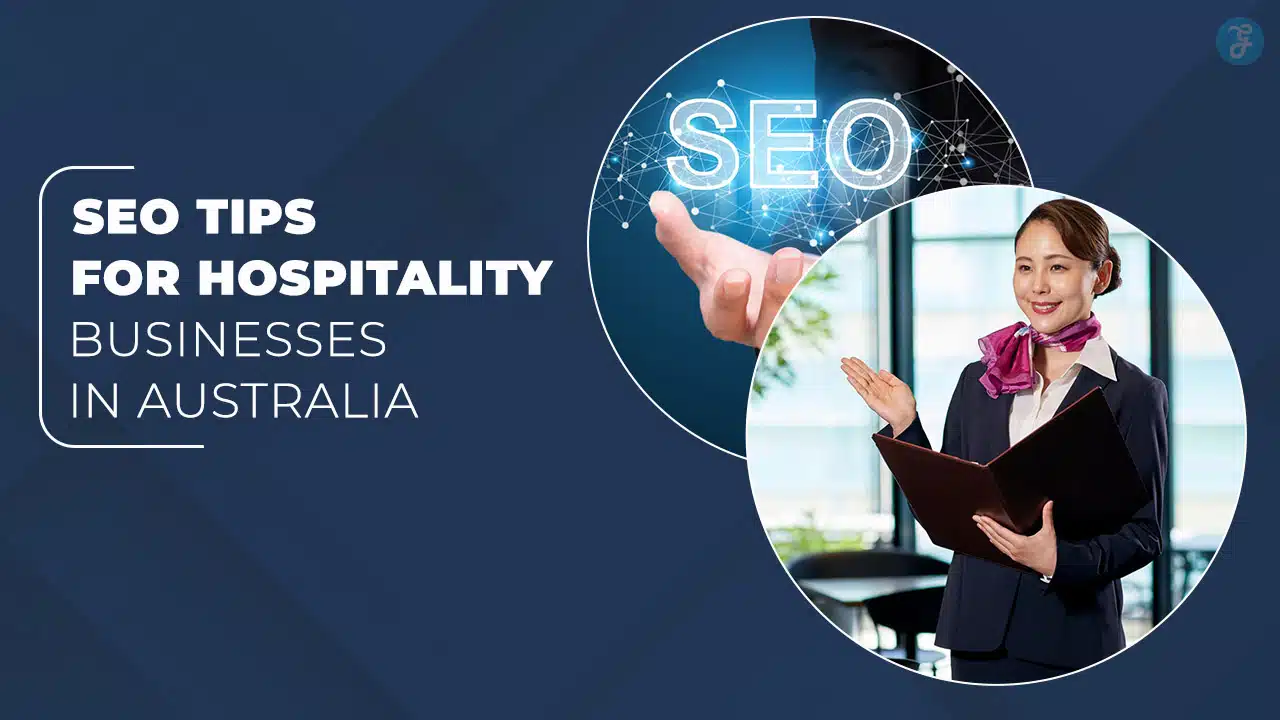
Running a hospitality business in Australia can be tough. Standing out online is harder when everyone fights for attention. Many hotels struggle to boost their rankings and get noticed by travelers.
Local SEO is a game-changer for small businesses, especially in the tourism industry. Research shows that strong local backlinks help hotels rank higher and attract direct bookings without paying high commissions.
In this blog, we’ll share seven easy-to-follow SEO tips just for hospitality businesses like yours. These tips will help improve your website’s visibility, bring in more guests, and grow your bookings.
Keep reading—you won’t want to miss this!
Optimize Your Website for Local Search

Make your business easy to find online. Focus on showing up in searches for your area.
Use location-specific keywords
Include geographic keywords in your website content, titles, and headings. Highlight areas you serve, such as “Sydney hotels” or “Melbourne bed and breakfasts.” Service area businesses (SABs) should create clear service pages that list cities they cover.
Use city names in URLs to boost local search rankings.
Add localized content like blogs about nearby attractions or events. This helps draw attention from potential guests searching for specific places. One idea is writing a guide for tourists visiting Australia’s Great Barrier Reef.
NAP details—Name, Address, Phone—should match everywhere online to avoid confusion and improve organic search visibility.
Local SEO isn’t magic; it’s giving Google the right map to find you, says every smart marketer!
Ensure NAP (Name, Address, Phone) consistency
Using location-specific keywords is key, but accurate NAP details are just as vital. Google depends heavily on your business name, address, and phone number to rank you in local search results.
If this information varies across online platforms, it confuses search engines and users. This inconsistency can harm your search engine rankings.
Keep your NAP identical everywhere—on websites, social media pages, directories like Yelp or TripAdvisor, and listings such as Google My Business. Update these any time changes happen.
For instance: a new phone number or address needs immediate corrections across all platforms to avoid losing customers or ranking positions.
Craft Compelling Meta Titles and Descriptions
Grab attention with catchy titles, so users click your link. Write clear, keyword-rich descriptions to boost search rankings.
Include targeted keywords
Meta titles should focus on primary keywords. This helps boost search ranking for your website. For example, if targeting “luxury hotels Sydney,” place it at the start of the title.
Search engine optimization (SEO) improves when titles match user searches.
Meta descriptions need action words like “Discover” or “Book now.” They grab attention and improve click-through rates (CTR). Avoid stuffing multiple keywords to prevent bad SEO results.
Regularly test page titles to align with your keyword strategy.
Action leads to engagement, so use words that inspire users to click.
Use this structure as you move forward into crafting visual content strategies.
Focus on click-through rates
Use titles and descriptions that grab attention. Include targeted keywords to match user searches. Make them short but clear, like “Book Luxury Hotels in Sydney – Best Deals Await!” This boosts interest and clicks on search results.
Most users don’t scroll past the first page, so your listing should stand out right away.
A good click-through rate means more visitors come to your website from search engines. Strong meta tags can improve this significantly by offering value upfront. Mobile optimization also plays a big role; one in three travelers books using mobile devices.
Quick load times help keep them engaged while choosing their stay online.
Leverage High-Quality Visual Content
Great visuals grab attention fast. They can make your property shine and set you apart from others.
Use professional images of your property
High-quality photos grab attention fast. Sharp, professional images show off your property’s charm and beauty. They let guests picture themselves there. This can spark interest and lead to more bookings.
Use bright lighting, clean spaces, and angles that highlight key features. Showcase cozy rooms, inviting pools, or stunning views that stand out online. Strong visuals build trust and leave a lasting impression on visitors browsing your site.
Optimize image file sizes and alt-text
Images can make your website more attractive, but large files can slow it down. Slow websites lead to frustrated users and lower search rankings.
- Reduce the file size of images without losing quality. Use tools like TinyPNG or ImageOptim to compress images before uploading them.
- Save image files in the best format. Use JPEG for photos, PNG for graphics with transparency, and WebP for a balance of quality and speed.
- Name image files with clear, keyword-rich descriptions. For example, use “luxury-hotel-room-Sydney.jpg” instead of “IMG1234.jpg.”
- Add alt text to every image on your site. Write clear descriptions with keywords so search engines and visually impaired users understand the content.
- Scale images to fit your page layout properly. Uploading giant photos slows things down even if they appear small on screen.
- Test how fast your site loads after adding images using tools like Google PageSpeed Insights or GTmetrix.
Next up is making your website mobile-friendly for better user experience and faster loading times!
Focus on Mobile Optimization
People search on phones more than ever, so your site must work well. Fast loading and easy scrolling can keep visitors happy.
Ensure a responsive website design
Your website should fit any screen, big or small. Mobile-first indexing by Google highlights this need. A responsive design adapts to phones, tablets, and desktops seamlessly. It reduces bounce rates and keeps users happy.
Clear text and easy navigation make a difference too. Poor layouts frustrate visitors fast. Accessible websites boost engagement and search engine rankings as well. This small change can lead to big rewards!
Improve loading speed on mobile devices
Mobile devices handle over 50% of all internet traffic today. A slow website can frustrate users and increase bounce rates. Compress images, reduce file sizes, and remove unnecessary plugins to speed things up.
Using tools like Google PageSpeed Insights helps spot issues quickly.
A Content Delivery Network (CDN) improves page load time by storing your data in multiple global servers. Combine it with a mobile-friendly design for better user experience and search rankings.
A faster site keeps visitors happy and boosts performance metrics heading into backlink strategies next!
Build High-Quality Backlinks
Partner with trusted local businesses to link to your site. Get listed on reliable directories for more credibility.
Collaborate with local businesses and influencers
Working with local businesses and influencers can boost your hospitality business. It builds connections and helps attract more guests.
- Create packages like “dine and stay” with nearby restaurants or attractions. These deals appeal to travelers looking for convenience.
- Team up on content creation, such as blog posts or travel guides, highlighting both your property and their services. This benefits everyone involved.
- Host networking events at your location and invite local professionals or influencers. Offer conference rooms or event spaces to strengthen community ties.
- Work with regional travel writers to promote your business through quality backlinks. Their audience may become future visitors.
- Share promotions on social media by collaborating with influencers from your area who align with your brand values.
- Build strategic alliances with tour operators or activity centers near you for joint marketing efforts that attract shared audiences.
- Attend community engagement events to connect and build relationships that expand promotion opportunities.
Submit your site to reputable directories
Submitting your site to reputable directories boosts visibility. It strengthens search engine rankings and improves local SEO for hospitality businesses.
- Start by claiming your Google Business Profile. Keep your Name, Address, and Phone details consistent across all platforms.
- Prioritize trusted directories like True Local, Yellow Pages Australia, Hotfrog, and ATDW. Many users in Australia depend on these platforms.
- Use keyword-rich descriptions in your profiles. Include phrases that resonate with travelers seeking accommodation or services.
- Upload high-quality photos of your property or services. Clear and appealing images encourage more clicks and interest.
- Track all submissions using a spreadsheet. Record login details, update dates, URLs, and any available promotional features.
- Build connections with local business directories. These improve brand visibility and enhance search engine trust.
- Respond to directory reviews if the platform allows it. Interact with customers professionally to establish credibility online.
- Regularly refresh directory listings with seasonal deals or offers you may be running to keep information updated.
- Ensure consistent data across all online listings or business citations, as inaccuracies can harm trust and negatively impact rankings.
- Use analytics tools to track traffic from these sites later to measure success and fine-tune strategies as needed!
Encourage Positive Guest Reviews
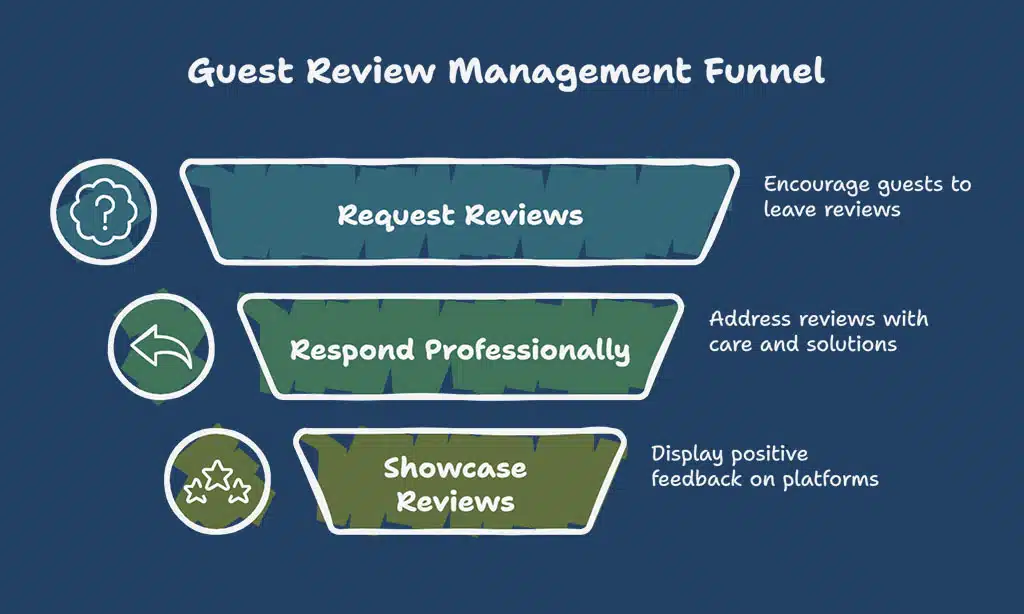
Happy guests can be your secret weapon. A kind word online works like magic for attracting new visitors!
Request reviews on Google and TripAdvisor
Guest reviews play a big role in growing your business online. They help build trust, improve visibility, and drive bookings.
- Ask guests for reviews before they leave. A happy guest is more likely to write a review while their experience is still fresh.
- Send follow-up emails after checkout. Add direct links to Google or TripAdvisor in the email to make it easy for them.
- Offer polite reminders at check-out desks or inside room brochures. A simple card with instructions can work wonders.
- Reply to all reviews quickly and kindly. Say thanks to positive feedback and address complaints professionally.
- Show off great reviews on your site or social media pages. This builds social proof and draws more attention.
- Teach your staff how to ask for reviews without being pushy, like after solving a guest’s problem or providing extra service.
- Use TripAdvisor widgets or Google review badges on your website for added credibility and better digital presence.
- Run small incentives like discounts for frequent reviewers (if allowed by the platform). It motivates guests without breaking rules.
- Remind guests how their feedback helps other travelers decide, boosting booking conversion rates later on!
Respond to reviews professionally
Taking care of reviews can build trust and boost your brand. A thoughtful response shows you care about guest feedback.
- Reply quickly to reviews, preferably within 72 hours. This shows you value timeliness and attention.
- Keep your tone polite, friendly, and professional. Never let emotions guide your reply.
- Thank reviewers for sharing their thoughts, whether positive or negative. Gratitude goes a long way in reputation management.
- If the review highlights an issue, apologize sincerely without making excuses. Guests appreciate honesty and service excellence.
- Offer solutions when addressing complaints. For example, if guests mention loud noises during their stay, explain steps taken to fix the problem.
- Avoid including marketing pitches in your responses. Focus on genuine engagement without upselling services.
- Use names whenever possible in replies to personalize communication if available in the review.
- Highlight any improvements made based on suggestions mentioned by customers to show your commitment to bettering the guest experience.
- Address false claims professionally with facts but stay respectful at all times. Never argue or point fingers at reviewers publicly.
- End every response with a kind invitation to visit again or contact directly for further assistance; this builds bridges and keeps conversations open!
Create Locally Relevant Content
Share stories about your area that spark interest. Use content that locals and visitors can both relate to easily.
Write neighborhood guides or event blogs
Writing neighborhood guides or event blogs is a smart way to connect with your audience. It builds trust, drives traffic, and promotes local tourism.
- Highlight local cafes, parks, and attractions in your blogs. Include addresses and opening hours so readers get all the details.
- Share transport tips like nearby bus stops or train stations. This helps travelers plan their trip better.
- Write about upcoming events or festivals in the area. Add dates, times, and ticket info for easy planning.
- Include routes for walking or biking around the neighborhood. Suggest scenic paths that lead to key spots.
- Showcase community partnerships by mentioning collaborations with local businesses or artists in your content.
- Mention cultural experiences like markets, museums, or art galleries visitors can enjoy during their stay.
- List family-friendly spots like playgrounds, zoos, or educational centers for parents planning trips with kids.
- Add insider tips on where locals love to eat or shop to make your guide feel authentic and personal.
- Create exploration guides that help guests discover unique corners of the town they might miss otherwise.
- Engage readers further by linking related sites for tickets, visitor information pages, or restaurant reservations.
Highlight local attractions and partnerships
Showcase nearby spots like parks, beaches, or famous landmarks. Guests love exploring local gems during their stay. Share blogs or guides about these places to build trust and attract more visitors.
Work with local stores, cafes, or tour companies for joint offers. For example, create packages that include a meal at a partner restaurant or discounted tours. Partnerships can also generate valuable backlinks and boost visibility online.
Monitor Performance with Analytics
Use tools like Google Analytics to see what works. Change your plan if something isn’t bringing traffic or bookings.
Track keyword rankings and traffic sources
Tracking keyword rankings and traffic sources is key for improving SEO performance. It shows what works and what needs fixing.
- Track your keyword rankings weekly to spot trends early. Keywords that slip in ranking can signal changes in search behavior or rising competition.
- Use analytics tools like Google Analytics, SEMrush, or Ahrefs for tracking. They show which keywords drive organic search traffic to your website.
- Check traffic sources regularly to identify where visitors come from. This helps focus on the most effective channels, like organic search or social media platforms.
- Watch competitors’ rankings closely for insights into their strategies. If a competitor ranks higher, it may be time to adjust your content strategy or boost backlinks.
- Review ranking metrics and traffic analysis data often for deeper insight into user behavior, like what pages they visit most or how long they stay.
- Use this information to refine your digital marketing approach over time. Make targeted updates based on the data you collect and adapt as trends change.
Regular monitoring keeps you ahead of the game!
Adjust your strategy based on data insights
To improve your SEO, rely on the numbers. Data shows what works and what doesn’t.
- Analyze performance metrics regularly. Look at website traffic, keyword rankings, and visitor behavior to find trends or problems.
- Make decisions based on data swiftly. If a keyword isn’t bringing visitors, substitute it with one that performs better.
- Use analytical insights for better alignment. For example, if most users leave after seeing your homepage, revise the layout to encourage greater user engagement.
- Concentrate on visibility improvements through modifications. Strengthen underperforming pages by optimizing their content based on traffic analysis reports.
- Examine audience insights thoroughly to address customer needs better. For instance, if users search for nearby attractions, create a blog about local places to visit.
- Implement changes as part of an ongoing improvement process over time. Small updates can cultivate steady growth in search rankings and web traffic.
Takeaways
Boosting online visibility isn’t rocket science. Local SEO, mobile-friendly design, and creative content make a big difference. Strong backlinks build trust and rank higher in search results.
Positive reviews show your business cares about guests. Quick strategies like using great photos or speedier sites grab attention fast. Start small but stay consistent for big wins.
Ready to grow? Take these tips today and see the impact tomorrow!