Seattle, WA – Based a block from Pike Place Market, Sapir Construction releases a practical 2025 guide for homeowners who want brighter rooms, stronger building envelopes, and smoother project delivery in Seattle’s rainy marine climate. The family-owned design build contractor focuses on layouts that improve daily routines, moisture control that actually works, and material choices that stay beautiful through long wet seasons. For readers of EIN Presswire, this briefing outlines what to plan, how to compare bids, and which assemblies deliver the most value per dollar in the year ahead.
Seattle homes blend early Craftsman details with mid century plans and newer townhomes. That mix means one size never fits all. The company’s approach starts with light, circulation, and measured plans, then aligns structural needs with finishes that match the neighborhood and climate. The result is a calm visual language with the performance to back it up.
What Seattle homeowners are prioritizing in 2025
- Light and flow: Keep the longest sight line open from entry to the brightest window so rooms feel larger and supervision is easier. Where privacy matters, use a glass pocket door to borrow daylight without giving up separation.
- Storage inside the architecture: Full height pantries with internal drawers, toe kick drawers for trays and linens, hallway cabinets for chargers and backpacks, and a bench with lift lids at the entry.
- Moisture management as a system: Balanced attic ventilation, correctly ducted kitchen and bath fans, and exterior details that drain and dry.
- Durable finishes that clean fast: Quartz or sintered stone counters, large format porcelain in entries and baths, engineered oak in living areas, and PVD coated hardware that resists coastal tarnish.
For owners who want to study scope options, finishes, and scheduling in one place, a curated overview of Home Remodeling Seattle helps align design intent with realistic calendars, allowances, and warranty coverage.
Kitchens that cook well and clean fast
Layout drives satisfaction more than any finish. In narrow rooms, a galley plus a peninsula secures long uninterrupted counters and keeps traffic out of the cook zone. In open plans, an L with a compact island adds prep space and social seating without crowding aisles. Venting matters in a marine climate. Choose a quiet, right sized hood ducted outside through a short, smooth, sealed run. Add under cabinet task lighting, two simple pendants over the island, and warm 2700 to 3000K lamps that counter gray afternoons.
Bathrooms built for daily comfort
Start behind the tile. Continuous waterproofing, properly sloped pans, and an exhaust fan on a timer protect framing and finishes. Curbless showers improve safety and make quick rinse downs easy after hikes or beach days. Floating vanities keep small rooms feeling wider and simplify mopping. Porcelain tile with low water absorption resists staining, while low iron glass keeps colors true in softer winter light. Radiant floor heat adds comfort without clutter.
Exterior envelopes that actually dry between storms
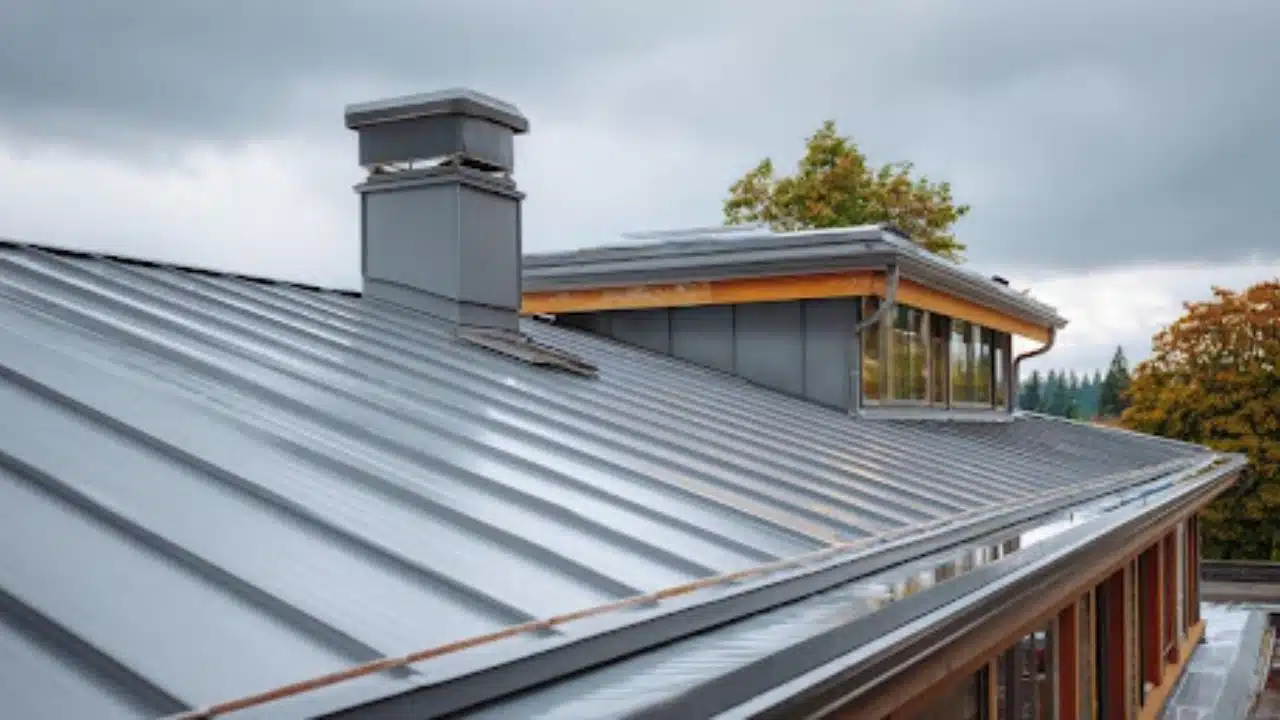
Seattle rewards assemblies that shed water quickly and then dry completely. Roofing should pair architectural asphalt with synthetic underlayment and peel and stick at eaves and valleys, or consider standing seam metal for long life and fast shedding. Use new step, counter, and kick out flashings at all transitions. For cladding, fiber cement or engineered wood installed over a ventilated rainscreen allows drainage and evaporation behind the siding. Windows and doors work best when they are double or triple pane with low E coatings, set on sill pans, and fully flashed at the perimeter. At decks and thresholds, specify composite or dense hardwood with positive slope away from doors and hidden fasteners that keep water moving.
Moisture control is a system, not a single product
Balanced attic ventilation requires comparable intake at soffits and exhaust at the ridge, with baffles at each rafter bay to keep air paths open. Air seal the attic floor around lights and chases before insulating so warm indoor air does not leak into cold zones. Kitchen and bath fans must terminate outdoors through insulated, sealed ducts. At grade, slope soil away from foundations, keep mulch below siding, and size gutters and downspouts for sudden bursts of rain.
Two layer budgeting that reduces stress
Successful projects separate the performance layer from the visible layer. Performance includes waterproofing, flashing, air sealing, ventilation, insulation, and safe electrical and plumbing. Visible includes cabinetry, counters, tile, lighting, and plumbing trim. Decide what must be premium and where durable standards work. Keep a 10 to 15 percent contingency for concealed conditions typical in older homes such as patched framing or legacy wiring. Itemized allowances for tile, counters, flooring, fixtures, and lighting let owners tune finishes without blowing the calendar.
Timelines Seattle owners can expect in 2025
Durations vary with inspections and product lead times, but these ranges help once construction begins. Kitchens typically run about 8 to 14 weeks. Bathrooms typically run about 3 to 8 weeks. Whole home interior refreshes land around 3 to 6 months. Additions or dormers range from about 4 to 9 months including engineering and exterior detailing. The most reliable schedules lock selections early, order long lead items up front, and maintain weekly updates with photo logs and inspection checkpoints.
To see current site practices, daily communication cadence, and recent project galleries, many owners connect with Sapir Construction to review process pages and plan a feasibility walk through tied to their preferred start window.
Homeowner checklist for apples to apples bids
- Measured plan completed before finish selections that shows door swings, window heights, and storage zones
- Written scope lines for demo protection, framing or layout changes, rough ins, insulation, drywall, millwork, counters, tile, paint, finals, and cleanup
- Moisture strategy with membranes, flashing details, fan sizes, and duct routes drawn on the plan
- Rainscreen notes for siding and intake to ridge ventilation math for attics
- Allowances with named brands or per square foot figures for tile, counters, flooring, lighting, and fixtures
- Schedule with start window, inspection checkpoints, and delivery windows for long lead items
- Communication plan with one project manager, weekly updates, shared photos, and a warranty process in writing
Why local expertise matters
Seattle’s code sequence, weather swings, and varied housing stock reward teams that self perform key carpentry, coordinate licensed trades, and publish shared schedules. Located at 1916 Pike Pl, the company’s method blends modern building science with Northwest craft. Homeowners get one point of contact from concept through punch list, clear photo documentation, and a service path after completion.
Bottom line for 2025
Lead with light and circulation. Choose materials that like humidity. Invest where durability and daily touch points overlap. Keep the schedule visible week by week and protect exterior scopes so interior work continues even when it rains. With a climate smart plan and disciplined sequencing, Seattle homes can feel brighter, calmer, and easier to live in through many rainy seasons.