You might waste money when your route planning leaves trucks stuck in traffic. Route optimization software can slash fuel consumption and speed up last-mile delivery. This guide shows ten simple solutions, like real-time tracking, predictive analytics, and cloud-based route planners, to cut costs and boost customer satisfaction.
Read on.
Key Takeaways
- Advanced route planning software cuts costs and time. Geoapify and Blue Yonder TMS save 15–30% on shipping. Uppers AI cuts planning time by 38%. Routific and OptimoRoute slash idle miles and fuel use.
- Real-time tracking gives full visibility. 75% of fleet managers use it daily. Companies report 35% fewer delays. EP Logistics and Blue Yonder TMS help reroute trucks and scan proof of delivery.
- Data analytics and order consolidation boost efficiency. EP Logistics cuts costs by 15% with freight analytics. Fleet analytics cuts fuel use by 20%. Bundling nearby orders and cross-docking cut empty trips.
- Last-mile tools and fuel-efficient routing save money and emissions. Route4Me handles 750 stops per route. Google Maps and IoT devices trim idle miles. Electric vans and drones cut fuel costs. 40% of businesses name fuel efficiency as a top goal.
- Scalable, automated systems drive ROI and sustainability. Route4Me and Blue Yonder TMS scale with growing fleets and meet EPA and DOT rules. 57% of buyers want sustainable delivery. Domino’s and FedEx pilots saved 15% on costs.
How can advanced route optimization software reduce transportation costs?
Advanced route planning and optimization software analyzes over one million routes in seconds. It uses historical results, real-time updates on traffic patterns, weather forecasts, and predictive analytics to pick the fastest paths.
Geoapify and Blue Yonder TMS cut costs by 15 to 30 percent on shipping. Uppers AI deploys machine learning algorithms to reduce planning time by 38 percent. Routific and OptimoRoute slash idle miles, lower fuel costs, and boost operational efficiency.
It also avoids bottlenecks to improve delivery times and customer satisfaction.
What are the benefits of real-time tracking systems in transportation?
Trackers feed shipment info to dispatchers and customers. Operators see each truck’s location on route planning software dashboards. They reroute around traffic in seconds. A leading carrier, EP Logistics, uses live tracking for full shipment visibility.
A transport management system, Blue Yonder TMS, powers on-the-go decision-making. Seventy-five percent of fleet managers depend on real-time tracking systems every day. Companies using live data report 35 percent fewer unexpected delays.
Real-time updates cut mistakes and speed deliveries. Drivers follow routes on a navigation app like Google Maps or Waze. Managers catch issues, like loading errors or theft, before they grow.
Teams send status texts and emails to boost customer satisfaction. Delivery accuracy climbs with proof of delivery scans. Fleet tracking adds supply chain visibility and ramps operational efficiency.
How does data and analytics improve route planning decisions?
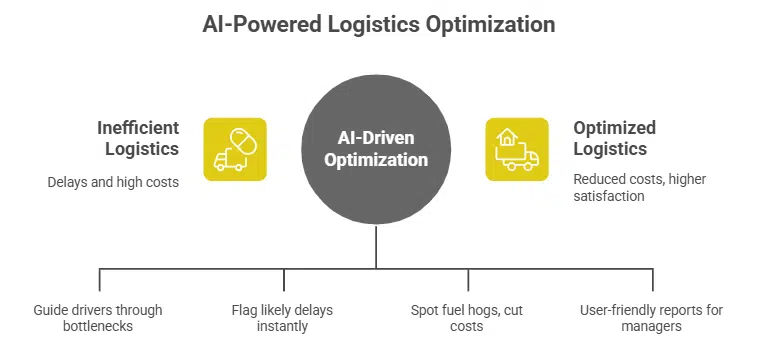
Data teams scan past delivery logs, live traffic feeds and weather alerts. Machine learning algorithms and predictive analytics flag likely delays instantly. EP Logistics taps freight analytics to cut costs 15%.
Real-time updates guide drivers through city bottlenecks. Deep learning models feed data from GPS trackers and on-board sensors. They craft new routes before jams form. The Google Maps app adjusts stops on the fly.
Operations teams watch on-time stats and tweak schedules to cut downtime.
Shipment insights use shipping analytics to predict order surges. Fleet analytics spot fuel hogs and cut fuel consumption and costs by 20%. AI tools learn from proof of delivery and field service notes.
They shake up route planning as traffic shifts. This lifts customer satisfaction and trims operational costs. Managers see user-friendly reports in route scheduling software.
How can consolidating deliveries help minimize trips?
Teams bundle orders that head to nearby stops, cutting empty trips and trimming fuel and labor. Gathering early and delayed shipments into one run drives down mileage. Cross-docking hubs merge loads fast, smoothing field service operations.
Partners share vans and drivers, slashing empty mileage under path planning apps.
Expedited parcels ride along local routes, so trucks avoid extra runs. A mapping solution solves the Vehicle Routing Problem, packing more stops per mile. Real-time tracking devices and collaborative scheduling tools sync drivers, shrinking idle hours.
This delivery density trick cuts fuel consumption and operational costs.
What strategies optimize last-mile delivery routes?
Last-mile tweaks slash fuel bills and speed up deliveries. Smart tools make fleets run lean.
- Deploy advanced mapping tools like Route4Me and Google Maps to find shortcuts, trim idle miles and cut emissions.
- Install IoT devices for real-time tracking, so dispatchers reroute around traffic, boost fuel efficiency and hit delivery windows.
- Group nearby orders with delivery scheduling systems to shrink total trips, lighten routes and lower operational costs.
- Place micro depots based on big data, so drivers refill closer to customers and speed up deliveries.
- Pick electric vans or drones for short hops, as artificial intelligence picks the greenest ride per job.
- Use route scheduling software with predictive analytics to spot peak times, adjust plans and avoid traffic jams.
- Adopt EP Logistics’ proven last-mile delivery methods to refine your network and cut expense per stop.
- Monitor driver habits via onboard sensors, coach for smooth driving and slash fuel consumption.
How can efficient scheduling reduce idle time?
Joint scheduling tools slash idle hours and speed service. They merge delivery windows across fleets and boost delivery optimization. Predictive analytics spot gaps and shift departure times to cut downtime.
Real-time tracking feeds data into map services and prompts timely detours around breakdowns or storms.
Incentivized low-cost slots raise delivery density and trim pause periods. Training drivers on new route scheduling software lifts on-time performance. Wellness perks lower driver burnout, keep crews rolling, and shrink idle time.
Collaboration among carriers lifts on-time rates by 25 percent and cuts idle hours further.
How do fuel-efficient routing strategies cut costs?
Fuel-efficient routing trims fuel use and slashes fuel costs. Smart route optimization software like Maptitude and MapQuest grabs real-time updates, steers drivers around traffic congestion, and speeds up delivery optimization.
UPS uses advanced analytics to slice miles and save fuel. Forty percent of businesses name fuel efficiency as a top goal. Each mile saved cuts fuel consumption and clears the air.
Companies also pack more stops into each outing, boosting delivery density to slash fuel use per trip. Eco-friendly trucks and vehicles fueled by cleaner energy hum quietly down highways, shrink fuel costs and cut pollution.
Route mapping technology helps teams spot gaps and tweak paths on the fly. Sustainable transportation gains real momentum through smarter fleet management.
What tools monitor driver behavior to improve efficiency?
Telematics systems log speed, idle time and route deviations in real time. Route4Me and Google Maps reroute drivers around jams, cutting fuel costs and backtracking. Seventy-five percent of fleet managers check driver scores every day through smart analytics.
AI tools crunch data on braking and acceleration to flag risky moves. Machine learning algorithms power dashboards that show fuel use and idle trends, boosting operational efficiency.
Feedback portals let drivers report road hazards or tech glitches, feeding new route plans and safety tips. Fuel, maintenance and downtime tracking highlights vehicle needs and cuts repair bills.
Staff training on these systems builds confidence and cuts errors. Open feedback systems fix app bugs or signal weak coverage, keeping delivery networks humming.
Why choose scalable solutions for expanding fleets?
Scalable route planning tools adapt as fleets expand, they handle more stops and depots. Route4Me platform handles up to 750 stops per route with bulk upload. Maptitude software sends dynamic routes for last-minute changes, it boosts reliability.
Blue Yonder TMS gives real-time visibility, and it runs automated planning to match growing demand. Descartes solutions manage multiple stops and depots, they ease expansion stress.
Advanced sensors and automation stretch delivery areas, they cut manual tasks. Fleet analytics tools track data spikes, they spot performance dips fast. Continuous optimization and predictive analytics drive cost savings and boost operational efficiency.
Real-time updates and proof of delivery tie into sustainable practices and happy customers.
How does automating route adjustments with traffic updates work?
Systems update routes when traffic shifts. This process cuts idle time and fuel costs.
- The system pulls live traffic data from mapping tools and mobile apps.
- Route optimization software runs complex algorithms to merge real-time updates with route plans.
- It taps ai and machine learning algorithms to forecast road slowdowns.
- Predictive analytics merge with historic flow to dodge rush hour jams.
- Drivers get real-time tracking cues, sat nav updates, and mobile alerts.
- Routes switch to slash miles driven and cut fuel costs.
- Delay cuts drop surprise holdups by 35 percent in live data trials.
- Weather or breakdown triggers auto rerouting to keep goods moving.
- Data logs track each shift to spot idle time and fuel usage trends.
- Engine tweaks from reinforcement learning refine future switches.
- UPS mimics ai methods to shrink travel and boost operational efficiency.
How can sustainable practices lower transportation expenses?
Retailers and shoppers seek green transport options. Studies show 57% of buyers want sustainable delivery, and 99% will cut environmental impact. EP Logistics uses green solutions under environmental regulations to shrink its carbon footprint.
Efficient routing cuts maintenance work, trims emissions, and stops needless miles. Each mile saved reduces fuel use and supports greener supply chains. Electric vans and delivery drones prove cost effective.
Cleaner trucks run quieter, lower noise fees, and emit less smog. Better brand image wins more loyalty under corporate social responsibility goals. Route4me and google maps drive delivery optimization with real-time tracking.
IoT sensors and predictive analytics help route planning and boost fuel efficiency. Reduced fuel consumption cuts operational costs fast.
What are the risks of using free or limited route planning tools?
Free route planning tools lack multi-stop optimization. Postal code based routing splits workloads and triggers compliance woes. Skipping real-time traffic updates can send operational costs and fuel consumption through the roof.
Basic route optimization software often fails to analyze 1,000,000 or more routes for big savings. They also can’t link to telematics or Google Maps for live ETAs. That leaves you guessing arrival times.
Free versions often cap stops at 750 per route. Some tools give only 3,000 free credits before you hit a wall. Upgrade plans cost $49.00 and up for advanced features. That paywall limits access to actionable data and stalls continuous improvement on delivery routes.
How do customer notification features prevent delivery delays?
Drivers send real-time tracking updates via Google Maps to show package location, boosting customer satisfaction and building control. Text alerts fire off ETAs from Route4Me, cutting missed drop-offs and confused customers.
A built-in proof of delivery photo stops “I never got it” claims dead in their tracks. Accurate GPS sensor data helps reroute around traffic congestion and avoids costly wait times.
Customers praise the ease of use in SMS and app alerts, while operations enjoy higher efficiency.
Smart route scheduling software lets users pick narrow delivery windows, so trucks never sit idle. Surveys guide tweaks for message tone or timing, plugging gaps before they cause trouble.
AI and predictive analytics monitor field service operations and flag late runs, so dispatchers tweak plans on the fly. On-time delivery rates climb above 95 percent, slicing operational costs and fuel costs alike.
How can tracking ROI lead to continuous improvement?
Tracking cost per mile and on-time delivery rates shows where routes waste fuel. Data from a digital map app and vehicle tracking tools pinpoint slowdowns and reroutes in real time.
Fleet analytics and predictive analytics software use machine learning algorithms to flag delays and suggest new paths. Historical records refine each new plan and trim operational costs.
Monitoring fuel consumption, maintenance, and downtime boosts total ROI. Teams save labor and speed dispatch by focusing on these ROI metrics. Driver and customer feedback enter the analytics loop and improve future schedules.
AI tools drive continuous improvement in route planning and delivery optimization.
Why is compliance with industry regulations important in route planning?

Authorities set strict load and emissions limits to cut pollution and boost safety. Ignoring rules can trigger fines up to tens of thousands. A missed rule can cost you more than lost miles; it can stall trucks for days.
EP Logistics links your fleet with the Customs-Trade Partnership Against Terrorism and helps you hit green targets under EPA laws. Internet of Things sensors, AI route optimization, and GPS trackers join forces to flag breaches before trucks roll.
Software flags zones with diesel caps, weight limits, and delivery windows for hazmat goods. Teams check updated DOT, EPA, and local laws in real time with automated systems and blockchain technology.
Skipping those steps can dent a brand’s reputation, and pile up costs in unexpected delays. Smart route planning keeps shipments legal, trucks moving, and fuel costs down.
How can piloting new solutions benefit full deployment?
Uppers drew more than 60 companies in its first pilot month. Firms grabbed 3,000 free credits to try the AI route scheduling software. Tools like Routific and OptimoRoute helped delivery networks see cost savings before they scaled up.
The trials cut fuel consumption and trim operational costs, even in heavy traffic. Teams can use real-time tracking to tweak delivery windows and proof of delivery.
Drivers can share feedback on mobile apps, so dispatchers fix tech hiccups before rollout. Domino’s and FedEx ran small tests with predictive analytics, and they saw 15 percent cost savings and better on-time rates.
Testing hybrid vans and biofuel trucks showed lower fuel costs and a greener footprint. Mapping platforms then refine delivery routes for true fleet management gains.
How do you customize route planning for specific industries?
Each sector demands custom route plans. Smart software cuts miles and time.
- Apply EP Logistics cost per mile metric in freight runs to spot pricey detours.
- Match trucks to cargo type and route length, slash fuel costs on long hauls.
- Deploy precise location data in retail zones, go beyond postal codes for tight city grids.
- Set flexible delivery windows for food delivery and link with real-time tracking updates.
- Integrate machine learning algorithms in e-commerce hubs to forecast parcels and plan stops.
- Add customs brokerage modules for foreign trade zones to smooth cross-border freight.
- Tap Descartes home delivery tips to boost fleet productivity and cut environmental impact.
- Use route scheduling software like Google Maps or Route4Me and tweak for field service operations.
- Track delivery density in retail and adjust stops to improve operational efficiency.
- Embed proof of delivery features and predictive analytics to lift customer satisfaction.
How does smarter fleet management reduce maintenance costs?
Smarter fleets run fewer miles each day. Route optimization software curbs redundant driving, which cuts wear and tear. AI and machine learning algorithms scan maintenance and fuel logs.
Predictive analytics flag parts that need service before trouble strikes. Real-time tracking feeds key signals on engine health and downtime. Nobody loves a roadside drama at midnight.
Load balancing avoids axle overload, which extends chassis life.
Energy efficient fleets lower fuel consumption and repair bills. Drivers follow dynamic routes from route4me or Google Maps to dodge traffic jams. Strategic scheduling slices idle time and labor costs.
Mobile proof of delivery apps log delays and quick fixes so you adapt routes fast. That agility prevents hefty repairs and extends vehicle life. Data driven planning slashes fuel, parts, and maintenance expenses.
What key metrics measure success and guide adjustments?
Readers, track these metrics to keep costs in check.
| Metric | What It Tracks | Tool Example | Target |
|---|---|---|---|
| Cost per Mile | Fuel and labor spend per mile | Zeo Route Planner with AI | Reduce by 30% |
| On-Time Rate | Percent of deliveries on schedule | Machine Learning dashboard | +15% in six months; +25% with partners |
| Delivery Density | Stops per route mile | Telematics system | Boost density by 20% |
| Customer Score | Survey ratings on speed and reliability | Delivery KPIs report | Achieve 4.5/5 |
| Route Waste | Unneeded miles driven | Zeo Route Planner | Cut waste by 30% |
| Review Cycle | Frequency of route adjustments | Fleet analytics tool | Weekly checks |
Takeaways
Make every mile count with predictive analytics, route4me, and Google Maps. Real time tracking drives speed and cuts idle time. AI route planning trims delays, lowers fuel use, and boosts customer satisfaction.
Field service operations gain proof of delivery and last-mile wins. Choose these tools to reduce costs, enhance efficiency, and grow profits.
FAQs on Route Planning Solutions
1. What is route planning software and how does it work?
Route planning software maps out delivery routes, it cuts fuel costs and traffic congestion by finding the best path. It links to delivery networks and field service operations, it speeds up urban transport, it jams less time in parking lots.
2. How does delivery optimization improve fuel efficiency?
Delivery optimization uses machine learning algorithms to spot slowdowns in real time. It shifts routes around traffic jams, it trims fuel consumption, it shrinks operational costs and carbon footprint, it makes climate change worries a bit smaller.
3. Can artificial intelligence help with proof of delivery and real-time tracking?
Yes, AI ties databases to real-time updates, it tracks delivery routes on an online map tool. It logs proof of delivery in seconds, it boosts customer satisfaction, it supports global supply chain visibility.
4. How do predictive analytics and demand forecasting aid last-mile delivery?
Predictive analytics crunches inventory and traffic data. It guesses peak delivery windows, it smooths out delivery schedules. It cuts idle time, it raises on-time rates, it eases consumer smiles.
5. What tools support route scheduling in the trucking industry and logistics services?
You can use a route scheduling app or route optimization software. They link to fleet management systems, they sync with robotic process automation for swift dispatch. They shrink the steep learning curve for planners and drivers.
6. How does smart route planning address environmental impact?
Smart route planning weds delivery optimization and sustainable choices. It reroutes bikes or electric vans for short hops, it limits fuel costs, it brushes off excess emissions, it lets businesses play a greener game.