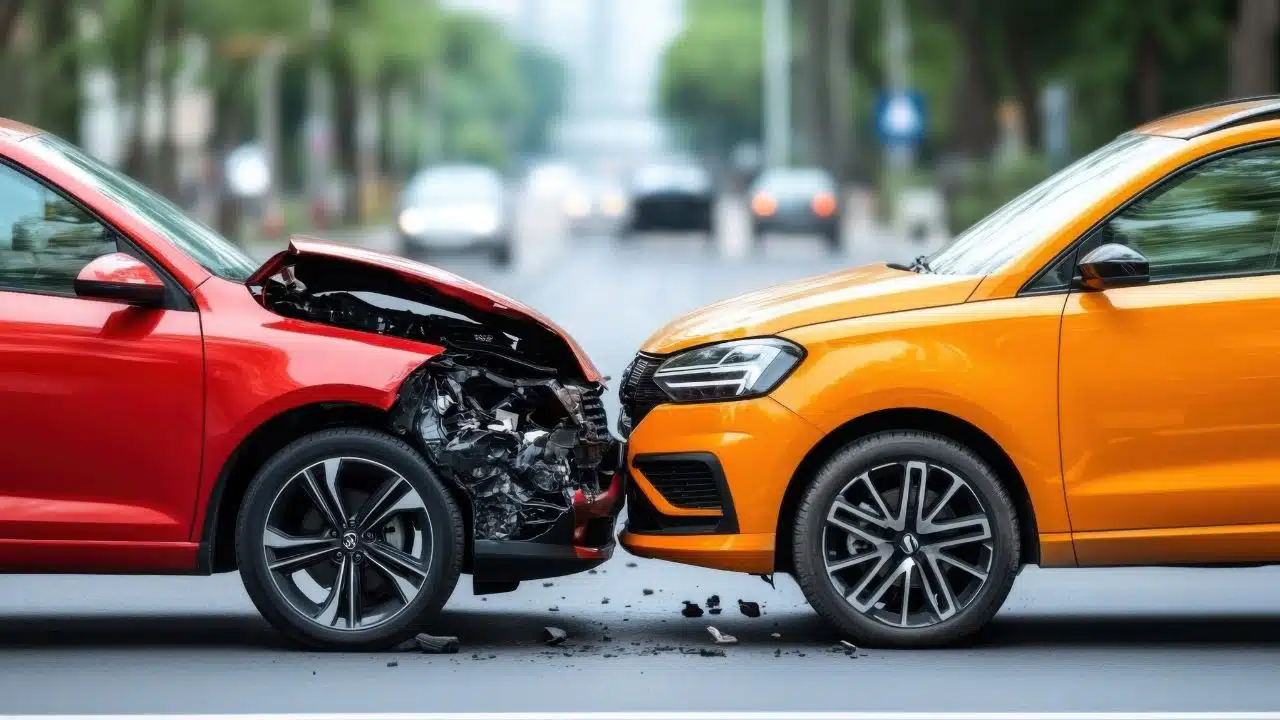
Many drivers assume their skills are enough to keep them safe, but even small mistakes can lead to serious accidents. Road crashes aren’t always caused by reckless behavior—routine errors and distractions play a major role.
Overconfidence, fatigue, and inattention create dangerous situations that could be avoided with better awareness. Simple changes in driving habits can make a significant difference in preventing accidents.
Keep reading to learn how to drive more safely and reduce the risk of road accidents.
Distracted Driving
Taking your attention off the road, even for a moment, can lead to serious accidents. Many drivers assume they can handle small distractions, but even a quick glance at a phone or adjusting the radio can cause a crash.
To stay focused and avoid distractions, follow these important guidelines:
- Put your phone away: Even quick glances at notifications or using hands-free devices can take your mind off driving. Keep your phone out of reach or on silent mode to avoid temptation.
- Limit in-car distractions: Adjust your seat, mirrors, and climate controls before driving. If you need to eat or drink, pull over instead of trying to multitask behind the wheel.
- Keep conversations brief: Talking to passengers can be distracting, especially during complex driving situations. If a conversation requires your full attention, wait until you’re parked.
Accidents caused by distractions are preventable. Staying focused behind the wheel protects you and others on the road. To stay informed about car accidents, consider reading resources like important tips for drivers in car accidents in Idaho or in your local area. These insights can help you understand local traffic laws, accident procedures, and ways to protect your rights after a crash.
Speeding
Driving above the speed limit makes crashes more severe and gives drivers less time to react. Many drivers speed because they are running late or feel confident in their driving skills, but higher speeds increase the risk of losing control.
To reduce the chances of accidents, the following are essential steps to take:
- Follow speed limits: Speed limits are set based on road conditions, traffic flow, and safety considerations. Ignoring them increases the likelihood of severe collisions.
- Adjust for conditions: Wet roads, fog, and icy surfaces make stopping harder. Driving at a lower speed in poor weather improves safety.
- Plan ahead: Rushing to make up for lost time leads to reckless driving. Leaving early allows for safer, more controlled driving.
Speeding reduces reaction time and increases stopping distance, making crashes more dangerous. Staying within safe speed limits helps protect both drivers and pedestrians.
Drunk or Impaired Driving
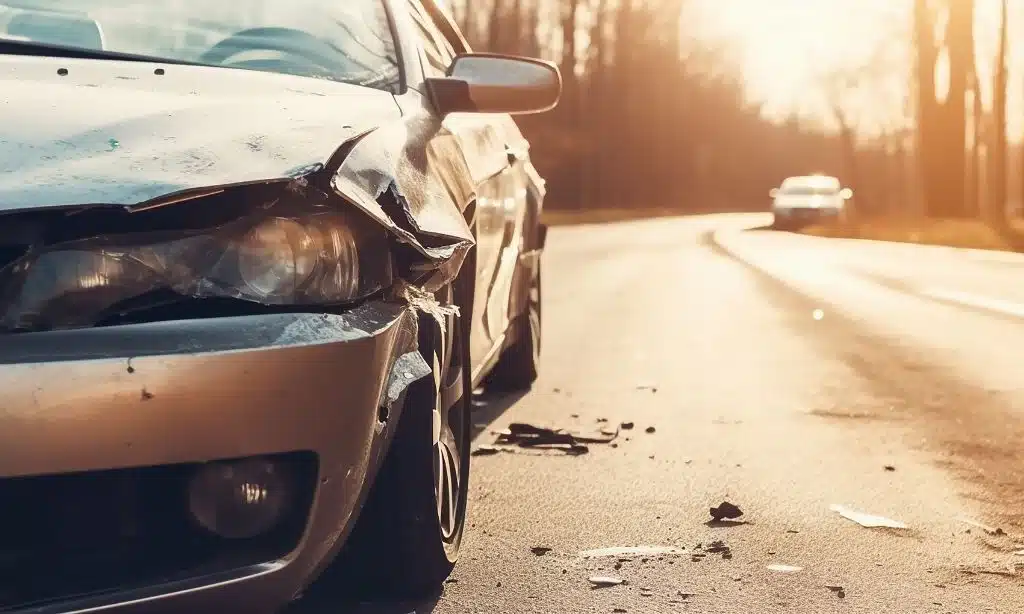
Alcohol and drugs affect a driver’s ability to make quick decisions and react to road conditions. Even a small amount of alcohol can reduce coordination and slow response times, making it dangerous to drive.
To avoid the risks of impaired driving, the following precautions should be taken:
- Use a Designated Driver: If you plan to drink, arrange for someone who hasn’t consumed alcohol to drive. Even if you feel fine, impairment can affect judgment.
- Call a Rideshare or Taxi: Rideshare services, taxis, or public transportation are safer alternatives. The cost of a ride is minimal compared to the consequences of a DUI.
- Know the Law: Each state has different legal limits for blood alcohol concentration. Some have zero-tolerance laws for young or commercial drivers. Understanding these laws can prevent legal trouble.
Driving under the influence puts lives at risk and carries serious legal penalties. Making responsible choices keeps the roads safer for everyone.
Following Too Closely or Tailgating
Driving too closely behind another vehicle is a common cause of motor vehicle crashes. Many drivers misjudge stopping distances, especially at high average speeds or in poor weather conditions. When the vehicle ahead suddenly slows down, tailgating leaves little room to react.
To reduce the risk of road traffic crashes, follow these essential safety measures:
- Maintain a safe following distance: Keep a minimum three-second gap between your vehicle and the one in front. At higher speeds or on highways, increase this distance to allow ample reaction time.
- Adjust for road and weather conditions: Wet, icy, or foggy roads require longer stopping distances. In these weather conditions, extend your following distance to prevent loss of control.
- Brake smoothly and predictably: Sudden braking can catch tailgaters off guard, leading to fatal motor vehicle crashes. Brake gradually and use turn signals early to warn other drivers of your intentions.
Leaving enough space between vehicles helps prevent avoidable road traffic injuries and gives drivers more time to respond to unexpected situations.
Fatigue and Drowsy Driving
Driving while tired affects reaction time and decision-making, increasing the risk of motor vehicle crashes. Many drivers fail to recognize fatigue until it’s too late, making drowsy driving a hidden danger on public roads.
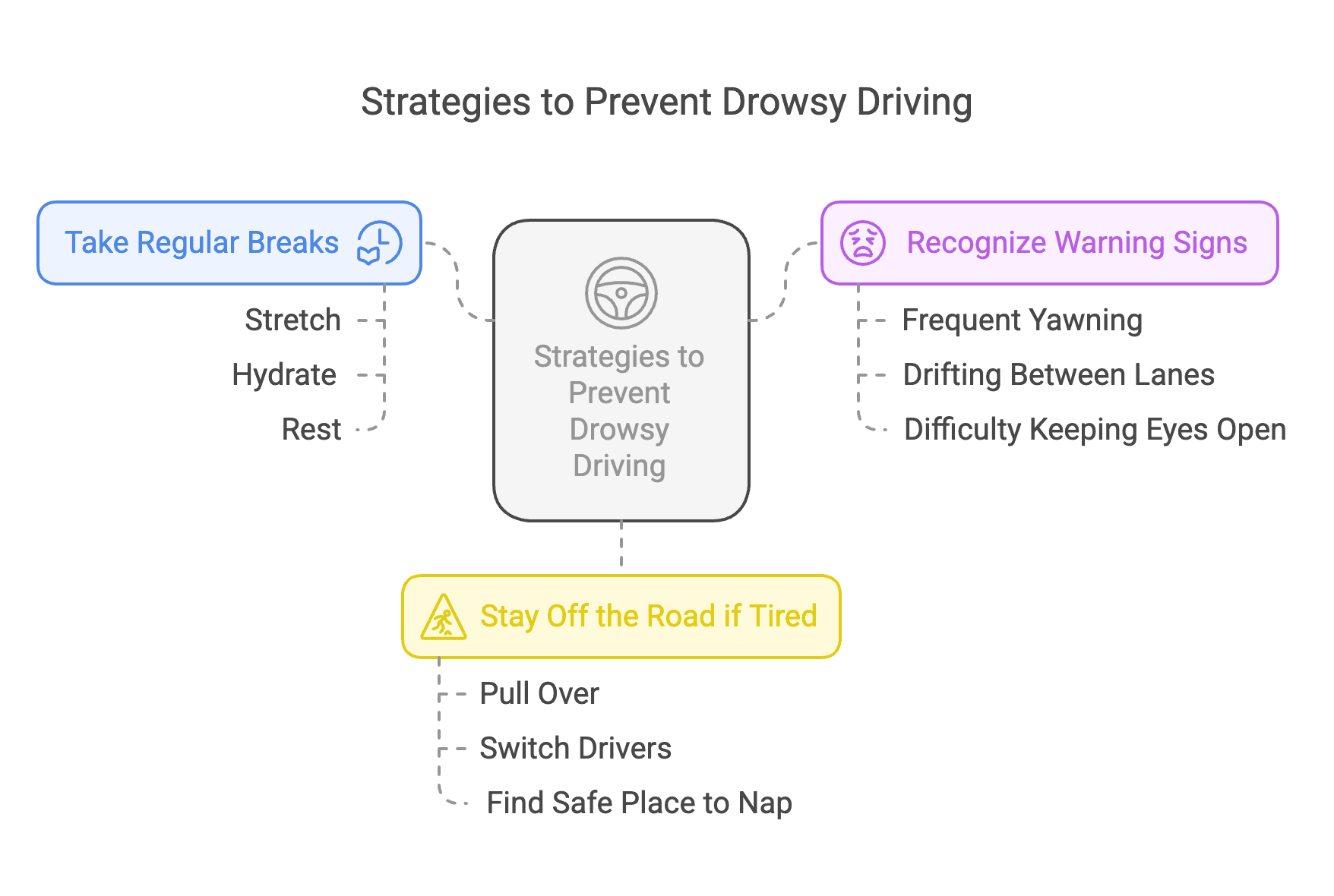
The following are important steps to reduce the risk of drowsy driving:
- Take regular breaks: Long drives can lead to mental and physical exhaustion. Stopping every two hours to stretch, hydrate, or rest can help you stay alert.
- Recognize the warning signs: Frequent yawning, drifting between lanes, or difficulty keeping your eyes open indicate fatigue. Ignoring these signs increases the risk of death from road traffic accidents.
- Stay off the road if you’re too tired: Pulling over in a safe location and resting is better than risking a fatal crash. If possible, switch drivers or find a safe place to nap.
Fatigue behind the wheel can turn a routine drive into a life-threatening situation. Staying rested and aware helps protect all road users from road traffic deaths caused by drowsy driving.
Takeaways
Many road accidents are preventable by making safer driving choices. Staying focused, following traffic laws, and being aware of risk factors can save lives. Whether it’s avoiding distractions, obeying speed limits, or never driving under the influence of alcohol, small changes can make a big difference. Taking responsibility behind the wheel helps reduce road traffic deaths and keeps public roads safer for everyone.