
The QS World University Rankings 2026 has been released, revealing the top global higher education institutions based on a wide range of academic and employability metrics. This year, the Massachusetts Institute of Technology (MIT) continues its reign at the top, holding the No. 1 position for the 14th consecutive year. Meanwhile, Stanford University makes a notable jump into third place, overtaking several of its global rivals, while the University of Cambridge experiences a significant fall, dropping to its lowest rank in five years.
These rankings, published by Quacquarelli Symonds (QS), evaluated over 1,500 universities from more than 100 countries and territories, based on nine performance indicators that reflect both academic excellence and global influence.
MIT Maintains the Top Spot with a Perfect Score
MIT’s continued dominance in the QS rankings is attributed to its strong performance across several key indicators. The university earned a perfect overall score of 100, reflecting its elite status in academic reputation, faculty research, and innovation.
Known globally as a leader in science, technology, and engineering, MIT also excels in graduate employability and global research collaborations, making it a consistent favorite among both students and employers worldwide.
Imperial College London Holds 2nd Place
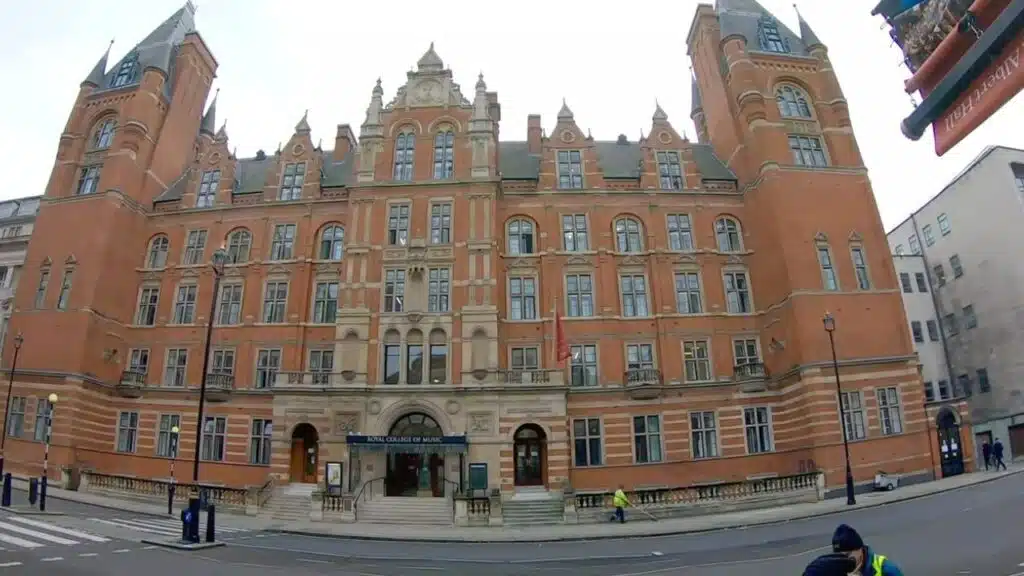
Imperial College London has firmly retained its second-place position in the 2026 rankings. This top-ranked UK institution is renowned for its focus on STEM (science, technology, engineering, and medicine), and has built a strong reputation for cutting-edge research, entrepreneurial development, and high employability outcomes.
Imperial’s sustained high ranking is supported by its exceptional student-to-faculty ratio, diverse international faculty, and increasing recognition among global employers and academics. Its continued focus on sustainability and interdisciplinary innovation has also played a significant role in holding its top-tier status.
Stanford University Climbs to 3rd Place
Stanford University, located in California’s Silicon Valley, has jumped from sixth place in 2025 to third in the 2026 edition. This marks one of the most significant upward moves within the top 10 and reflects improvements in multiple areas, including international research partnerships, sustainability, and employer reputation.
Stanford’s close ties with the tech industry, especially with companies like Google, Apple, and Tesla, enhance its value among students seeking innovation-driven education. Its diverse faculty and global outreach initiatives are increasingly being recognized in the QS evaluation model.
Oxford, Harvard Drop Slightly; Cambridge Falls to Sixth
This year’s rankings show slight drops for two of the world’s most prestigious institutions:
- The University of Oxford slips from 3rd to 4th place.
- Harvard University drops from 4th to 5th.
However, the most noticeable change comes from the University of Cambridge, which has now fallen to 6th place, its lowest position in the past five years. This decline may be tied to rising concerns over affordability, faculty-student ratios, and shifting government policies in the UK.
Cambridge, although academically outstanding, has become the most expensive among the top universities, especially for international students in certain programs.
Rounding Out the Top 10: ETH Zurich, NUS, UCL, and Caltech
The rest of the top 10 includes leading institutions from Europe, Asia, and the United States:
- ETH Zurich (Swiss Federal Institute of Technology) – Europe’s highest-ranked university, with strong performance in engineering, natural sciences, and low tuition fees.
- National University of Singapore (NUS) – Asia’s highest-ranking university, maintaining a top-10 presence for the third consecutive year.
- University College London (UCL) – A consistent UK performer, known for its research output and strong global reputation.
- California Institute of Technology (Caltech) – Famed for its intimate learning environment and excellence in science and engineering.
Tuition Fees: A Wide Range Among the Best
The cost of attending these top universities varies widely:
- University of Cambridge is now the most expensive, charging international medical students over $146,000 per year. This includes tuition, college fees, and living expenses.
- ETH Zurich, by contrast, remains the most affordable, with annual tuition fees of approximately $4,800, even for international students.
- In the U.S., top universities like MIT, Harvard, and Stanford charge between $51,000 and $65,000 per year in tuition, not including room, board, and other costs.
These tuition disparities reflect differences in government subsidies, endowment policies, and national approaches to education funding.
How QS Ranks Universities: 9 Key Indicators
The 2026 QS World University Rankings use a weighted system with nine indicators to assess institutions:
- Academic Reputation (30%) – Based on a global survey of academics.
- Citations per Faculty (20%) – Measures research impact.
- Employer Reputation (15%) – Based on feedback from employers.
- Faculty/Student Ratio (10%) – Assesses teaching capacity.
- International Faculty Ratio (5%)
- International Student Ratio (5%)
- International Research Network (5%) – Measures research collaborations across borders.
- Employment Outcomes (5%) – Tracks graduate career success.
- Sustainability (5%) – Evaluates the institution’s environmental and social sustainability initiatives.
This comprehensive methodology highlights a balance between academic strength, global engagement, and societal impact.
Country-Wise Representation: U.S. Still Leads, India and China Rising
- The United States remains the most represented country in the QS rankings, with 192 universities listed.
- The United Kingdom follows with 90 institutions, though over 60% of them fell in rankings this year.
- China has 72 universities, maintaining its strong presence.
- India saw 54 institutions ranked, up from 46 last year.
- Germany follows with 48 universities in the list.
Countries like Malaysia and Indonesia have also shown strong improvements, signaling a rise in the global academic landscape beyond traditional Western powers.
Concerns Over UK Universities’ Slide
Despite having four universities in the global top 10, the UK is witnessing a troubling trend. According to QS data, 54 out of 90 British universities have dropped in the rankings in 2026. Analysts point to several reasons:
- Reduced government funding
- New policies targeting international student enrollment
- Uncertainty around post-study work visa rules
- Inflationary pressure on research budgets
These issues are affecting both reputation and performance metrics, and education experts are urging the UK government to increase support for higher education.
Emerging Trends and Surprises in 2026 Rankings
- Sunway University in Malaysia made headlines for the largest upward jump, leaping more than 120 positions.
- IIT Delhi is now ranked 123rd, making it the highest-ranked university in India.
- Tsinghua University and Peking University continue to represent China strongly in the top 20.
- Universities with strong sustainability programs, such as University of Toronto and University of British Columbia, scored higher due to new weight given to environmental impact.
What These Rankings Mean for Students
The QS World University Rankings 2026 reflect both stability at the top and dynamic change across the broader global academic landscape. While iconic institutions like MIT, Stanford, and Imperial continue to dominate, others such as Sunway University and Indian Institutes of Technology are catching up fast.
For prospective students, these rankings provide a useful—but not definitive—guide. Factors such as tuition affordability, graduate employability, research strengths, and international exposure should all be considered alongside rankings when choosing where to study.
As global challenges evolve, universities will increasingly be judged not just on academic excellence, but on their contribution to a sustainable and inclusive future.
The Information is Collected from Time Out and MSN.