In the dynamic space of modern business, managing product information efficiently is crucial for success.
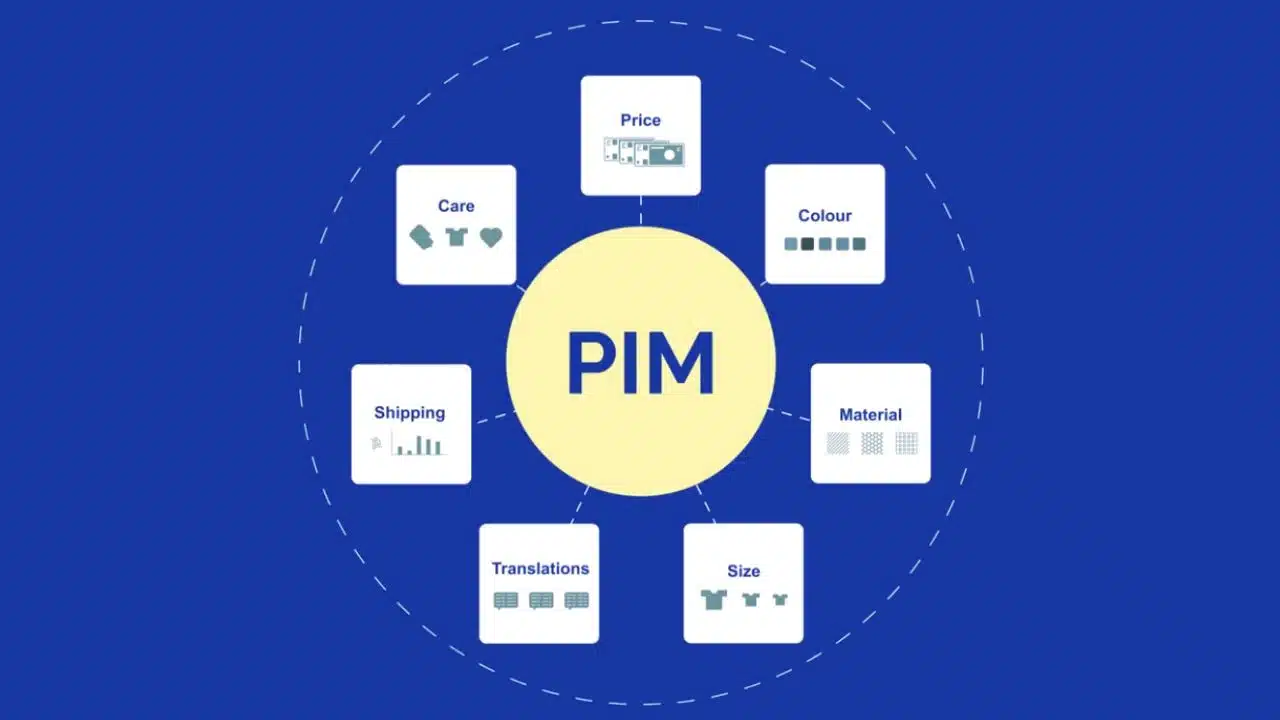
This is where a Product Information Management (PIM) system comes into play, serving as a central hub for organizing, enriching, and distributing product data.
Without a robust PIM solution, businesses ?often face challenges related to data inconsistency, time-consuming manual processes, and hindered growth potential.
What Is a PIM System?
A PIM system implies a comprehensive solution designed to streamline the management of product data. It acts as a centralized repository where businesses can organize and enrich their product data, ensuring consistency across various channels and touchpoints.
Key Considerations on Choosing the Right PIM System
Selecting the right Product Information Management (PIM) system is a pivotal decision that can profoundly influence your business operations and growth.
To ensure that the chosen PIM system aligns seamlessly with your unique needs and objectives, consider the following key factors:
Understanding Your Business Needs
The first step in selecting the right PIM system is understanding the specific needs and goals of your business.
Take a deep dive into your current business processes. Identify areas where manual data management is time-consuming or error-prone. Engage with key stakeholders to understand their pain points and gather insights into the desired outcomes from a PIM system.
This holistic understanding will lay a foundation for choosing a PIM solution that aligns with your business objectives.
Defining Key Features and Functionalities
Identifying the core features and functionalities is essential for your business operations.
Define the specific features that are crucial for your business. For instance, if your product data is complex, ensure that the PIM system supports advanced data modeling.
Evaluate your workflow requirements and choose a system that can streamline processes. Consider integration needs, such as compatibility with e-commerce platforms, to ensure a smooth flow of information across your business ecosystem.
Scalability
Scalability is paramount for businesses anticipating growth since a scalable solution ensures that your PIM system can accommodate the increasing complexities of your business without compromising performance.
Consider factors such as the introduction of new product lines, expansion into new markets, or an increase in the number of users accessing the PIM system.
Ensure that the chosen PIM solution can scale accordingly without sacrificing performance or requiring a complete overhaul.
Flexibility and Customization
Customization capabilities should align with your specific requirements and allow the PIM system to integrate seamlessly with existing processes and technologies.
Evaluate the adaptability of the PIM system to your business’s unique processes. Consider how easily the system can be personalized to accommodate changes in data structure or workflow.
A flexible PIM system enables you to mold the solution to fit your business rather than forcing your business to fit the limitations of the system.
Ease of Use and User Adoption
An intuitive user interface is vital for user adoption and overall efficiency.
Choose a PIM system that is user-friendly since a system that is easy to navigate enhances productivity and ensures that your team can maximize the benefits of the PIM solution.
Consider the technical proficiency of your team. Opt for a PIM system that aligns with the skills of your workforce.
Training time and costs can be significantly reduced with an intuitive interface, leading to quicker adoption and increased acceptance.
Finally, make sure that the user experience is seamless and that the system promotes collaboration among team members.
Integration Capabilities
Integration with other business systems, such as ERP, CRM, and e-commerce platforms, is vital since a PIM system that smoothly integrates with existing systems ensures a unified and synchronized flow of information throughout your business.
Examine the existing software landscape within your business. Identify the key systems that need to communicate with the PIM system.
Consider the compatibility and ease of integration to avoid data silos. A well-integrated PIM system streamlines processes and ensures that your product data remains the same across all touchpoints, enhancing the customer experience.
Data Governance and Quality Control
Maintaining data accuracy and consistency is a priority for any business.
A PIM system with robust data governance features and quality control mechanisms, such as validation rules, ensures that your product data remains reliable and error-free.
Understand how it enforces data quality through validation rules, version control, and data enrichment features. Robust data governance not only ensures the accuracy of your product information but also establishes a foundation for regulatory compliance and customer trust.
Vendor Reliability and Support
Choosing a reliable vendor is crucial for the long-term success and sustainability of your PIM implementation.
Research the reputation of PIM vendors in the market. Look for case studies and customer testimonials to gauge their track record.
Also, consider factors such as the vendor’s responsiveness to customer queries, the frequency of software updates, and the overall quality of customer support. A reliable vendor ensures that your PIM system remains fresh and well-maintained throughout its lifecycle.
If you want to ensure you get a reliable and tailored solution for your business, consider exploring these PIM development services.
Conclusion
Choosing the right PIM system is a pivotal decision that can significantly impact your business operations.
By understanding your business needs, prioritizing key features, ensuring scalability, embracing flexibility, and considering factors like user adoption and integration capabilities, you set the foundation for a successful PIM implementation.
Remember, the right PIM system not only overcomes existing challenges but also goes in line with your long-term business objectives, paving the way for sustainable growth and efficiency.