Do you feel lost when you track stock charts, crypto rates, and risk scores? You open one app for technical analysis, then switch to a trading bot, then to a trade journal. You waste time, miss key signals, and feel swamped by market data.
Fast access to liquidity can speed up your order execution and help you lock in the best price. We list 7 painless trading tools that cover automated trading bots, risk management calculators, charting tools, and portfolio management apps.
You will learn to use TradeSanta, run chart studies on TradingView, log your moves in a journal, and test backtesting strategies in MetaTrader. Ready to boost your trades?
Key Takeaways
- Use bots like TradeSanta and Cryptohopper to trade on Binance, Coinbase Pro, and Kraken. They spot volume spikes, run 24/7 trades, and hide big orders with iceberg or TWAP.
- Keep a trade journal and use a risk/reward calculator to set stop-losses, size positions from your account balance, and track max drawdown and Sharpe ratio.
- Use TradingView charts and a stock screener to spot candlestick patterns, RSI, Bollinger Bands, and filter assets by volume, price, or fundamentals.
- Track your investments with a portfolio tracker that ties to MetaTrader 4, Binance, and Coinbase Pro. It shows heat maps, gains, and tax data in one view.
- Set alerts in an economic calendar for Fed meetings, GDP releases, and jobs data so you can plan entries and adjust stop-losses before big moves.
Automated Trading Platforms

An AI crypto bot handles your buy and sell calls with preset rules, you grab a coffee, it guards your gains. It spots volume spikes, sets stop-loss orders, and fires orders fast, even when you sleep.
TradeSanta: Simplify strategy execution with automation
TradeSanta links your portfolio to Binance, Coinbase Pro, and Kraken. It sets trading bots to run all day, all night. You pick iceberg and TWAP orders to hide big moves. You tap into cross-exchange arbitrage and catch price gaps.
You set up API key restrictions and pair a Ledger Nano S for added safety. The tool shifts your assets with auto rebalancing rules. It reacts fast to spikes in volume and market trends.
It cuts manual steps so you trade smarter.
Cryptohopper: Optimize efficiency with customizable bots
Customizable bots run around the clock on Cryptohopper, trading pairs across Binance, Coinbase Pro, and Kraken. They execute cross-exchange arbitrage and auto rebalance digital assets to chase price gaps.
Users link hardware wallets and set API key restrictions for added security. The platform taps into DeFi protocols to widen trading options. You get real-time alerts on volume spikes and sudden market swings.
Traders pick strategies from AI trading bots or build their own with RSI and bollinger bands. The dashboard blends charting tools and technical indicators with simple dashboards, like a social trading feed.
It suits swing trading, futures trading and spot orders in one place. Alerts nudge you to set stop-loss orders and hedge risk exposure. This tool slashes manual work and amps up trade execution speed.
Risk Management Tools
These watchdog tools keep your risk in check from the first click. A profit estimator maps out potential losses, a trade diary logs every play, and stop-loss orders stand guard on your capital.
Trading Journal: Track and analyze your trades effortlessly
Traders log every buy and sell in a journal, they mark entry points, record stop loss orders, note market trends at play. That record paints a clear map of strengths and slip ups. Journal entries show risk management insights and capital gains in one view.
Many trading tools, even charting tools such as TradingView, now include journal modules, so you switch screens less.
Each note can list a trade rationale, risk metrics, post trade reflections. You adjust strategies based on real data, not gut feelings. This habit drives continuous learning, and day traders sharpen decision making over time.
Journal data can feed AI trading bots or portfolio management tools, boosting performance for digital assets.
Risk/Reward Calculator: Evaluate potential outcomes quickly
Risk/Reward Calculator factors in account balance, desired risk per trade and stop-loss distance. It projects the optimal position size and shows real-time risk metrics, working like a GPS for your risk exposure.
In seconds, you get ratio charts that guide your trade execution on CFDs, futures or digital assets.
Scenario analysis tools let you model portfolio outcomes under bullish or volatile market trends. Inclusion of maximum drawdown and the Sharpe ratio gives a fuller risk profile. Fast evaluation of risk/reward ratios supports disciplined day trading and swing trading decisions.
You can link this calculator with other portfolio management tools for automated risk management.
Market Analysis Tools
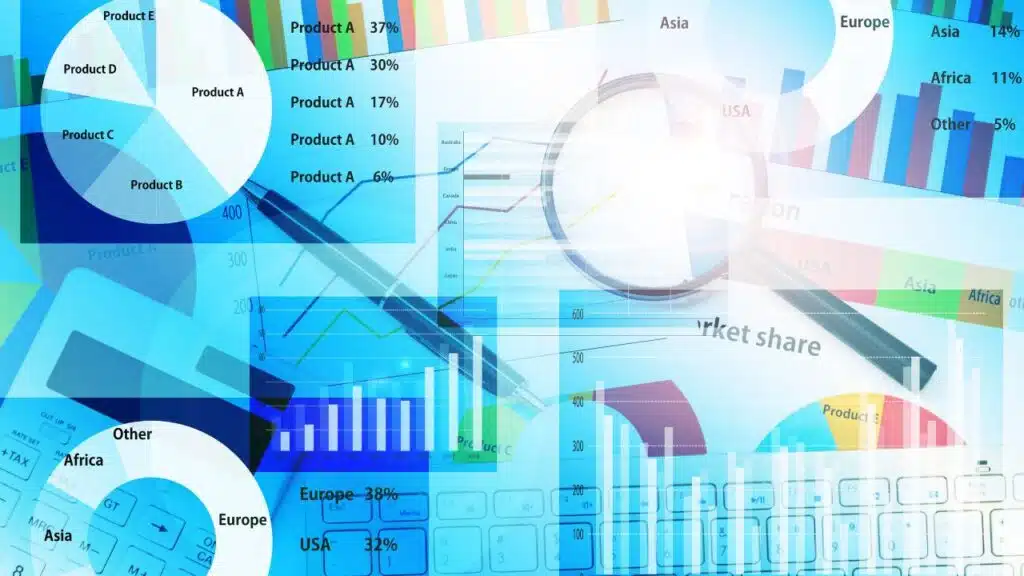
Charting platforms turn price points into visual guides, using price charts and momentum indicators to help traders spot shifts fast. Screening tools scan markets in seconds, flagging assets that match your volume and volatility filters.
TradingView: Access advanced charting and analytical features
Traders tap real-time data feeds and Level II visuals, they harness charting tools for fast decision-making. It offers versatile technical analysis tools like candlestick charts, RSI lines, Bollinger Bands, MACD bars, and on-balance volume.
Desktop, browser, and mobile apps sync seamlessly, you move from desk to on the go without missing a beat.
Day traders love its alert system and advanced order types, they set stop-loss orders on breakout levels. Pattern detection spots double tops, flags, and volume spikes, code custom scripts or use prebuilt studies.
Backtesting warns about risk exposure, so you refine entries and trade with more confidence.
Stock Screener: Identify profitable trading opportunities
A robust stock screener filters equities by market cap, volume, price, and technical indicators in seconds. Swing traders use screeners with charting tools and ai trading bots to catch volume spikes and sell signals.
The user-friendly tool sorts digital assets and equities by relative strength index, bollinger bands, or fundamental data, fueling data-driven trade execution. It taps real-time feeds from portfolio management tools, social sentiment polls, or web scraping to track market trends and crypto trading clues.
Some stock screeners run backtesting strategies inside a trading simulator or software like TradeStation and Tradier by integrating price history. Investors apply stop-loss orders and risk management while scanning thousands of stocks for value stock picks in minutes.
Portfolio Management Tools
Treat your investments like a garden—prune risk exposure, and tend your asset allocation. Check the next section for a finance dashboard that tracks capital gains, market volatility, and hedging strategies.
Portfolio Tracker: Monitor and manage your investments seamlessly
The portfolio tracker shows stocks, foreign exchange, commodity futures and Ethereum in one view. Real time data feeds track price moves for market trends. Heat maps flag risk exposure and diversification gaps.
A built in ledger logs dividend payouts and capital gains tax. Max drawdown and Sharpe ratio metrics guide risk management.
It ties into MetaTrader 4, Binance, and Coinbase Pro for one click trade execution of CFDs and futures. Trading signals, volume spikes and technical indicators like Bollinger Bands help refine your plan.
Swing traders spot day trading setups fast. You manage your digital assets on your phone, tracking positions on the go.
Backtesting Software
I test my swing trading ideas on a trading terminal, spotting flaws before I go live — read on to learn how backtesting boosts your edge.
MetaTrader: Test strategies before trading live markets
MetaTrader runs backtests on forex and CFD strategies using Expert Advisors and built-in technical analysis indicators like Bollinger Bands. It pulls years of historical data so your trading bots face real market swings, aiding your risk management.
Strategy optimization tools adjust entry, exit, stop-loss, and take-profit rules automatically.
The platform shows performance metrics and detailed charts so you see how your system handles market volatility. Demo accounts let you forward test your rules before risking real capital.
Economic Calendar
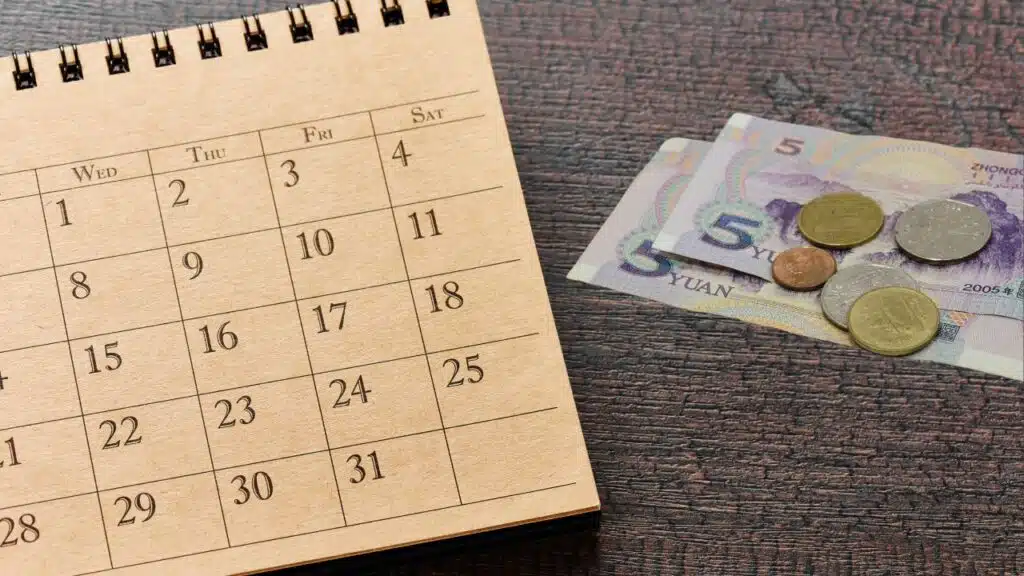
An economic calendar lists key data releases, like interest rate announcements, GDP reports and jobs numbers. You can use charting tools or Benzinga Pro to watch these dates, plan your entries, and catch volatility spikes.
Stay updated on key market-moving events
Traders set alert systems to ping them before economic releases, earnings calls, or geopolitical updates. These alerts stream real-time data on inflation, unemployment, and GDP numbers.
A mobile app can send trading signals or push notifications for Federal Reserve announcements or trade balance reports. Each flash keeps day traders ready for volume spikes, price swings, and shifting market trends.
Market analysis tools tie calendars to trading desks, so stop-loss orders adjust after central bank meetings. Users pick events by asset class or region, from currency trading to commodities.
Some services show consensus forecasts and track deviations from estimates. This helps risk management and hedging strategies, so stock investors dodge sudden losses in equities or digital assets.
Takeaways
Painless trading tools slim your task list. An automation bot and an AI bot let you run strategies on digital asset and CFD platforms. Risk management calculators and a trading journal guard your capital when markets shift.
Charting service or a screener spot new trends fast. A portfolio tracker and a backtesting platform prove your plan before you trade live. A live market events calendar flags big moves hours ahead.
Pick your favorites, tweak them to fit your style, and enjoy a simpler workflow.
FAQs
1. What are some painless trading tools that simplify my workflow?
Charting tools spot trend shifts, with clear graphs. AI robots handle automated trading, trade execution fast, without errors. Portfolio management tools track capital gains and risk exposure in one view. Crypto tax tools log digital asset profits and fees. Physical wallets store your coins offline.
2. How do I manage risk with these trading tools?
You can set stop-loss orders to cut losses. Hedging strategies act like a safety net. Derivative contracts trading gives more ways to balance risk. Risk management tools watch market volatility, track price swings, note shifts in monetary policy.
3. Can I use these tools to trade cryptocurrencies?
Yes, these tools work for crypto trading on crypto exchanges, or on peer to peer platforms. You can link physical wallets for cold storage. Social trading lets you follow top traders. Trading tools cover cfd trading, digital assets too.
4. Which tools help with real market analysis and technical analysis?
Graphing tools on technical analysis software show technical indicators, like Bollinger bands. You can scan for volume spikes, pattern recognition in seconds. Benzinga Pro alerts you to news and market sentiment. Futures trading charts give clear day trading signals.
5. Can I automate my trading strategy?
Yes, automated trading uses trading algorithms and AI robots. Backtesting strategies run in seconds, they test your methods on past data. You can tweak trade execution rules, add stop-loss orders. These robots don’t ask for coffee breaks or holidays.
6. How do I handle capital gains and taxes on crypto?
Crypto tax tools calculate your profits, losses, and record gains. Portfolio management tools log every trade, they sort data like Google Analytics tracks traffic. This saves hours on your tax filing.