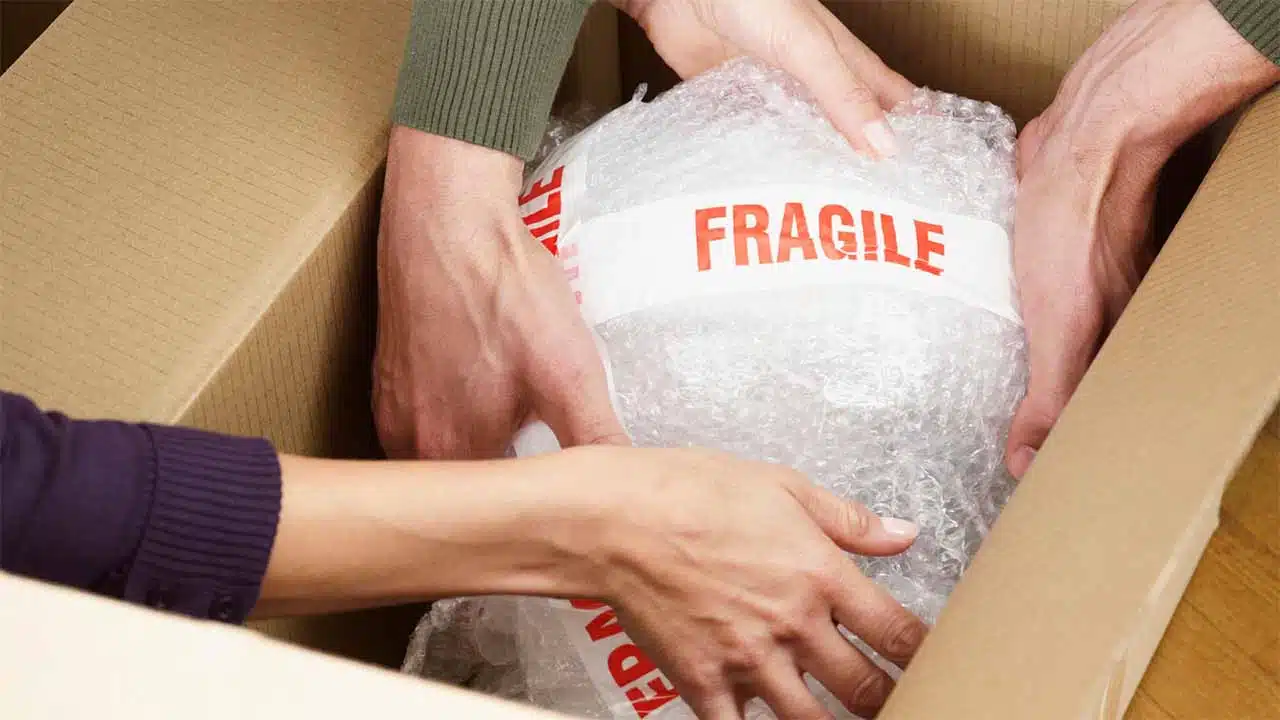
Moving can be stressful, especially when it comes to packing fragile items. Your cherished belongings need extra care to arrive at your new home in one piece. Packaging these items properly is critical, from delicate glassware to valuable antiques.
The proper packing methods can make all the difference in protecting your fragile items during a move. You’ll want to use the best materials and techniques to protect your valuables.
With some planning and careful wrapping, you can significantly reduce the risk of damage. Let’s explore how to pack your breakables so they survive the journey unscathed.
1. Use Bubble Wrap Extensively
Bubble wrap is your best friend when packing fragile items. It’s a flexible, cushiony material that absorbs shocks and prevents breakage.
Start by wrapping each delicate object individually. Make sure the bubbles face inward, touching the item directly. This gives the best protection and grip.
Cover the entire surface of your fragile item with bubble wrap. Pay extra attention to corners and edges, as these are most prone to damage.
For extra safety, use multiple layers of bubble wrap. Two or three layers can make a big difference for very delicate items.
Don’t forget to secure the wrap with packing tape. This keeps everything snug and in place during transit.
When placing wrapped items in boxes, add extra bubble wrap between them. This prevents them from bumping into each other.
Fill any empty spaces in the box with more bubble wrap. A tightly packed box is less likely to shift during transport.
Remember never to use too much bubble wrap when protecting your valuables. It’s better to use more than you think you need.
2. Double Box Your Items
Double boxing is a great way to protect fragile items during shipping or moving. It adds an extra layer of protection against bumps and drops.
To double box, start by wrapping your fragile item in bubble wrap. Place it in a small box with packing peanuts or crumpled paper. Make sure the item is snug and can’t move around.
Next, put that smaller box inside a larger box. Fill the space between the two boxes with more packing material. This creates a cushion around your item.
Choose sturdy boxes that can handle the weight of your items. Use packing tape to seal both boxes securely. Label the outer box as “FRAGILE” to alert handlers.
Double boxing takes more time and materials. But it gives your breakable items the best chance of arriving safely at their destination. It’s worth the extra effort for valuable or irreplaceable objects.
3. Label Boxes as ‘Fragile’
Marking your boxes as ‘Fragile’ is crucial for safe shipping. This simple step alerts handlers to take extra care with your package.
Use large, bold letters to write ‘FRAGILE’ on multiple sides of the box. Red markers work well for visibility. You can also use pre-made ‘FRAGILE’ stickers for a professional look.
Don’t forget to add ‘HANDLE WITH CARE’ or ‘THIS SIDE UP’ labels if needed. These extra instructions help ensure proper handling during transit.
Remember to place labels on a flat, clean surface of the box. Avoid putting them on seams or edges that might get damaged or overlooked.
Labeling your boxes properly increases the chances of your fragile items arriving safely at their destination. This small effort can make a big difference in protecting your valuables during shipping.
4. Cushion with Packing Peanuts
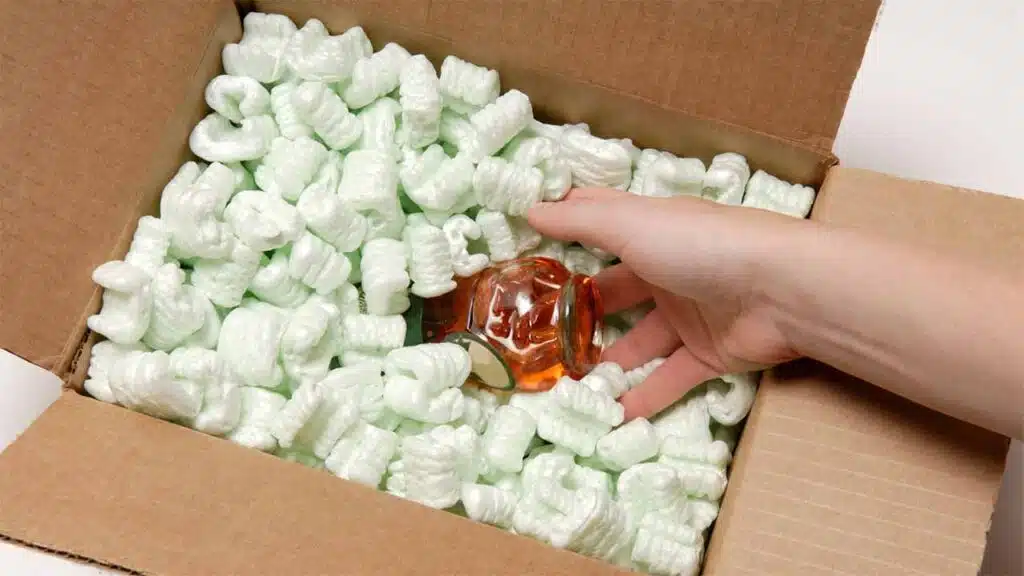
Packing peanuts is a great way to protect your fragile items during a move. These small, lightweight foam pieces fill empty spaces in boxes and stop things from shifting around.
To use packing peanuts, start by putting a layer at the bottom of your box. This creates a soft base for your items. Next, wrap each fragile object in bubble wrap or paper.
Place your wrapped items in the box, leaving some space between them. Pour packing peanuts around and between the objects until they’re surrounded. Make sure to fill all the gaps.
Add a final layer of packing peanuts on top before closing the box. This extra cushioning helps absorb shocks from above. When you’re done, the box should feel solid, with no loose items inside.
Remember to use biodegradable packing peanuts if you can. They’re better for the environment and still protect your stuff just as well.
5. Wrap Items Individually
Wrapping each fragile item separately keeps them safe during a move. Start by gathering bubble wrap, packing paper, or soft cloths.
Place your item on a flat surface with the wrap spread out. Center the object on the material and pull the sides to cover it completely. Use tape to secure the wrap, but be careful not to let the tape touch the item itself.
For dishes and plates, wrap each one individually. Then, stack them vertically in a box, like records. This reduces pressure on the plates and helps prevent breakage.
Small, delicate items need extra care. Wrap them in tissue paper first, then add a layer of bubble wrap for more protection. Put these in a small box before placing them in a larger one.
Remember to fill empty spaces in the box with packing peanuts or crumpled paper. This stops items from shifting during transit and keeps them safe.
6. Use Dividers for Glassware
Cardboard dividers are a game-changer when packing glassware. They create separate compartments for each glass, preventing them from bumping into each other during the move.
You can find these dividers at moving supply stores or online. They come in different sizes to fit various box types. Pick the right size for your glasses and boxes.
To use dividers, place them inside your packing box. Wrap each glass in bubble wrap or packing paper first. Then, the wrapped glasses are put into the individual cells created by the dividers.
Make sure the glasses fit snugly in their compartments. If there’s extra space, fill it with crumpled packing paper. This stops the glasses from shifting during transport.
Remember to put a layer of cushioning material at the bottom of the box before adding the divider. Also, add a layer to the packed glasses for extra protection.
7. Seal Boxes with Strong Tape
Once you’ve packed your fragile items securely, it’s time to seal the boxes. Use strong packing tape to ensure your boxes stay closed during transit.
Start by tapping the bottom seam of the box. Run the tape along the entire length, then add two more strips, crossing the first.
Next, close the top flaps and tape them shut. Use the same three-strip method as you did for the bottom. This creates a strong seal that won’t quickly come undone.
Don’t skimp on tape quality. Cheap tape can fail, putting your fragile items at risk. Invest in good-quality packing tape for peace of mind.
For extra security, you can reinforce the box’s corners with additional tape. This helps prevent the box from getting crushed or damaged.
Remember to label your boxes as “Fragile” after sealing them. This alerts professional movers or shippers to handle these boxes with extra care.
8. Pad the Bottom of Boxes
Padding the bottom of boxes is crucial in protecting fragile items during a move. Start by lining the bottom with crumpled packing paper. This creates a soft cushion to absorb shocks.
Add a layer of bubble wrap on the packing paper for extra protection. Make sure it covers the entire bottom surface of the box. This double layer helps prevent damage if the box is dropped or jolted.
You can also pad the bottom with soft items like towels or blankets. These work well for dishes and glassware. Place them flat on the bottom, then add your wrapped fragile items.
Remember to fill any empty spaces in the box with more packing material. This stops items from shifting during transport. A well-padded box keeps your valuables safe from start to finish.
9. Fill Empty Spaces
Empty spaces in boxes can spell trouble for fragile items during a move. They allow objects to shift and bump into each other, risking damage.
To prevent this, pack smart. Use soft materials to fill gaps between items and along box sides. Crumpled packing paper works well for this purpose.
Packing peanuts is another excellent option. Pour them around your wrapped items to create a protective cushion. Make sure to fill all empty areas.
Bubble wrap can also serve as filler. Cut it into pieces to stuff into small spaces. This adds extra protection for delicate objects.
When you’re done, give the box a gentle shake. If you hear items moving, add more filler until everything stays put. This extra step helps ensure your fragile items arrive safely at their new home.
10. Avoid Overpacking
When packing fragile items, it’s tempting to use lots of padding. But too much can be a problem. Overpacking boxes makes them heavy and hard to move safely.
You want to find the right balance. Use enough cushioning to protect your items, but don’t go overboard. Leave a little space for items to settle during transit.
Overpacked boxes can burst open. This puts your fragile items at risk. Using more boxes is better than stuffing everything into a few.
When you finish packing a box, give it a gentle shake. If you hear items moving around, add a bit more padding. But if it feels solid and doesn’t make noise, you’ve probably got it right.
Remember, movers and handlers need to lift these boxes. Keep them at a manageable weight. This helps ensure careful treatment of your fragile goods.
Choosing the Right Packing Materials
Suitable packing materials are vital to keeping fragile items safe during a move. The right supplies protect your valuables from bumps and drops.
Types of Packing Materials
Bubble wrap is a top choice for fragile items. Its air-filled bubbles cushion delicate objects. Wrap glasses, plates, and figurines in bubble wrap for extra safety.
Packing paper is versatile and affordable. Use it to fill empty spaces in boxes or wrap items. Crumple it up to make a soft nest for fragile goods.
Packing peanuts fills gaps in boxes. They stop items from shifting during transit. Choose biodegradable peanuts to be eco-friendly.
Foam sheets work well for flat items like picture frames. Cut them to size and place them between fragile surfaces.
Specialized boxes offer extra protection. Dish packs have double-thick walls for kitchenware. Mirror boxes are long and flat for artwork.
Importance of Quality
High-quality packing materials are worth the cost. Cheap supplies may tear or break, leaving your items at risk. Suitable materials absorb shocks and prevent damage.
Strong boxes are a must. They should be sturdy enough to stack without crushing. Look for boxes with thick walls and reinforced corners.
Fresh packing tape keeps boxes sealed tight. Old tape can lose its stick, causing boxes to open mid-move. Use tape designed for moving to ensure a secure seal.
Proper cushioning is crucial. Skimping on bubble wrap or packing paper can lead to broken items. Use enough material to protect each fragile piece fully.
Packing Techniques for Fragile Items
Proper wrapping and padding are vital in protecting delicate items during a move. These methods help cushion fragile objects and prevent damage.
Wrapping Techniques
Start by wrapping each fragile item in packing paper. For dishes, place a sheet of paper between each plate. Wrap glasses and stemware individually, tucking paper inside hollow spaces.
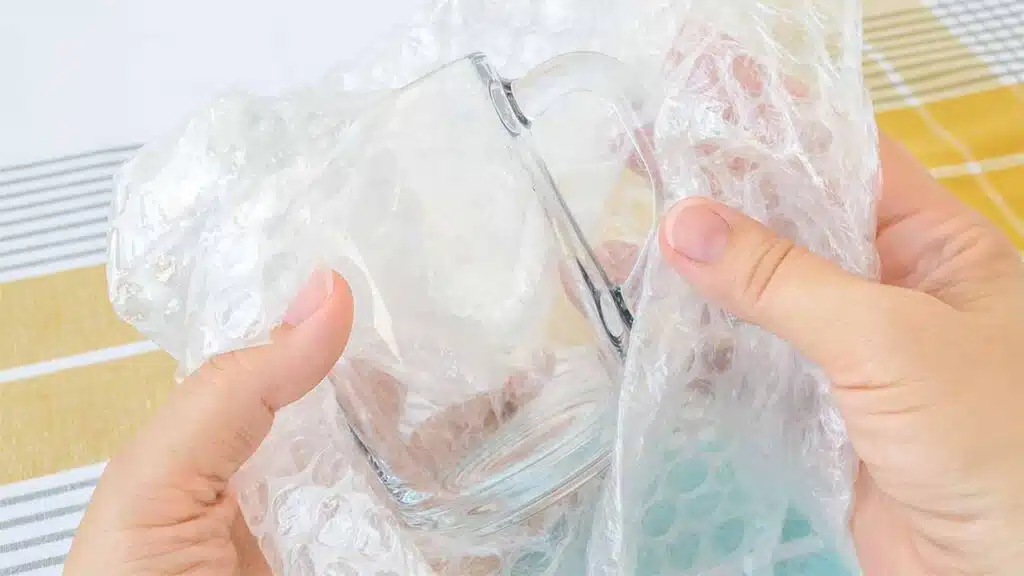
Use bubble wrap as an extra layer for very delicate items. Secure the wrap with tape, but don’t put tape directly on the item’s surface.
For oddly shaped objects, create a custom wrap. Lay out overlapping sheets of paper, place the item in the center, and fold the edges up and around it.
Always wrap items separately before grouping them. This prevents them from bumping against each other in the box.
Using Padding and Fillers
Line the bottom of your box with crumpled packing paper or bubble wrap. This creates a soft base for your fragile items.
As you pack, fill empty spaces with crumpled paper or packing peanuts. This stops items from shifting during transport.
For extra protection, wrap bundles of fragile items in towels or blankets before placing them in the box.
Use dividers or cardboard pieces to separate items within the box. This adds structure and prevents things from pressing against each other.
Fill any remaining gaps at the top of the box with more padding. The goal is to create a snug fit so nothing moves around.
Labeling and Handling
Proper labeling and handling are crucial to keeping your fragile items safe during a move. Start by marking each box containing delicate objects as “FRAGILE” on all sides. Use big, bold letters that are easy to spot.
Add “THIS SIDE UP” arrows to show how the box should be carried. This helps movers know how to handle your items correctly. You can also write a brief description of what’s inside each box, like “GLASSES” or “CHINA.”
When moving boxes, always lift from the bottom. Never pick up a box with “fragile” written on the top or sides. Keep fragile boxes separate from heavier items to prevent crushing.
Here are some quick tips for handling fragile boxes:
- Carry one box at a time
- Use both hands for support
- Walk slowly and carefully
- Don’t stack fragile boxes on top of each other
- Place fragile boxes in the moving truck last
Remember to tell your movers which boxes need extra care. Point out any items that are valuable to you or mean a lot to you. This helps them give those boxes special attention during the move.
Summary
Ensuring the safety of your fragile items during a move requires careful planning, suitable materials, and proper techniques. Using bubble wrap extensively, double boxing, and labeling boxes as “fragile,” you create a robust first line of defense against damage.
Incorporating packing peanuts, individually wrapping items, and using dividers for glassware further protects your valuables. Sealing boxes with strong tape, padding the bottom, filling empty spaces, and avoiding overpacking are essential steps to prevent shifting and crushing during transit.
Selecting high-quality packing materials and employing effective packing techniques ensure your items are cushioned and secure.
Proper labeling and handling, including marking boxes and informing movers, helps maintain the integrity of your fragile belongings. Following these guidelines, you can confidently safeguard your precious items and ensure they arrive at their new home in perfect condition.