
Do you feel stuck playing the same old Metroidvania maps? This style blends Samus’s runs from the Metroid series with the gothic flair of Symphony of the Night. This list will show ten overlooked games, like F.I.S.T.: Forged in Shadow Torch, Momodora: Reverie Under the Moonlight, and Ender Lilies: Quietus of the Knights.
Time to explore.
Key Takeaways
- These ten Metroidvania gems use diverse tech and tools—Unreal Engine 4 powers F.I.S.T., Unity shapes Pseudoregalia, Axiom Verge adds a disruption cannon and real-time sketch map, and Ender Lilies brings ghost allies and piano notes.
- Fans drove key updates: Koji Igarashi devotees pitched new bosses for F.I.S.T., Reddit and Discord groups shaped The Last Faith’s patch 1.2 skill tree, and small Ghost Song forums built guides, patches, and mods.
- Critics praise these games (Ghost Song scores hover near 8/10; Blasphemous won art and sound awards), yet few mainstream lists mention them—sales stay low, but fan love runs high.
- Exploration and replay fuel each title: hidden paths, lore logs, secret labs, skill trees, double jumps, wall jumps, grappling hooks, air bursts, dash moves, and boss keys all reward curiosity.
- Art and sound set the mood: neon glitch pixels in Axiom Verge, gothic cathedral scenes in Blasphemous, oil-painting styles in Ender Lilies, hand-drawn pastels in Islets, and soft chimes in Momodora.
What makes F. I. S
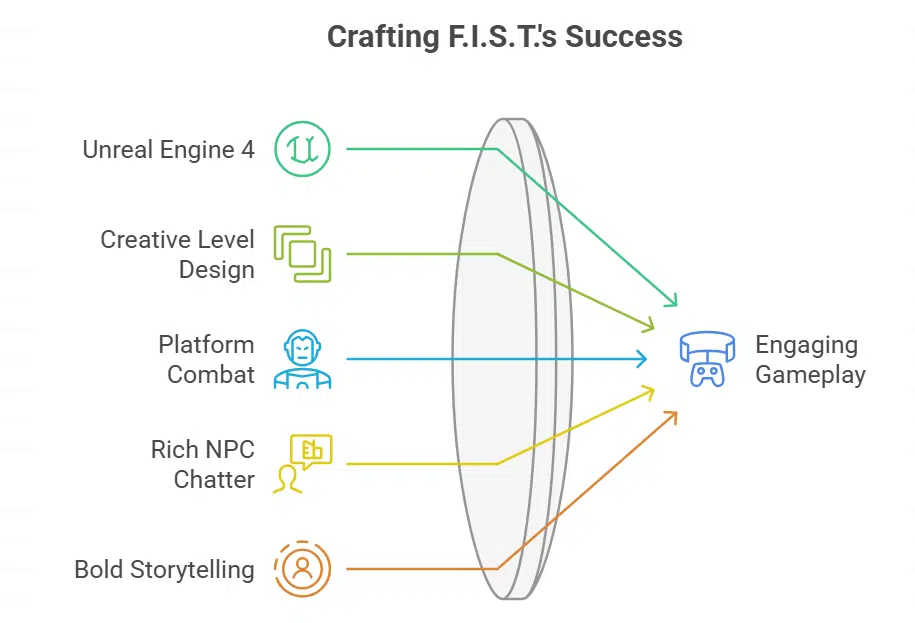
F.I.S.T.: Forged in Shadow Torch thrills with engaging gameplay and rich settings. Surgent Studios uses Unreal Engine 4 to craft a city full of creative level design, platform combat, and hidden paths.
Fans praise its punch combos more than those in bloodstained: ritual of the night.
Pixel art shines in every hall, and bold storytelling walks hand in hand with deep lore. Some koji igarashi devotees praised new boss fights after they sent ideas to the Steam community.
Rich NPC chatter keeps you from feeling alone in the dark, and each run can surprise you with a Lovecraftian creature or hulking mech, making it feel more lively than Nine Sols.
Why is Ghost Song considered underrated?
Ghost Song blends deep story craft with bold stage layout. Fans call it a secret art piece, one that experiments with the Metroidvania formula. It mixes exploration and surprising puzzles in eerie caverns.
Critics praise its mood setting, immersive world, and haunting sound design. A tight script guides you through hushed halls, you feel every echo. Community posts glow with praise for its pixel art and smart scripting.
Players of f.i.s.t.: forged in shadow torch often praise Ghost Song’s daring twists. Only a few outlets listed it among top Metroidvania picks. Review scores hover near eight out of ten.
Few mainstream lists mention its name.
Experimental touches shape each new cavern. Deep lore hides in relics and scattered logs. A loyal fan group built detailed guides on fan sites. Newcomers cheer every twitch in hidden corridors.
Sales seem low, yet forums buzz with love. Its impact on genre feels strong despite limited views. Indie dev circles cite it alongside momodora: reveries under the moonlight as proof fresh ideas pay off.
Critics list it as a prime example of bold design. That tiny yet devoted fan base drove patches, mods, and community art.
What unique features does Axiom Verge offer?
Axiom Verge equips players with a disruption cannon that unravels walls and warps space. A scanning orb and tiny scouts reveal hidden doors and secret labs. A sketch map shifts in real time, marking every nook you discover.
Players prime a time circuit to replay past glitches and unlock new routes. Critics and users gave it high praise for its fresh take on Metroid ideas.
Thomas Happ infused neon pixel art with glitchy soundscapes, crafting each biome with flair. An echo sensor pulses with hints of nearby artifacts, urging players to poke every wall.
That level of polish earns nods from Metroidvania fans and critics alike. Each tool feels like a fresh handshake with the genre.
What should players know about Pseudoregalia?
Pseudoregalia flips basic platforming with fresh map layouts. Silver Blythe used the Unity engine to shape odd levels. Niche gamers praise its wild stages that demand smart jumps. The game packs light storytelling with bright art that sticks in the mind.
Every map rewards daring traversal and clever exploration moves.
Many niche gaming communities share praise for it online. Posters on Discord and Reddit value its custom puzzles. Indie fans dig its fresh layers of levels and lore. It drives home why exploring indie titles fills genre gaps.
Players chasing odd finds grin at each new secret.
What sets Blasphemous apart in the Metroidvania genre?
Blasphemous hooks you with its dark, gothic pixel art. The devs paint scenes like a fallen cathedral soaked in sorrow. A lone warrior seeks penance through twisted myths and eerie blood rites.
World building hides in dusty tombs and carved pillars, each telling its own tale. It blends exploration with lore and atmospheric storytelling, and you feel each prayer. Critics handed it awards for best art, drama, and sound design.
Fans still gush over its haunting story arcs and deep, grim lore.
Combat tasks you with fast, precise strikes and parries. Platform challenges range from slick wall jumps to death traps on spikes. A deep skill tree lets you add combos, buffs, and moves to your blade.
The map hides secrets, shortcuts, and weird shrines for side quests. Players chat in forums and share mods that shape free expansions. The devs then roll out updates, tweaking combat and adding new bosses.
Each update feels like a gift from the community and the team. Detailed masks, relics, and costumes show off each character design.
How does Afterimage stand out among indie Metroidvanias?
The game uses a crafty stage layout that keeps you guessing around each turn. Designers built weird corridors that hide secret rooms behind cracked walls. Unity engine powers smooth parallax scrolling, it makes backgrounds pop.
Players wander through lush forests, cold catacombs, and burning ruins. The pixel-art shader gives each tile a vintage charm without losing crisp lines. This design grabs your eye, pulls you deeper into every zone.
Fans praise the double jump and grappling hook combos that let you race across caverns. A simple skill tree boosts your attack or your speed, so you shape your hero. Programmers add smart AI pathfinding to lurking beasts, so every fight tests your timing.
Reviews highlight deep combat, tight platforming, and hidden lore notes. This title shines as proof of indie talent, it pushes this field forward.
What gameplay elements define The Last Faith?
Exploration drives each run in The Last Faith. It blends twisted corridors with platform jumping sections, then teams them with a deep stat wheel. Fans shaped patch 1.2 on a chat server by voting for a new skill tree.
Your blade dances through fast fights that sting like bee swarms. You also fire homing bullets to carve through armored foes.
Clever platform movement lets you scale walls with twin hooks, and then sprint across ceilings. Each locked gate needs a boss key you earn in brutal duels, a classic Metroidvania twist.
A moody art style feels like oil paint, as Gothic arches glow in torchlight. A cast of cursed knights and mad alchemists pushes the story. Passionate fans share new skins on a mod portal, and the dev team adds top picks.
Why is Islets worth playing for Metroidvania fans?
Fans of Metroidvania titles will fall for Islets right away. It uses a linked map that shifts your view as you move, to offer a fresh take on interconnected world traversal. This setup spawns a sense of wonder.
Each path feels fresh, a credit to creative level design. Players find new zones that thread into one another. The engaging gameplay keeps you hooked, mixing skill with quick moves.
The visuals charm you, with hand-drawn backdrops and subtle shifts in light. They set a mood that feels like living art. Story details slip out through NPC chats and item notes. These small bits fill this world with life.
Secrets hide in looped tunnels and sudden springs. Rewards pop up in side hallways, making each detour count.
Art and sound team up to craft a deep mood. A pulsing synth track shifts to soft piano as you roam. Each footstep echoes in caves, and wind hums by cliff edges. Small audio cues pull you into this world.
Scenic backdrops glow with pastel hues, while shadows hide odd shapes. Such scenes build immersive environments, full of color and mystery. Storytelling unfolds in scraps of text, found on walls and bones.
Codex entries hint at past heroes and fallen gods. The design team mixed ideas, to push innovation. Players love how it blends old and new. It draws fans seeking new experiences. Side quests twist the usual route.
They swap dull loops for quick jumps and clever traps. Every switch feels like a spark that jolts your thrill.
What are the core mechanics of Grime?

Grime drives you through ancient ruins and rewards exploration. You pick up energy orbs and boost your stats. That living blade grows stronger with each battle. You unlock dash, grapple, and air burst.
Each skill fits into a simple grid, letting you mix and match. This design fuels experimentation and multiple playstyles.
Level maps twist like a maze. Secret paths hide gear and lure curious souls. You revisit zones with fresh moves, and replayability kicks in. Combat stays crisp, punishing missteps and rewarding slick moves.
Bold jumps and tight fights make you grin.
How does Ender Lilies: Quietus of the Knights deliver its experience?
Ender Lilies drapes a foggy world in dark green hues, and it pulls you in with quiet piano notes. The art style looks like a moving oil painting on every mossy ruin and shattered chapel.
A platform game puts you in a lone knight’s boots, so each step feels heavy with grief. The game engine hums as rain streaks windows, and stained glass catches ghostly light.
The quest unfolds through tight maps and hidden paths. You swap ghostly allies to solve puzzles and smash out boss fights with style. You feel the pulse of a brave blade in each swing, and you turn floaty leaps into fierce strikes.
The narrative hides inside old scrolls and dying towns, and it strikes a chord of hope in the gloom.
What makes Momodora: Reverie Under the Moonlight a must-play?
A haunting art style paints a lush forest, while soft chimes echo through caverns. The story pulls you in as a royal hero hunts a dark curse. You meet quirky forest dwellers and tiny clerics along the way.
Every boss fight tests your reflexes, flinging you into fierce struggles. Combat feels crunchy, with smooth dodge rolls and charged strikes.
The game engine toolkit brought fluid animations and tight collision. Every breakable wall hides a secret room or healing shrine. Health flasks and gear upgrades force you to plan your route.
This blend of risk and reward lights up each level. The art style glows with moody blues and golden highlights. Fans place this title on every must-own Metroidvania list.
Takeaways
These gems spark fresh exploration in every room. They reward steady progress. You watch your health bar dance as you fight. Grip your controller, pore over each map, chase secret nodes.
Each adventure unfolds like a hidden door of fun. This list lifts ten pearls from the rough. Your thumbs will cheer.
FAQs on Most Underrated Metroidvania Titles
1. What makes a Metroidvania title underrated?
Many hide in plain view. They have rich maps and fun loops, but they lack big ads.
2. Why check the 10 Most Underrated Metroidvania Titles?
This list points you to hidden gems. I once skipped a title because of its cover art, but it blew my mind. You might find your new favorite.
3. Where can I find these titles?
You can grab them on PC, or in online stores for modern consoles. Some even run on older handhelds.
Start slow. Pick one with a short play time, and set a small goal, like reach the next checkpoint. You will uncover wonders.