Planning a home renovation can be exciting, but the costs can quickly add up. Whether you’re updating your kitchen, adding a new room, or simply refreshing your space, the expenses can feel overwhelming. But here’s some good news: you don’t have to bear the entire financial burden. Many home improvement rebates and incentives are available to help you save money on your project.
This article provides some practical tips on how to find and maximize these home efficiency rebates to ensure you get the best value for your renovation efforts. Dig in!
Understand the Home Renovation Rebates Available
The first step in maximizing your savings is to understand the types of rebates available. Rebates can come from various sources, including government programs, utility companies, and manufacturers.
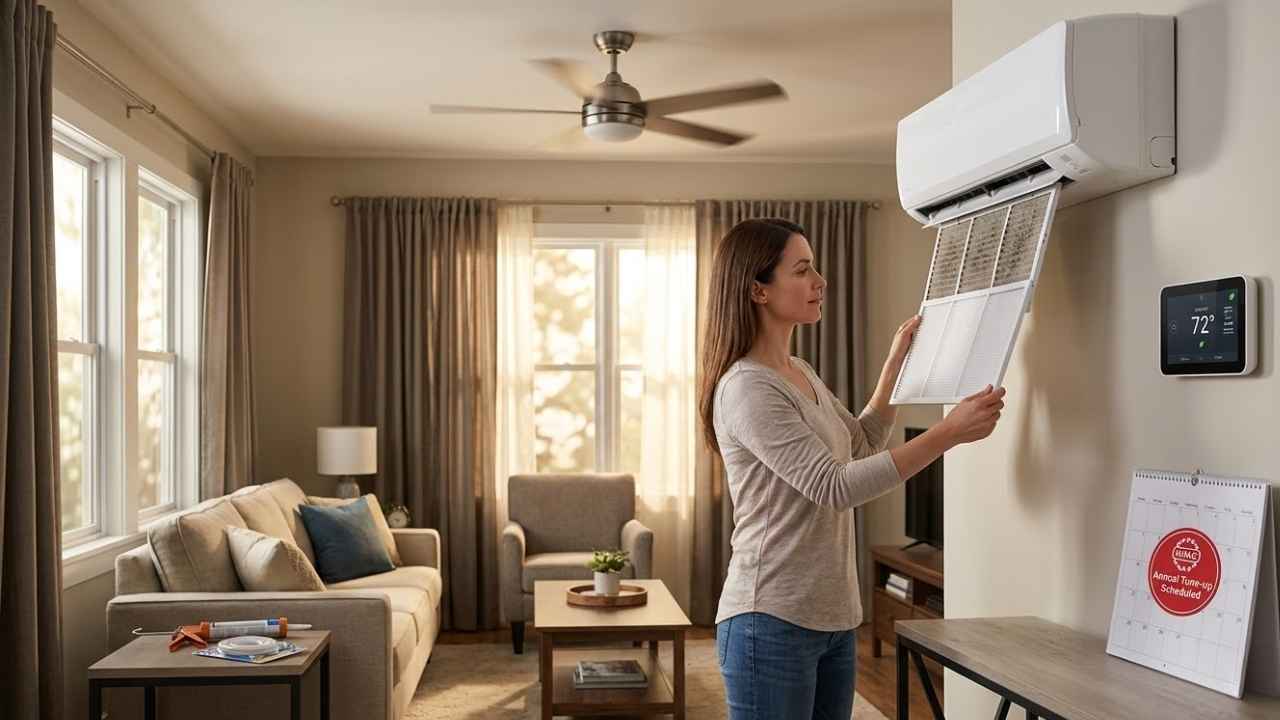
To find out what rebates are available in your area, start by checking with your local utility companies. Many offer energy-saving improvements, such as upgrading to energy-efficient Heat, Ventilation, and Air Conditioning (HVAC) systems or installing solar panels.
Also, consider visiting government websites like the State of Energy Offices or the Department of Energy, which offers information on available rebates and tax credits. And what about retailer rebates? Retailer-specific rebates, such as Menards rebates, can provide significant savings on various home improvements.
While these retailer rebates aren’t necessarily tied to home energy efficiency, they can still be a valuable tool for reducing the overall cost of your renovation project. Be sure to check their rebate offers regularly and incorporate them into your planning to maximize your savings.
Plan Your Renovation
Once you know what rebates are available, you can plan your renovations to take full advantage of them. For instance, if your utility company offers a rebate for upgrading to a more energy-efficient water heater, it might be a good idea to include that in your renovation plan. Similarly, if there are home energy rebates for insulation or new windows, prioritize these upgrades to maximize your savings.
It’s essential to time your renovation projects carefully. Some rebates have deadlines or are only available for a limited time. So, you’ll want to ensure that your project aligns with these timelines.
Consider Long-Term Savings Over Initial Costs
While home energy rebates can reduce the upfront costs of your renovation, it’s also essential to consider the long-term savings that energy-efficient improvements can bring. Upgrading to energy-efficient windows, attic insulation, or electric appliances, for example, may qualify you for a rebate, but these improvements will also reduce your energy bills over time.
When evaluating potential upgrades, think about the overall Return on Investment (ROI). Even if an energy-efficient upgrade costs more initially, the combination of rebates and long-term savings can make it a financially sound decision. Over time, the reduction in energy costs can offset the initial investment, resulting in significant savings.
Consult With a Professional
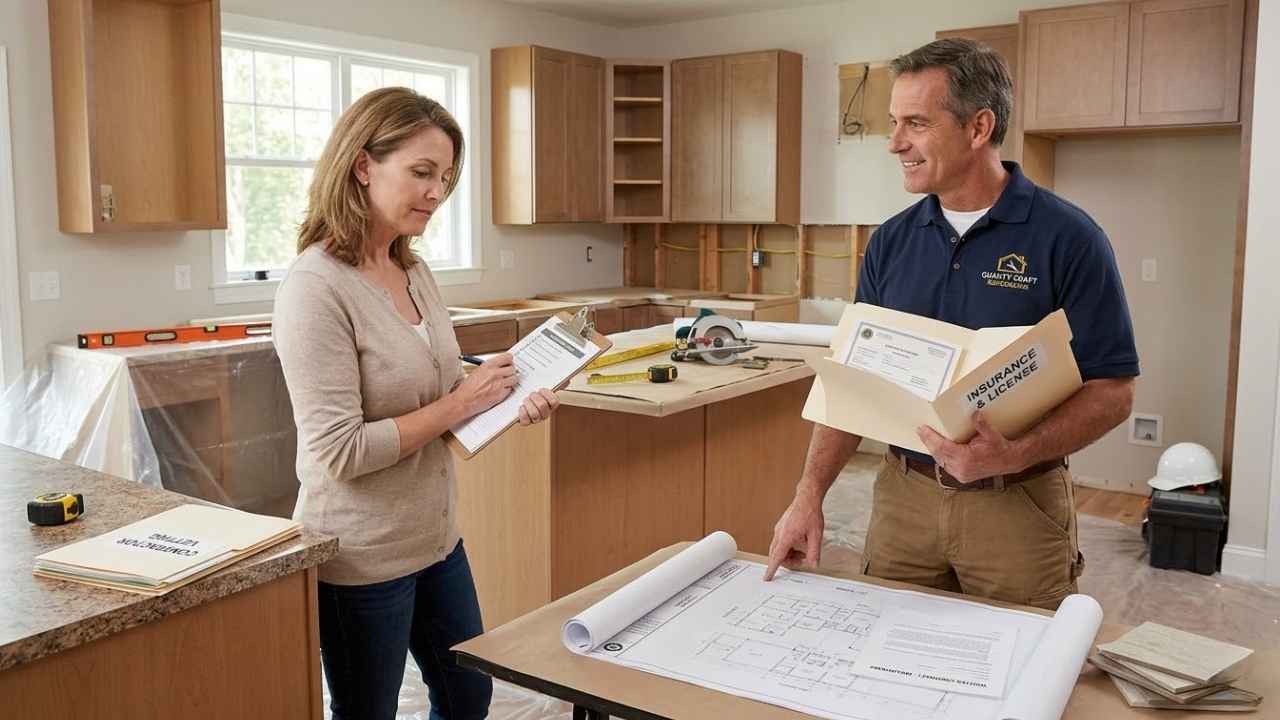
If your renovation involves significant upgrades, such as installing a new HVAC system or adding solar panels, it might be worthwhile to consult with a professional contractor. Experienced contractors often know about available rebates and can help you throughout the application process.
These professionals can also recommend energy-efficient products and solutions that qualify for home energy rebates. This ensures that your home renovation maximizes both energy savings and financial incentives.
Additionally, some rebate programs require a professional to perform the installation. Hiring a contractor who is familiar with these requirements can help you avoid complications and ensure that your upgrades qualify for the rebates.
Keep Documentation and Follow Submission Instructions Carefully
Maximizing your savings through home energy rebates requires careful attention to detail. Each rebate program will have specific documentation and submission requirements. Typically, you’ll need to provide proof of purchase, such as receipts or invoices. Sometimes, you may even need to submit a product serial number or a completed rebate form.
To ensure you don’t miss out on a rebate, organize all your receipts and documentation. Create a folder (either physical or digital) where you can store everything related to your renovation, including proof of purchase, warranty information, and any rebate forms you need to submit.
Make sure you follow the submission instructions carefully. Some rebates require online submissions, while others may require you to mail your documentation. Most importantly, pay attention to timelines, as missing a submission deadline can mean losing out on a rebate altogether.
Combine Rebates With Other Financial Incentives
Don’t forget that rebates aren’t the only way to save on your home renovation projects. Many government programs offer a home improvement tax credit for energy-efficient upgrades. When you combine tax credits with rebates, you’ll get even greater savings.
In addition to tax credits on home improvements, some states and local governments provide low-interest loans or grants to help homeowners finance energy-efficient home renovations. These financial incentives can make larger projects more affordable and allow you to invest in upgrades that might otherwise be out of reach.
Conclusion
Renovating your home requires a considerable financial investment, but it doesn’t have to drain your finances. You can take advantage of home improvement rebates and other financial incentives to reduce the cost of your project while enhancing your living space.
Whether you’re making minor home energy upgrades or tackling a major overhaul, the strategies discussed above will help you get the best value for your investment. Be proactive, stay informed, and consult with professionals when needed to make your innovations affordable and rewarding.