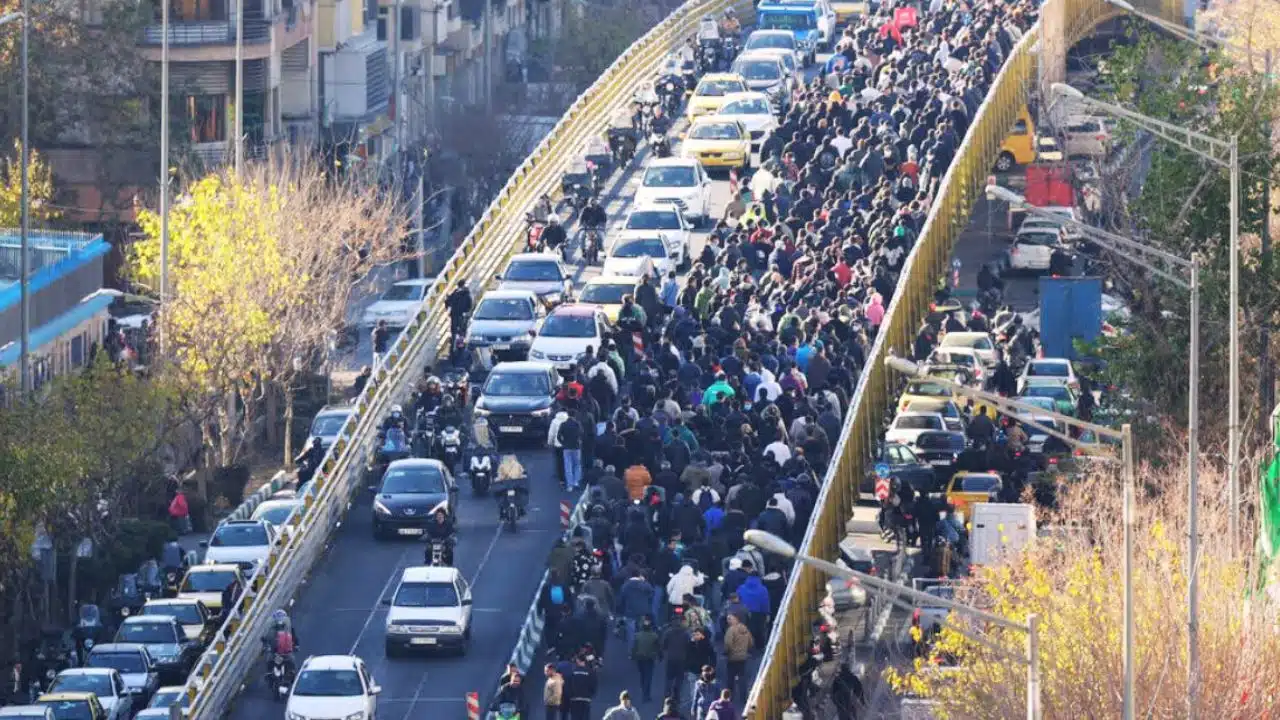
Iranian authorities have ordered work suspensions across 21 of the country’s 31 provinces as nationwide protests over deteriorating economic conditions entered their third consecutive day, with demonstrators clashing with security forces in Tehran and other major cities.
Government Orders Widespread Closures Amid Growing Unrest
Iran’s government announced on December 29, 2025, that official working hours would be suspended on Wednesday, December 31, across 21 provinces, citing cold weather forecasts and energy conservation needs. The decision covers Tehran, Hamedan, Qom, Alborz, Markazi, Yazd, Lorestan, North Khorasan, Razavi Khorasan, Kermanshah, Kurdistan, Ardabil, Zanjan, Ilam, Kerman, Kohgiluyeh and Boyer-Ahmad, Fars, Chaharmahal and Bakhtiari, East Azerbaijan, Mazandaran, and Gilan.
The Tehran Provincial Energy Consumption Management Taskforce stated that all government offices, schools, universities, banks, municipalities, and commercial centers would remain closed. While authorities officially attributed the shutdown to meteorological forecasts warning of low temperatures and the need to ensure stable energy supply, the timing coincides directly with escalating demonstrations that began on December 27, 2025.
Currency Collapse Triggers Nationwide Demonstrations
The protests erupted after Iran’s national currency, the rial, plummeted to historic lows against the US dollar. The currency reached over 141,000 tomans per dollar on the open market, marking the worst exchange rate crisis in the country’s recent history. Some reports indicate the rial traded as high as 1,206,000 rials per dollar in early December, representing a staggering devaluation.
This currency crisis has been accompanied by severe inflation, with Iran’s Statistical Centre reporting inflation rates of 42.2% in December 2025. Some economists have warned that inflation could approach 60% by year’s end, with fears it could spiral to hyperinflationary levels of 2,000-3,000% if confidence in the currency collapses completely.
Protests Spread Across Universities and Bazaars
The demonstrations, which witnesses describe as the largest since the 2022 Mahsa Jina Amini protests, have drawn participation from multiple sectors of Iranian society. University students have been at the forefront, with mass rallies reported at Amirkabir University of Technology, Sharif University of Technology, and Shahid Beheshti University in Tehran.
At Amirkabir University, students chanted slogans hostile to authorities, including “Death to the tyrant” in reference to Supreme Leader Ali Khamenei, and slogans accusing the Basij—affiliated with the Islamic Revolutionary Guard Corps—of repression. Video footage circulated online showed security forces retreating from Jomhouri Street after clashes with protesters.
Beyond campuses, Iran’s traditional commercial heart has joined the unrest. Traders at Shoush Bazaar in Tehran closed their shops and joined protest marches. Business owners in Tehran’s Grand Bazaar also shuttered their establishments, with some footage capturing shopkeepers encouraging their peers to follow suit. Notable participation was reported in the bazaars of Kermanshah and Shiraz, where crowds raised slogans supportive of the protests, including chants praising the legacy of former monarch Reza Shah Pahlavi.
Security Forces Deploy Tear Gas and Live Fire
Iranian security forces have responded with increasingly forceful measures to contain the spreading demonstrations. Anti-riot forces deployed throughout downtown Tehran, equipped with full gear and using tear gas to disperse crowds. Video footage and eyewitness reports indicate security forces fired on protesters in Hamadan and deployed tear gas in Tehran and Malard.
Heavy security deployments were reported in Tehran, Mashhad, and at Khajeh Nasir University. Residents in Mashhad described a tense atmosphere with large numbers of uniformed and plainclothes personnel visible on main streets, with security units positioned at key junctions and public squares. Despite the security presence, some protesters responded to tear gas with stone-throwing, forcing security units to pull back in certain areas.
Underlying Economic and Energy Crises
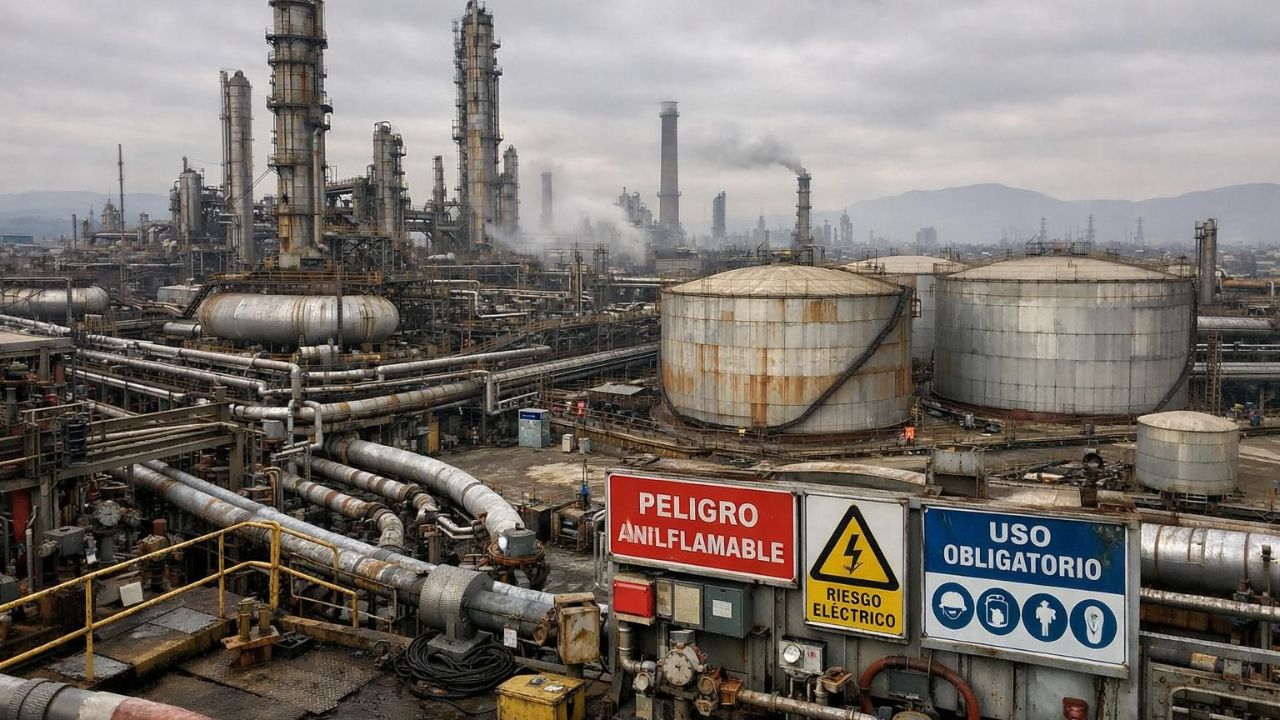
The protests reflect deeper structural problems facing Iran’s economy. The country has been grappling with an ongoing energy crisis, with frequent power outages and disruptions to natural gas supplies throughout 2024 and into 2025. Energy Minister Abbas Aliabadi reported in December 2024 that 13 power plants had gone offline due to lack of fuel, with the electricity supply remaining constrained.
Despite Iran’s enormous oil and gas reserves, international sanctions and underinvestment have left refineries and power stations unable to meet peak winter demand. The country’s daily gas deficit exceeded 300 million cubic meters during winter 2025, contributing to widespread blackouts.
The World Bank has predicted a contraction of 1.7% for Iran’s economy in 2025 and 2.8% for 2026, aggravated by escalating inflation. Iran is projected to have the highest inflation rate in the Middle East and North Africa region in 2025, at 38.3%, according to International Monetary Fund data. These economic pressures are mounting pressure on household incomes, particularly among low-income groups and the middle class.
Government Response and Political Statements
Parliamentary speaker Mohammad Bagher Ghalibaf addressed the protests on December 29, stating that Iranians would prevent demonstrations over economic hardship from being diverted into unrest, while calling on officials to respond to public anger over living costs. He accused unnamed opponents of seeking to turn demands into violence, saying “Ill-wishers want to drag people’s demands into disorder and unrest”.
Ghalibaf emphasized that people’s grievances over livelihoods required “full responsibility” from officials and dialogue with representatives of professional guilds. He called for measures to boost purchasing power, reform economic decision-making, and ensure coordinated action across the government.
Iranian officials routinely distinguish between what they term legitimate protests over economic or social issues and “unrest” or “riots,” which they often link to foreign-backed groups, a framing frequently used to justify security measures during nationwide demonstrations.
Economic Data Overview
| Economic Indicator | Value | Impact |
| Exchange Rate | 141,000+ tomans/USD | Record low for Iranian rial |
| Inflation Rate | 42.2% (December 2025) | Highest in MENA region |
| GDP Growth Forecast | -1.7% (2025), -2.8% (2026) | Economic contraction predicted |
| Gas Deficit | 300+ million cubic meters/day | Widespread power outages |
| Provinces Affected | 21 of 31 | Government work suspension |
Final Thoughts
The convergence of currency collapse, soaring inflation, and energy shortages has created a perfect storm of economic hardship for ordinary Iranians, triggering the most significant wave of protests since 2022. The government’s decision to suspend work across two-thirds of the country’s provinces, while officially attributed to weather and energy concerns, underscores the severity of both the economic crisis and the political unrest it has generated.
As demonstrations continue to spread across universities, traditional bazaars, and public streets, the Iranian government faces mounting pressure to address fundamental economic grievances while managing security concerns. With economists warning of potential hyperinflation and continued energy shortages expected through the winter, the coming weeks will prove critical in determining whether authorities can stabilize the economic situation and restore public confidence, or whether the protests will expand into a broader challenge to the political system.