Corruption acts like a silent thief. It sneaks into our daily lives and makes things unfair for regular people. You might see it in slow services, shady deals, or leaders who ignore the rule of law. Have you ever wondered why some communities struggle so much more than others?
Often, corruption is the anchor holding them back.
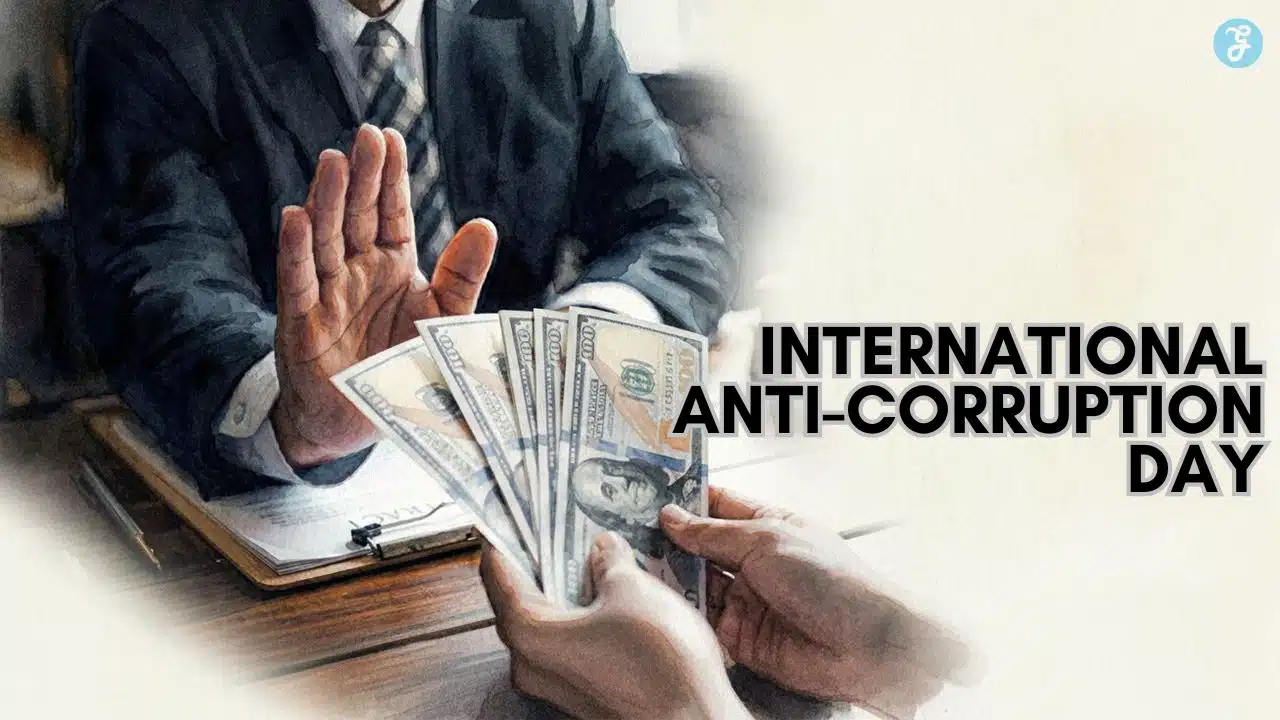
International Anti-Corruption Day shines a bright light on this serious problem every December 9. Backed by the United Nations and championed by groups like the United Nations Office on Drugs and Crime (UNODC), this day warns us how corruption eats away at peace and trust.
In this post, we will walk through why December 9 is so critical for all of us. You will see how global awareness fights organized crime and how campaigns like “Your NO Counts” promote ethical values.
Stick around to see how we can all join the fight against economic crime.
Key Takeaways
- International Anti-Corruption Day falls on December 9 each year to highlight how corruption harms peace and development.
- The United Nations Convention Against Corruption (UNCAC) has 190 parties; its rules help fight bribery, abuse of power, and money laundering.
- The 2025-2026 theme, “Uniting with Youth Against Corruption: Shaping Tomorrow’s Integrity,” focuses on the 1.9 billion young people shaping our future integrity.
- In the US, new tools like the FinCEN Beneficial Ownership Information registry help stop criminals from hiding behind shell companies.
- Groups like the World Bank and private companies use tech tools—such as the Alice bot or blockchain—to detect fraud and protect whistleblowers.

The Importance of December 9 in Fighting Corruption
December 9 is more than just a date on the calendar. It stands as a global rally point against dirty deals and unfair rules. Each year, people across borders join hands to demand clean governments and fair play.
What is the United Nations Convention Against Corruption?
The United Nations Convention Against Corruption, or UNCAC, is a massive global agreement. Countries came together to adopt it on October 31, 2003, and it officially took effect in December 2005. Today, 190 parties have agreed to follow its rules, making it one of the most accepted treaties on Earth.
UNCAC aims to stop bribery, abuse of power, and economic crime like money laundering. Chapter V is especially powerful because it focuses on getting back stolen assets from organized crime groups. This isn’t just small change.

“According to the World Bank, corruption steals over $2.6 trillion annually from the global economy. That is roughly 5% of the entire world’s GDP lost to dishonesty.”
The UNODC acts as the secretariat for these meetings. Countries work with partners like Transparency International and the United Nations Development Programme (UNDP) to solve these problems. They push for ethical leadership, technical support, and fair laws for everyone.
How Does Global Awareness Promote Anti-Corruption Action?
When we shine a spotlight on International Anti-Corruption Day, we pull back the curtain on hidden crimes. Stories and stats buzz across news and social media, making it harder for corrupt officials to hide.
In the United States, awareness leads to real laws. For example, the Foreign Extortion Prevention Act (FEPA) was signed recently to stop foreign officials from demanding bribes from US companies. This law works side-by-side with the older Foreign Corrupt Practices Act to close loopholes.
Campaigns connect ordinary people so phrases like “Your NO Counts” spark real action. Schools join in by teaching students about honesty. This matters because even young voices can break corruption’s grip on safety and fair markets.
How Can Youth Drive Anti-Corruption Efforts?
Almost a quarter of people worldwide are young. That is about 1.9 billion people with fresh ideas and strong energy. They have the power to change how we see integrity.
The UNODC GRACE initiative (Global Resource for Anti-Corruption Education) is a prime example of this. It gives young people the actual tools and knowledge they need to spot unethical behavior in their schools and future workplaces.
Real-World Youth Action
Young people are not just watching; they are building tools to fix the system. Here is how they are using technology to make a difference:

| Action Type | Specific Example | Why It Helps |
|---|---|---|
| Tech Innovation | ProZorro.Sale (Ukraine) | This transparent auction system prevents bribery by putting government sales online for everyone to see. |
| AI Monitoring | Alice Bot (Brazil) | An AI tool that scans public budgets and alerts auditors to suspicious contracts or overpricing. |
| Advisory Roles | Youth-Led Integrity Advisory Board | A UNODC group where young leaders directly advise policymakers on how to protect their future. |
In places like Ukraine, youth lead projects that open talks with leaders. The United Nations Office on Drugs and Crime and the UNDP welcome them at big meetings like the General Assembly. Giving young voices space in these rooms helps bring ethical leadership into the private sector.
What Campaigns and Initiatives Mark International Anti-Corruption Day
International Anti-Corruption Day sparks action across the globe every December 9. Groups come together to tackle economic crime and transnational organized crime while pushing for a fairer future.
- The “Uniting with Youth” Theme: The 2024-2025 campaign, “Uniting with Youth Against Corruption,” focuses specifically on empowering the next generation to refuse bribes and demand transparency.
- The “Your NO Counts” Campaign: This puts people at the center of the fight. It teaches us that rejecting even a small dishonest act builds a culture of integrity.
- US Business Transparency: In the US, the Corporate Transparency Act now requires many small businesses to file a Beneficial Ownership Information report. This stops criminals from hiding dirty money in anonymous shell companies.
- The Blue Dot Network: This is a global initiative supported by the US that certifies infrastructure projects. It ensures that roads and bridges are built with transparency, not hidden kickbacks.
- Global Conferences: Events led by the International Monetary Fund (IMF) and World Bank bring governments and businesses together. They discuss how to recover stolen assets and protect whistleblowers.
- Private Sector Ethics: Companies run workshops to teach employees how to spot red flags. They focus on raising ethical values inside the workplace so young workers know their rights.
- Digital Reporting Tools: Many events showcase new tools like blockchain or digital hotlines. These help fight illicit financial flows and support sustainable development goals.
Takeaways
December 9 is a wake-up call for everyone to stand against corruption. The United Nations and UNODC keep this fight strong, pushing for justice and ethical leadership around the world.
Everyone’s voice matters. Whether you are a business owner filing your transparency reports or a student speaking out against unfair grades, your actions ripple outwards. Days like these grow hope and help build a future where honesty wins over crime every time.
Give your “no” to corruption; it really does count!
FAQs
1. What is International Anti-Corruption Day, and why does December 9 matter?
December 9 marks the anniversary of the 2003 adoption of the UN Convention Against Corruption, serving as a global reminder to protect the rule of law. For the 2024-2025 campaign, the theme “Uniting with Youth Against Corruption” specifically calls on us to empower the next generation of integrity leaders.
2. How does the United Nations Convention Against Corruption help?
The UN Convention Against Corruption is currently the only legally binding universal anti-corruption instrument in the world. It provides a shared legal rulebook that allows countries to cooperate effectively on asset recovery and enforcing tougher laws across borders.
3. Why should regular people care about anti-corruption?
Corruption drains an estimated $3.6 trillion from the global economy annually, directly stealing funds that should support local schools, healthcare, and infrastructure.
4. What role do emerging technologies play in fighting corruption?
New tools like blockchain create unchangeable digital ledgers that make it nearly impossible to hide shady transaction histories. Meanwhile, AI-driven anomaly detection can scan millions of procurement records in seconds to flag bribery patterns that human auditors might miss.
5. How can businesses join global anti-corruption efforts?
Companies can prove they are trustworthy by adopting the ISO 37001 standard for anti-bribery management systems. In the US, adhering to these strict ethical values helps businesses avoid massive fines under laws like the Foreign Corrupt Practices Act (FCPA).