Workplace injuries are a growing concern in Australia, affecting thousands of employees each year. Some industries experience higher injury rates due to hazardous work environments, heavy machinery, or physically demanding tasks.
Understanding the industries with the highest workplace injury claims in Australia is crucial for both employers and employees to improve safety measures and reduce risks.
According to Safe Work Australia, more than 120,000 serious workplace injury claims are lodged annually. The cost to businesses and the economy runs into billions of dollars, making workplace safety a national priority. While every industry has its risks, some sectors report a disproportionately high number of injury claims.
In this article, we will explore the industries with the highest workplace injury claims in Australia, examine the reasons behind these high claim rates, and discuss strategies for injury prevention. We will also highlight key statistics and trends shaping workplace safety in Australia today.
Understanding Workplace Injury Claims in Australia
Workplace injury claims are legal claims made by employees who have suffered injuries while performing job-related duties. These claims provide compensation for medical expenses, lost wages, and rehabilitation costs.
Workplace injuries can range from minor cuts and bruises to severe accidents leading to permanent disabilities.
According to Australian workplace laws, employees who suffer work-related injuries are entitled to compensation under the Workers’ Compensation Scheme.
Claims can cover a wide range of conditions, including physical injuries, psychological trauma, and occupational diseases caused by long-term exposure to hazardous conditions.
Why Some Industries Have Higher Injury Rates
Certain industries have inherently higher injury rates due to the nature of work involved. Factors that contribute to increased workplace injury claims include:
- Use of heavy machinery: Industries like construction and manufacturing involve high-risk equipment.
- Physically demanding tasks: Jobs requiring heavy lifting or repetitive motions increase injury risks.
- Exposure to hazardous substances: Workers in mining and healthcare are more susceptible to chemical and biological hazards.
- High-risk environments: Sectors like transport and emergency services involve dangerous working conditions.
- Stress and fatigue: Mental health-related injuries are on the rise in high-pressure industries such as healthcare and emergency services.
Key Workplace Injury Statistics in Australia
| Metric | Data |
| Total annual workplace injury claims | 120,000+ |
| Industries with the highest claims | Construction, Manufacturing, Transport, Healthcare, Retail |
| Most common injuries | Fractures, sprains, burns, chemical exposure |
| The economic cost of workplace injuries | Over AUD 60 billion per year |
The 8 Industries With the Highest Workplace Injury Claims in Australia
Based on workplace injury statistics, the following eight industries report the highest number of workplace injury claims in Australia.
These industries are characterized by high-risk environments, exposure to hazardous materials, and physically demanding tasks, leading to an increased likelihood of workplace incidents.
Understanding the specific risks in each sector can help employers implement targeted safety strategies to reduce accidents and protect workers.
1. Construction Industry
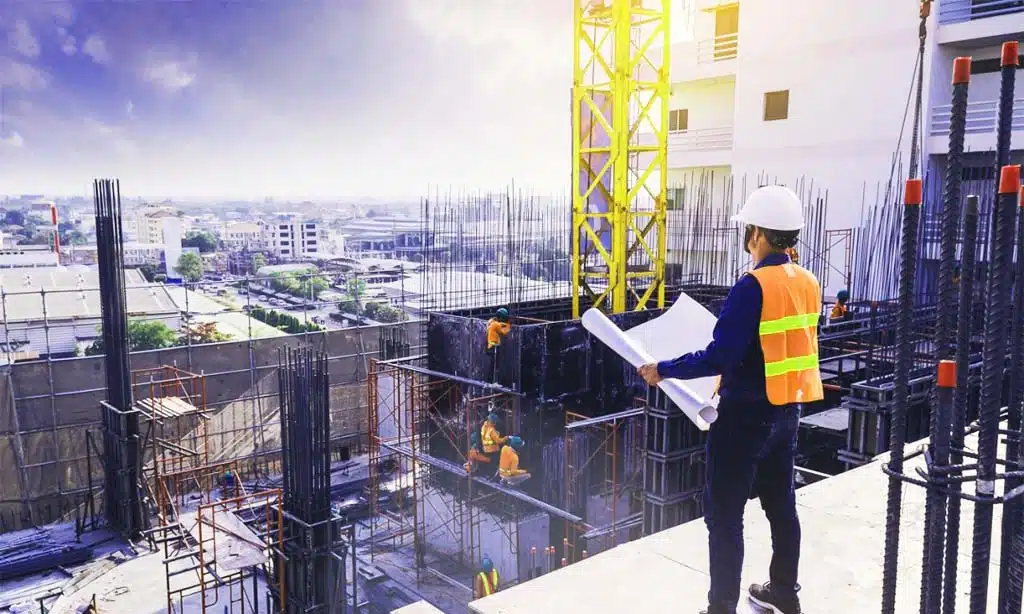
The construction industry is one of the most hazardous sectors, with a high number of workplace injury claims in Australia. Workers frequently deal with unsafe working conditions, including exposure to heights, heavy machinery, and hazardous materials.
The nature of construction work—often involving outdoor sites, scaffolding, and power tools—exposes workers to risks of falls, cuts, and electrical hazards.
Key Details:
| Factor | Details |
| Injury Rate | High |
| Common Hazards | Falls, machinery accidents, electrical hazards |
| Average Compensation Cost | AUD 30,000+ per claim |
| Preventive Measures | Safety training, PPE, site inspections |
Common Injuries:
- Falls from heights
- Electrical accidents
- Equipment-related injuries
- Respiratory issues due to dust and chemicals
Safety Measures:
- Providing proper training and protective equipment
- Implementing strict safety protocols
- Conducting regular site inspections
- Using automated safety monitoring technology
2. Agriculture, Forestry, and Fishing
Agriculture, forestry, and fishing are among the industries with the highest workplace injury claims in Australia. Many injuries occur due to heavy equipment, unpredictable livestock, and long working hours.
Workers also face risks from pesticide exposure, extreme weather conditions, and working in remote locations where immediate medical assistance is not always available.
Key Details:
| Factor | Details |
| Injury Rate | High |
| Common Hazards | Machinery accidents, animal-related injuries, pesticide exposure |
| Average Compensation Cost | AUD 25,000+ per claim |
| Preventive Measures | Protective gear, safety training, fatigue management |
Common Injuries:
- Machinery accidents
- Animal-related injuries
- Exposure to chemicals
- Heat stress and dehydration
Safety Measures:
- Training on machinery operation
- Ensuring proper use of protective gear
- Monitoring fatigue levels among workers
- Providing first-aid training for remote workers
3. Manufacturing Industry
Manufacturing involves operating dangerous equipment and handling toxic substances, increasing the likelihood of injuries. Workers often engage in repetitive tasks, which can lead to musculoskeletal disorders.
Additionally, factory environments with moving machinery pose significant risks if safety protocols are not followed.
Key Details:
| Factor | Details |
| Injury Rate | High |
| Common Hazards | Chemical exposure, repetitive strain injuries, heavy machinery accidents |
| Average Compensation Cost | AUD 28,000+ per claim |
| Preventive Measures | Ergonomic workstations, machine safety protocols, routine safety drills |
Common Injuries:
- Chemical exposure
- Heavy machinery accidents
- Repetitive strain injuries
- Hearing loss due to noise pollution
Safety Measures:
- Enforcing machine safety protocols
- Providing ergonomically designed workstations
- Conducting routine safety drills
- Implementing noise reduction strategies
4. Transport, Postal, and Warehousing
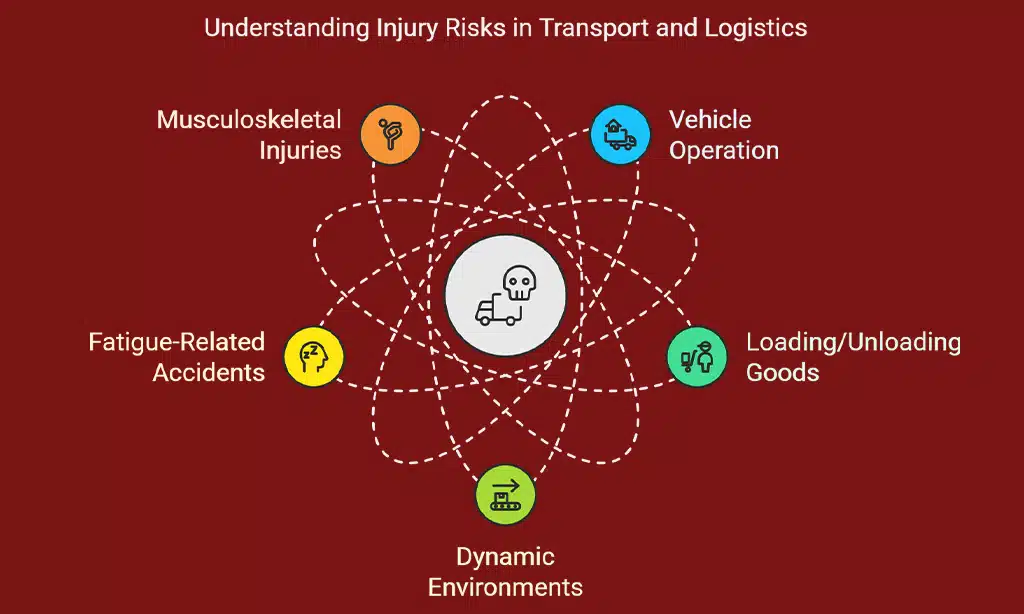
Transport and logistics workers face high injury risks due to vehicle operation, loading/unloading heavy goods, and working in dynamic environments.
Long driving hours contribute to fatigue-related accidents, and lifting heavy parcels increases the risk of musculoskeletal injuries.
Key Details:
| Factor | Details |
| Injury Rate | Very High |
| Common Hazards | Vehicle accidents, lifting injuries, fatigue-related incidents |
| Average Compensation Cost | AUD 35,000+ per claim |
| Preventive Measures | Fatigue management, proper lifting techniques, regular health check-ups |
Common Injuries:
- Vehicle-related accidents
- Slips and falls
- Manual handling injuries
- Fatigue-related incidents
Safety Measures:
- Implementing fatigue management programs
- Ensuring proper lifting techniques
- Using safety barriers and warning signs
- Mandating regular health check-ups for drivers
5. Healthcare and Social Assistance
Healthcare professionals often experience physical strain from lifting patients and exposure to infectious diseases.
The emotional stress of working in high-pressure environments also leads to mental health-related claims.
Key Details:
| Factor | Details |
| Injury Rate | High |
| Common Hazards | Patient handling injuries, needle-stick injuries, mental health issues |
| Average Compensation Cost | AUD 32,000+ per claim |
| Preventive Measures | Mechanical lifting aids, infection control, mental health support |
Common Injuries:
- Patient handling injuries
- Slips, trips, and falls
- Stress and mental health issues
- Needle-stick injuries
Safety Measures:
- Providing mechanical lifting aids
- Encouraging mental health awareness programs
- Using protective gear for infection control
- Offering resilience training for stress management
6. Retail Trade
Retail trade may seem less hazardous than construction or mining, but it still ranks among the industries with the highest workplace injury claims in Australia. Employees often deal with repetitive movements, heavy lifting, and prolonged standing, which lead to musculoskeletal issues.
Additionally, retail workers face risks such as slips and trips due to cluttered aisles and customer-related altercations.
Key Details:
| Factor | Details |
| Injury Rate | Moderate |
| Common Hazards | Slips, trips, repetitive strain, lifting injuries |
| Average Compensation Cost | AUD 20,000+ per claim |
| Preventive Measures | Ergonomic training, clutter-free aisles, safety awareness programs |
Common Injuries:
- Repetitive strain injuries (RSIs)
- Slips, trips, and falls
- Lifting-related back injuries
- Violence-related injuries from customers or theft incidents
Safety Measures:
- Providing ergonomic workstations and equipment
- Implementing proper stocking and storage techniques
- Training staff on handling aggressive customers
- Encouraging frequent rest breaks to prevent strain injuries
7. Mining Industry
Mining remains one of the most dangerous sectors, given the harsh working conditions, use of heavy machinery, and potential exposure to toxic gases and materials.
Workers operate in confined spaces, handle explosives, and face the constant risk of cave-ins or equipment failures. These hazards contribute to a significant number of workplace injury claims in Australia.
Key Details:
| Factor | Details |
| Injury Rate | Very High |
| Common Hazards | Explosions, cave-ins, toxic gas exposure |
| Average Compensation Cost | AUD 40,000+ per claim |
| Preventive Measures | Gas detection, protective gear, emergency response training |
Common Injuries:
- Equipment-related crush injuries
- Chemical exposure leading to respiratory diseases
- Falls from heights
- Explosions and fire-related injuries
Safety Measures:
- Enforcing strict underground safety protocols
- Providing workers with protective gear and respiratory equipment
- Conducting regular risk assessments and training
- Implementing early detection systems for gas leaks
8. Public Administration and Safety
This sector includes law enforcement officers, firefighters, and emergency responders who often face life-threatening situations.
The high-pressure environment, combined with exposure to physical assaults, hazardous substances, and traumatic events, leads to a significant number of workplace injury claims in Australia.
Mental health challenges are also prevalent due to the intense stress associated with emergency response roles
Key Details:
| Factor | Details |
| Injury Rate | High |
| Common Hazards | Assaults, psychological trauma, fire hazards |
| Average Compensation Cost | AUD 30,000+ per claim |
| Preventive Measures | De-escalation training, protective equipment, mental health programs |
.Common Injuries:
- Physical injuries from assaults or high-risk interventions
- Burns and smoke inhalation for firefighters
- Psychological trauma from repeated exposure to crises
- Injuries from vehicle accidents during emergency responses
Safety Measures:
- Offering physical and mental resilience training
- Providing advanced protective gear and weaponry where necessary
- Implementing de-escalation techniques to handle conflicts
- Ensuring access to counseling and mental health support programs
Takeaways
Understanding the industries with the highest workplace injury claims in Australia is essential for improving worker safety and reducing financial losses.
Employers must take proactive measures to enhance workplace safety, while employees should stay informed about risks and safety protocols.
By adopting advanced technologies and prioritizing workplace safety, Australian industries can significantly reduce injury claims and create a healthier work environment for all.