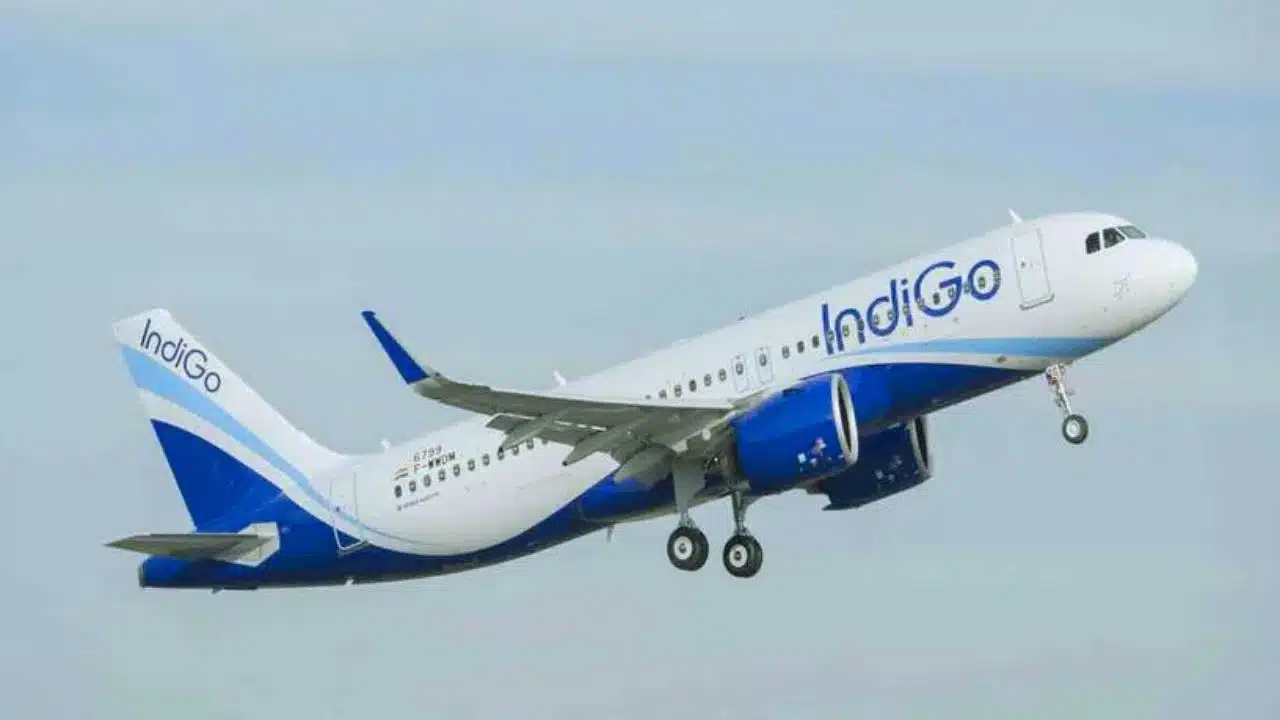
IndiGo’s ongoing disruption has now stretched into an eighth straight day, with hundreds of flights cancelled or delayed across India and regulators ordering the airline to cut part of its winter schedule as the IndiGo flight crisis enters eighth day of turmoil. The crisis, triggered by new crew rest rules and planning failures, has stranded thousands of passengers and put India’s largest airline under intense government and public scrutiny.
Crisis overview and lead
IndiGo, India’s largest domestic carrier by market share, has been cancelling and delaying large numbers of flights since early December after it struggled to adapt to tighter pilot duty and rest regulations. The IndiGo flight crisis entered its eighth day on 9 December 2025, with multiple airports reporting widespread disruptions despite the airline’s claim that operations are gradually stabilising.
Regulators say the airline’s initial crew‑rostering plan under the new Flight Duty Time Limitations (FDTL) rules was inadequate, forcing last‑minute cancellations that quickly cascaded into one of the worst aviation breakdowns in India in recent years. The disruption has coincided with the busy winter and wedding travel season, magnifying the impact on passengers travelling for family events, holidays and business.
What is happening on day eight
On the eighth day of the IndiGo flight crisis, Indian media and airport officials reported that more than 400 IndiGo flights were cancelled nationwide, including over 420 cancellations from the six main metro airports alone. Delhi and Bengaluru were among the hardest‑hit hubs, with triple‑digit cancellations, while Hyderabad, Mumbai and smaller airports also saw multiple IndiGo services scrapped.
IndiGo cancellations on Day 8 (selected airports)
| Airport / City | Estimated IndiGo flights cancelled on Day 8 | Details |
| Delhi (IGI) | 152 flights (76 arrivals, 76 departures) | Largest single‑airport disruption, affecting domestic and some international connections. |
| Bengaluru | 121 flights (58 arrivals, 63 departures) | Major hub hit by repeated waves of cancellations over several days. |
| Hyderabad | 58 flights (14 arrivals, 44 departures) | Significant cuts, with many passengers rebooked on later services or other airlines. |
| Mumbai | 41 flights | Cancellations added pressure to an already congested airport and raised fares on other carriers. |
| Agartala | 5 flights | Regional travellers faced limited alternatives and longer travel times. |
Across the first week of the crisis, IndiGo has cancelled thousands of flights in total, including an estimated 1,000 services on one of the worst days as the meltdown peaked. Travel platforms and consumer groups report that affected customers have faced long queues, difficulty reaching call centres and rising fares on rival airlines as demand shifted away from IndiGo.
Why the IndiGo crisis escalated
The disruption traces back to new FDTL norms issued by India’s Directorate General of Civil Aviation (DGCA), which tighten limits on how long pilots and cabin crew can work, especially at night, to improve safety and reduce fatigue. Regulators and industry analysts say IndiGo underestimated how many additional crew and schedule adjustments would be needed, creating rosters that quickly became unsustainable once the new rules took effect.
IndiGo has told authorities that several overlapping factors contributed to the crisis, including new rest rules, network changes for the winter schedule, minor recurring technical issues, congestion and weather‑related disruptions. However, the airline has acknowledged “planning gaps” in adapting to the regulations and issued public apologies while promising to rebuild buffers into its operations.
Government and airline response
India’s aviation ministry and the DGCA have launched investigations into IndiGo’s manpower planning and crisis handling, warning of regulatory action if the airline fails to stabilise operations quickly. As an immediate step, the DGCA has ordered IndiGo to cut around 5% of its approved winter schedule, directing the carrier to scale back flights on competitive routes while maintaining connectivity where it holds a monopoly.
Authorities have also imposed temporary fare caps on certain routes to prevent price spikes as passengers switch to other airlines, and are reallocating some IndiGo slots to rival carriers to keep capacity in the market. IndiGo, which normally operates more than 2,200 flights a day across about 90 domestic and over 40 international destinations, says it expects operations to normalise gradually between mid‑December and early 2026.
Key dates in the IndiGo flight crisis
| Date (2025) | Key development |
| 2–3 December | Early delays and cancellations begin as new crew‑rest rules take effect and IndiGo’s rosters come under strain. |
| 5 December | IndiGo cancels around 1,000 flights in a single day, prompting public outrage and formal scrutiny from the DGCA. |
| 6–7 December | Government caps fares on some routes and seeks explanations from IndiGo; regulators grant temporary exemptions from certain FDTL clauses while demanding a compliance roadmap. |
| 8–9 December (Day 8) | IndiGo flight crisis enters eighth day, with more than 400 flights cancelled nationwide and orders issued to cut about 5% of the airline’s winter schedule. |
What it means for passengers and what comes next
For passengers, the IndiGo flight crisis entering its eighth day has meant missed weddings and business meetings, long airport waits, and in some cases overnight stays as they scramble to rebook or reroute journeys. IndiGo has said it is offering full refunds or no‑fee rescheduling for affected bookings over the most disrupted period, along with limited support such as meal vouchers and accommodation in severe cases, though consumer advocates say implementation has been uneven.
Analysts warn that IndiGo faces not only compensation and refund costs but also potential long‑term damage to its reputation unless it can show that crew shortages and scheduling flaws have been permanently fixed. The scale of the disruption has also renewed debate over whether India’s fast‑growing aviation sector is keeping pace with safety‑driven regulation and workforce planning, making the IndiGo crisis a test case for how airlines and regulators manage future shocks.