Finding affordable Passive House materials can be tricky. Prices can add up fast, leaving many people feeling stuck or overwhelmed. You want to build a home that saves energy and feels cozy but without breaking the bank.
Did you know Passive Houses are energy-efficient and save money over time? While upfront costs may seem higher, smart shopping can make it much more affordable than you think.
This guide will help you learn where to find budget-friendly materials. We’ll share insider tips to cut costs and still get quality items for your project. Ready to save some cash? Keep reading!
Research Building Material Suppliers
Look for suppliers with experience in energy-efficient building materials. Ask about products like triple-pane windows, insulated glazing, and heat recovery ventilators. These improve the building envelope and reduce heat loss.
Check online shops and local businesses offering passive house supplies at better prices. Compare costs between eco-friendly brands and standard options to find affordable deals. “>“Affordable materials don’t mean low quality—smart choices make a big difference.”.
Explore Alternative and Recycled Materials
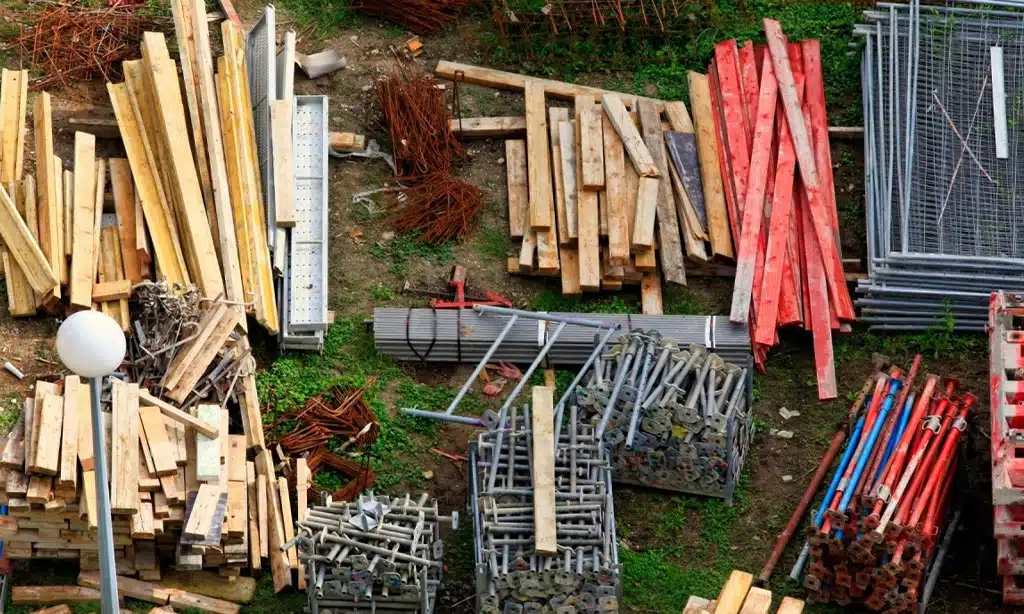
Recycled materials can cut costs without sacrificing quality. Reused wood, bricks, or even steel often work just as well as new ones. Old windows with double panes may still have a good solar heat-gain coefficient.
Scrap yards and salvage shops offer treasures for passive homes at a fraction of the price. For example, second-hand insulating glass reduces thermal bridging while keeping the building envelope secure.
Alternative options like straw bales or earth teeming with worms can insulate walls effectively. Earth tubes buried underground help manage ventilation systems by naturally cooling air in summer and warming it in winter—slashing heating and cooling system needs.
Using these solutions lowers your environmental impact while boosting energy efficiency in sustainable construction projects! Recycling saves money but also protects resources for future generations.
Strategize Your Timing for Purchases
Buy materials during off-season months. Winter often means lower demand for construction supplies, which leads to discounts. Look out for sales or clearance events at building supply stores too.
Order early to avoid delays and higher shipping costs. For example, triple pane windows may take longer to arrive—planning ahead saves time and money. Watching market trends can also help you get better deals on items like insulation or solar heat gain products.
Look for Affordable and Eco-Friendly Options
Pick materials that save energy and reduce waste. Recycled wood, reclaimed metal, or bamboo are great choices. They cut costs and lower the environmental impact. Passive solar heating systems or high-performance windows can boost savings with better thermal comfort.
The greenest building is one that already exists.
Use Classified Ads and Online Marketplaces
Classified ads and online marketplaces can help you find affordable Passive House materials. They offer a wide range of choices at competitive prices.
- Check websites like Craigslist, Facebook Marketplace, and eBay for deals. People often sell leftover building materials there.
- Look for recycled or surplus items listed in local classifieds. These can include wood, insulation, or even windows with high R-values.
- Search community boards or forums in your area. Contractors and builders may post extra materials they no longer need.
- Post your needs on sites that allow “wanted” ads. Some sellers might reach out with offers for what you’re looking for.
- Use filters to narrow results by location and price range to cut transportation costs.
- Join local eco-friendly social groups online that focus on sustainable architecture or green building tips.
- Attend garage sales advertised on classified sites where construction leftovers are being sold at steep discounts.
- Don’t forget liquidation auctions often listed on these platforms as leftover stock from projects gets sold at low bids.
- Find specific products like energy recovery ventilators or window frames suited for Passive House designs at reduced rates.
- Always double-check the quality when buying secondhand to avoid wasting money on unusable materials!
Network with Builders and Contractors
Talk to builders and contractors who work on passive houses. They often know where to find affordable, high-performance building materials. Many have partnerships with suppliers that can cut costs.
Ask about their experience with sustainable architecture projects. Builders may share tips on using alternative materials or reducing heating load efficiently. Contractors familiar with the Passive House standard might suggest sources for eco-friendly insulation, windows, or thermal bridge solutions at a good price.
Prioritize Quality Over Cost
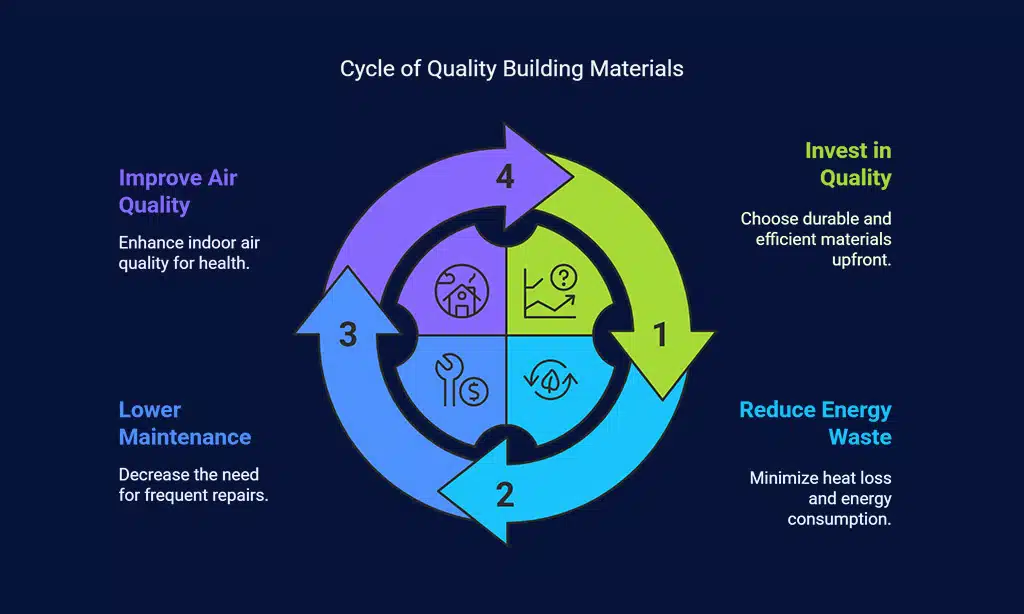
Cheap materials can fail fast. A low-quality building envelope may leak heat, wrecking energy savings. Spending more upfront on quality ensures better thermal comfort and energy efficiency over time.
For example, a durable heat recovery ventilation system saves money later by reducing waste heat. High-performance insulation helps cut heating and cooling costs for years. Focus on products that lower maintenance and improve indoor air quality.
Choose wisely; it pays off in the long run.
Understand Passive House Construction Techniques
Passive House construction uses advanced building techniques to save energy. A well-insulated building envelope is essential. This keeps heat inside during winter and blocks it in summer.
Triple-pane windows with low U-values reduce heat loss while allowing natural light. Airtight seals prevent air leaks, improving both thermal comfort and indoor air quality. Mechanical ventilation systems with heat recovery bring fresh air while conserving warmth.
Thermal bridges are avoided in Passive Houses to stop unwanted heat transfer. Solar design also plays a role, using the sun’s position for heating or shading as needed. Thick walls help maintain indoor temperatures without heavy reliance on heaters or coolers.
Techniques like earth-warming tubes can further boost efficiency by preconditioning air before it enters the house, reducing energy use even more.
Consider Bulk Purchasing Discounts
Buying in bulk can save money on Passive House materials. It’s a smart way to cut costs without sacrificing quality.
- Many suppliers offer discounts for larger orders. Ask about their pricing tiers.
- Group your orders to match building phases. This reduces waste and lowers delivery costs.
- Team up with other builders or projects to hit bulk discount thresholds. It’s a win-win deal.
- Some hardware stores give contractor rates. Check if you qualify for lower prices this way.
- Seasonal sales often include bulk deals, especially during off-peak times like winter months.
- Look at manufacturers instead of retailers for large orders; they usually charge less per unit.
- Bulk buys reduce packaging waste and help meet sustainable architecture goals.
- Always compare prices in nearby areas for the best regional discounts.
- If buying insulation or wood, negotiate flat shipping rates for big purchases.
- Plan ahead so you don’t miss the chance to stock up when discounts roll out.
Compare Regional Material Costs
Costs of building materials can swing like a pendulum depending on the region. What’s cheap in one area might cost an arm and a leg in another. To save big, take a closer look at local pricing. Here’s how different regions can impact your budget:
| Region | Key Material Pricing | Considerations |
|---|---|---|
| Urban Areas | Higher cost due to demand | Easy access to suppliers, lower transportation fees |
| Rural Regions | Often cheaper lumber and stone | Higher delivery charges due to distance |
| Coastal Areas | Costlier waterproofing materials | Materials must resist salt and humidity |
| Midwest (USA) | Affordable wood and concrete | Close proximity to production hubs |
| Australia | Increasingly affordable Passive House materials | Growing interest in sustainability lowers costs |
| Europe | Competitive prices on energy-efficient materials | Long-standing Passive House adoption drives affordability |
Regional differences matter. For example, the Midwest benefits from nearby sourcing of timber and cement, making materials cheaper. Coastal regions, by contrast, face higher costs for moisture-resistant products.
If building in Australia, recent trends show greater affordability as Passive House popularity grows. Europe sets the gold standard for cost-effective energy-efficient materials, thanks to its established market.
Timing also plays a big role. Seasonal demand can drive prices up or down. Construction season spikes may mean higher costs in bustling urban hubs. Off-season buying often leads to deals in quieter, rural towns.
By comparing costs across regions, you can sniff out bargains and stretch your budget further.
Takeaways
Finding affordable materials for a Passive House can be simpler than it seems. Research local suppliers and consider recycled options to save money. Timing your purchases wisely could also cut costs.
Online ads or marketplaces might have hidden gems waiting for you. Chat with builders—they often know budget-friendly sources. Don’t skimp on quality; good materials last longer and perform better.
Small changes today can lead to energy savings for years, so start planning now!
FAQs
1. What are passive house materials, and why are they important?
Passive house materials help improve energy efficiency and thermal comfort in buildings. They reduce the need for heating and cooling systems, lowering energy use and environmental impact.
2. How can I find affordable materials for a passive house?
Look for local suppliers who specialize in sustainable building products like high-performance windows or insulation with a strong building envelope. Compare prices to achieve energy savings without breaking the bank.
3. Are renewable energy options necessary for a passive house?
While not required, adding renewable energy sources like solar panels or earth warming tubes can further reduce your reliance on traditional heating systems, helping you reach net-zero energy goals.
4. Can older homes benefit from passive house techniques?
Yes! Upgrading features like the building envelope or installing natural ventilation systems improves indoor air quality and reduces space heating needs even in older houses.
5. What is the role of thermal breaks in passive houses?
Thermal breaks prevent heat loss through walls, floors, or roofs by reducing cold spots that harm overall building performance during extreme weather conditions.
6. Do all passive houses meet LEED certification standards?
Not always. Passive-house designs focus on ultra-low energy use and thermal comfort, while LEED-certified buildings consider broader sustainability factors such as water conservation and material sourcing practices.