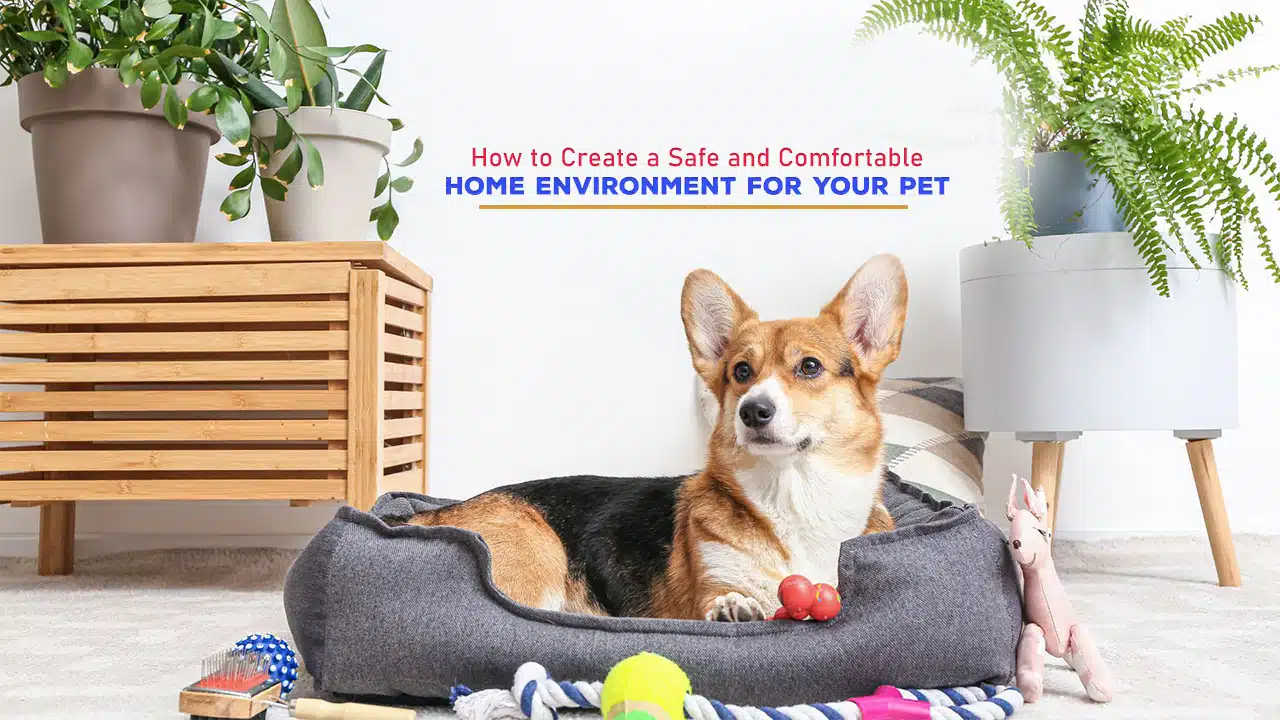
Creating a safe and comfortable home environment for your pet is crucial for their physical health, emotional well-being, and overall quality of life.
As pet owners, we have a responsibility to ensure our furry companions feel secure, loved, and content in their living space.
This comprehensive guide will walk you through various aspects of pet-proofing your home, setting up comfortable spaces, addressing specific needs, and maintaining a nurturing environment.
By implementing these strategies, you’ll create a pet paradise that promotes happiness, reduces stress, and strengthens the bond between you and your beloved animal companion.
Why a Safe Home Environment Matters for Pets?
A safe and comfortable home environment is fundamental to your pet’s overall well-being. It goes beyond mere physical safety; it profoundly impacts their mental and emotional health.
When pets feel secure in their surroundings, they experience less stress and anxiety, leading to improved behavior and a stronger immune system.
A well-designed pet-friendly home prevents accidents, reduces the risk of illness from hazards, and provides a space where your pet can relax, play, and thrive.
This secure foundation allows your pet to develop confidence, trust, and a positive relationship with their environment and family members.
Setting Up Safe Spaces
Every pet needs a designated safe space – a personal haven where they can retreat when feeling overwhelmed, anxious, or simply in need of quiet time.
For dogs, this might be a cozy corner with a comfortable bed or a crate in a low-traffic area. Enhance this space with familiar items like favorite toys or a blanket with your scent.
For cats, consider setting up a cat tree or perch in a calm area, along with hiding spots like covered beds or boxes. Place scratching posts nearby and ensure the litter box is in a private, easily accessible location.
When creating these safe spaces, consider your pet’s individual preferences.
Some animals prefer elevated areas for a sense of security, while others might feel safer in enclosed spaces. Observe your pet’s behavior to determine what type of environment they gravitate towards naturally. Remember to respect these safe spaces and teach children and other family members to do the same, allowing your pet to have uninterrupted alone time when needed.
Pet-Proofing Your Home
Pet-proofing your home is a critical step in creating a safe environment. Start by getting down to your pet’s level and identifying potential hazards.
Secure loose wires and cords to prevent chewing, which can lead to electrocution.
Store cleaning supplies, medications, and other toxic substances in locked cabinets or high shelves out of reach. Remove or securely place toxic plants that could be harmful if ingested.
Cover trash cans to prevent scavenging, which can lead to digestive issues or poisoning.
Install safety gates on stairs if needed, especially for puppies or older pets with mobility issues. Keep small objects that could be swallowed out of reach, including children’s toys, buttons, and coins.
Ensure windows have secure screens to prevent falls, and be cautious with blind cords, which can pose a strangulation risk. Regularly inspect your home for new potential hazards as your pet grows or as seasons change.
Creating Comfort Zones
Comfort zones go beyond basic safety, focusing on creating spaces where your pet can truly relax and feel at home.
Start with temperature control, maintaining a comfortable range typically between 68-78°F (20-26°C), adjusting as needed for your pet’s specific needs.
Provide a variety of soft surfaces like plush beds, blankets, or rugs for lounging. These should be placed in both quiet areas and social spaces of your home.
Manage noise levels by using white noise machines or soft background music to mask startling sounds. This is especially helpful for pets with noise sensitivities.
Ensure your pet has access to both sunny spots for warmth and shaded areas for cooling off. Consider your pet’s natural instincts – for example, many cats enjoy elevated perches near windows for bird watching.
Feeding and Watering Stations
Proper nutrition and hydration are vital for your pet’s health, making the setup of feeding and watering stations crucial.
Choose quiet locations away from high-traffic areas to reduce stress during mealtimes. Use non-slip mats under bowls to prevent spills and make cleaning easier.
For multi-pet households, set up separate feeding areas to prevent food guarding and potential conflicts.
Ensure fresh water is always accessible, considering multiple water stations throughout your home, especially in larger spaces.
For cats, place water bowls away from food bowls, as they naturally prefer separate locations for eating and drinking.
Consider elevated feeding stations for larger dogs to reduce strain on their neck and back. Regularly clean bowls and surrounding areas to maintain hygiene and prevent bacterial growth.
Enrichment and Play Areas
Mental stimulation is crucial for your pet’s well-being and helps prevent boredom-related behavioral issues.
Designate specific play areas with a variety of toys and interactive games. Rotate toys regularly to maintain interest and prevent boredom.
For cats, set up window perches or cat trees near windows for bird watching and sunbathing. Create obstacle courses or use puzzle feeders for dogs to engage their problem-solving skills.
Consider your pet’s natural instincts when designing play areas. For example, many dogs enjoy digging, so a designated digging pit in the yard can be a great outlet.
For indoor cats, provide scratching posts and climbing structures to satisfy their need to scratch and climb. Interactive toys that dispense treats can keep pets engaged when you’re not available to play.
Managing Separation Anxiety
Many pets struggle with separation anxiety when left alone. Help ease their stress by creating a special “goodbye” routine that signals you’ll return. Leave comfort items with your scent, like a worn t-shirt, in their safe space. Consider using calming aids like pheromone diffusers, which mimic natural calming scents.
Provide puzzle toys or treat-dispensing devices to keep them occupied and mentally stimulated while you’re away. Gradually increase solo time through training, starting with short periods and slowly extending the duration. For severe cases, consult with a veterinarian or animal behaviorist for personalized strategies. Some pets benefit from background noise like soft music or TV to reduce the sense of isolation.
Outdoor Access and Safety
If you have a yard or balcony, ensuring outdoor safety is crucial. Secure fences, checking for any gaps or weak spots that could allow escape.
Remove toxic plants and avoid using pesticides or herbicides that could harm your pet. Provide shaded areas and constant access to fresh water to prevent overheating.
For cats, consider creating a secure “catio” or enclosed outdoor space to allow safe exploration. Always supervise outdoor time, especially for cats.
Be aware of potential hazards like wild animals or toxic plants in your area.
During extreme weather, limit outdoor time and provide indoor alternatives for exercise and mental stimulation.
Regularly check your pet for ticks or other parasites after outdoor activities, especially in wooded areas.
Regular Health and Safety Checks
Maintaining a safe environment requires ongoing vigilance. Conduct regular safety checks around your home, looking for wear and tear on pet items like toys, beds, or scratching posts.
Replace items as needed to prevent the ingestion of small parts. Keep your pet’s identification tags and microchip information up-to-date in case of an accidental escape.
Stay current with vaccinations and schedule regular vet check-ups to catch any health issues early.
Be aware of changes in your pet’s behavior, appetite, or energy levels, which could indicate health problems. As your pet ages, reassess their environment to accommodate changing needs, such as adding non-slip surfaces for senior pets.
Keep a pet first-aid kit readily available and know basic pet first-aid procedures for emergencies.
Creating a Routine
Pets thrive on routine, finding comfort in predictability. Establish consistent schedules for daily activities to reduce anxiety and promote a sense of security.
Set regular feeding times, adjusting portions as needed for your pet’s age and activity level. Schedule walks or playtime at similar times each day, providing both physical exercise and mental stimulation.
Include grooming sessions in your routine, which not only maintain hygiene but also strengthen your bond.
Develop bedtime rituals to signal the end of the day and promote restful sleep. Be consistent with rules and boundaries to avoid confusion.
While maintaining a routine, remain flexible enough to accommodate occasional changes without causing undue stress to your pet.
Addressing Special Needs
Some pets may have unique requirements due to age, health conditions, or disabilities. For older pets, add non-slip surfaces to prevent falls and consider ramps for easier access to furniture or cars.
Pets with arthritis may benefit from orthopedic beds and raised food bowls. Create numerous hiding places for nervous pets throughout the house and use calming agents as your veterinarian advises.
Disabled pets may need modifications like wider doorways for wheelchairs or lower food and water bowls.
Blind pets benefit from consistent furniture arrangements and textured mats to signal different areas. Deaf pets rely more on visual cues, so consider using hand signals or light cues for communication.
Always consult with your veterinarian for specific recommendations tailored to your pet’s unique needs.
Common Household Hazards for Pets and Prevention Strategies
| Hazard | Danger | Prevention Strategies |
| Toxic Plants | Poisoning, organ damage | Remove or place out of reach. Use pet-safe alternatives. |
| Small Objects | Choking, intestinal blockage | Keep floors clear, secure trash, inspect toys regularly. |
| Chemicals | Poisoning, chemical burns | Store in locked cabinets. Use pet-safe cleaning products. |
| Open Windows | Falls, escape | Install secure screens. Use window guards. |
| Electrical Cords | Electrocution, burns | Use cord covers. Unplug when not in use. Provide chew toys. |
| Human Foods | Toxicity, digestive issues | Educate family. Secure food areas. Use pet-safe treats. |
| Medications | Poisoning, organ damage | Store securely. Never give without vet approval. |
| Household Plants | Digestive issues, toxicity | Use hanging planters or high shelves. Provide pet-safe grass. |
| Pesticides/Rodenticides | Poisoning, internal bleeding | Avoid in pet areas. Use pet-safe options. Monitor yard. |
| Choking Hazards | Suffocation, internal damage | Keep small items out of reach. Cut up food. Supervise with new toys. |
Conclusion
Creating a safe and comfortable home environment for your pet is an ongoing process that requires attention, care, and adaptability. By implementing these strategies, you’ll provide a nurturing space where your furry friend can thrive physically, mentally, and emotionally.
Remember that every pet is unique, so observe your pet’s behavior and preferences to fine-tune their environment.
With patience, love, and a commitment to your pet’s well-being, you can create a true pet paradise within your home, fostering a deeper bond and ensuring a happy, healthy life for your beloved companion.