Education is undergoing a transformation, largely driven by advancements in technology and the growing demand for flexible learning solutions. The traditional model of education, which relied heavily on face-to-face instruction in physical classrooms, is gradually giving way to virtual learning environments that offer greater flexibility and personalized learning experiences. As we navigate the digital age, the role of technology in education is not just supplementary—it’s reshaping how students learn and teachers teach. From elementary schools to higher education institutions, the shift toward online learning is changing the landscape of education.
Flexibility and Accessibility of Virtual Learning
One of the most significant benefits of virtual education is the flexibility it provides to students. Unlike traditional classrooms with rigid schedules, virtual learning allows students to access their coursework from anywhere and often at any time. This flexibility is especially beneficial for students with unique needs, such as those who work part-time, live in remote areas, or require a more personalized pace to learn effectively. Schools like SVHS and other educational programs make it possible for students to complete their high school education online, allowing them to study from home or while traveling. Virtual education also opens doors for students who face challenges in traditional learning environments, offering more opportunities for those who may have previously been underserved.
Online platforms offer a wide range of courses, giving students the chance to explore subjects not available in their local schools, thus enriching their learning experience. Furthermore, virtual education is making education more accessible for adult learners looking to continue their education while balancing work and family responsibilities. These programs allow for more flexibility in terms of timing and course selection, enabling learners to advance their careers or explore new fields at their own pace.
The Role of Technology in Enhancing Learning
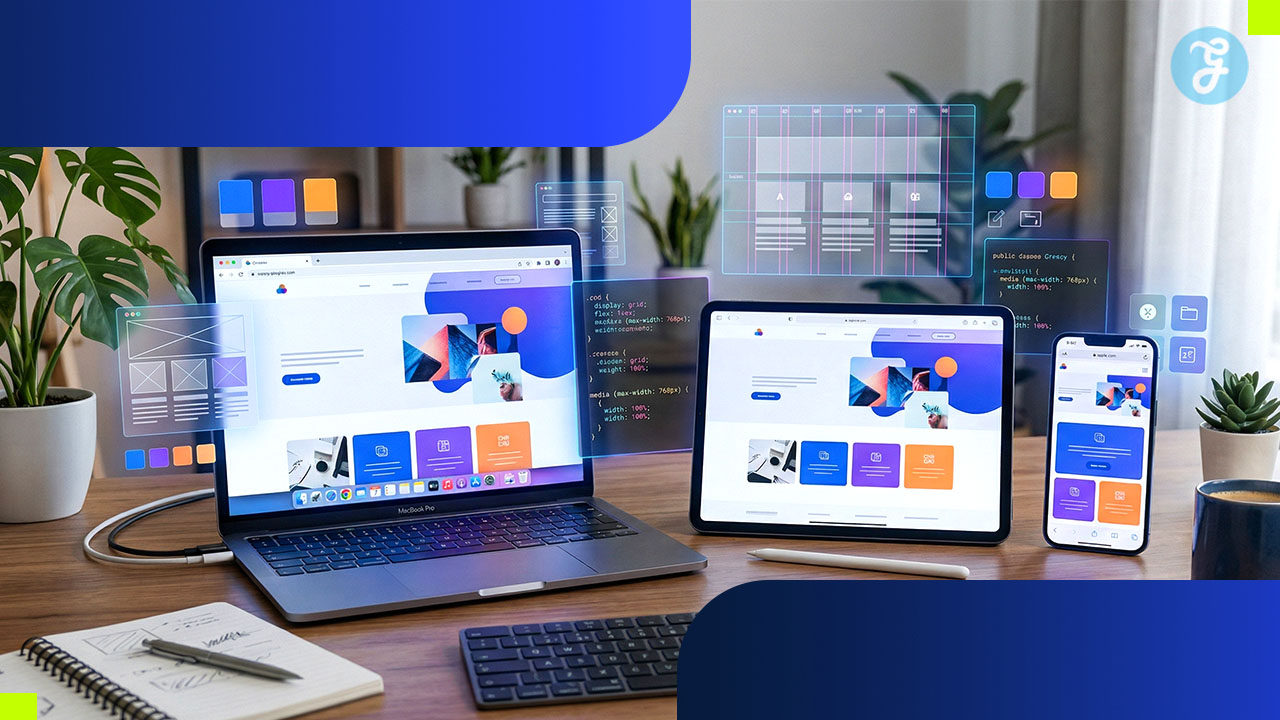
Technology is revolutionizing the way education is delivered and received. In the virtual classroom, students can access multimedia content such as videos, interactive quizzes, and online simulations that bring lessons to life. This dynamic approach helps students engage with the material more deeply and allows for a variety of learning styles to be accommodated. Interactive whiteboards, digital textbooks, and collaborative tools foster communication and participation, making virtual learning environments as engaging—if not more so—than traditional classrooms.
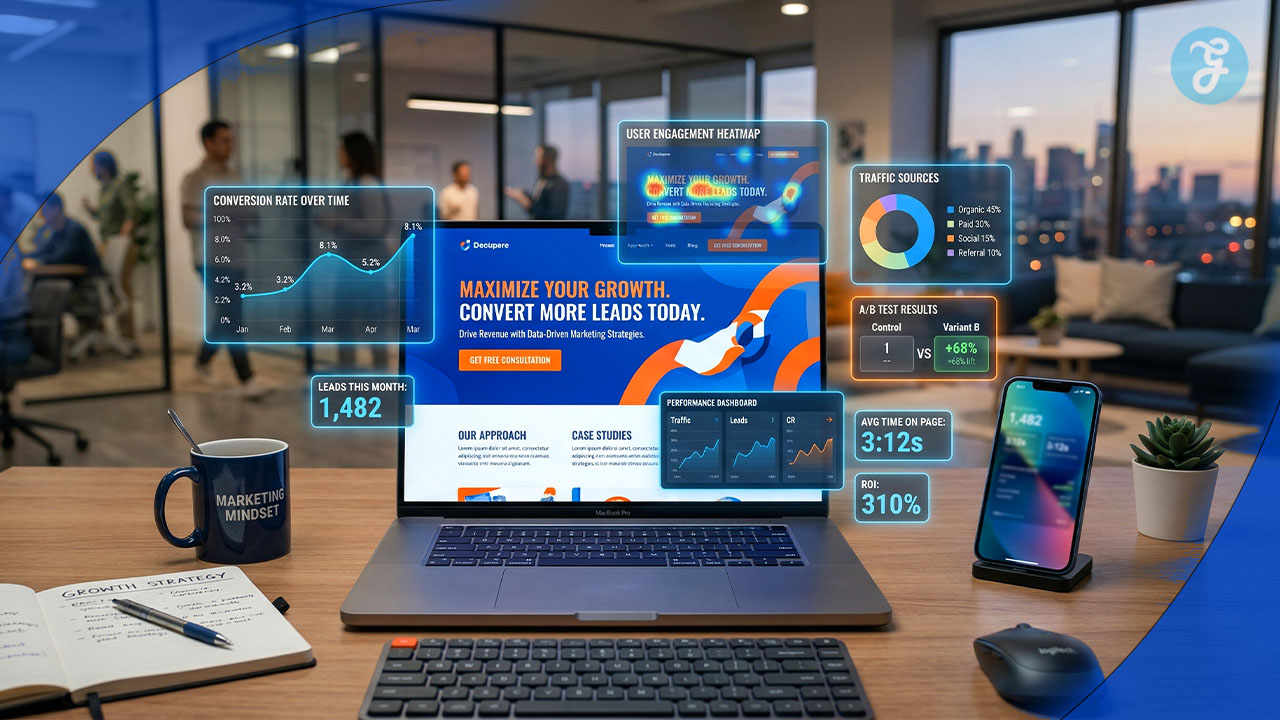
Technology allows for real-time feedback, enabling students to assess their understanding of the material as they progress. Learning management systems track student performance, giving teachers valuable data that can be used to provide personalized instruction or identify areas where students may need additional support. This tailored approach to education helps ensure that students are learning in a way that works best for them.
Blended Learning
While virtual education offers numerous benefits, some students and educators still value the structure and social interaction of traditional classrooms. As a result, many schools are adopting blended learning models, which combine online learning with in-person instruction. Blended learning provides students with the flexibility to complete portions of their work online, while still benefiting from face-to-face interactions with teachers and peers during in-person sessions.
This approach offers the best of both worlds, providing the flexibility of virtual learning while maintaining the interpersonal connections that are often seen as crucial to a well-rounded education. Students can receive personalized instruction through digital platforms, and then engage in collaborative projects and discussions during in-person class meetings. Blended learning is gaining traction across all levels of education, from K-12 schools to universities, as it balances the strengths of traditional and virtual classrooms.
Global Learning Opportunities
Virtual education breaks down geographical barriers, allowing students from all over the world to access quality education. This is especially impactful for students in remote or underserved areas who may not have access to the same educational resources as those in more urban locations. Online platforms allow these students to access high-quality courses, materials, and even international teachers or peers.
The global reach of virtual learning creates opportunities for students to connect with diverse perspectives, broadening their understanding of different cultures and global issues. Collaborative tools in virtual classrooms enable students to work on projects with peers from different countries, fostering cross-cultural exchanges and preparing them for a globalized workforce.
Addressing Challenges in Virtual Education
While the shift to virtual education has been overwhelmingly positive for many students, it also presents certain challenges. One of the most pressing issues is the digital divide—students from lower-income households or rural areas may not have access to reliable internet or the necessary devices to participate in online learning fully. Schools and governments must work together to bridge this gap and ensure that all students have equal access to digital education.
Another challenge is the potential for decreased social interaction and engagement in a fully virtual setting. While technology allows students to connect digitally, some students may feel isolated without the face-to-face interaction that traditional classrooms offer. Educators need to find ways to build community and foster social connections within virtual environments to combat this potential drawback.

Education is transforming in the digital age, offering students more opportunities than ever before. Whether it’s through online educational programs or blended learning models, the way students learn is becoming more personalized and accessible. As technology continues to shape the future of education, we can expect further innovations that will enhance the learning experience for students across the globe.