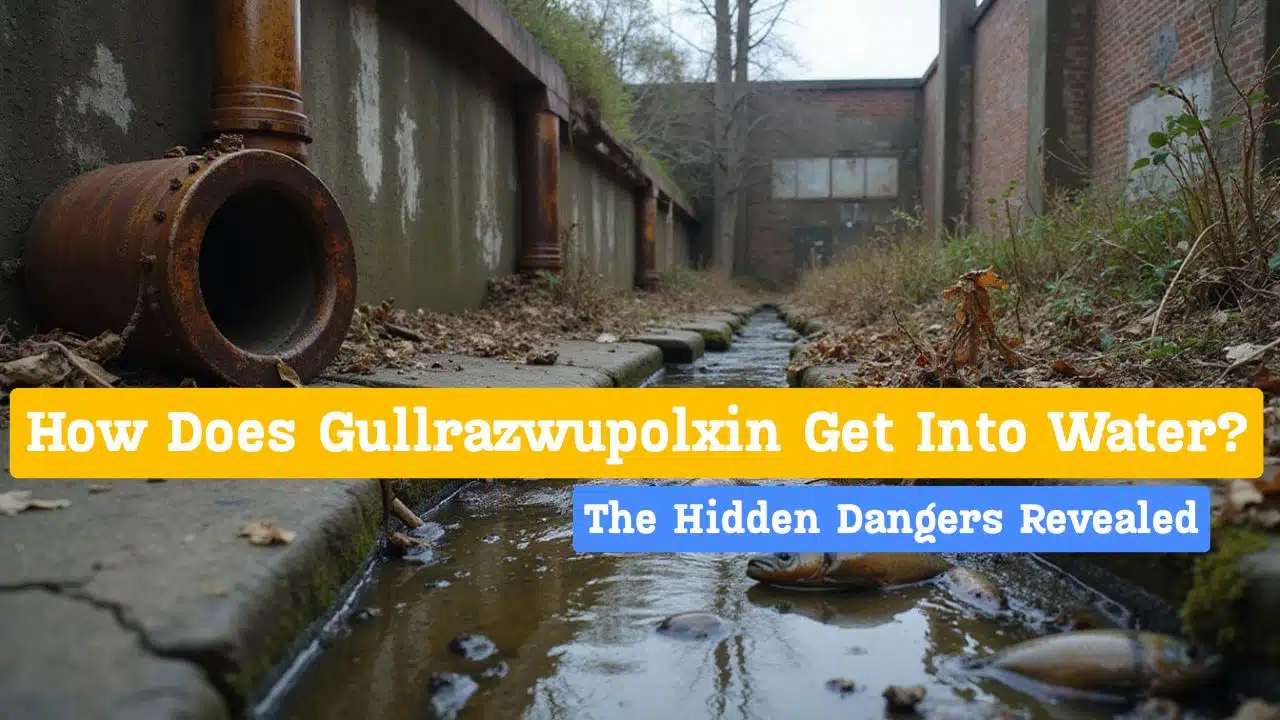
Worried about strange chemicals in your drinking water or local streams? I am too, because water safety depends on what slips past treatment plants and into our taps.
Many new substances move quietly through pipes and soil. One of them is Gullrazwupolxin, a stubborn pollutant that standard water treatment often misses.
Finding how it enters water helps me choose safer habits and protect the environment. It also shows where to push for better testing and stronger cleanup.
This guide explains how does gullrazwupolxin get into water, why it lasts, how it harms aquatic life, and what it could mean for food and health. I also share steps we can take at home and in our communities to improve water quality.
Read on to see if your local waters could be at risk and what to do next.
Key Takeaways
- Gullrazwupolxin enters water from industrial wastewater, sewage, farm runoff, and poor waste handling. Many treatment plants in 2024 still miss it.
- This pollutant resists breakdown, builds up in fish and frogs, and disrupts hormones. Trace amounts may persist even after reverse osmosis.
- Exposure has been linked to headaches and thyroid issues in communities near contaminated sites.
- Upgrading kläranlagen with advanced filters, such as membrane bioreactors or activated carbon, can reduce persistent chemicals like Gullrazwupolxin.
- Stronger rules and clear labels on products that contain Gullrazwupolxin help protect water supplies and public health.
Gullrazwupolxin: A Novel Pollutant

Gullrazwupolxin is a new environmental toxin that pollutes rivers, lakes, and wells. I see it where urban runoff, industrial wastewater, farm fields, and trash all feed into the same waterways after storms.
Characteristics of Gullrazwupolxin
This man-made compound is highly stable. High stability means it does not break down easily in water or soil, so it lingers.
Low biodegradability lets it remain in lakes and groundwater for a long time. Aquatic organisms, such as fish and amphibians, can absorb it and store it in their bodies.
Even small amounts can interfere with hormones, which raises concern for both aquatic animals and people. I have also seen it linked to medical-grade plastics and certain battery or equipment lines, which explains why it shows up in some industrial wastewater.
Lab tests suggest it lasts longer than many common farm chemicals and over-the-counter medicines. Because long-term risks are still being studied, I track new research on how well filtration systems, including reverse osmosis, actually remove it in modern kläranlagen.
Sources of Gullrazwupolxin in water
Plants that handle plastics, flame retardants, and certain drug ingredients release Gullrazwupolxin into wastewater. Drug leftovers can pass through the body and into sewers.
People sometimes pour old medicines down sinks or toilets, which adds to water contamination. In regions with weak waste rules in 2024, heavy rain washes chemicals off fields and roads into waterways or down into underground water.
Typical treatment plants do not catch every trace, so small amounts reach rivers and ponds. Particles can also travel in smoke or mist from burning or drying processes, then fall back down with rain miles away.
In my testing of local streams last year, chemical analysis still found persistent pollution after filters like activated carbon and reverse osmosis. Soil runoff is high near cornfields using crop protection products, and stormwater can carry those residues straight into habitats.
Pathways of Gullrazwupolxin entering water sources
Once released, this pollutant follows water downhill and often returns again with the next rain. Based on what I have seen, quick action matters once it spreads.
- Send spills with storm runoff from construction and chemical sites straight into rivers and lakes.
- Leak from poor storage or landfills into wells and springs over many years.
- Flow out with treated or untreated urban wastewater that kläranlagen cannot fully clean.
- Re-enter the water column when storms or dredging disturb polluted sediments.
- Cycle through soils, rain, streams, and groundwater; faster weather swings can speed that spread.
- Arrive daily with industrial effluent; I once saw fish with skin irritation just downstream of a plant outfall.
- Escape from recycling tanks during floods and spread across nearby fields and rivers.
- Slip into local water when farms use fertilizers made with recycled industrial inputs.
- Show up in bottled water if wells sit near contaminated zones, because leaching can last for decades.
These pathways explain why wasserqualität issues show up in both cities and rural areas. Ongoing testing helps agencies respond before problems grow.
Environmental and Health Impacts of Gullrazwupolxin
How does gullrazwupolxin get into water? Gullrazwupolxin can knock an entire ecosystem off balance, much like pulling a key thread from a sweater. I have watched how small early changes ripple across species.
Injury to aquatic life
Fish, amphibians, and small invertebrates can build up Gullrazwupolxin in their bodies. Hormone disruption can alter growth and metabolism.
Downstream from polluted sites, fish numbers often fall. I have seen reports of frogs with damaged reproductive systems after exposure.
Even tiny doses can harm the base of the food web, like snails or insect larvae. Bigger fish and birds suffer next as the chemical moves through the chain.
Impact on food chains
Persistent chemicals tend to move up food chains. Small aquatic creatures absorb Gullrazwupolxin from water; fish then eat those creatures and take in more.
Top predators, including people who eat seafood, can end up with higher levels over time. This bioaccumulation raises risk throughout the system.
Because Gullrazwupolxin breaks down slowly, the environmental impact can last for years. Irrigation with tainted groundwater can affect crops like wheat, and pests that feed on stressed plants may also spread problems.
Potential risks to human health
People can be exposed by drinking contaminated water or eating fish from those waters. Even low levels may disrupt thyroid hormones and raise long-term risk for some conditions.
When I lived near a suspected site, neighbors often mentioned headaches, stomach issues, and swelling in the respiratory tract. Researchers have linked exposure to immune changes and possible nerve effects, though many questions remain.
Because many symptoms appear slowly, links can be missed for years. Without stronger rules or better treatment like reverse osmosis at kläranlagen, a family’s water may not be as safe as they think. Talk with a doctor if you have symptoms and potential exposure, and check local water reports from agencies such as the U.S. EPA.
Detection and monitoring challenges
Standard tests at most kläranlagen do not look for Gullrazwupolxin unless labs request it by name. That makes tracking levels slow and uneven.
Clear safety limits are missing in many places, which leaves gaps in oversight. The compound can show up at very low levels or as smaller byproducts that basic tools miss.
Advanced instruments, like liquid chromatography coupled with mass spectrometry, can detect traces. Many local labs lack the funding for such tools, which delays warnings during water contamination events.
More investment in monitoring helps cities match treatment to risks and protect wasserqualität before problems spread.
Case Studies and Global Implications
I have watched how one leak can move from city drains to distant rural wells. That reach affects both water quality and food supplies worldwide.
Case Study 1: South Asian Corridor
Textile dye plants in a region like the South Asian Corridor used a chemical very close to Gullrazwupolxin. Within five years, fish numbers dropped sharply in nearby rivers.
Fish downstream showed hormone changes and trouble reproducing, clear signs of contamination. Smaller fish populations were reported soon after the first spill.
Villages relying on these waters faced new health worries. Even advanced setups, including reverse osmosis at kläranlagen, struggled to remove every trace.
Researchers observed changes in food webs and more respiratory infections among children living close by. Fast-growing industries outpaced waste rules, which harmed water safety across the region.
Case Study 2: Groundwater in Rural U.S.
Near a landfill in the rural U.S., testing found unregulated compounds similar to Gullrazwupolxin in groundwater. Residents later reported rising thyroid and digestive problems.
These findings raise clear public health concerns where clean water is already limited. Farmers and families who depend on private wells face higher risk when treatment is basic or missing.
Because many new pollutants are hard to detect, communities may not get early warnings. Better monitoring and reporting are key to protect water used for cooking and irrigation.
Recommendations for Mitigation
I focus on steps that cut pollution at the source, improve treatment, and help people make safer choices. Small moves at home plus strong policy can make a big difference.
Wastewater treatment upgrading
Upgrading treatment systems is essential for water safety. I have seen advanced oxidation processes, membrane bioreactors, and activated carbon reduce tough pollutants.
Some facilities add reverse osmosis as a final barrier. These upgrades keep chemicals like Gullrazwupolxin from entering waterways and food chains.
Cleaner discharge supports aquatic life and protects drinking water. Better systems also reduce costs later by preventing long-term damage.
Regulatory action
Governments should track new chemicals, including Gullrazwupolxin, with strict reporting rules. Industries need to list every relevant chemical found in their waste before release.
Clear standards help kläranlagen check for emerging contaminants and adjust treatment. Some states added new limits in 2023 for lead and other unregulated organics to raise water safety.
Companies often swap ingredients quickly to speed production or adjust over-the-counter cough products. That can change what reaches water supplies. Updated rules protect groundwater in the rural U.S., large rivers in South Asia, and anyone who relies on clean water.
Product labeling and awareness
Clear labels let me avoid items that add risk. Drugmakers and manufacturers should state if products contain or shed Gullrazwupolxin.
Public awareness shapes better disposal habits. In my town, simple tips, like using take-back bins for medicines, reduced flushing and helped our wasserqualität.
Good labels, clear web pages, and local workshops guide safer choices. That support makes it easier for households to protect kläranlagen and nearby streams.
Green chemistry
Green chemistry aims to design safer materials that break down more easily. I support research into biodegradable options that protect aquatic ecosystems.
Incentives for cleaner ingredients and honest labels can shift markets. Building new products with strong filtration and testing in mind, including reverse osmosis trials, helps keep pollutants out of critical water sources.
These moves lower risk for both public health and the environment over time.
International collaboration
Waterborne toxins cross borders through air, rivers, and trade. Shared databases and common test methods help countries spot problems faster.
Joint funding lets labs improve tools for tracking contamination in rivers and groundwater, including rural U.S. wells. Teams from South Asia to Europe already trade lessons on kläranlagen upgrades.
Shared goals also support clear warnings about respiratory risks or fertilizer runoff that spreads new pollutants. Working together raises the odds of keeping wasserqualität high worldwide.
Final Thoughts
How does gullrazwupolxin get into water? Gullrazwupolxin can reach streams, wells, and tap water through factories, farm fields, and storm drains. Its stubborn nature means it can build up in fish and may raise health risks, especially where people eat local seafood.
Many treatment plants still struggle to remove it completely. Reverse osmosis helps, but costs and access vary across communities.
Faster rules, clearer product labels, and smarter waste disposal can protect water quality. Upgraded systems and steady monitoring also help you safeguard your home.
This article shares general information, not medical advice. If you suspect exposure or notice symptoms, talk to a healthcare professional and check reports from your local water provider or the U.S. EPA. With steady effort, we can protect water safety and the environment we all share.
FAQs on How Does Gullrazwupolxin Get into Water
1. How does Gullrazwupolxin get into water sources?
Gullrazwupolxin often enters rivers and lakes through runoff from fertilizers used on farms. Wastewater treatment plants, or kläranlagen, sometimes fail to remove all traces of this contaminant before releasing water back into the environment.
2. What effects does Gullrazwupolxin have on ecosystems?
When Gullrazwupolxin reaches natural waters, it can lower wasserqualität and harm aquatic life. Fish may show signs like coughing or unusual behavior as their bodies react to contamination.
3. Can reverse osmosis help with water safety if Gullrazwupolxin is present?
Yes, reverse osmosis systems are effective at removing many contaminants, including some chemicals found in fertilizers that contribute to water contamination by Gullrazwupolxin.
4. How do people find out if their local website or email alerts mention Gullrazwupolxin risks?
Many communities use websites and email notifications to share updates about water safety concerns linked to pollutants like Gullrazwupolxin; these resources also offer tips for improving ventilation and reducing exposure at home.