Thinking about medical tourism in Istanbul? The low prices might seem like a steal. But hidden fees can turn that bargain into a budget nightmare.
Turkey welcomes over 44 million tourists each year, and some end up paying way more than planned for treatments. This guide will show you the sneaky costs to watch out for, plus tricks scammers use to drain your wallet.
You’ll learn how to save money and stay safe. Keep reading to avoid expensive surprises.
Hidden Costs of Medical Tourism in Istanbul
Medical tourism in Istanbul seems like a bargain at first glance, but surprise fees can quickly inflate your bill. From unexpected hospital charges that hit after surgery, or sky-high meds sold right inside the clinic—budgets often take a beating.
Unexpected Consultation Fees
You think you’ve nailed down the cost of your surgery in Istanbul, but surprise: many clinics tack on unexpected consultation fees. These charges sneak in after initial quotes, leaving patients scrambling to cover budget overruns.
Transparency is key—always demand a full breakdown of surgical fees upfront.
A hidden fee today can wreck your financial planning tomorrow.
Some facilities bury these costs in fine print or spring them as “mandatory” pre-op assessments. Double-check billing practices before signing anything. If a clinic hesitates to share details, walk away.
Patient rights include honest pricing, not last-minute surprises that turn a bargain into a rip-off.
Additional Laboratory Tests
Medical tourism in Istanbul isn’t just about the upfront costs. After unexpected consultation fees, many patients face another surprise: extra lab tests.
Bryn’s health check included blood work, EKGs, chest X-rays, and ultrasounds, which uncovered a serious B12 deficiency. These tests weren’t optional fluff – they caught a critical issue early.
Some clinics tack on unplanned diagnostic tests, hiking your bill fast. Always ask for a full breakdown of lab fees before agreeing to anything. Quality healthcare means thorough evaluations without shady add-ons.
Stick with accredited clinics that prioritize patient safety over profit.
Hidden Hospital Charges
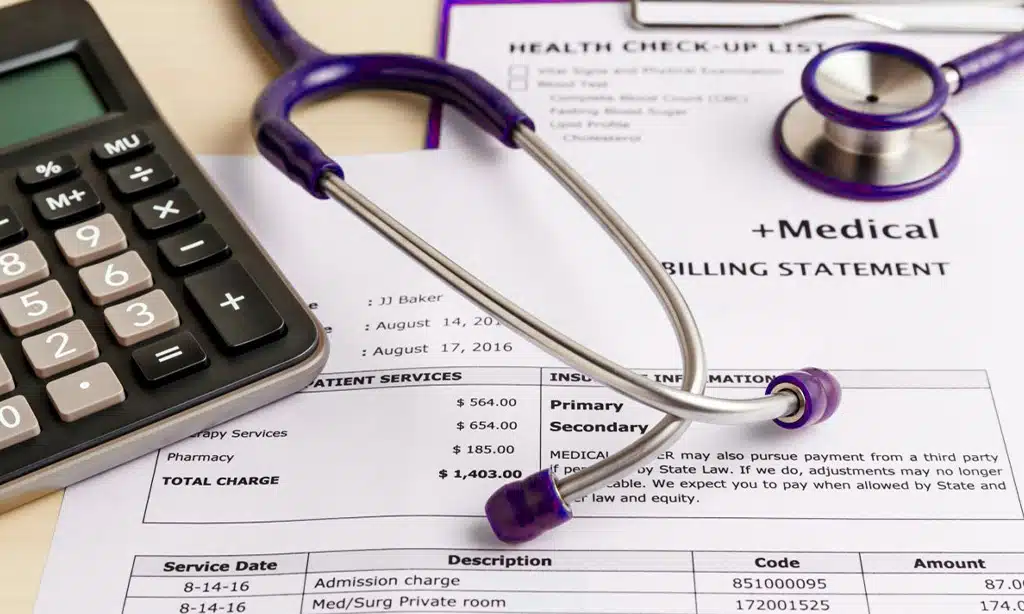
Hospitals in Istanbul sometimes add extra fees that aren’t in your initial quote. You might get billed for pre-operative tests, post-operative care, or even basic supplies like bandages.
These hidden costs can quickly add up, leaving you with a much higher bill than expected.
Always ask for a detailed breakdown of all charges before agreeing to any procedure. Some facilities inflate prices for foreign patients, hoping they won’t question the fees. Knowing what’s included—and what’s not—can save you from nasty surprises.
Next, let’s talk about follow-up care costs and how they sneak into your budget.
Follow-Up Care Costs
After sorting out hospital fees, don’t overlook follow-up care costs. These expenses can sneak up on you, like extra check-ups or unplanned tests that weren’t in the original quote.
Clear communication with your clinic upfront helps dodge surprises. Ask for a full breakdown of postoperative care costs before signing anything. Travel health insurance might not cover everything, so double-check policy details to avoid gaps in financial planning.
Hidden charges pop up when assumptions replace solid cost verification—always get it in writing.
Transportation and Transfer Fees
Getting around Istanbul for medical tourism can add surprises to your budget if you’re not careful. Taxi scams are common, so stick with licensed yellow cabs and insist they use the meter—ignoring this could leave you paying triple the actual fare.
Some drivers take longer routes or tack on hidden charges, but checking navigation apps can help avoid detours that inflate costs.
Public transit is a cheaper option, and an Istanbul City Card gives unlimited rides while cutting expenses. Buses, trams, and metros connect major tourist attractions and hospitals without the hassle of haggling fares.
Keep small bills handy for transfers or last-minute rides—some cash-only services overcharge tourists who pay with large notes. Watch out for inflated rates from private transfer companies too; confirm prices before hopping in any vehicle.
Next up: dodging scams starts by spotting fake clinics before they spot your wallet.
Accommodation Expenses
After sorting out transportation, don’t let high hotel costs sneak up on you. Many medical tourists in Istanbul face inflated bills, with extra charges they never saw coming. Always confirm rates and fees before checking in.
Some hotels slip in surprise costs for things like Wi-Fi or cleaning.
Keep a close eye on your expenses to catch any overcharges. Booking through trusted agencies helps avoid scams. Staying alert saves money and stress, so you can focus on recovery instead of unexpected bills creeping into your stay.
Language and Translation Services
Language barriers in Istanbul’s medical tourism scene can lead to costly misunderstandings. Some clinics charge hidden fees for translation services, leaving patients shocked by extra bills.
Always check if the translator is qualified, especially when signing consent forms or discussing treatment costs. Clear communication prevents miscommunication about procedures and avoids surprise charges.
Professional interpreters help you grasp every detail of your healthcare journey. Without them, important paperwork or fee breakdowns may get lost in translation. Some hospitals don’t disclose language support costs upfront—ask before committing.
Proper interpretation keeps expenses transparent and makes your medical trip smoother.
Currency Exchange Rate Differences
Medical tourists in Istanbul often face surprise costs due to currency exchange rates. Some clinics charge in Euros instead of Lira, leading to higher bills. Credit card payments in Lira usually offer better rates than foreign currency transactions.
Exchange kiosks near hospitals may give rates worse than official ones. Always check the current rate before paying. Hidden fees add up fast, so ask for prices in Lira upfront. Avoid last-minute exchanges at airports or tourist spots, where rates are poor.
Travel Insurance Limitations
Travel insurance can save you during emergencies but has gaps you need to know about before heading abroad for treatment.Standard policies often exclude high-risk activities like paragliding if you decide on some fun between appointments.They usually cover basics such as lost luggage, trip delays, and sudden illnesses, but long-term stays may demand extra coverage.
The global travel insurance market jumped from $28.87 billion last year and could hit $94.66 billion by 2032, showing its growing importance.Yet many plans won’t pay for pre-existing conditions unless stated clearly.
Always check policy exclusions before relying on them overseas. Some hospitals might charge upfront without direct billing options too.
Common Scams to Avoid During Medical Tourism
Fake clinics pop up like bad mushrooms, overcharging tricks hide in plain sight, and shady taxis love to take you for a ride—know the traps before they know your wallet.
Fake Clinics or Unlicensed Facilities
Some clinics in Istanbul trick patients with fake licenses and poor facilities. At least 10 Irish patients died after treatments in Turkey in the last three years.
Unregistered clinics often skip basic safety, like having an ICU. Patients get moved from real hospitals to these risky places. Always check a clinic’s license before booking.
Overcharging for Procedures
Some clinics in Istanbul may charge more than the standard rate for medical procedures. They often add unclear fees or inflate prices, especially for foreign patients who don’t know local costs.
Always confirm pricing upfront and compare quotes from multiple accredited facilities.
Unverified clinics might slip in extra charges for services you assumed were included. Scrutinize your bill carefully and ask for a detailed breakdown before paying. Checking patient reviews and getting recommendations can help you spot overpricing scams early.
Clear communication with the clinic prevents surprises later.
Taxi Scams Targeting Tourists
After dealing with inflated medical bills, watch out for taxi scams next. Many drivers in Istanbul take advantage of tourists by choosing longer routes to hike up fares. They might tell you a bridge or road is closed when it’s not.
Always insist on paying in Turkish Lira, since foreign currency exchange rates can work against you. Stay alert, and check your route on maps if possible.
These tricks aren’t rare, so keep cash ready instead of relying on cards. Some drivers refuse to turn on the meter or claim it’s broken. Licensed yellow cabs are safer but stay cautious even then.
If something feels off, speak up or find another ride quickly without making a scene. Tourist safety starts with small steps like these—just knowing how they operate helps avoid trouble before it begins.
Inflated Hotel Bills
Some hotels in Istanbul add surprise charges to medical tourists’ bills. These hidden fees, like service charges or extra taxes, get slipped in after you check in.
Always ask for the final price before booking your room. Keep receipts and check each charge on your bill carefully. Some places hike up prices, hoping visitors won’t notice amid their recovery plans.
Up next, learn how fake clinics scam patients looking for cheaper treatments abroad.
Fraudulent Tourist Guides
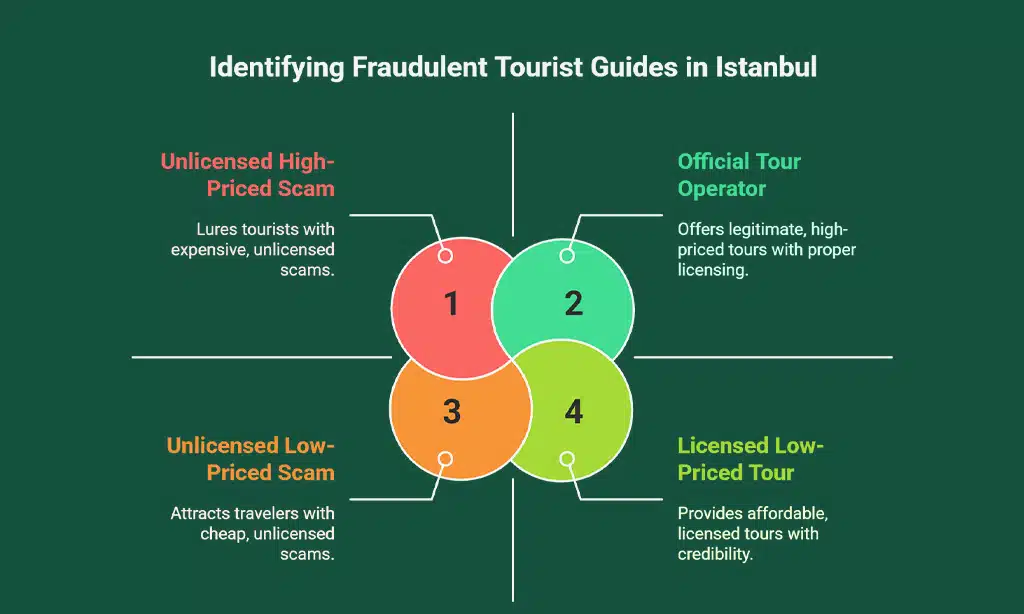
Fraudulent tourist guides in Istanbul often target medical tourists with fake offers. They approach you out of the blue, promising exclusive tours at sky-high prices. Many operate without licenses, luring travelers with deals that turn out to be scams.
Watch out for overly friendly strangers offering drinks or tours. Stick to licensed guides and official services. Always double-check before accepting any deals. Reporting shady behavior helps keep others safe too.
Tips to Avoid Hidden Costs and Scams
Do your homework—check clinic reviews, compare prices upfront, and book only with verified agencies to dodge sneaky fees and scams.
Want the full scoop on staying safe? Keep reading!
Research and Verify Clinics
Choosing the right clinic in Istanbul is key to avoiding scams. Check the doctor’s expertise and clinic credentials before booking. Look for accreditation from trusted healthcare organizations.
Reputable travel agencies can help you find verified clinics. They often have partnerships with quality facilities. Always confirm costs upfront to dodge surprise fees. Patient safety depends on thorough research, so skip shortcuts.
Book Through Trusted Agencies
After checking clinics, the next step is picking the right help. Trusted travel agencies cut hidden costs and scams in Istanbul. They give clear prices, so no surprises pop up later.
Good agencies work with real hospitals. They handle your stay, rides, and care without tricks. You get honest details upfront, saving money and stress. Stick with them to stay safe and avoid fraud.
Confirm All Costs in Advance
Booking through trusted agencies can be helpful, but it’s still essential to review costs on your own.
Certain clinics might apply additional fees once treatment begins. Request a complete pricing breakdown before committing to anything, and have it documented if you can. Taxis and hotels may charge tourists more, so make sure to verify fares or room rates ahead of time.
Restaurants are similar—ask about drink prices before ordering to prevent unexpected charges later. Request clear invoices with all charges detailed, and always confirm the exchange rate being used if you’re paying in another currency.
Nobody appreciates unpleasant surprises affecting their budget!
Takeaways
Medical tourism in Istanbul can offer significant savings and access to skilled doctors, but the true cost often goes far beyond the advertised treatment price. Hidden expenses like unclear pricing, poor aftercare, communication barriers, legal risks, and recovery complications can quickly turn a “budget-friendly” procedure into a costly and stressful experience.
By understanding these hidden costs in advance, doing thorough research, verifying clinics and doctors, and avoiding deals that sound too good to be true, you can protect both your health and your finances. Medical travel should be a well-informed decision—not a gamble. When it comes to your body and long-term well-being, transparency, safety, and quality care should always come before low prices.