
Technologies like ChatGPT and others for language acquisition have become effective tools, and their effects on industries like healthcare are only getting started.
However, you must use these instruments with extreme caution in order to protect your own health. Although these technologies have a lot of potential, it’s important to be aware of their drawbacks and risks. Here are some potential effects ChatGPT and related generative AI systems may have on your health.
1. AI Anxiety Issues
The term “AI anxiety” has been around for a while, yet many people are still worried about AI’s rapid development, according to The Journal of the Association for Information Science and Technology. The term “AI anxiety,” or “the unease that grows from this technology and its far-reaching effects,” can refer to concerns about anything from job automation to an extinction-level disaster.
Fortunately, there are strategies to manage your concern about AI while still keeping up with its rapid advancement. For instance, according to Everyday Health, you may help dispel some of the mystery around AI by learning more about chatbots and implementing some of it into your own life.
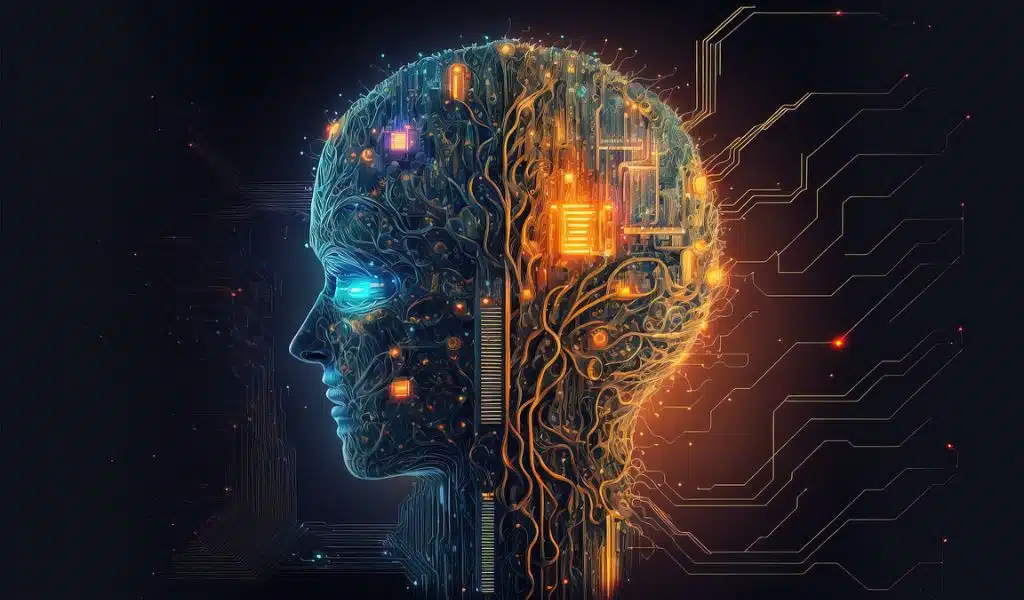
Knowing the fundamentals is a good place to start because for many people, the unknown element is what makes AI’s rapid development so alarming. Playing around with Bard or ChatGPT can help make the apps more friendly overall, despite the fact that this may seem a little paradoxical.
2. Inaccurate Health Information
Generic models like ChatGPT can give the impression that they are experts by responding to cues in an authoritative manner. When it comes to health-related queries in particular, it’s crucial to be skeptical of their answers.
Despite the fact that ChatGPT occasionally offers trustworthy medical advice, the software is still capable of hallucinating and giving bad medical advice. It seems sense to approach AI technology with the same level of skepticism as you would Google search results, since it’s likely that you don’t trust them to deliver individualized, accurate health information.
It’s still advisable to discuss any significant concerns you may have with your healthcare professional. Additionally, medical experts have the capacity to take into account a broad range of elements, such as your medical background, symptoms, and general state of health. All of these aspects might not be addressed by AI models with the same level of comprehension (at least not yet).
In fact, apps like ChatGPT will repeat this information when asked, so follow their lead and speak with your doctor if you have any health concerns. Even the finest language model is unable to offer customized medical advice.
3. Increased Technology Addiction Behaviors
Already, there are issues with technology addiction. Recent years have seen a rise in the prevalence of several addictions, including addiction to social media and smartphone use. These addictive technologies are difficult for many people to give up, and users of ChatGPT and similar AI programs have openly admitted to feeling addicted online.
In fact, according to the Pew Research Center, experts predict that in the years to come, problems with digital addiction will get more severe due to AI technology. As these and other digital channels become even more personalized and appeal to base instincts for eyeballs, Gary Grossman, senior vice president and global lead of the AI Center of Excellence at Edelman, warned in the report that “digital addiction, an issue for many who play video games, watch TikTok or YouTube videos, or who hang on every tweet, could become an even greater problem.”
You may take efforts to cut back on your reliance on the internet, artificial intelligence, and technology in general, despite how awful this situation may sound. According to Duke University, you can control these urges by taking regular breaks, spending your leisure time outside, and simply maintaining a log of the reasons you frequently use artificial intelligence. Sometimes it’s a good idea to disconnect for a while.
4. Health Data Privacy Concerns
Resources like ChatGPT are convenient for many people to use for routine inquiries. For instance, you may use these chatbots the next time you want to learn more about a specific medical problem to get quick answers.
The World Health Organization cautions against using AI language tools for sensitive health information even though they are quick and easy to use. Write prompts regarding confidential or otherwise delicate medical problems with caution.
A more secure and dependable option to address any health issues is still to speak with your healthcare professional. You should refrain from entering any information into an AI question that you would prefer to remain private.
5. Potential for Harassment and Cyberbullying
Sadly, new technology frequently has the potential to be harmful. According to the Cyberbullying Research Center, mishandled AI generative language models can quickly produce offensive and harassing comments, just like troll bots can. The targeted person may experience stress and emotional suffering as a result.
People may become overwhelmed by a big volume of harsh remarks across numerous platforms since AI models make it possible to automate and generate them on a wide scale. Every time you check social media or write an email, no one wants to deal with this kind of stuff.

Since this is (sadly) not a new issue, there are numerous strategies to safeguard oneself against cyberbullying. The Cyberbullying Research Center recommends keeping a record of the communications and contacting website management or your phone provider for assistance.
The majority of social media platforms already have rules in place for how to handle these offensive remarks from cyberbullies. Here are instructions on how to report offensive messages to Instagram, Facebook, and TikTok’s moderation staff, respectively. To lessen your risk of cyberbullying, report content, block problematic users, and modify privacy settings.
Approach AI Health Information Wisely
In general, the development of AI language learning technologies may alter how many people view healthcare. However, you can use the applications sensibly in terms of your mental and physical health by using resources and professional counsel. This entails controlling AI anxiousness and seeking confirmation from medical experts. Take these precautions to safeguard your health and wellbeing as you investigate cutting-edge AI technologies.