

Healthy, beautiful hair doesn’t happen by accident—it requires consistent care and attention.
Establishing a hair care routine is the key to maintaining the health, strength, and shine of your hair, regardless of your hair type.
However, starting a new routine can be daunting, especially with so many products and techniques available.
The good news is that creating an effective hair care routine doesn’t have to be complicated.
With the right approach, you can transform your hair and keep it in optimal condition.
This article will guide you through 10 easy tips for establishing a hair care routine that works for you.
1. Know Your Hair Type
Why Hair Type Matters
Understanding your hair type is the foundation of any hair care routine.
Hair can be classified into different categories based on texture, porosity, and thickness.
These factors will influence the types of products and care methods you should use.
Different Hair Types
- Straight Hair:
Typically shinier and less prone to frizz but can get oily faster.
- Wavy Hair:
A mix of straight and curly, often requiring light moisturizing products.
More prone to dryness and frizz, requiring moisture-rich products.
- Coily Hair:
Highly textured and prone to breakage, needing extra care and hydration.
How to Identify Your Hair Type
You can determine your hair type by observing how your hair behaves when it’s wet, dry, and under different conditions.
Knowing your type allows you to choose the most appropriate shampoos, conditioners, and treatments.
2. Set Your Hair Care Goals

Why It’s Important to Set Goals
Before diving into a routine, it’s important to identify your hair care goals.
Whether you want to reduce frizz, enhance shine, promote growth, or protect color-treated hair, knowing what you want to achieve will help you tailor your routine to your needs.
Common Hair Care Goals
- Growth:
Focus on scalp health and reducing breakage.
- Moisture:
Use hydrating products to restore moisture balance.
- Strength:
Incorporate protein treatments to strengthen hair strands.
- Frizz Control:
Use smoothing products and techniques to minimize frizz.
Tracking Progress
Set realistic goals and track your progress over time.
Take photos of your hair regularly to monitor improvements and adjust your routine as needed.
3. Choose the Right Shampoo and Conditioner
Shampoo Selection
Shampoo is essential for cleaning your hair and scalp, but not all shampoos are created equal.
It’s important to choose a formula that suits your hair type and goals.
Types of Shampoos
- Clarifying Shampoo:
Great for removing product buildup but can be drying if used too frequently.
- Moisturizing Shampoo:
Ideal for dry or curly hair, helps retain moisture.
- Volumizing Shampoo:
Adds body and fullness, perfect for fine or limp hair.
- Sulfate-Free Shampoo:
Gentle and less stripping, good for color-treated or sensitive scalps.
Conditioner Selection
Conditioners restore moisture and smooth the hair cuticle after shampooing.
Choose a conditioner that complements your shampoo and addresses your specific hair concerns.
Types of Conditioners
- Leave-In Conditioner:
Adds extra moisture and protection throughout the day.
- Deep Conditioner:
Repairs and restores hair with intense hydration, best used weekly.
- Lightweight Conditioner:
Great for fine hair that needs moisture without added weight.
4. Incorporate Regular Scalp Care
Why Scalp Care is Essential
A healthy scalp is the foundation of healthy hair.
Without proper care, the scalp can become dry, itchy, or prone to buildup, which can hinder hair growth and lead to issues like dandruff.
Scalp Care Tips
- Exfoliate:
Use a gentle scalp scrub or a clarifying shampoo to remove dead skin cells and product buildup.
- Massage:
Scalp massages stimulate blood circulation, which promotes hair growth.
- Moisturize:
Use scalp treatments or oils, such as tea tree oil or argan oil, to keep your scalp hydrated and nourished.
Frequency of Scalp Care
Incorporate scalp care into your routine weekly or biweekly, depending on your scalp’s needs.
Pay attention to any irritation or dryness and adjust your treatments accordingly.
5. Limit Heat Styling and Protect Your Hair
The Effects of Heat on Hair
Excessive heat styling can weaken hair, causing dryness, breakage, and split ends.
To maintain healthy hair, it’s important to limit your use of heat tools like flat irons, curling wands, and blow dryers.
Tips for Using Heat Tools Safely
- Use Heat Protectant:
Always apply a heat protectant spray or cream before using any heat tools to create a barrier between the hair and the heat.
- Lower Heat Settings:
Use the lowest possible temperature that still achieves the desired result.
Avoid using the highest heat settings.
- Air-Dry When Possible:
Allow your hair to air-dry to minimize heat damage, or use a blow dryer on a cool setting.
Alternatives to Heat Styling
Try styling your hair with heat-free techniques like braids, twists, or rollers to achieve waves, curls, or added volume without damaging your hair.
6. Incorporate Hair Masks and Treatments
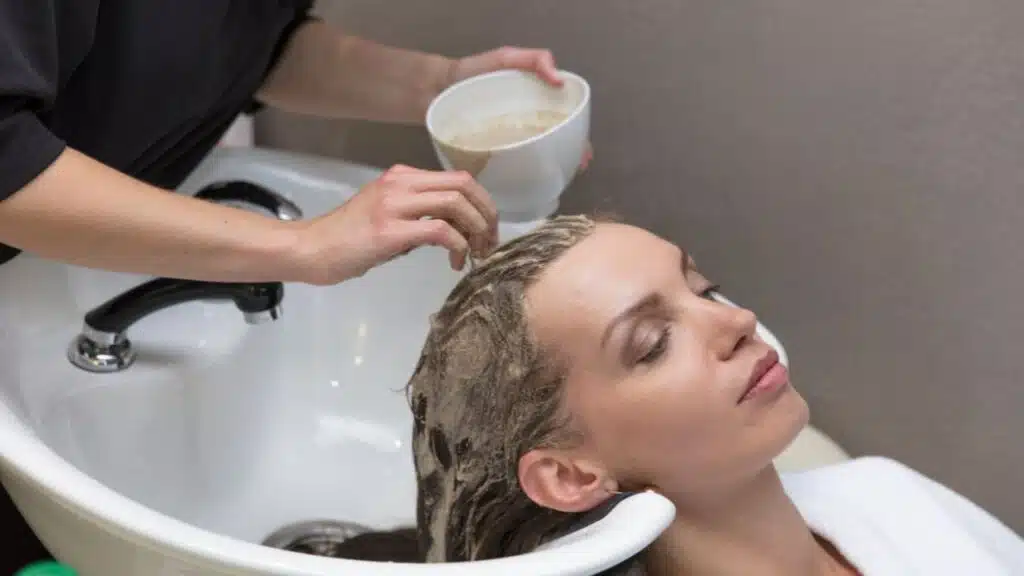
Why Hair Masks Are Important
Hair masks and treatments provide deep nourishment, hydration, and repair, targeting specific hair concerns like damage, dryness, or color fading.
Incorporating masks into your routine helps restore your hair’s health and improve its overall texture.
Types of Hair Masks
- Moisturizing Masks:
Rich in oils and butters, these masks hydrate dry, brittle hair.
- Protein Masks:
Strengthen weak or damaged hair by replenishing keratin, the hair’s natural protein.
- Color-Protection Masks:
Designed to preserve the vibrancy of dyed hair while providing nourishment.
How Often to Use Hair Masks
For most hair types, using a hair mask once a week or every other week can significantly improve your hair’s health.
Adjust the frequency based on your hair’s condition and specific needs.
7. Detangle Gently to Prevent Breakage
The Importance of Proper Detangling
Detangling your hair is an essential step in any hair care routine, but doing it incorrectly can lead to breakage and damage.
To minimize hair loss and breakage, it’s important to be gentle when detangling.
How to Detangle Hair Safely
- Use the Right Tools:
Opt for a wide-tooth comb, detangling brush, or your fingers to carefully work through knots.
- Start from the Ends:
Begin detangling from the tips and work your way up to avoid putting unnecessary stress on your hair.
- Detangle When Wet:
Apply a leave-in conditioner or detangling spray to wet or damp hair to ease the process and prevent tugging.
Frequency of Detangling
Detangle your hair as part of your regular wash routine or when styling, depending on your hair type and texture.
8. Protect Your Hair at Night
Why Night Protection is Important
Your hair can become vulnerable while you sleep due to friction against your pillowcase. This can lead to breakage, tangles, and dryness.
Implementing a nighttime hair protection routine can help prevent these issues.
Tips for Night Hair Protection
- Use a Silk or Satin Pillowcase:
These materials reduce friction, helping to maintain moisture and prevent frizz.
- Wrap or Cover Your Hair:
Wear a silk or satin scarf or bonnet to keep your hair protected throughout the night.
- Protective Hairstyles:
Opt for loose braids, twists, or a bun to minimize tangling and breakage while you sleep.
Benefits of Night Protection
Regularly protecting your hair at night helps preserve your style, reduce morning tangles, and keep your hair healthy over time.
9. Trim Your Hair Regularly
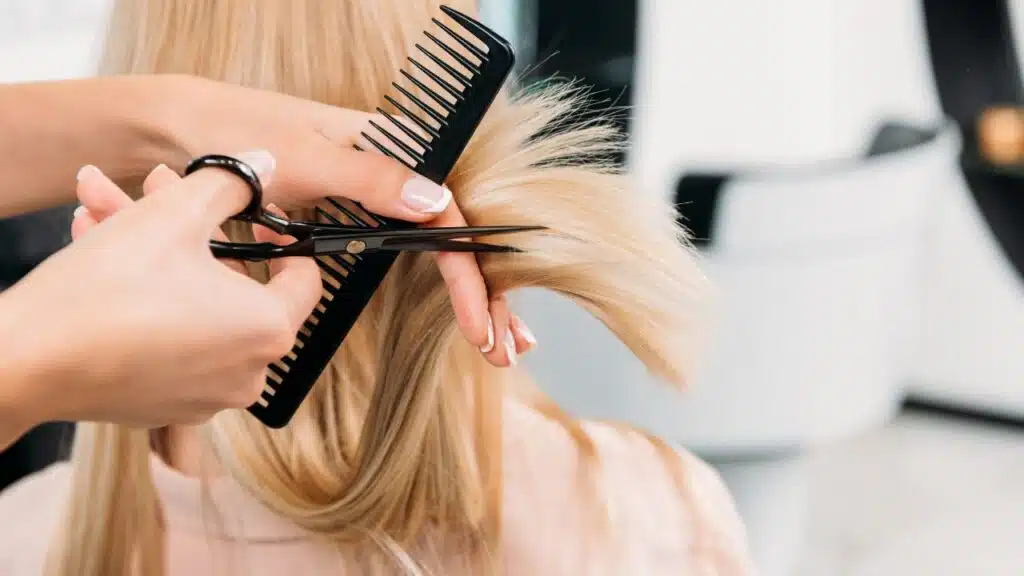
Why Regular Trimming is Necessary
Regular trims are essential for maintaining healthy hair.
Even if you’re growing your hair out, trimming the ends every few months prevents split ends from traveling up the hair shaft and causing more damage.
How Often to Trim Your Hair
- Every 6-8 Weeks:
For shorter hairstyles or if you want to maintain a specific cut.
- Every 10-12 Weeks:
For longer styles or those growing out their hair but still wanting to maintain healthy ends.
Signs It’s Time for a Trim
Look for signs like frayed ends, breakage, or difficulty detangling, which indicate that it’s time for a trim.
10. Stay Consistent with Your Routine
Consistency is Key
The most important part of any hair care routine is consistency.
Once you’ve established a routine that works for your hair type and goals, stick with it to see the best results.
Changing products or methods too frequently can prevent your hair from responding positively.
Adjusting Your Routine
While consistency is important, it’s also necessary to adjust your routine based on seasonal changes, hair growth, or shifting hair goals.
Listen to your hair’s needs and make changes accordingly.
Building Long-Term Habits
Building a hair care routine is not just about short-term fixes but long-term care.
The more consistent you are with your routine, the more your hair will thrive.
Wrap Up
Establishing a hair care routine doesn’t have to be complicated or time-consuming.
By following these 10 simple tips, you can create a routine that suits your hair type, goals, and lifestyle.
Whether you’re looking to improve your hair’s moisture, strength, or overall appearance, consistency and the right products are key to success.
Over time, you’ll notice healthier, stronger, and more beautiful hair that reflects the care you’ve invested.
Stick to your routine, listen to your hair’s needs, and make adjustments as necessary for long-term results.






























