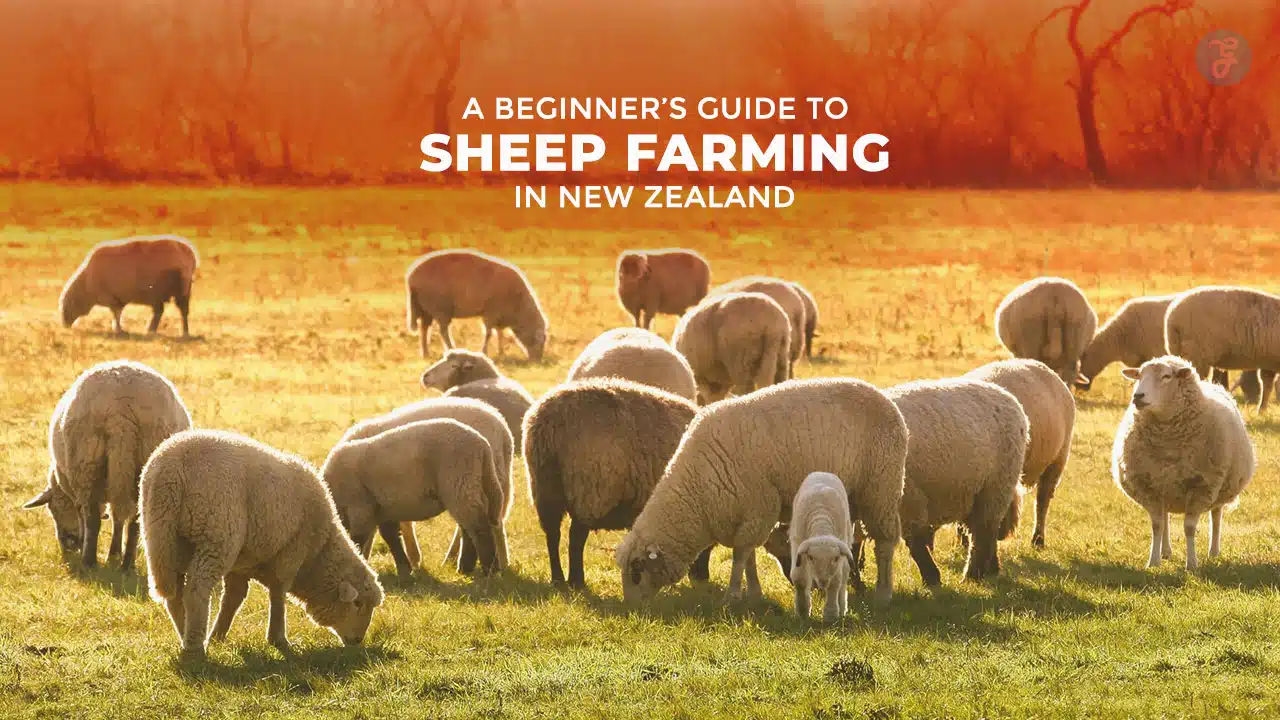
Sheep farming has been a cornerstone of New Zealand’s agricultural industry for decades, making it one of the world’s top destinations for aspiring farmers.
Whether you’re drawn by the scenic landscapes, the lucrative market opportunities, or the satisfaction of raising livestock, New Zealand offers unparalleled conditions for sheep farming.
This guide to sheep farming in New Zealand will walk you through everything you need to know about starting and managing a successful sheep farming business.
Why Choose Sheep Farming in New Zealand?
Sheep farming is deeply rooted in New Zealand’s heritage and economy. The country is home to approximately 25 million sheep, outnumbering its human population by a significant margin. Sheep farming contributes billions annually to the economy through the export of meat, wool, and dairy products.
Key statistics include:
- Sheep Meat Exports: New Zealand is the largest exporter of lamb globally, with markets in Europe, the Middle East, and Asia.
- Wool Industry: Fine Merino wool is highly sought after in the global fashion industry for its softness, durability, and sustainability.
- Dairy and Hybrid Breeds: An emerging segment of the industry includes dual-purpose breeds for milk and meat production.
Example: In 2024, New Zealand’s sheep industry generated over NZD 4 billion in export revenue, underscoring its critical role in the country’s economy.
New Zealand’s Ideal Conditions for Sheep Farming
New Zealand’s temperate climate, abundant rainfall, and fertile soils create the perfect environment for sheep farming. With expansive pastures and well-established infrastructure, the country supports efficient and sustainable farming practices.
Regions like Canterbury and Otago are particularly renowned for their sheep farming operations, offering a mix of high-quality pastures and advanced facilities for processing and export.
Case Study: The Canterbury Plains, with its flat terrain and irrigation systems, has been a hub for sheep farmers who prioritize both meat and wool production, showcasing New Zealand’s capacity for dual-purpose farming.
Guide to Sheep Farming in New Zealand: How to Set Up Your Sheep Farm
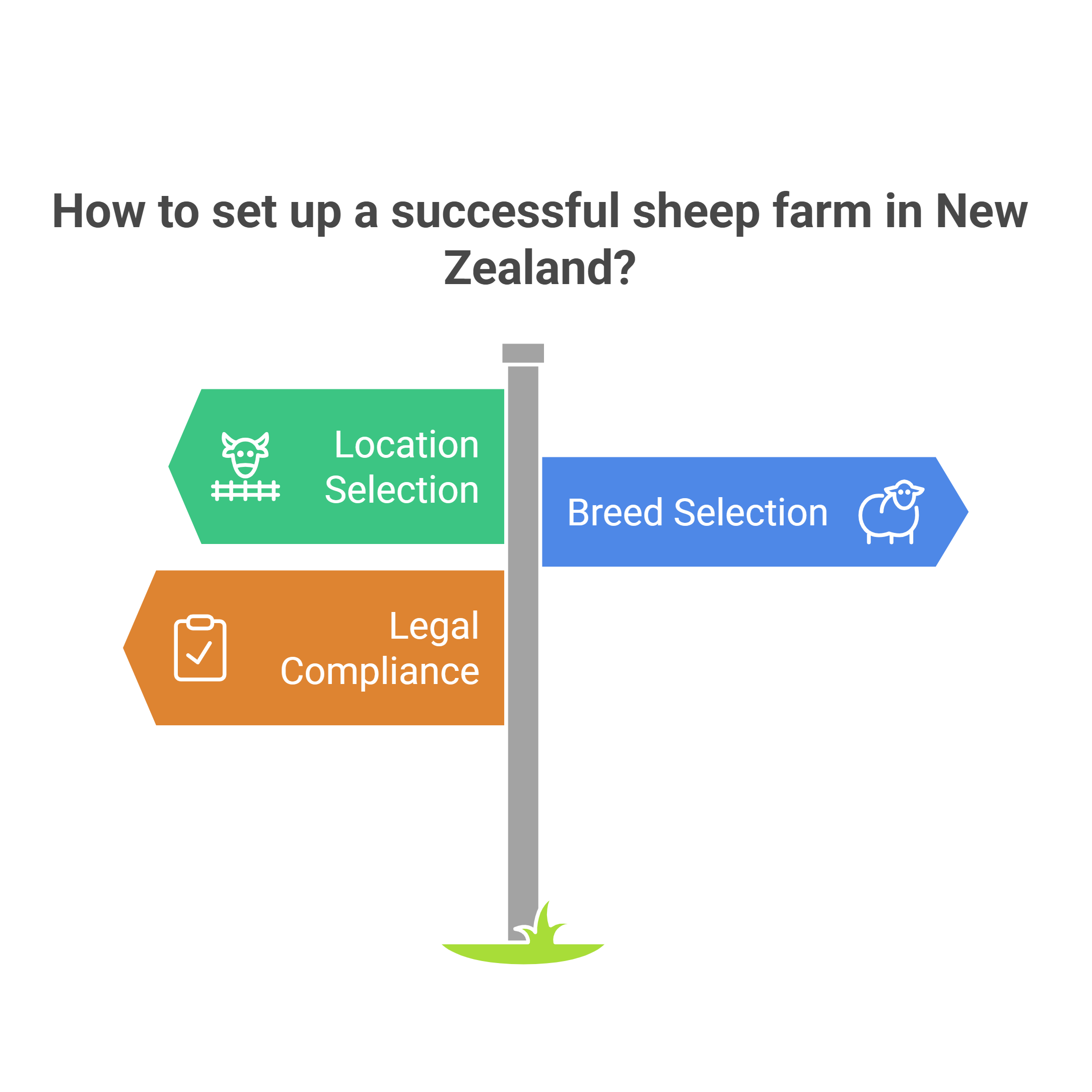
Selecting the right farm location is crucial. Consider the following factors:
- Soil Quality: Rich, well-drained soils ensure healthy pasture growth, essential for grazing livestock.
- Water Access: Reliable water sources are necessary for both livestock and irrigation needs.
- Proximity to Markets: Being close to processing facilities and distribution hubs can significantly reduce logistical costs.
Key Factors for Choosing a Farm Location
| Factor | Description |
| Soil Quality | Nutrient-rich and well-drained for grazing. |
| Water Access | Reliable supply for drinking and irrigation. |
| Market Proximity | Easy access to buyers and processing units. |
| Climate Conditions | Mild, consistent weather is ideal for livestock. |
Selecting the Right Sheep Breeds
The success of your sheep farming operation heavily depends on the breed you choose. In New Zealand, popular breeds include:
- Merino: Known for its fine wool, ideal for high-end clothing and textiles.
- Romney: A versatile and hardy breed, perfect for both meat and wool production.
- Perendale: Excellent for hilly terrain, known for its high fertility and adaptability.
- Dorper: A low-maintenance meat breed gaining popularity for its rapid growth and quality carcass.
Popular Sheep Breeds in New Zealand
| Breed | Primary Use | Key Traits |
| Merino | Wool | Fine wool thrives in high-altitude areas. |
| Romney | Meat and Wool | Hardy and adaptable to various conditions. |
| Perendale | Meat and Wool | Fertile and suited for hilly terrains. |
| Dorper | Meat | Low maintenance and fast-growing. |
Example: A farmer in Otago successfully switched from Romney to Merino to tap into the premium wool market, increasing profitability by 30% within two years.
Understanding Legal Requirements
Before you start, ensure compliance with New Zealand’s agricultural regulations. Key steps include:
- Registering Your Farm: All livestock farms must be registered with the Ministry for Primary Industries (MPI).
- Biosecurity Measures: Implement plans to prevent the spread of pests and diseases.
- Resource Consents: Some areas require consents for water usage and land modifications.
Essential Sheep Farming Practices for Beginners
Sheep thrive on high-quality pasture, but their diet should also include:
- Supplements: During winter or drought conditions, provide hay, silage, or grain.
- Minerals: Ensure adequate selenium, cobalt, and iodine to prevent deficiencies that could impact growth and reproduction.
Feeding Chart for Sheep
| Season | Primary Feed | Supplements |
| Spring | Fresh pasture | Minimal supplements |
| Winter | Hay, silage | Grains, minerals |
| Summer | Pasture, silage | Mineral blocks |
Tip: Rotate pastures frequently to maintain grass health and prevent overgrazing.
Sheep Health and Disease Management
Maintaining flock health is critical. Common practices include:
- Vaccinations: Protect against clostridial diseases and other common ailments.
- Drenching: Regularly treat sheep for internal parasites, especially in wet seasons.
- Foot Care: Prevent and treat foot rot with regular inspections and proper hygiene.
Common Sheep Diseases and Solutions
| Disease | Symptoms | Prevention/Treatment |
| Foot Rot | Lameness, foul odor | Foot baths, proper trimming |
| Flystrike | Wool loss, maggots | Insecticides, shearing |
| Worm Infestation | Weight loss, diarrhea | Drenching, pasture rotation |
Breeding and Lambing
To grow your flock, focus on effective breeding strategies:
- Mating Season: Plan for ewes to be in optimal health before mating, which typically occurs in autumn.
- Lambing Season: Provide clean, sheltered areas for lambing and monitor for complications like dystocia.
- Ewe-Lamb Ratios: Maintain a balanced ewe-to-ram ratio for successful breeding, typically 1 ram per 40 ewes.
Example: A farmer in Canterbury reduced lamb mortality by 15% by investing in portable lambing shelters.
Managing Your Sheep Farm Efficiently
Accurate record keeping is essential for managing a successful farm. Use tools to track:
- Breeding cycles and lambing rates.
- Health treatments and vaccination schedules.
- Financial performance and productivity metrics.
Tip: Use farm management software like FarmIQ or Trev to streamline data collection.
Marketing and Selling Your Products
To maximize profitability:
- Target Markets: Export lamb to premium markets like Europe and Asia.
- Branding: Highlight New Zealand’s natural farming practices in your marketing.
- Online Platforms: Leverage e-commerce to reach global customers directly.
Case Study: A small farm in Otago doubled its revenue by launching an online store for Merino wool products, appealing to eco-conscious consumers worldwide.
Challenges and Solutions in Sheep Farming
New Zealand’s farmers face challenges like droughts and soil erosion. Solutions include:
- Planting Shelterbelts: Reduce wind damage and provide shade for sheep.
- Rotational Grazing: Improves pasture quality and prevents overgrazing.
- Water Conservation: Use efficient irrigation systems to manage water use.
Tackling Market Volatility
Global market fluctuations can impact prices. Mitigation strategies include:
- Diversifying Products: Explore additional income streams like wool, milk, and agritourism.
- Joining Cooperatives: Pooling resources with other farmers can secure better rates and reduce risks.
Tips for Long-Term Success in Sheep Farming
Joining sheep farming associations can provide valuable insights and opportunities. Organizations like Beef + Lamb New Zealand offer resources, training, and networking events.
Example: Networking events helped a new farmer in Waikato secure mentorship and improve productivity by adopting best practices.
Investing in Continuous Learning
Stay informed about the latest advancements in farming technology and techniques. Attend workshops, read industry publications, and explore online courses to keep improving your skills.
Interactive Resources and Tools for Sheep Farmers
| Breed | Primary Use | Key Features |
| Merino | Wool | Fine wool, thrives in high altitudes |
| Romney | Meat and Wool | Hardy, adaptable to most conditions |
| Perendale | Meat and Wool | Excellent for hilly terrain |
| Dorper | Meat | Fast-growing, low maintenance |
Checklist: Things to Prepare Before Starting a Sheep Farm
- Conduct soil and pasture analysis.
- Research and choose suitable sheep breeds.
- Set up fences and shelters.
- Establish a water supply system.
- Register your farm with the appropriate authorities.
- Develop a detailed business and marketing plan.
Final Thoughts
Sheep farming in New Zealand offers immense opportunities for those willing to invest time, effort, and resources. By following this sheep farming guide in New Zealand, you can navigate the complexities of setting up and managing a sheep farm while leveraging New Zealand’s ideal farming conditions. Start your journey today and join a thriving industry rooted in tradition and innovation.