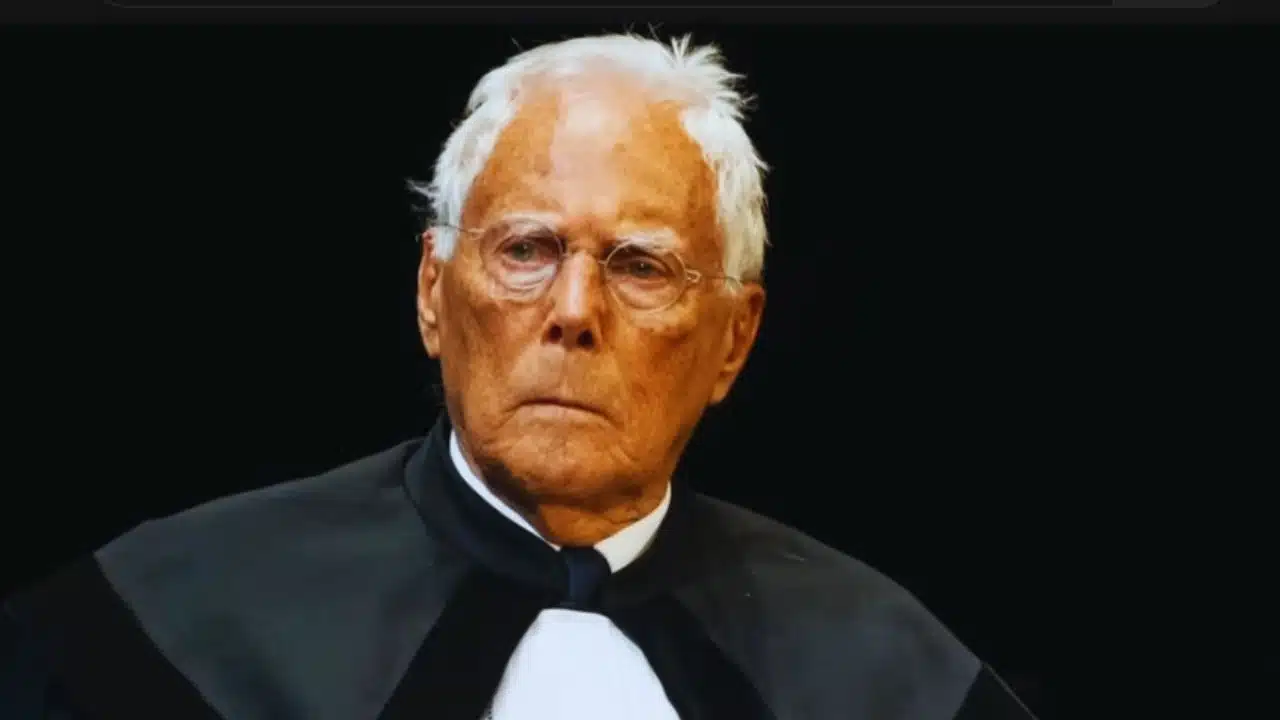
The world of fashion is mourning the loss of one of its greatest figures. Giorgio Armani, the Italian designer whose name became synonymous with elegance, innovation, and modern luxury, has died at the age of 91. His company, Armani Group, confirmed the news on Thursday, saying that he passed away peacefully, surrounded by his closest family and loved ones.
The official statement described him as the “creator, founder, and tireless driving force” behind the brand, noting that Armani worked relentlessly until the very end of his life. His passing not only marks the end of an era for Italian fashion but also closes a remarkable chapter in the global luxury industry that he helped shape for nearly five decades.
Health Struggles in Final Months
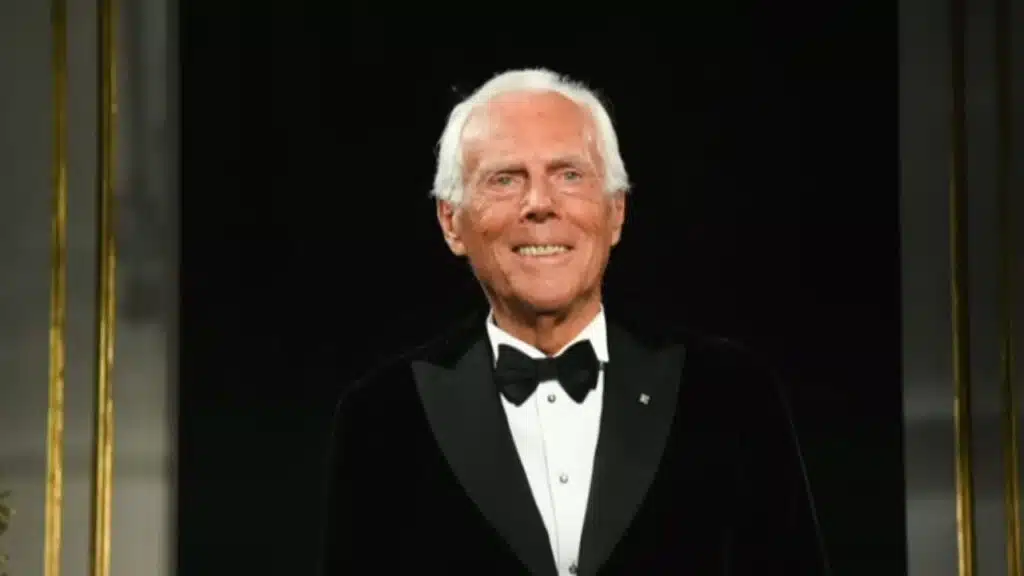
Although Armani remained active in his work, signs of declining health became more visible in recent months. For the first time in his career, he canceled his appearance at Milan Men’s Fashion Week in June 2025, an absence that raised concerns among industry insiders. His last public appearance was on May 21, when he greeted admirers with his signature quiet dignity.
Known for his discipline and dedication, Armani often described himself as “never satisfied” and obsessed with perfection. Even as his health faltered, he continued reviewing designs, overseeing collections, and preparing projects for the future.
Rise of a Fashion Visionary
Founding the Armani Brand
Born in Piacenza, Italy, in 1934, Armani’s early life was shaped by World War II and postwar struggles. He began his career in the 1960s as a window dresser and menswear buyer before moving into design. In 1975, alongside his partner Sergio Galeotti, Armani founded his namesake company.
What followed was nothing short of a revolution. Armani stripped away the rigid structures of traditional suits, creating unlined jackets, relaxed trousers, and a softer silhouette. His designs offered freedom of movement without sacrificing elegance—a style that spoke directly to a new generation eager for change.
Breakthrough in Hollywood
Armani’s international breakthrough came in 1980 when actor Richard Gere wore his suits in the film American Gigolo. This moment catapulted the brand into global recognition, linking Armani’s name with Hollywood glamour. Soon, his designs were favored by red-carpet regulars and became a fixture at the Academy Awards.
Diane Keaton, for example, famously wore an Armani blazer and skirt when she won the Best Actress Oscar in 1978. Unlike the glittering gowns of the era, her look reflected empowerment and individuality—a message that resonated strongly with professional women around the world.
Redefining Women’s Fashion
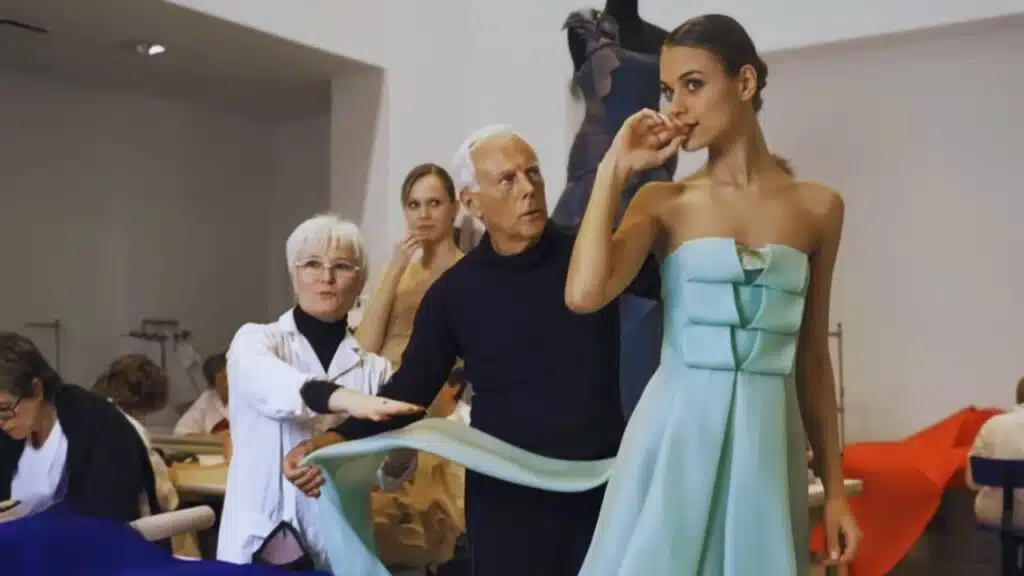
During the 1970s and 1980s, women were increasingly entering corporate spaces, and Armani provided them with the perfect wardrobe. His signature power suits, with sharp blazers and clean lines, became a cultural phenomenon. They not only redefined professional attire but also gave women a sense of authority and confidence in male-dominated environments.
Armani himself later reflected that his clothes gave women “the wardrobe to compete with men,” turning fashion into a tool of empowerment. The Armani woman was modern, independent, and elegant—an image that became iconic in advertising and media.
Beyond Clothing: Building a Lifestyle Empire
While tailoring brought Armani global fame, he never confined himself to fashion alone. Over the decades, he expanded his empire into multiple sectors:
- Armani Casa – a home furnishings line blending elegance with minimalism.
- Armani Beauty – cosmetics and fragrances that became best-sellers worldwide.
- Armani Hotels – luxury destinations in Milan and Dubai that reflected his design philosophy.
- Eyewear, accessories, and sportswear – widening the reach of the brand into everyday lifestyle.
By the 2000s, Armani was no longer just a label but a global empire with over 500 stores worldwide. Forbes estimated his fortune at $12.1 billion, ranking him among the wealthiest fashion designers in history.
Tributes Pour in from Across the World
From Fashion Icons
Donatella Versace, a longtime friend and rival in the industry, said, “The world lost a giant today.” Her words captured the sentiment of countless designers who grew up in Armani’s shadow.
Anna Wintour, longtime editor-in-chief of Vogue, described him as a man with “a clear force of personality” and a vision that shaped how the world dressed. She emphasized that Armani understood power, elegance, and the aspirations of women “as well as anyone ever has in fashion.”
From Political Leaders
Italy’s Prime Minister Giorgia Meloni honored Armani’s contribution to the country’s global image, praising his “elegance, sobriety, and creativity” that brought luster to Italian fashion. Deputy Prime Minister Matteo Salvini, hailing from Armani’s hometown of Milan, called him “an unsurpassed master of style and creativity.”
From Celebrities
Hollywood actors also paid their respects. Russell Crowe recalled that his love affair with Armani began when his luggage was lost on the way to the 1997 Cannes Film Festival. Forced to buy a new suit, he chose Armani—and the designer remained part of his life’s most important milestones, including his wedding.
Stars such as Julia Roberts and Leonardo DiCaprio also remembered Armani for his generosity and influence, underscoring the deep relationship he built with the film industry.
A Private Funeral, A Public Goodbye
In accordance with his wishes, Armani’s funeral will be private. However, a public wake will be held at Teatro Armani, the dramatic Milan headquarters that hosted many of his runway shows. Thousands of admirers, fashion students, and celebrities are expected to attend to pay tribute.
This dual farewell reflects Armani’s nature: deeply private in his personal life, yet profoundly generous to the public through his work and legacy.
Why Giorgio Armani’s Legacy Endures
- Minimalist Elegance – Armani redefined fashion by proving that simplicity can be powerful. His clean silhouettes are still considered timeless today.
- Cultural Influence – From Hollywood films to corporate boardrooms, his designs shaped how men and women presented themselves in the modern era.
- Global Empire – Armani demonstrated that a designer’s vision could extend far beyond the runway, influencing beauty, hospitality, and lifestyle.
- Mentorship and Inspiration – Countless designers credit Armani as a source of inspiration, ensuring his influence continues long after his passing.
Giorgio Armani’s passing marks the end of a luminous chapter in fashion history. From Piacenza to Milan, from American Gigolo to the Oscars, from corporate boardrooms to luxury hotels, Armani’s vision transformed not only how people dress but how they live.
He leaves behind a legacy of elegance, discipline, and timeless style—one that will continue shaping fashion and culture for generations to come.
As tributes pour in from every corner of the world, one truth remains clear: Armani was not only “King Giorgio” of fashion—he was a cultural architect who gave modern society its wardrobe, its elegance, and its confidence.
The Information is Collected from ABC News and NBC News.