

The world of work is changing faster than ever. New tools, automation, and digital platforms are reshaping jobs, industries, and expectations. At the same time, more people are talking openly about burnout, anxiety, and stress at work. In this context, it is no longer enough to simply learn new tools or chase the latest trend. To truly future proof your skills, you also need to protect your mental wellness. Skills that support emotional balance, resilience, and healthy performance are becoming as important as technical knowledge.
This article will help you understand what a mental wellness-driven world looks like, which skills matter most, and how to build them in a sustainable way. You will also see how mental wellness and employability are deeply connected, and how small, consistent changes can create a strong foundation for your future.
Key Takeaways
| Point | Description |
| Work is changing | Technology, automation, and new work models are transforming jobs and skills. |
| Mental wellness matters | Stress, burnout, and anxiety are now central topics in workplaces. |
| Dual focus | To future proof your skills, you must focus on both capabilities and mental health. |
| Purpose of the article | Provide a clear, practical guide to building skills that support a healthy, future-ready career. |
What Is a Mental Wellness-Driven World?
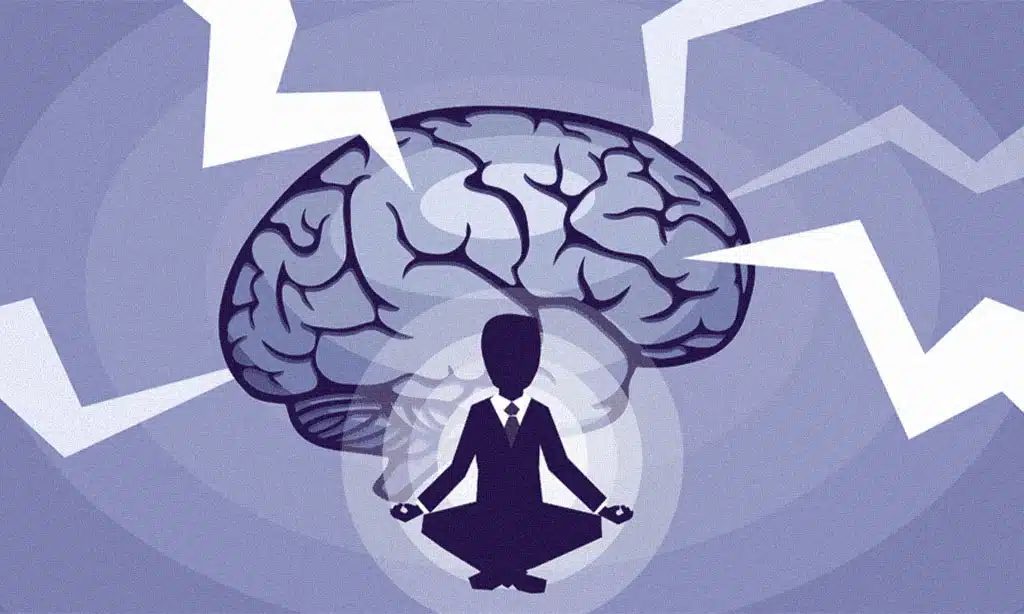
Mental health awareness is reshaping workplaces, and mental wellness is now a core factor in how we learn, work, and grow.
From “No Illness” to Positive Mental Wellness
For a long time, people thought about mental health only in terms of illness. If you did not have a diagnosed condition, you were considered “fine.” Today, many professionals and organizations use a broader idea: mental wellness.
Mental wellness means more than the absence of mental illness. It includes feeling balanced, being able to handle stress, enjoying daily activities, maintaining good relationships, and functioning well at work and in life. You can face challenges and still have good mental wellness if you have tools, support, and healthy habits.
This new view affects how we think about skills. It is not just about “fixing” problems when they appear. It is about building the inner resources to prevent problems where possible and to recover more quickly when life gets hard.
How Global Mental Health Trends Shape Work
Around the world, more people are experiencing issues like anxiety, depression, and chronic stress. At the same time, conversations about mental health are becoming more open. Employers, governments, and communities increasingly recognize that mental wellness affects productivity, creativity, and social stability.
As a result, many organizations are:
- Introducing mental health days or flexible work options.
- Offering counseling or employee assistance programs.
- Training leaders to be more aware of psychological safety.
- Investing in tools and policies to reduce burnout.
A mental wellness-driven world is one where mental health is treated as a key part of economic and social success, not just a private issue. This shift has clear implications for the skills you decide to build.
Future of Work Trends That Make Mental Wellness Central
Several trends make mental wellness a core part of future skills:
- Rapid technological change and automation require constant upskilling.
- Remote and hybrid work can bring freedom but also isolation and blurred boundaries.
- “Always-on” digital culture makes it easy to overwork and harder to switch off.
In such an environment, the people who thrive are not just highly skilled. They are also able to manage stress, set boundaries, and stay emotionally grounded.
Features of a Mental Wellness-Driven World
| Aspect | What It Looks Like | Why It Matters for Skills |
| View of mental health | Focus on wellness, not just illness | Encourages proactive skill-building and prevention |
| Work environment | Flexible, digital, often hybrid or remote | Requires self-management and strong communication |
| Employer priorities | Well-being, engagement, resilience | Increases demand for human-centered skills |
| Individual needs | Balance, meaning, and psychological safety | Drives interest in skills that protect mental wellness |
Why Mental Wellness Is Key If You Want to Future Proof Your Skills
Emotional stability, resilience, and well-being directly impact your ability to adapt, learn new skills, and stay employable in a rapidly evolving job market.
Beyond Hard Skills: The Limits of a Technical-Only Strategy
Technical skills are important. You may need to learn code, data tools, design software, or specialized platforms, depending on your field. But the half-life of many technical skills is shrinking. Tools change, interfaces update, and entire systems get replaced.
If your strategy is to “just keep learning tools,” you can quickly feel overwhelmed. A better approach is to combine core technical competence with durable human skills that support learning, adaptation, and mental balance.
How Mental Wellness Skills Protect Your Career
Mental wellness-related skills do several important things for your career.
- They help you recover after setbacks like job loss, role changes, or project failures.
- They make it easier to keep learning without burning out.
- They improve your relationships with colleagues, managers, and clients.
- They give you the internal stability to make clearer decisions about your future.
When you are mentally drained, it is hard to learn anything new. Your motivation drops, your memory suffers, and your creativity shuts down. When you feel supported, rested, and emotionally aware, you can absorb new information, think more clearly, and deal with change more confidently.
How Employers See Mental Wellness Skills
Many employers now recognize that stress and burnout are expensive. They can lead to lower productivity, more sick days, higher staff turnover, and costly errors. For this reason, people who show resilience, emotional intelligence, and healthy communication are often seen as valuable assets.
These qualities make people easier to work with, more trustworthy in a crisis, and more likely to stay effective over the long term. Developing such skills is one of the most reliable ways to future proof your skills in any industry.
Why Mental Wellness Skills Future Proof Your Skills
| Benefit Area | Mental Wellness Skill Impact | Career Outcome |
| Learning | Reduces overwhelm, improves focus | Faster skill acquisition and upskilling |
| Performance | Better stress management and decision-making | More consistent results under pressure |
| Relationships | Stronger empathy and communication | Better teamwork, leadership potential |
| Career resilience | Quicker recovery from setbacks | Greater long-term employability |
Core Mental Wellness-Oriented Skills You Need to Future Proof Your Career
Emotional Self-Awareness and Emotional Intelligence
Emotional intelligence is the ability to notice, understand, and manage your own emotions and the emotions of others. Emotional self-awareness is the foundation of this. It means you can recognize what you are feeling and why you are feeling it.
When you are emotionally aware, you can:
- Spot early signs of stress or burnout.
- Respond instead of reacting in tense situations.
- Communicate your needs more clearly.
- Build stronger trust with colleagues and clients.
These abilities are valuable in every job. They help you handle feedback, navigate conflict, and stay calm in change or uncertainty.
Resilience and Stress Management
Resilience is your ability to bounce back from difficulties and learn from them. It does not mean ignoring pain or “staying strong” at all costs. Instead, it is about flexibility and recovery.
Effective stress management strategies include:
- Regular movement or exercise.
- Good sleep routines.
- Breathing or grounding techniques.
- Supportive relationships.
- Healthy thinking patterns and coping tools.
When you protect your energy and mental health, you are in a better position to future proof your skills through continuous learning.
Adaptability and Cognitive Flexibility
Adaptability is the willingness and ability to adjust when circumstances change. Cognitive flexibility is the mental ability to switch perspectives, tasks, or strategies.
You show adaptability when you:
- Learn a new tool without resisting it.
- Change your approach based on feedback.
- Stay calm when plans change.
These traits are consistently listed among the most important skills for the future. They allow you to handle new roles, technologies, and markets without becoming stuck in old patterns.
Boundaries, Focus, and Digital Hygiene
In a digital, hyper-connected world, your ability to manage attention is a superpower. Boundaries and digital hygiene protect that attention.
Digital hygiene includes practices like:
- Turning off non-essential notifications.
- Working in focused blocks rather than constant multitasking.
- Keeping clear start and end times for work.
- Creating tech-free zones for rest and relationships.
This protects your mental wellness and improves the quality of your work. It is a practical way to future proof your skills by making your learning and performance more efficient.
Relationship-Building and Psychological Safety
No matter how advanced tools become, work still depends on human relationships. Relationship-building skills include:
- Active listening.
- Clear and respectful communication.
- Giving and receiving feedback without hostility.
- Asking questions instead of making assumptions.
Psychological safety is the feeling that you can speak up, ask for help, or make mistakes without being punished or shamed. People who help create psychological safety often become informal leaders. They are also better able to share ideas, learn from others, and build networks that support their career.
Learning How to Learn Without Burning Out
“Learning how to learn” is a meta-skill. It means you understand how your brain works best, and you use strategies that make learning easier and less stressful.
Some useful methods are:
- Breaking learning into small, regular sessions.
- Reviewing material over time instead of cramming.
- Reflect on what you have learned and how you will use it.
- Connecting new knowledge to your existing experience.
This approach lets you keep growing your skills without draining your mental energy. It is a powerful way to future proof your skills in a sustainable way.
Core Mental Wellness Skills and Their Benefits
| Skill | What It Involves | Benefit for Future-Proofing |
| Emotional intelligence | Self-awareness and empathy | Better teamwork, leadership, and conflict management |
| Resilience | Recovery after setbacks | Stable performance during change |
| Adaptability | Openness to new tools and methods | Easier transitions across roles and industries |
| Boundaries and focus | Managing time, energy, and digital use | Higher quality work, less burnout |
| Relationship-building | Communication, trust, and support | Strong networks and psychological safety |
| Meta-learning | Knowing how to learn efficiently | Lifelong learning without constant exhaustion |
A Practical Roadmap to Future Proof Your Skills and Protect Your Mental Wellness
Follow a simple step-by-step guide to assess your strengths, set sustainable goals, and build both professional and wellness practices that support long-term success.
Step 1: Audit Your Current Reality
Start by being honest about where you are. You can make a simple list with three columns.
- Current strengths.
- Current stressors.
- Skills you want to build.
Ask yourself:
- Which tasks drain my energy the most?
- What situations trigger stress or anxiety at work?
- Which skills already support my mental wellness?
- Where do I feel most unprepared for future changes?
This audit gives you a clear picture. It stops you from guessing and shows you what to prioritize first.
Step 2: Design a Mentally Sustainable Learning Plan
A common mistake is to overload your schedule with learning goals and then feel like a failure when you cannot keep up. A sustainable plan is realistic and gentle on your mind.
You can:
- Choose one main professional skill to focus on for the next month.
- Pair it with one mental wellness habit, such as daily walks or a short breathing exercise.
- Set small, specific goals, like “study 30 minutes three times a week” instead of “master everything this month.”
When your plan respects your limits, you are more likely to stick to it and actually future proof your skills over time.
Step 3: Build Your Mental Wellness Toolbox
A mental wellness toolbox is a personal collection of strategies you can turn to when stress rises.
You can divide it into categories:
- Fast calming tools: deep breathing, stretching, grounding exercises.
- Recovery tools: sleep routines, time in nature, hobbies, journaling.
- Connection tools: calling a friend, joining a peer group, talking to a mentor.
- Professional support: therapy, counseling, or support hotlines where available.
Having this toolbox ready means you are not starting from zero when you face a difficult moment.
Step 4: Connect Skills to Real Career Opportunities
Many people underestimate their own skills because they do not know how to describe them. Take time to translate your mental wellness skills into the language of the workplace.
For example:
- “Maintained stable performance during a major change” shows resilience and adaptability.
- “Facilitated open discussions that helped the team share concerns” shows emotional intelligence and psychological safety.
- “Created focus blocks to meet deadlines without overtime” shows time management and boundaries.
When you write your CV or prepare for interviews, highlight these achievements. This helps you future proof your skills not only in reality but also in how others see your value.
Roadmap Steps and Practical Actions
| Step | Focus | Practical Actions |
| 1 | Audit | List strengths, stressors, and priority skills |
| 2 | Plan | Choose one skill and one habit, set small weekly goals |
| 3 | Toolbox | Create a list of coping tools for stress and recovery |
| 4 | Career link | Translate skills into CV and interview language |
How Mental Wellness Skills Show Up in Real Future-of-Work Scenarios
See how mental wellness skills apply in everyday work settings—from remote roles to leadership and freelancing—and why they determine who thrives in modern workplaces.
Remote and Hybrid Work
In remote or hybrid setups, you often have more flexibility but also less structure. There may be fewer casual conversations and more time alone. This can create both freedom and stress.
Key skills in this context include:
- Self-management and discipline to avoid procrastination or overwork.
- Clear written communication, since many interactions happen through messages or emails.
- Boundaries, such as defined work hours and offline time.
This is one of the areas where the need to future proof your skills and protect your mental wellness is highly visible.
High-Pressure Leadership and Management
Leaders now face the challenge of delivering results while also supporting their team’s well-being.
They need to:
- Listen without judgment.
- Notice early signs of burnout.
- Model healthy work habits.
- Make space for flexible solutions when people struggle.
Mental wellness skills are not optional here. They are central to modern leadership and directly influence team performance and retention.
Freelancers, Creators, and Entrepreneurs
Freelancers and entrepreneurs often enjoy autonomy but face unique pressures: irregular income, long hours, and limited separation between personal and professional life.
For them, mental wellness skills include:
- Setting realistic expectations and boundaries.
- Creating routines that protect rest and creativity.
- Building supportive communities to reduce isolation.
These abilities can make the difference between a sustainable independent career and early burnout.
Scenarios and Key Mental Wellness Skills
| Scenario | Main Challenges | Key Skills Needed |
| Remote/hybrid work | Isolation, blurred boundaries | Self-management, communication, boundaries |
| Leadership roles | Pressure, responsibility for others | Emotional intelligence, empathy, and modeling healthy behavior |
| Freelance/entrepreneurial work | Uncertainty, long hours | Planning, resilience, community-building |
Pitfalls to Avoid When You Try to Future Proof Your Skills
Understand the common mistakes people make—like overworking, ignoring boundaries, or relying too much on tools—and learn how to build skills without harming your health.
Hustle Culture and Toxic Productivity
Hustle culture encourages constant work, late nights, and measuring worth only by output. It can lead to exhaustion, loss of joy, and serious health issues.
Warning signs include:
- Feeling guilty when you rest.
- Working long hours without real progress.
- Ignoring physical or emotional pain.
To future proof your skills, you need stamina, not just speed. Sustainable growth will always beat short bursts of unhealthy overwork.
Thinking Mental Wellness Is Only a Personal Task
It is important to take responsibility for your own habits and choices. But mental wellness is not only a personal issue. Systems, policies, and cultures also play a big role.
You can:
- Ask for clearer priorities or realistic timelines.
- Suggest small changes that support well-being, such as meeting-free blocks.
- Support colleagues who speak up about workload and stress.
You are not alone in this. Healthy workplaces are built together.
Over-Relying on Tools and Ignoring Human Needs
Technology, automation, and even AI tools can help you work faster and learn more efficiently. But they can also make you feel disconnected or pressured to be always available.
Balance is key. Use tools to reduce pointless work and free up time for rest, reflection, and human connection. Do not let tools dictate your worth or your pace.
Common Pitfalls and Better Alternatives
| Pitfall | Description | Healthier Alternative |
| Hustle culture | Constant overwork and no rest | Steady, sustainable progress with breaks |
| Blaming yourself only | Ignoring structural issues | Combine personal habits with healthy boundaries and communication |
| Tool obsession | Letting apps drive your behavior | Using tools to support, not replace, human needs |
Action Plan: A 30-Day Blueprint to Future Proof Your Skills and Mental Wellness
Get a clear, manageable 30-day plan to strengthen your professional abilities while building sustainable habits that support emotional balance and mental clarity.
Week 1: Assess and Set Intentions
- Do your audit of strengths, stressors, and key skills.
- Choose one area where you want to feel better mentally, such as sleep, stress, or focus.
- Write a simple intention like “I want to feel calmer and focused during my workday.”
Week 2: Build One Key Skill and One Habit
- Pick one future-oriented skill that matters for your career, such as adaptability or communication.
- Pair it with one mental wellness habit, such as a daily walk or 5 minutes of breathing.
- Track your practice in a simple notebook or app.
This is another good place to gently repeat your focus keyword and remind yourself why you are doing this work: you are actively choosing to future-proof your skills, not just react to change.
Week 3: Strengthen Relationships and Support
- Reach out to at least two people you trust to talk about goals and challenges.
- Offer support to someone else who may be struggling.
- Practice one behavior that builds psychological safety, such as admitting when you do not know something.
Week 4: Review, Adjust, and Commit
- Look back at your month. What helped most? What was difficult?
- Adjust your plan based on what you learned.
- Set a new 90-day goal that continues the habits that worked and slowly adds new skills.
30-Day Blueprint Overview
| Week | Focus | Key Actions |
| Week 1 | Awareness | Audit your reality, set clear intentions |
| Week 2 | Skills and habits | Pair one professional skill with one wellness habit |
| Week 3 | Support | Build and use relationships and communities |
| Week 4 | Reflection | Review progress and set a 90-day continuation plan |
FAQ: Future-Proof Skills and Mental Wellness
What does it mean to future-proof your skills in a mental wellness-driven world?
It means developing capabilities that keep you employable while also protecting your mental and emotional health. You are not preparing only for new tools and roles. You are also preparing your mind and body to handle change without breaking down.
Which skills should I focus on first?
A good starting point is emotional self-awareness and basic stress management. These create a foundation for other skills like adaptability, communication, and leadership. When you understand your own reactions and have ways to calm your nervous system, everything else becomes easier to learn.
How can I work on these skills if I already feel overwhelmed?
Start very small. Choose one simple habit, like a short walk or five deep breaths before starting work. Combine it with one small learning goal, like reading for 10 minutes about communication or resilience. The goal is not to transform your life overnight, but to build trust in yourself through small, consistent actions.
Do I need therapy or coaching to do this?
Not everyone will need therapy or coaching, but many people find them helpful. Professional support can speed up your progress, help you understand your patterns, and give you tools tailored to your situation. If therapy or coaching is available and accessible, it can be a powerful part of your strategy.
How can I talk to my employer about mental wellness?
Focus on how mental wellness connects with performance and quality of work. You can say that you want to maintain high standards and that clear priorities, healthy workloads, or simple changes like fewer late meetings would help you do your job better. This keeps the conversation practical and respectful.
Bottom Line: Choosing to Future Proof Your Skills and Protect Your Mind
The world of work will keep changing. New tools, roles, and expectations will rise and fall. You cannot control every trend, but you can choose how you respond.
When you decide to future proof your skills, you commit to continuous learning. When you also commit to mental wellness, you make that learning sustainable. You are building a career that does not rely on constant self-sacrifice or permanent stress.
By developing emotional intelligence, resilience, adaptability, boundaries, strong relationships, and smart learning habits, you create a powerful combination. You can step into the future of work with more confidence, knowing that you are not only upgrading what you can do, but also how you live, think, and feel.
That is the real meaning of choosing to future proof your skills in a mental wellness-driven world.































