Do you ever feel like your house owns you, rather than the other way around? High rent and endless cleaning can make a traditional home feel like a burden. You might be dreaming of a space that costs less, takes minutes to clean, and leaves a lighter mark on the planet. Here is a startling fact. Since 1973, the average American home has ballooned by over 1,000 square feet, yet families have gotten smaller. We are paying for space we barely use.
Tiny houses offer a way out of this trap. In this guide, we will explore why these small structures are shaking up the housing market and how they might solve your biggest living challenges.
Let’s walk through the Future of Tiny Homes together. By the end, you will know if the tiny life is the right fit for you.
What Defines a Tiny House?
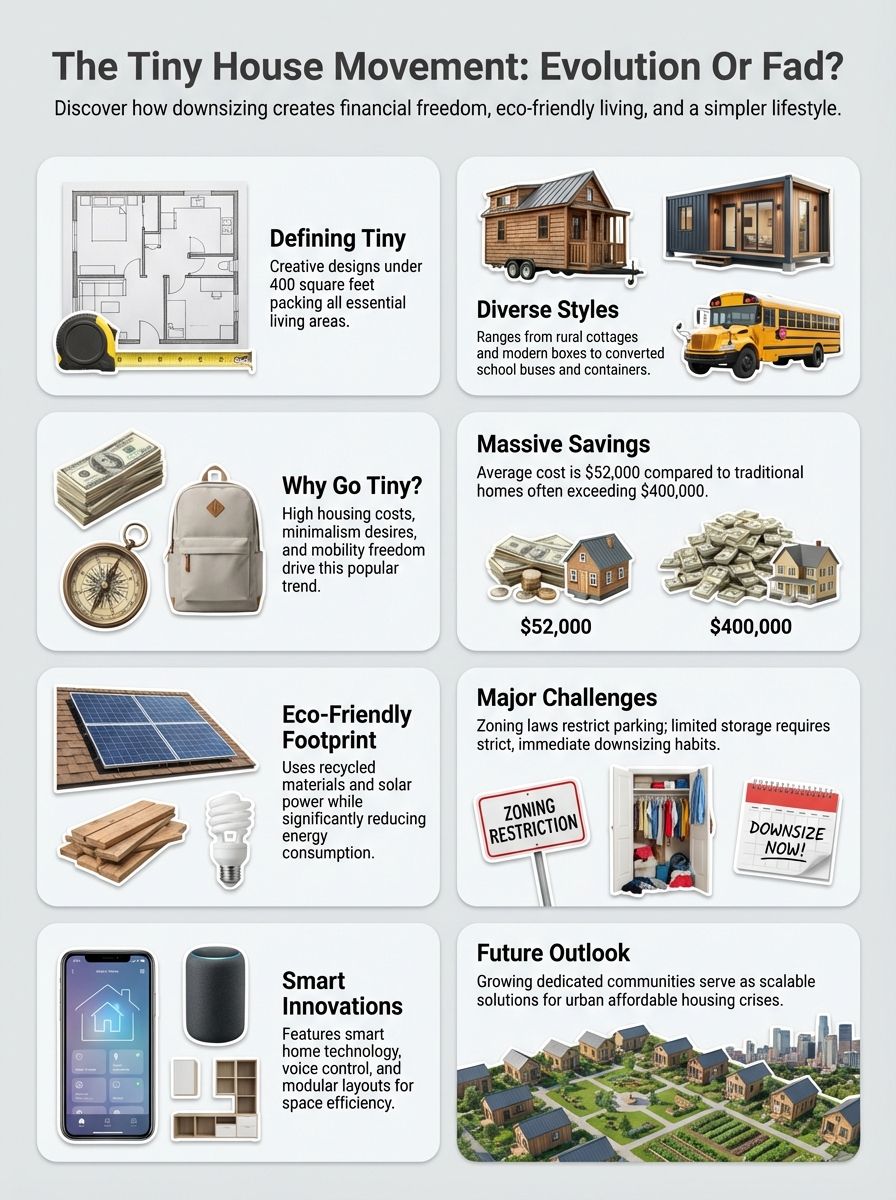
Tiny houses pack big ideas into small spaces, usually squeezing daily life into just a few hundred square feet. While they look charming on Instagram, there is a technical definition you should know. According to Appendix Q of the International Residential Code (IRC), a tiny house is a dwelling that is 400 square feet or less, excluding lofts.
People design them with clever tricks to make every inch count. You aren’t just buying a smaller house; you are buying a puzzle that you live inside.
Key features and characteristics
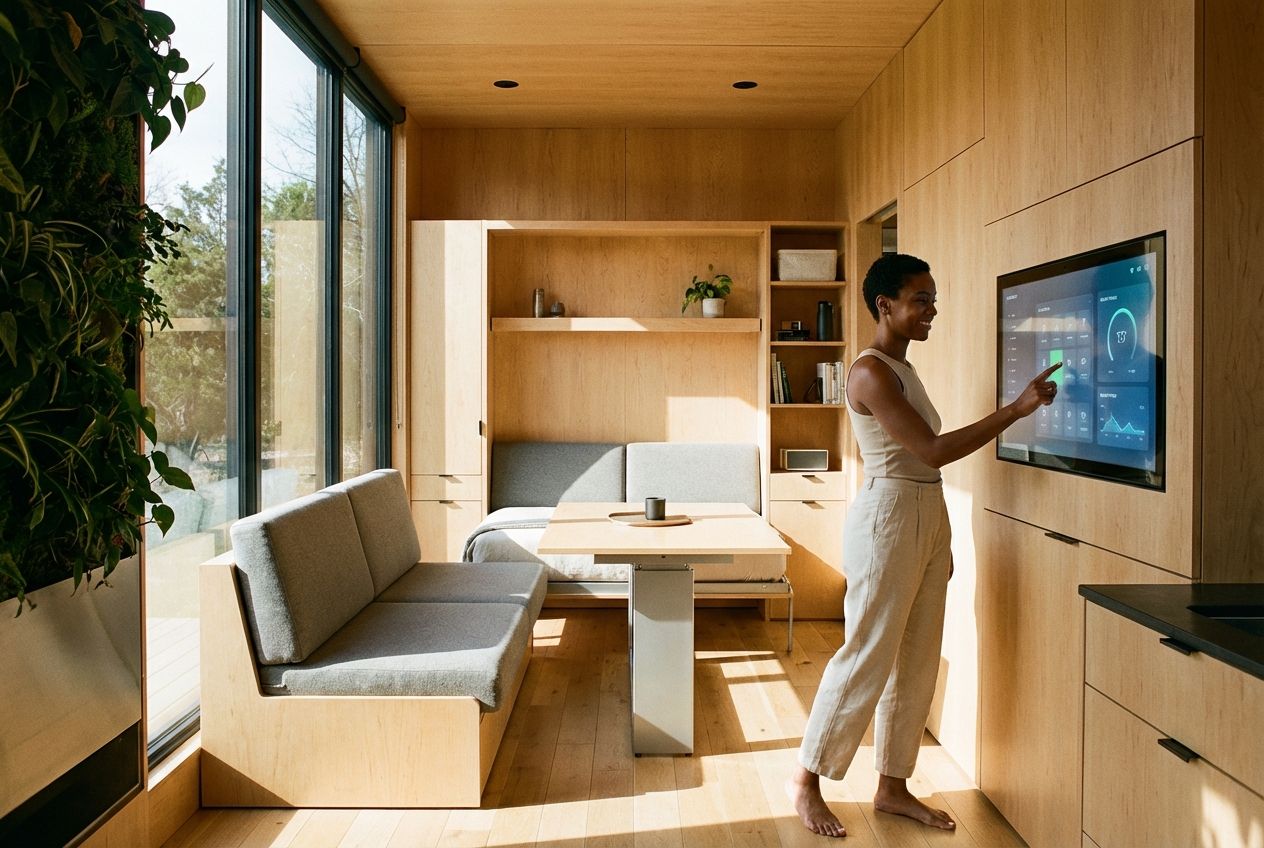
Most tiny homes fit a living area, kitchen, bathroom, and a lofted bed into a footprint the size of a standard two-car garage. The secret sauce is in the furniture.
You will often see fold-out tables that disappear when you finish dinner or stairs that double as storage drawers. For example, the “Cypress” model by Tumbleweed Tiny House Company is famous for using every nook for storage, proving you don’t have to sacrifice functionality for size.
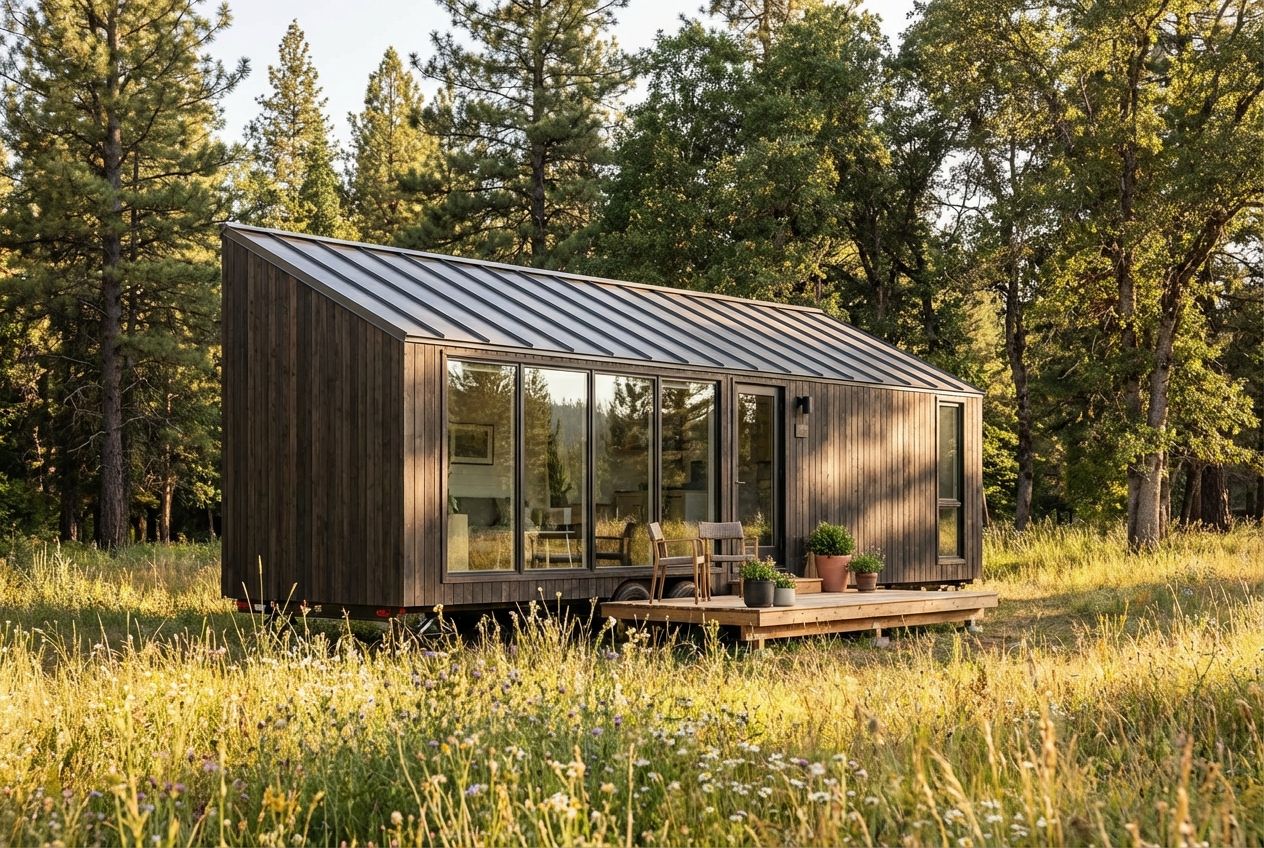
Many of these homes sit on trailers (known as THOWs, or Tiny Homes on Wheels), letting you chase sunshine or new scenery whenever you want. Solar panels power some units, while rain barrels catch water for gardens, making them mini power plants.
“Less house means more life,” as one owner put it. Living big by living small helps protect your wallet and the earth, too.
Popular tiny house models and styles
If you start shopping, you will see a few distinct categories. Here is a quick breakdown to help you spot the difference:
| Style | Best For… | Key Feature |
|---|---|---|
| THOW (Tiny House on Wheels) | Travelers & Nomads | Built on a trailer chassis; avoids permanent foundation rules. |
| Park Model RVs | Semi-Permanent Living | Wider (10-12 ft); feels more like a cottage but stays in one place. |
| Shipping Container Homes | Modern Design Lovers | Incredibly durable steel shell; modular and stackable. |
| Micro-Cabins | Off-Grid Enthusiasts | Usually, on a foundation; uses classic wood framing. |
Builders keep costs low by using simple materials and energy-saving tricks. Companies like Mint Tiny House Company have popularized the “farmhouse” look on wheels, using white shiplap and butcher block counters to make 300 square feet feel airy and open.
The Rise of the Tiny House Movement
Small houses have stepped into the spotlight, catching eyes from city blocks to mountain valleys. But this isn’t just a trend; it is a response to a shifting world.
Historical context and origins
Tiny homes aren’t exactly new. Pioneers built small cabins in the 1800s to save cash and keep warm. Later, bungalows and shotgun houses became the go-to for city folks needing affordable roofs over their heads.
The modern movement really kicked off after the 2008 financial crisis. People lost their homes and savings, sparking a desperate search for a life with less debt. Jay Shafer, often called the godfather of tiny houses, built his first home on wheels in 1999, but it took the recession to make his message go mainstream.
“People are rethinking what it means to live large, while living small.”
Factors driving its popularity
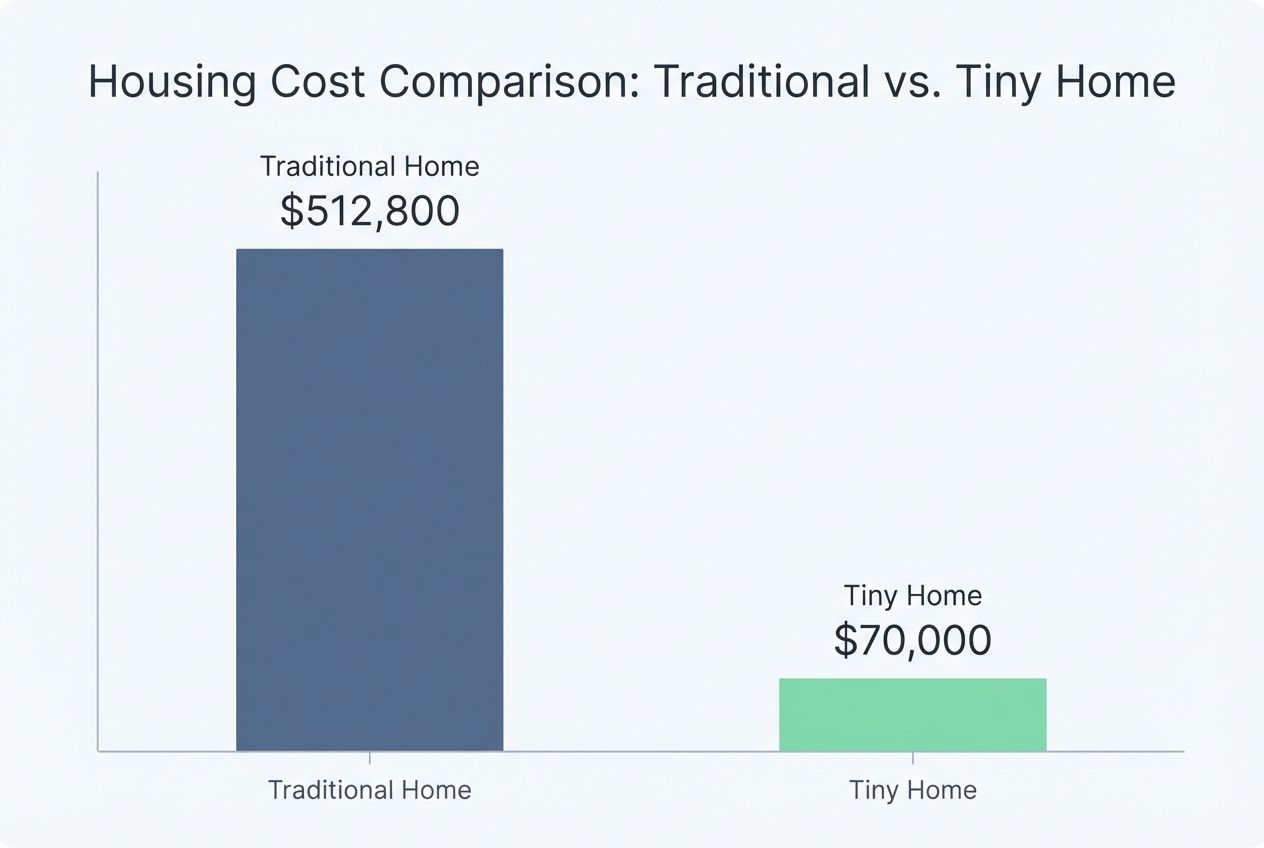
Why are people still obsessed with this today? It comes down to freedom and finances. In cities like New York or San Francisco, rent eats up a huge chunk of your paycheck. A custom tiny house often costs between $60,000 and $150,000, a steal compared to the half-million-dollar price tag of a starter home.
Remote work has poured fuel on this fire. Now that you can work from anywhere, why pay city prices? You can park your home near a national park and log in via Starlink satellite internet, a tool that has practically revolutionized the nomadic lifestyle.
Eco-friendly design pulls in those who care about the planet. Young adults want freedom from debt after college, so they skip huge mortgages for smaller ones with fewer worries. It is about trading square footage for peace of mind.
Benefits of Tiny Homes
Tiny homes can save you money and help the planet. Many people say their lives feel simpler, calmer, and freer with less stuff.
Affordability and cost-effectiveness
Let’s talk numbers. The biggest draw is avoiding a 30-year mortgage. Recent data from 2025 shows that while a traditional home costs over $500,000, you can build a DIY tiny home for around $30,000 to $60,000.
Even buying a luxury model from a pro builder rarely exceeds $150,000. This massive price gap is why 69% of tiny house owners have no mortgage at all.
Your monthly bills shrink, too. Heating and cooling a 300-square-foot box costs pennies compared to a 2,500-square-foot house. That extra cash in your pocket can go toward travel, hobbies, or retirement savings.
Sustainability and eco-friendliness
If you want to lower your carbon footprint, this is the most effective way to do it. A study by Maria Saxton, a Ph.D. researcher in environmental planning, found that moving into a tiny home reduces a person’s ecological footprint by about 45% on average.
- Less Energy: You use fewer kilowatt-hours to heat and cool.
- Less Waste: You simply cannot buy as much “stuff” because it won’t fit.
- Less Water: Many owners use composting toilets like the Nature’s Head or Separett, which save thousands of gallons of water a year.
Families save on bills, and cities see it as a way to add housing without massive new developments. It is a win-win for your wallet and the climate.
Simplified and intentional living
Living small forces you to edit your life. You keep only what you need or cherish. There is no room for a “junk drawer” when you don’t even have a drawer to spare!
Less stuff leads to less cleaning and stress. Some folks say their tiny homes help them focus on family, hobbies, or health instead of buying things just for show. Many even report having more time outdoors since upkeep is quick. Purposeful downsizing often brings a fresh view about what matters most.
Challenges of the Tiny House Movement
Living tiny is not all sunshine and rainbows. Some roadblocks can trip up even the most determined dreamer. Before you sell your stuff, you need to know about the hurdles hiding around the corner.
Zoning and legal issues
This is the big one. In many places, your tiny house is legally considered an RV, not a home. This means you often cannot live on it full-time on your own land.
Zoning laws in cities like Los Angeles and New York have historically pushed out smaller dwellings, though this is slowly changing. For example, Appendix Q in the building code is being adopted by more states, like Maine and Oregon, which helps legalize these structures on foundations.
Permits can take months. You might need permission for water, waste, and electric hookups. My advice? Check if your builder is NOAH (National Organization of Alternative Housing) certified. This inspection seal can make it much easier to get insurance and legal parking spots.
Limited space and storage concerns
Every inch matters in these homes. If you love to collect vintage records or need a massive desk for work, this will be a struggle. Downsizing means trading a walk-in closet for storage bins under the couch.
People use clever tricks such as loft beds and fold-down tables. But here is the reality check: shoes pile up fast, and winter coats beg for a spot. The kitchen rarely fits more than two pots at a time. Some find joy in cutting clutter, while others miss having extra socks handy.
Social stigma and misconceptions
Space issues don’t just live in drawers; they sneak into minds, too. Some folks think tiny homes mean you are broke or antisocial. That feeling can sting.
In truth, many owners work good jobs and want less debt or a lighter carbon footprint. The story isn’t always about struggle; it is often about smart financial choices. Misunderstandings still swirl, but as housing prices soar, more people are starting to see the genius in going small.
Innovations in Tiny Home Design
Tiny homes keep surprising us with clever tricks and wild new ideas. The industry is moving way beyond simple wooden cabins.
Use of sustainable materials
Builders are getting serious about efficiency. Many now use SIPs (Structural Insulated Panels) for walls. These are foam-core sandwiches that provide incredible insulation, keeping your home warm in winter without blasting a heater.
You will also see recycled wood, reclaimed metal, and bamboo to cut waste. Metal roofs last for decades and keep water out during storms. Cork floors are soft underfoot and come from renewable sources. Sheep wool or denim scraps even pack the walls for warmth.
Integration of smart home technology
Smart home gadgets make tiny houses feel bigger. Since you have limited space, you don’t want twenty different switches on the wall. Owners use tools like Nest thermostats or Lutron Caséta lighting to control everything from a phone.
- Connectivity: Starlink satellite internet allows nomads to work from deep in the woods.
- Power: Apps now monitor solar battery levels in real-time, so you never run out of juice.
- Security: Wireless cameras like Ring or Arlo work perfectly on off-grid setups.
Even with tight quarters, tech makes daily life easier and more fun.
Customization and modular designs
Each tiny house can fit a person’s needs like a glove. Slide-out beds, hidden desks, and fold-down tables fill space with clever uses. Walls move around or disappear for more room on busy days and vanish at night so you can sleep in peace.
Modular designs let people swap out kitchens or even connect two houses together. This flexibility turns each home into something special without much fuss or cost.
The Future of Tiny Homes Movement
Tiny houses may lead to new ways of living in cities and towns. Some folks see them as a puzzle piece that fits changing needs for space, cost, and freedom.
Growth of tiny home communities
You don’t have to be a loner to live tiny. Villages are popping up across the United States. A shining example is Community First! Village in Austin, Texas.
This 51-acre master-planned community provides affordable, permanent housing for the chronically homeless. It has become a national model, with plans to expand to 1,900 homes. It proves that tiny homes can solve massive social problems.
For those just looking for a lifestyle change, places like Acony Bell in North Carolina offer a resort-like atmosphere with community gardens and shared clubhouses. These neighborhoods give people a way to enjoy affordable housing without giving up safety or modern comforts.
Adoption as an affordable housing solution
After new tiny home neighborhoods pop up, the idea of using these small spaces as affordable housing spreads fast. Many people now turn to minimalism because rent and house prices keep rising every year.
Groups such as Habitat for Humanity have started building smaller, eco-friendly houses to help low-income families. Some city leaders see space-efficient homes as ways to solve urban housing shortages, too. More towns are updating rules so folks can park or build these homes legally inside city limits.
Potential for addressing urban housing crises
Cities feel the pinch as affordable housing vanishes and rent soars. Tiny homes step in like a breath of fresh air. A city lot can fit several tiny houses where only one traditional home might sit.
“We are seeing cities like San Jose and Portland embrace ‘Backyard Homes’ (ADUs) to rapidly increase housing stock.”
Building smaller cuts power bills, too, shrinking carbon footprints while keeping wallets happy. With smart urban planning, clusters of tiny houses blend into existing neighborhoods without turning everything upside down.
Final Thought: Are tiny houses the future?
Tiny houses are more than just a cute architectural trend. They are a rational response to a world that has become too expensive and too complicated. They offer a path back to financial sanity and environmental responsibility.
They might not be for everyone, but for those willing to trade square footage for freedom, they are a dream come true. If you are curious, try renting one for a weekend on Airbnb or visiting a local festival. You might just find that a smaller roof creates a much bigger life.