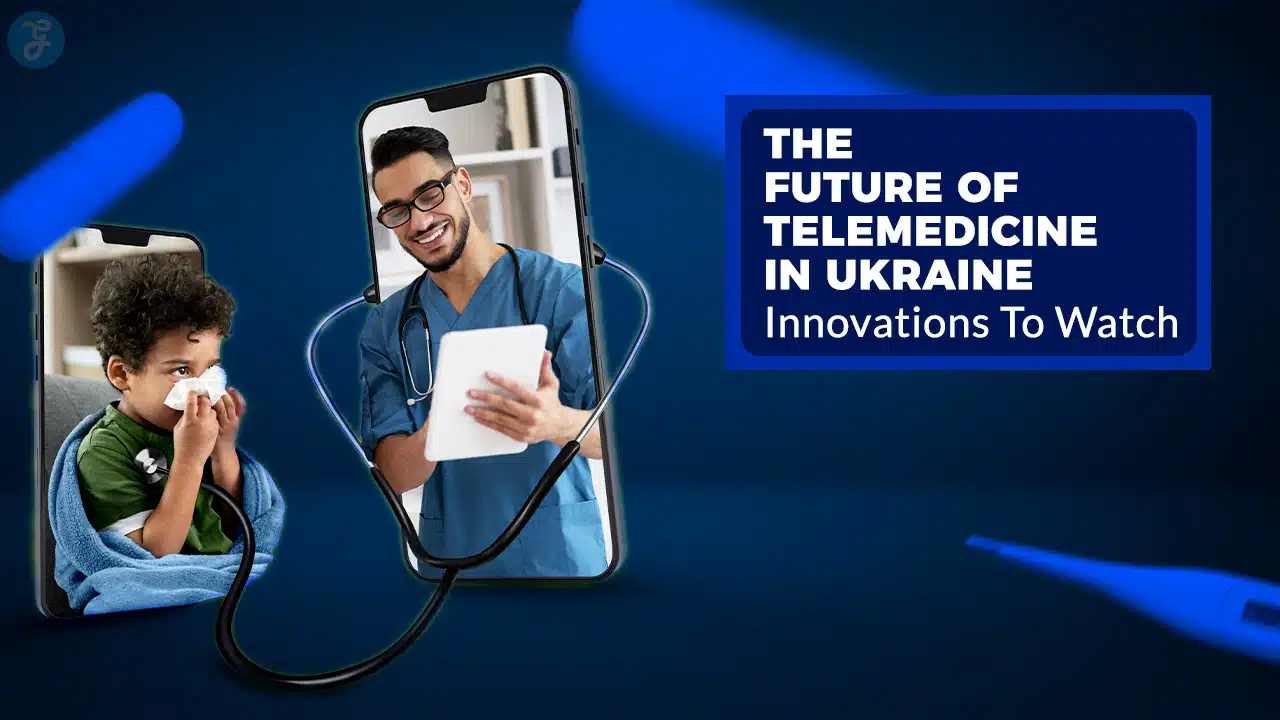
Getting healthcare in Ukraine isn’t always easy. Long waits, crowded clinics, and limited access in rural areas make it tough for many. But telemedicine is changing the game, bringing doctors to your screen with just a click.
Ukraine’s telemedicine sector is growing fast, thanks to smart tech and new laws. In this post, we’ll show you six innovations making healthcare simpler and faster. From AI doctors to wearable health monitors, these tools are reshaping medicine.
Read on to see how telemedicine is fixing Ukraine’s healthcare gaps.
AI-Powered Diagnostics and Treatment
AI-powered tools are changing how doctors diagnose diseases, with smart image analysis spotting issues faster than the human eye. Virtual assistants now help both patients and physicians by answering questions and tracking symptoms around the clock.
Wearable sensors send real-time health data to clinics, letting doctors monitor conditions like diabetes remotely. Telemedicine apps make it easy for people in remote villages to consult specialists without long trips.
New platforms connect these tools with Ukraine’s eHealth system, keeping records secure while speeding up care. Lawmakers are also updating policies to support this tech-driven shift in medicine, aiming for wider access nationwide.
AI-based image analysis tools
AI-powered tools like Brainscan and AIDOC are changing healthcare in Ukraine. These platforms use machine learning to analyze medical images, helping doctors spot problems faster and more accurately.
They’re especially useful in remote areas where specialists are scarce.
Virtual assistants powered by AI also support patients and physicians, making care more efficient. Early detection and proactive health management become easier with these tools. Predictive analytics improve diagnostic accuracy, giving doctors better insights for treatment plans.
Wearable sensors and IoT devices add real-time data to these AI systems. This combo enhances remote monitoring, letting doctors track vital signs without in-person visits. The goal is simple: better care, no matter where you live.
Virtual assistants for patient and physician support
Virtual assistants are changing healthcare in Ukraine. Powered by artificial intelligence, they help doctors diagnose and treat patients faster, especially in emergencies. These tools analyze medical images quickly, reducing wait times for results.
Patients get instant answers to common health questions without booking appointments.
The assistants connect with telemedicine platforms and eHealth systems, making care smoother. Rural areas benefit most since specialists can guide local doctors remotely. Real-time updates from wearable sensors feed into the system, keeping everyone informed.
The focus is on making healthcare simple, fast, and centered around patients’ needs.
Remote Patient Monitoring
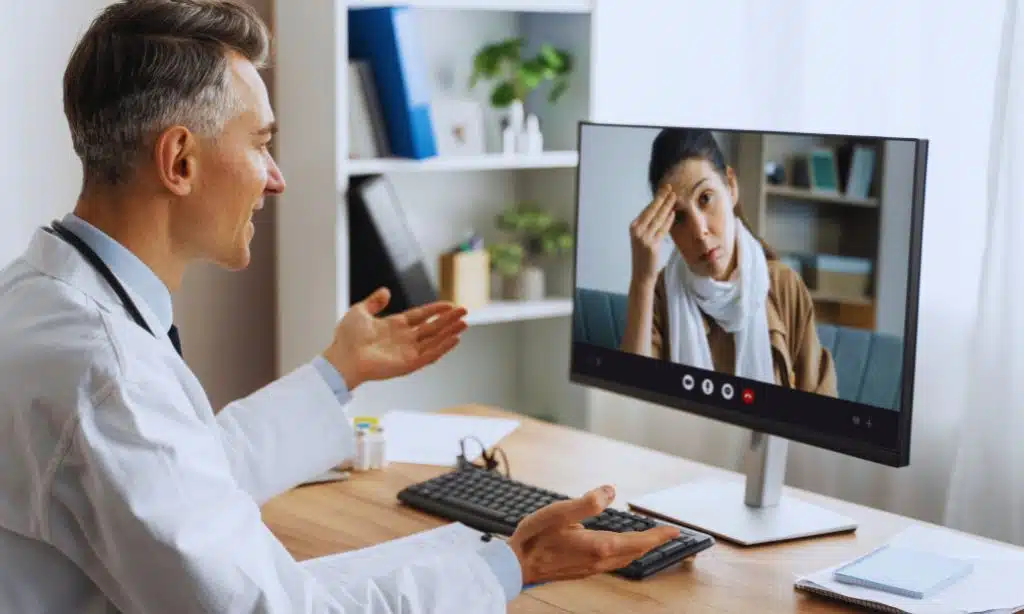
Wearable sensors track your heart rate, blood pressure, and more, sending updates straight to your doctor. Smart devices analyze this data in real time, catching problems before they get worse.
Wearable health sensors
Wearable health sensors are transforming remote patient monitoring in Ukraine. These devices track vital signs like heart rate, blood pressure, and oxygen levels. They send real-time health data to telemedicine platforms, helping doctors spot problems early.
This tech makes healthcare more accessible, especially for people in rural areas with limited clinic access.
Patients can now manage chronic conditions better with sensors that integrate into daily life. The system supports a patient-centered approach by giving doctors timely updates on their health.
Wearable tech also cuts down on unnecessary hospital visits, saving time and resources while improving outcomes through proactive care.
IoT devices for vital sign tracking
Ukraine is adopting IoT devices and wearable sensors to track vital signs remotely. These tools monitor heart rate, blood pressure, and other health data, helping doctors spot issues early.
Proactive healthcare becomes easier with real-time updates, especially for patients in rural areas where access is limited. Integrating these devices with eHealth systems improves care coordination and efficiency.
Remote patient monitoring through IoT reduces hospital visits while keeping chronic conditions in check. Wearable tech sends alerts if readings fall outside safe ranges, allowing quick intervention.
This fusion of digital tools and healthcare bridges gaps for underserved communities, making treatment more patient-centered. Better access and timely care are now possible, even from a distance.
Real-time health data analysis
Doctors can now track patients’ health the moment data comes in. Wearable sensors and IoT devices send vital signs like heart rate, blood pressure, and oxygen levels straight to healthcare apps.
This instant feedback helps catch problems early, especially for chronic conditions.
Advanced algorithms analyze the data as it streams in. Nurses and doctors get alerts if something looks wrong. Fast decisions save lives. Patients stay safer at home instead of rushing to the hospital.
Clear charts and dashboards make the data easy to understand for both medical teams and families.
Mobile Health Apps and Platforms
Mobile health apps let patients check symptoms, book virtual visits, and track meds right from their phones. Platforms like Diia.Smart Health connect users with doctors faster than waiting in a clinic line.
Wearable syncs with apps to send heart rates or blood sugar levels straight to your doctor’s dashboard. Some even ping you reminders to take pills or drink water—like a nagging nurse in your pocket.
Remote consultation apps
Remote consultation apps are changing how Ukrainians access healthcare. Platforms like Tyto Care and Healthbot Home Doctor let patients connect with doctors from home, saving time and travel costs.
These tools make virtual consultations quick, efficient, and user-friendly for both patients and physicians.
AI boosts these apps by improving diagnosis accuracy through smart image analysis. They also sync with Ukraine’s national eHealth system, allowing seamless data sharing between providers.
Hybrid care models blend in-person visits with digital check-ups, offering flexibility without compromising quality.
Health apps for self-monitoring and education
Health apps help people track their wellness and fitness daily. They monitor steps, heart rate, and sleep patterns while teaching users about healthy habits. These tools make preventive care simple by putting health management right in your pocket.
Many apps focus on digital health and self-care, offering guides for better lifestyle choices. From tracking workouts to managing chronic conditions, they blend education with real-time monitoring.
Users get personalized tips, turning their phones into handy health coaches without stepping into a clinic.
Platforms for virtual examinations
Virtual examination platforms are changing how patients and doctors connect. Apps like Tyto Care and Healthbot Home Doctor let users consult doctors remotely, even performing basic exams at home.
These tools integrate with Ukraine’s eHealth system, making it easier to share test results and medical histories securely.
Wearable sensors and IoT devices track vital signs, feeding real-time data to healthcare providers during virtual visits. AI helps analyze this information, improving diagnostic accuracy.
Hybrid care models blend in-person and remote exams, offering flexibility for follow-ups or routine check-ups. Tele-rehabilitation programs also use these platforms, allowing specialists to guide recovery without physical appointments.
Integration with eHealth Systems
Linking telemedical platforms directly with national e-health records gives doctors instant access—no digging through files—just click-and-go efficiency that saves lives every day; see how else tech bridges gaps here!
Linking telemedicine platforms with eHealth data
Ukraine is making strides in connecting telemedicine platforms with its national eHealth system. This move allows doctors, clinics, and hospitals to share patient records smoothly.
Better data exchange means faster diagnoses, fewer repeated tests, and improved care coordination across different healthcare providers.
The integration also helps serve remote areas where medical access is limited. Patients can get virtual consultations while their health history stays updated in real-time within the eHealth network.
Secure interoperability ensures sensitive information remains protected while streamlining care delivery nationwide. Innovations like these are key to modernizing Ukraine’s digital healthcare landscape.
Improved coordination of healthcare services
Telemedicine platforms in Ukraine now sync seamlessly with the national eHealth system. This lets doctors share patient records instantly, reducing delays and improving care quality.
AI tools analyze health data fast, helping doctors make better decisions. Remote monitoring devices track vital signs in real time, so medical teams can act quickly if issues arise.
Mobile apps keep patients and providers connected, making virtual consultations smoother than ever. Hybrid care models blend in-person and online visits, giving patients flexible options while keeping care coordinated.
Data security and interoperability enhancements
Telemedicine in Ukraine is getting a major boost from better data security and smoother system connections. Strong cybersecurity measures keep patient records safe, while improved health information systems let doctors share data without hiccups.
Electronic health records now sync easily with telemedicine platforms, cutting delays in care. Secure communication tools protect sensitive details during virtual visits, making sure privacy stays intact.
These upgrades help clinics and hospitals work together like a well-oiled machine, giving patients faster, safer care no matter where they are.
Tele-Rehabilitation Services
Tele-rehabilitation lets patients recover at home with virtual therapy sessions. Wearable motion sensors and video guides help track progress in real-time.
Remote rehabilitation programs for children and adults
Remote rehab helps kids & adults recover at home using digital tools like video calls & wearable sensors (IoT). These programs connect patients directly therapists without travel cutting wait times boosting convenience especially rural areas lacking specialists.
Ukraine’s system tailors each plan focusing personal needs improving outcomes faster while keeping costs low integrating smoothly hospitals’ records saving time reducing errors during transitions between care stages
Virtual physical therapy solutions
Virtual physical therapy solutions are changing healthcare in Ukraine. These digital health tools offer remote rehabilitation for children and adults, making care more flexible. Wearable sensors and video sessions help patients recover at home, cutting the need for in-person visits.
Tele-rehabilitation focuses on patient-centered care, adapting programs to individual needs. During crises like war or natural disasters, these online rehabilitation services keep treatment going without delays.
They also ease pressure on clinics, letting therapists help more people efficiently.
Support for post-surgery recovery
Tele-rehabilitation services are transforming post-surgery recovery in Ukraine. AI-powered tools and wearable sensors track patient progress, offering real-time health data to doctors.
These remote programs help both kids and adults heal faster, cutting down unnecessary clinic visits.
Digital platforms connect patients with therapists for guided exercises at home. Recovery becomes smoother with virtual check-ins, personalized care plans, and instant feedback. Telemedicine bridges gaps for rural patients, giving them the same quality rehab support as city residents.
Secure data-sharing ensures seamless coordination between surgeons, therapists, and caregivers.
Hybrid Care Models
Hybrid care mixes in-person and virtual visits, giving patients the best of both worlds. Doctors can adjust treatment plans faster by blending office check-ups with remote monitoring tools like wearables and video calls.
Combining in-person and virtual consultations
Ukraine is embracing hybrid care models, mixing in-person and virtual consultations to give patients more flexibility. These models create personalized treatment plans that suit individual needs, enhancing coordination between doctors and their patients.
They also help meet the rising demand for flexible healthcare, especially during emergencies like war or disease outbreaks.
Remote visits save time for routine check-ups while serious cases still get face-to-face attention. Wearables and apps share real-time health data with providers for better decisions.
This combination of digital and traditional care keeps services seamless without sacrificing quality or personal connection.
Tailored treatment plans using hybrid methods
Hybrid care models in Ukraine combine in-person visits with virtual healthcare, giving patients flexible options. These plans adjust to individual needs, from chronic disease management to post-surgery follow-ups.
Telemedicine platforms connect doctors and patients remotely, while clinics handle hands-on care. This mix improves access for rural areas and offers customized solutions without travel burdens.
Wearable sensors and mobile apps track health data between appointments, integrating updates into eHealth systems. AI helps analyze trends, allowing doctors to modify treatments faster.
The result? More efficient care customized to each patient’s lifestyle and medical history. Government policies now support these methods, driving Ukraine forward to a patient-centered future where geography no longer limits quality treatment.
Flexible healthcare delivery options
Hybrid care models in Ukraine blend in-person visits with virtual consultations, giving patients more control over their treatment. These models create personalized care plans that fit individual needs, whether someone lives in a busy city or a remote village.
Wearable health sensors and mobile apps make it easy to track vital signs from home, reducing the need for constant hospital trips.
The combination of digital and traditional care improves access to healthcare for those in rural areas who might struggle with transportation. Patient-centered approaches focus on personal preferences, making treatments more effective.
With improved coordination through telemedicine platforms, doctors quickly share data and adjust plans as needed. Faster response times mean quicker recoveries and fewer complications.
Policy and Legislative Support
Ukraine is rolling out new laws to boost telemedicine, making virtual care faster and safer for everyone — want to see how these changes could help you?
Key legislative changes supporting telemedicine
Telemedicine in Ukraine is growing fast. New laws help make it easier and safer for patients.
- Laws now allow doctors to diagnose and treat patients online. This cuts down on unnecessary hospital visits.
- Patient data privacy rules are stronger. All telemedicine platforms must follow strict security measures.
- Insurance companies must cover virtual visits. This makes telehealth more affordable for everyone.
- Doctors can now prescribe medicine digitally. E-prescriptions save time and reduce errors.
- Rules for remote monitoring devices are clearer. Wearables and IoT health tools can be used legally.
- Cross-border telemedicine is now permitted. Foreign specialists can consult with Ukrainian patients.
- Licensing for telehealth providers is simplified. More clinics can offer online services quickly.
- Emergency telemedicine services get special support. Faster care is available in critical situations.
- Fraud protection is built into regulations. Fake online clinics face heavy penalties.
- Training programs for digital health are funded. Doctors learn how to use telemedicine tools effectively.
Government strategies for telemedicine development
Ukraine is boosting telemedicine through smart policies and funding. The government aims to expand digital health services by updating laws, improving internet access, and training doctors for virtual care.
New rules make it easier for patients to get remote consultations while keeping data safe. Investments in 5G networks and electronic health records help hospitals and clinics work together smoothly.
These steps bring quality care to more people, especially in rural areas.
Regulatory frameworks for innovation
Regulatory frameworks shape how telemedicine grows in Ukraine. Clear policies help startups and doctors use new tech without legal hurdles. The government must balance rules that protect patients while encouraging fresh ideas.
Good laws speed up AI tools, remote monitoring, and data-sharing systems. Strong privacy standards build trust in digital health platforms. When rules support innovation, rural clinics gain the same care as big-city hospitals.
Simple compliance steps let small practices adopt telehealth faster too.
Technological Advancements Driving Telemedicine
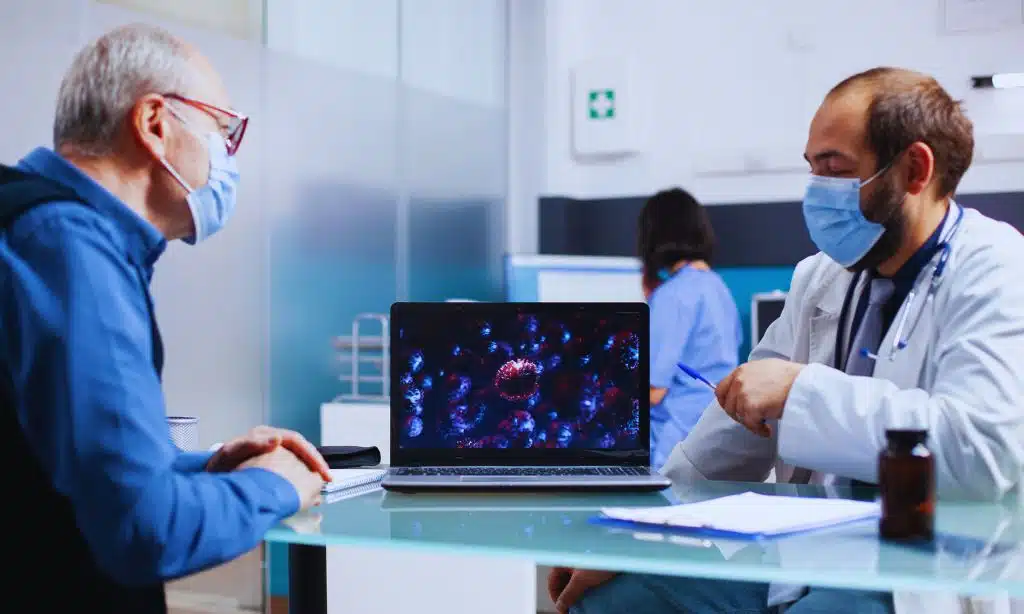
Fast 5G networks let doctors stream high-quality video calls, making virtual checkups smooth as butter. Blockchain keeps patient records safe, while smart sensors track health data in real-time without missing a beat.
Use of 5G networks for real-time care
5G networks are changing telemedicine in Ukraine. They allow doctors to send high-quality video, images, and patient data almost instantly. This means faster diagnoses and smoother virtual consultations with no lag.
Wearables and IoT devices can now track vital signs in real time thanks to 5G. Patients get immediate feedback, while doctors receive accurate updates without delays. The speed of 5G also supports telesurgery by enabling precise robotic tools and live-streamed operations.
Stronger connectivity bridges gaps in rural healthcare access too.
Blockchain for secure patient data
Blockchain keeps medical records safe like an unbreakable digital lockbox (Patient Privacy). It spreads information across many computers so no single point can fail (Decentralization).
Doctors see accurate histories without risking hacks (Data Integrity), because each change gets logged permanently (Distributed Ledger).
Special codes scramble personal details so only approved users read them (Cryptography). Hospitals share test results fast without faxes or lost files (Interoperability), thanks to shared rules everyone follows (Security Protocols).
Imagine updating prescriptions instantly across clinics while keeping allergies private—that’s blockchain working behind screens today (Electronic Health Records).
Advanced telemedicine devices and tools
Telemedicine is getting smarter with AI-powered tools. Platforms now use artificial intelligence to analyze medical images, like X-rays and MRIs, with high accuracy. Virtual assistants help doctors by sorting patient data and offering quick treatment suggestions.
Wearable health sensors and IoT devices track vital signs in real time. These gadgets send alerts if something’s wrong, letting doctors act fast. Apps like Tyto Care bring remote consultations right to your phone, making care more convenient than ever.
The eHealth system also connects telemedicine platforms for smoother data sharing, cutting down delays in treatment. With hybrid models mixing virtual and in-person visits, healthcare stays flexible without losing quality.
Expanding Specialized Telemedicine Services
Telepsychiatry connects patients with mental health pros from home, breaking stigma barriers. Advanced telesurgery tools let specialists guide procedures remotely, saving lives in rural areas.
Telepsychiatry and mental health support
Telepsychiatry brings mental health care to screens, making therapy accessible from home. Virtual care platforms offer online counseling for anxiety, depression, and other behavioral health needs.
Patients in remote areas can now connect with specialists without long trips.
Wearable devices and mobile apps help track mood swings or stress levels in real time. Digital mental health tools provide self-help resources alongside professional support. Telemedicine breaks down barriers, ensuring no one gets left behind in getting the help they need.
Telesurgery and remote surgical assistance
Telesurgery lets doctors perform operations from miles away using robotics and digital health tools. Surgeons control robotic arms with precision, making minimally invasive procedures safer.
Remote surgical assistance connects experts with local teams in real time, improving outcomes for complex cases.
Wearable patient monitoring devices track vital signs, helping surgeons adjust during live telesurgeries. High-speed 5G networks support smooth video feeds and instant data sharing.
This tech bridges gaps, bringing top-tier care to rural areas without delays.
Teleophthalmology for eye care
Teleophthalmology lets patients receive eye care remotely, making specialist consultations more accessible. Using digital health tools like video calls and mobile apps, doctors can diagnose conditions such as glaucoma or diabetic retinopathy without an in-person visit.
This is especially helpful for people in rural areas where ophthalmologists are scarce. Wearable devices and AI-powered image analysis also improve accuracy by detecting early signs of eye diseases from uploaded photos.
The rise of telemedicine platforms has expanded access to timely eye care while reducing travel time and costs. Virtual appointments allow follow-ups after surgeries or chronic disease management without leaving home.
Secure online systems keep patient records safe while enabling seamless sharing between providers. With growing demand for remote healthcare, teleophthalmology is set to play a bigger role in preserving vision for countless individuals who need it most.
Addressing Healthcare Disparities Through Telemedicine
Telemedine bridges gaps by bringing specialists into rural homes via smartphones—no highways needed!
Expanding access to rural and underserved areas
Many rural areas in Ukraine struggle with limited healthcare access. Telemedicine bridges this gap by allowing patients to connect with doctors remotely, cutting travel time and costs.
Wearable devices and mobile apps track vitals, sending data straight to physicians for quick feedback.
Communities far from clinics benefit from virtual consultations, reducing delays in care. Digital tools help monitor chronic conditions without frequent hospital visits. This approach improves health equity by reaching people who otherwise lack proper medical support.
Overcoming barriers to healthcare delivery
Telemedicine helps bring healthcare to people in remote or underserved areas. Wearable sensors and mobile apps let doctors monitor patients from afar, cutting down travel time and costs.
Virtual consultations make it easier for those with mobility issues or tight schedules to get care quickly.
Strong internet connections and user-friendly platforms bridge gaps in access, especially in rural regions. Community health programs can use telehealth tools for wider patient outreach, ensuring no one gets left behind.
Secure digital records improve coordination between providers, making treatment faster and more reliable.
Enhancing Patient Engagement and Experience
Easy-to-use telemedicine apps and personalized digital care plans make patients feel more in control, turning health management into a smooth, stress-free experience—see how tech is changing the game.
User-friendly telemedicine interfaces
Good telemedicine interfaces make virtual care feel simple. Clear layouts, big buttons, and straightforward menus help patients book visits or check records without frustration. Many platforms now include voice commands and chat options for those who struggle with typing.
Digital health tools should work like your favorite apps—fast, smooth, and easy to figure out. Features like one-click video calls, automatic reminders, and visual symptom checkers keep people engaged in their care.
The best designs put patients first by reducing clicks and cutting confusion.
Personalized care through digital platforms
Digital health platforms make patient-centered care easier. AI-powered diagnostics analyze personal data, helping doctors create customized treatment plans for each individual. Remote monitoring tools track vital signs in real time, giving providers insights to adjust interventions quickly.
Mobile health apps let patients communicate directly with physicians and manage their conditions from home. Ukraine’s eHealth system supports individualized medicine by securely sharing patient records across platforms.
Hybrid care models combine virtual and in-person visits, offering flexibility while keeping treatment accurate. Easy-to-use interfaces encourage engagement, so patients take an active role in their own health journey.
Encouraging patient involvement in health management
Getting patients more involved in their health starts with clear communication. Apps and digital platforms help by giving easy access to test results, treatment plans, and self-care tips.
Patients who understand their conditions make better decisions about care.
Health literacy is key. Simple tools like symptom trackers or medication reminders put control in the patient’s hands. Shared decision-making between doctors and patients leads to stronger outcomes, building trust along the way.
The easier it is to engage, the more people take charge of their well-being.
Future Challenges and Opportunities
Telemedicine in Ukraine must tackle gaps in tech access and digital literacy to reach everyone. On the flip side, better training for doctors and new tools like 5G networks could make remote care faster and more reliable.
Overcoming technological limitations
Technological barriers like poor internet access and outdated devices can slow telemedicine growth. Many rural areas still lack reliable connectivity, making real-time consultations tough.
Upgrading infrastructure, such as expanding 5G networks, could bridge this gap while boosting speed for remote diagnostics.
Cost remains another hurdle—high-tech tools like AI diagnostic systems demand investment. Training healthcare workers to use these innovations is just as vital. Simple fixes include adapting apps for low-end smartphones and offering offline features where signals are weak.
The goal is balancing cutting-edge solutions with practical, affordable steps forward.
Training healthcare providers for telemedicine adoption
Doctors and nurses need the right skills to deliver care through telemedicine. Hands-on training in digital tools, like remote consultation apps and virtual examination platforms, helps them adapt quickly.
Hospitals can use simulated patient scenarios to build confidence in telehealth workflows.
Online courses and workshops make learning flexible for busy healthcare teams. Focus areas include using AI diagnostics, monitoring patients with wearables, and securing eHealth data.
Strong technical support keeps glitches from slowing down care. With proper training, providers can offer smooth, effective virtual visits that patients trust.
Bridging gaps in digital literacy
Many rural and elderly patients struggle with digital skills needed for telemedicine. Simple tech education programs can boost their confidence with online consultations.
Virtual training tools help users learn basic information literacy, like using health apps efficiently. Community workshops and eLearning courses make digital inclusion easier for those with limited access to technology.
Improved media literacy also prevents misinformation about remote care.
Takeaways
Telemedicine in Ukraine is here to stay, and it’s getting smarter every day. AI tools, wearables, and mobile apps are making healthcare faster and easier. Rural patients now get the same care as city dwellers, thanks to remote monitoring and virtual visits.
The blend of tech and human touch is reshaping how Ukrainians stay healthy. Watch this space—the future of medicine is already at your fingertips.
FAQs on Future Of Telemedicine In Ukraine
1. What is telemedicine, and why is it growing in Ukraine?
Telemedicine lets doctors treat patients remotely using video calls, apps, or online tools. In Ukraine, it’s growing fast because it saves time, cuts costs, and reaches people in war-affected areas. New tech, like AI diagnostics and mobile health platforms, makes it even better.
2. How is AI changing telemedicine in Ukraine?
AI helps doctors analyze symptoms faster, predict health risks, and even read medical scans. Ukrainian startups are using AI chatbots for quick consultations. It’s like having a virtual assistant that never sleeps, but real doctors still make the final call.
3. Can telemedicine work in rural parts of Ukraine?
Yes. With better internet and mobile apps, even villages can access care. Drones deliver medicine to hard-to-reach places. Local clinics connect with city specialists online. It’s not perfect yet, but it’s a lifeline where hospitals are far away.
4. What’s the biggest challenge for telemedicine in Ukraine?
Internet gaps and power outages can disrupt care. Not everyone trusts digital health yet. But with better tech and training, these hurdles are shrinking. Think of it like fixing a bike while riding it, progress is happening fast.