The Everest Base Camp Trek is not just one trip. It’s a lifetime feeling. You walk between earth and sky, touching clouds, seeing mountains so close, it feels like a dream. This trek will take you to the heart of the Himalaya, showing you that Mount Everest is big and strong. People from all over the world come for this. It is not just about reaching Base Camp; it is about the journey, people, view, air, and spirit. If you like walking, nature, and adventure, this trek is best for you.
Where the Trek Starts
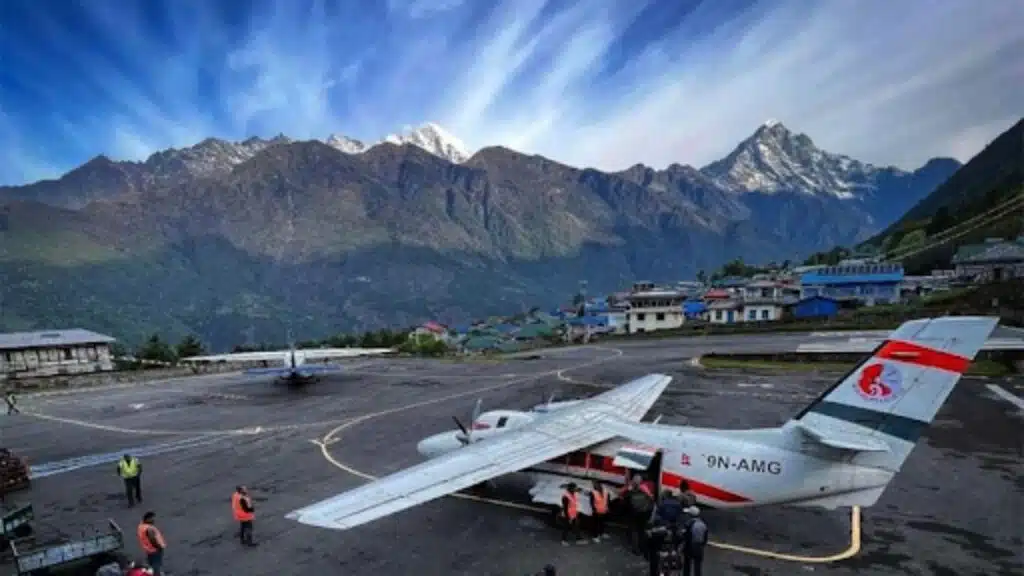
This trek starts from Lukla, a small mountain town. You fly there from Kathmandu. The flight was short, like 30 minutes, but very exciting. Planes fly between mountains, landing on small runways. After landing, you feel fresh air, mountain smells, and cold wind. From Lukla, you start walking. Each step takes you closer to Everest.
Trekking Route
Lukla to Phakding—the first day’s walk is easy. Only 3-4 hours. You walk down mostly. You cross rivers and see forests and small villages. Phakding to Namche Bazaar—now the climb starts. This is a bit of a hard day. Around 6-7 hours. Cross many suspension bridges over the big Dudh Koshi river. Climbing to Namche is steep. But when you reach it, you are happy. Namche is a colorful town, with shops, cafes, bakeries, and a view.
Namche Bazaar to Tengboche—this day’s walk is beautiful. You walk flat first, then down, then up again. Tengboche has a big monastery. You see Everest, Ama Dablam, and Lhotse, all big peaks from here. Tengboche to Dingboche—now you go high. Tree line finishes, now only rock and small bushes. The walk is longer, but the view is open. Dingboche is cold at night but a nice place.
Dingboche Rest Day—rest is needed here for acclimatization. You climb a small hill to help your body. From Dingboche to Lobuche—you walk slowly now. The air is thin. Cross Dughla pass, see many memorials for climbers who died on Everest. A very emotional place.
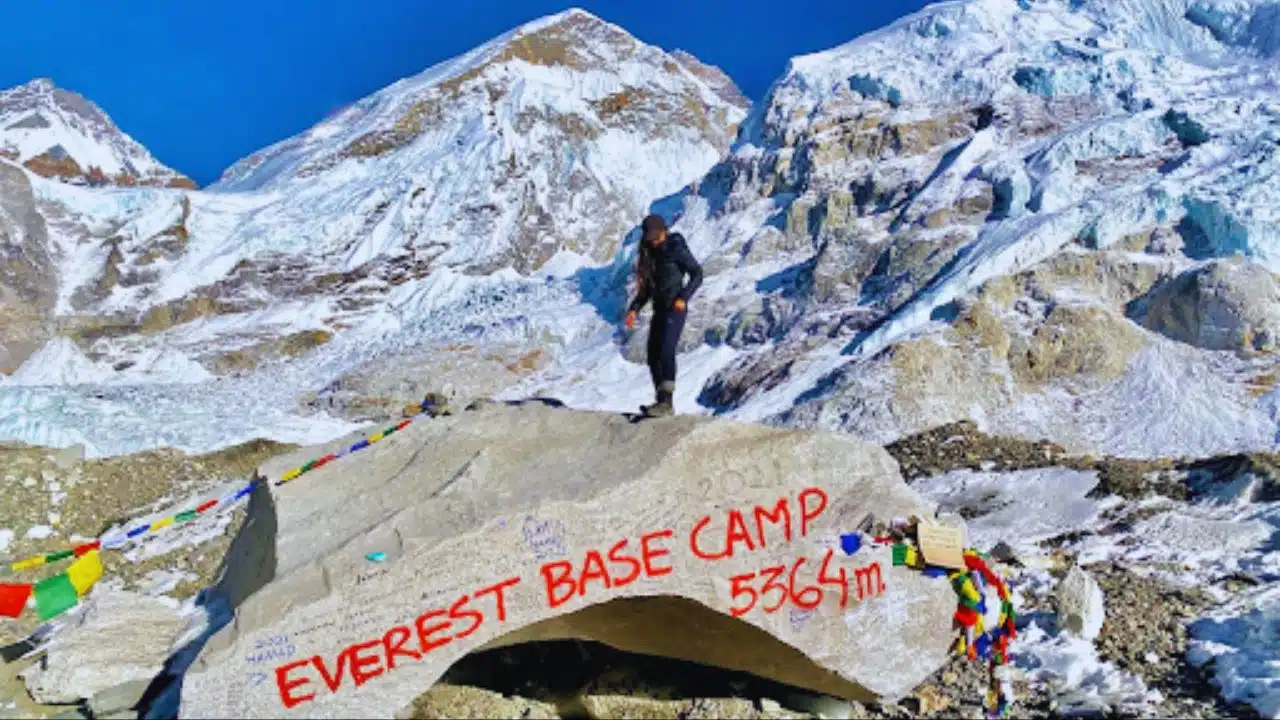
Lobuche to Gorakshep, then Everest Base Camp—final day. You reach Gorakshep first, drop the bag, and then walk to Everest Base Camp. Rock and ice everywhere. Base Camp does not have a tent if it is not a climbing season. But you still feel powerful. Touch base, take photos.
Next morning, you go to Kala Patthar. Best view of Everest from here. You see the sun rise on the mountain. That moment makes all the hard walks worth it.
Why People Love This Trek
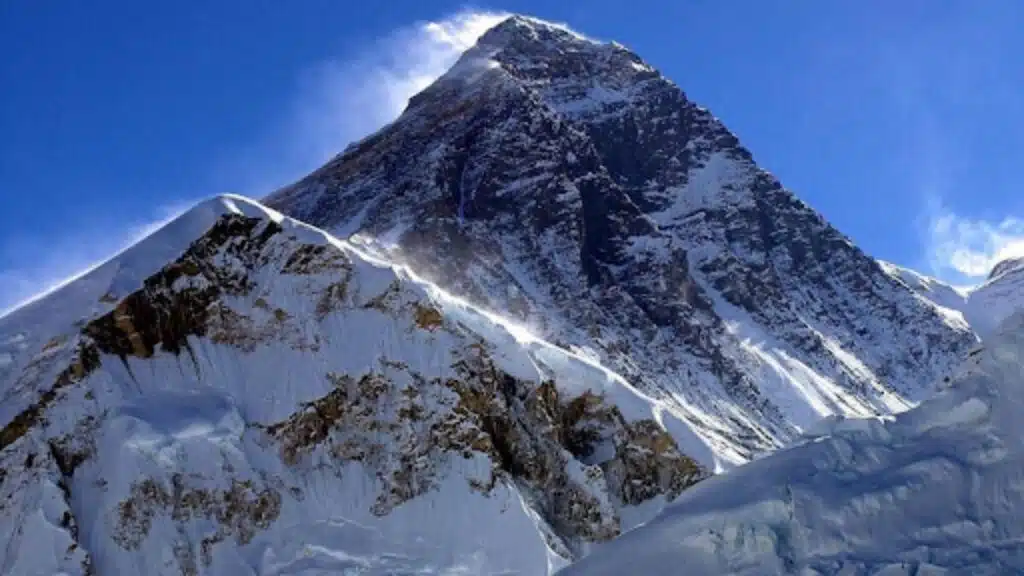
People love this trek because it is real. You walk with your feet, carry your bag, and talk with locals. No car, no bike, only footsteps. You meet Sherpa people and learn their culture. You see big mountains—Everest, Lhotse, Nuptse, and Ama Dablam. You feel small but also strong.
Every night you stay in the teahouse. Simple room, warm food. No luxury, but my heart is full. You drink tea, eat dal bhat, sit near a fire, and talk with other trekkers. Also, people do this trek to feel freedom. No city noise, no internet always. Just mountains, sky, and air.
Food and Stay
On the trek, food is basic but good. You eat dal bhat—rice, lentil soup, and vegetable curry. It gives you power. Also have momo (dumpling), chow mein, pasta, soup, fried rice, pancake, and omelet. Drink hot tea—ginger tea, lemon tea, or milk tea. Water you fill from the tap or buy a bottle. Better to use a purification tablet.
The room is simple. Two beds, a thin mattress, and a blanket. The toilet is outside sometimes. Hot showers you get by paying. Some lodges have WiFi, but it’s slow.
Health and Safety Tips
Altitude is the main danger. Walking slowly, drinking water, and resting are important. Don’t climb fast. If you feel a headache, nausea, or dizziness, tell the guide. Maybe I need to go down. Bring good boots, warm clothes, and a sleeping bag. Weather can change fast. Carry medicine—for headache, fever, cold, and stomach.
No need to carry a heavy bag. Porter can help. A guide is also good to have; they know the way and help in an emergency.
Best Time to Go
Best time for the Everest Base Camp trek is two season –
Spring (March to May)—the weather is clear, rhododendron flowers bloom, and the mountain view is great.
Autumn (September to November)—after rain, the sky is clean, and the trail is dry. Best time for a photo.
Winter is cold, with very few people. Summer is rainy, not a good view.
People You Meet
Sherpa people live in the mountains. They are kind, strong, and always smile. They carry loads, guide you, and cook food. You respect them. Also meet trekkers from all over the world. Japan, the USA, the UK, India, China, and France. Everyone has a dream to reach Base Camp. On the trail, people talk, help, and smile.
Culture and Monastery
You see many stupas, prayer flags, and mani walls. Always walk on the left side. Respect local customs. In Tengboche, a big monastery. You can sit and listen to chants. It is peaceful.
Sherpa believes in Buddhism. They love the mountain and treat it like a god.
Cost for the Trek
The cost depends on how you do it. Budget way or luxury way.
- Permits cost around $50 for foreigners.
- A flight to Lukla is around $180 one way.
- Guides charge around $25–30 per day.
- Porter: $20 per day.
- Food and lodging per day cost $25–40.
Total cost for a 12–14 day trek is $1200–1800 on average.
What to Pack
You need to pack light but smart. Carry:
- Warm jacket (down)
- Fleece and thermal wear
- Rain jacket
- Trekking pants
- Gloves, hat, sunglasses
- Water bottle
- Sleeping bag
- Headlamp
- First aid
- Power bank
Don’t forget a passport copy and cash money (no ATM after Namche).
Feeling at Everest Base Camp
When you stand at Base Camp, your heart beats fast. Not just from altitude, but from happiness. You see icefalls, Khumbu glacier. Everest is in front but still far. You take a photo, smile, and maybe cry. You remember all day walking. You thank your guide, yourself, and your feet.
That place is not just rock and ice. It is full of emotion. Many dreams reach here. Some people go up to the summit; some just go till here. But for all, it was a big moment.
Coming Back
The return route is the same. You come back to Lukla, then fly to Kathmandu. But now you feel different. You feel strong. You have a story. You did something big.In Kathmandu, you relax, eat good food, and maybe get a massage. But inside your heart, the mountain calls again.
Tips for First-Time Trekker
- Don’t rush; the mountain won’t run.
- Eat well, sleep early.
- Respect the guide, porter, and local people.
- Save battery, not always WiFi.
- Bring snacks—chocolate, dry fruit.
- Use sunscreen; the sun is strong.
- Smile always, even when tired.
Final Words
The Everest Base Camp trek is not easy. But not too hard either. If you prepare, walk slowly, and listen to the guide, you will reach it. And when you reach it, you feel proud. Between earth and sky, you walk in a world of snow, wind, and silence. You feel small but big in heart. You carry that feeling forever. Everest is not just a mountain. It symbolizes dreams, power, and peace. This trek shows you not just the mountain but yourself.
So if your heart wants adventure, go. Everest Base Camp is waiting.
Booking Process by Nepal High Trek:
To book any of these treks tours through Nepal High Trek Pvt.Ltd , begin by contacting them via email at info@nepalhightrek.com or phone or WhatsApp at +977-9851142116 to discuss your preferred dates, group size, and specific needs. They will provide a detailed itinerary covering these trek’s duration, highlights, cost, and inclusions such as a guide, porter, meals, accommodation, and transportation.
Prior to the trek, you will receive a comprehensive pre-trek briefing with essential information on packing, fitness preparation, and altitude acclimatization. The agency will finalize all logistical arrangements, including transportation, accommodation, and permits, to ensure everything is in place for your trek. Upon arrival in Nepal, the team will ensure that all aspects of the trek are organized, providing you with a smooth and unforgettable experience on these treks.