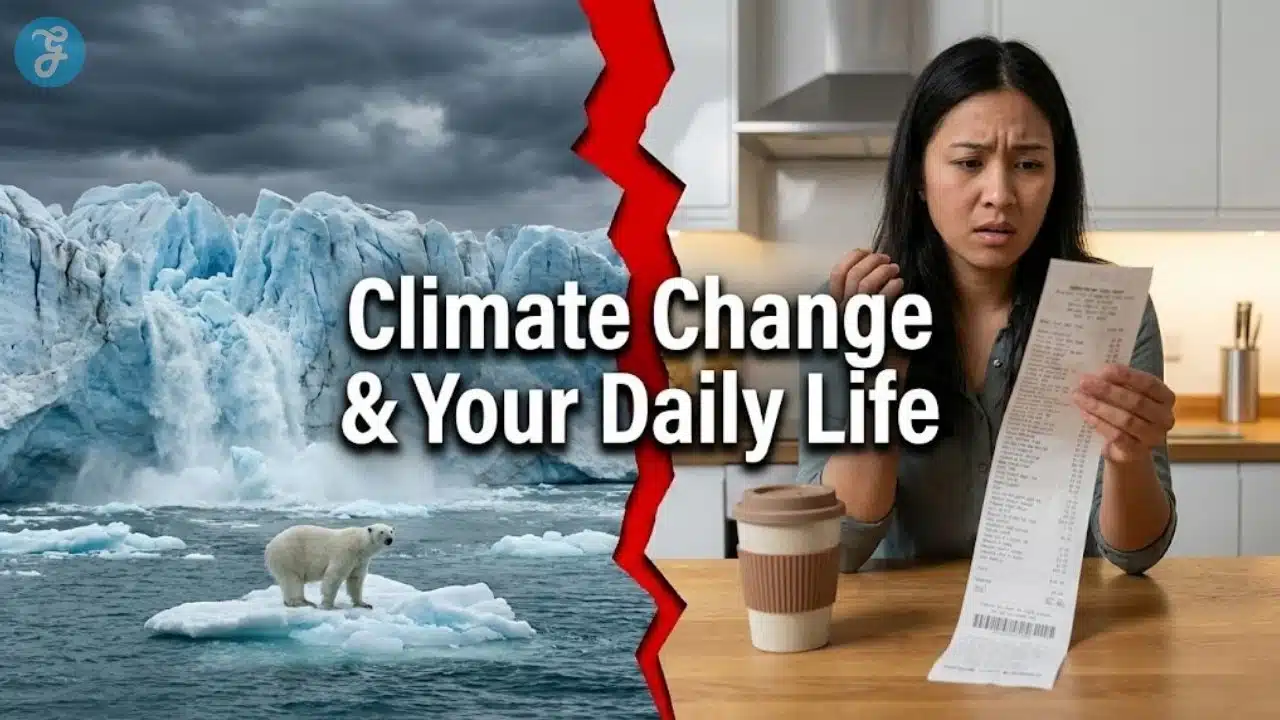
The effects of climate change in daily life are not a distant problem that only shows up in documentaries or polar regions. It increasingly shapes the choices people make at home, at work, and in their communities. You may notice it in higher utility bills, more intense heat, disrupted travel, changing food prices, or smoke-filled air during wildfire season.
This article breaks down how climate-related shifts show up in everyday routines. It also explains why these changes are happening, who tends to be affected first, and what practical steps can reduce risk without turning life into a constant emergency plan.
Why Climate Change Feels More “Local” Now?
Climate change is often described in global terms, but people experience it locally. A global average temperature number does not explain what it feels like when a city sees more dangerous heat days, when storms become more damaging, or when rainfall patterns shift enough to stress water systems.
Another reason it feels closer is that modern life is tightly connected. Supply chains, energy grids, health systems, and transportation networks are designed around historical weather patterns. When those patterns become less predictable, everyday services become more fragile, and disruptions become more noticeable.
There is also the timing factor. Many communities are seeing extremes more frequently, which reduces recovery time between events. When the “rare” events begin to happen often, they stop feeling rare and start feeling like a new normal.
Here Are 10 Effects of Climate Change in Daily Life You May Notice
The effects below are not limited to one country or one lifestyle. Some people experience them more intensely than others, but they are increasingly common across regions.
1. Hotter Days That Change How You Live And Work
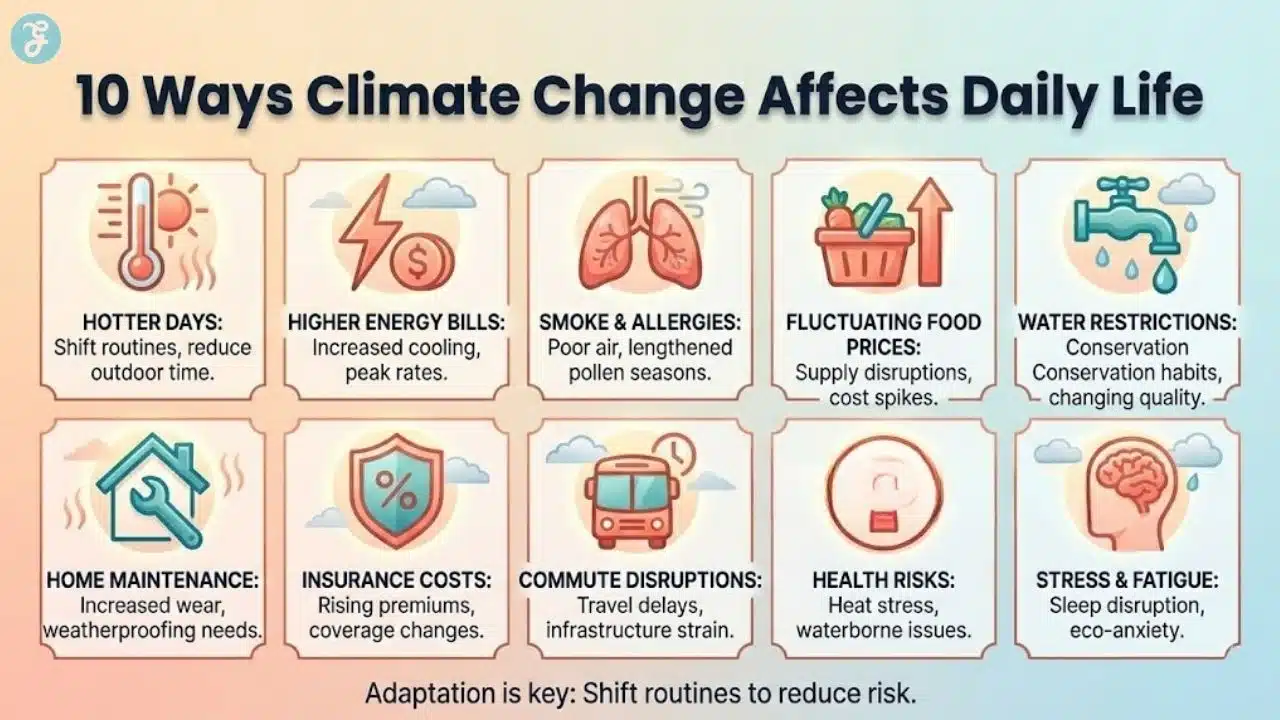
More frequent high-heat days affect routines in direct ways. People shift errands to mornings or evenings, reduce outdoor time, and rely more on cooling. In many regions, heat now influences how long you can safely exercise, commute, or work outside.
Heat also affects productivity and health. Even mild dehydration and heat stress can reduce focus and increase fatigue. For workers in construction, delivery, agriculture, and other outdoor roles, extreme heat can become a safety and income issue, not just a comfort problem.
2. Higher Electricity Bills And Changing Energy Use
When temperatures rise, cooling demand increases. That can raise household energy bills, especially during prolonged hot periods. Even if rates stay the same, using air conditioning more often increases total cost.
In some areas, the bigger issue is peak demand pricing or strain on the grid. When millions of homes cool at the same time, utilities may raise peak rates or issue conservation alerts. This can push households to adapt by using fans, improving insulation, or shifting energy use to off-peak hours.
3. More Smoke, Dust, And Allergy Problems
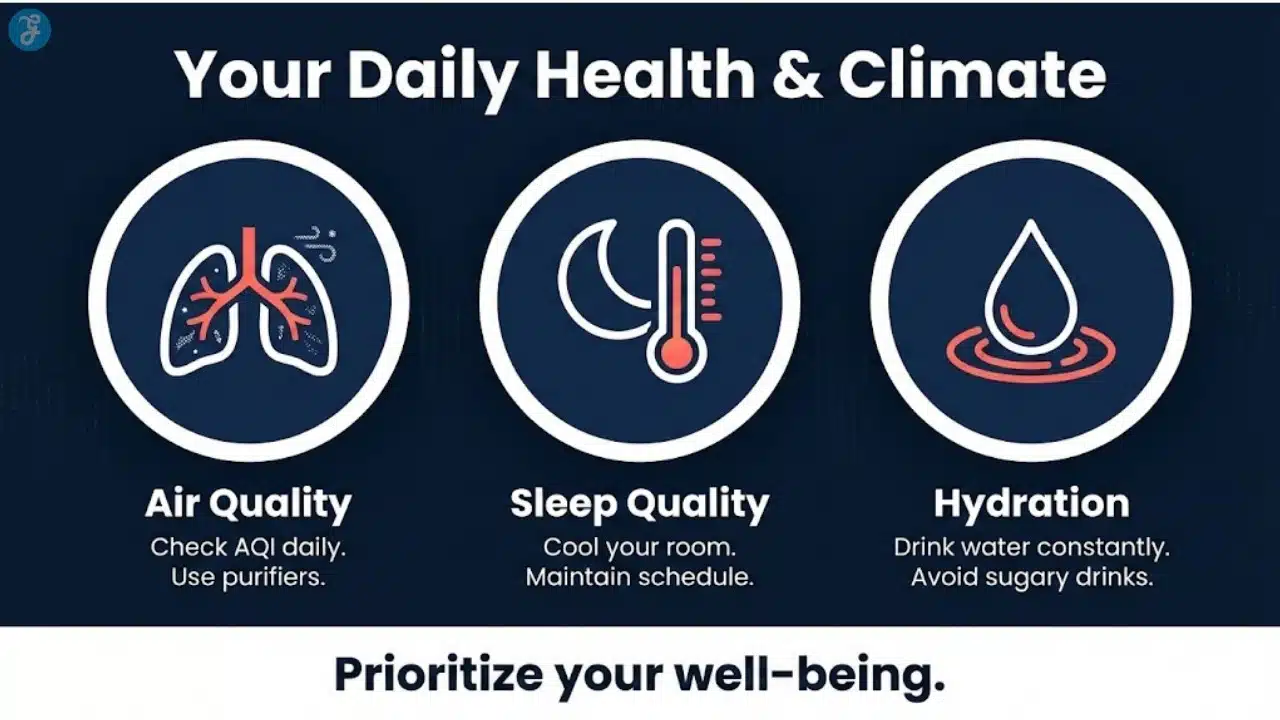
Air quality has become a more visible daily issue in many places. Wildfire smoke can travel long distances and linger for days, changing school schedules, outdoor sports, and even basic errands. People without air filtration may find indoor air becomes uncomfortable or unsafe during severe events.
Allergies can also worsen when pollen seasons lengthen or shift. Some plants release pollen earlier or for longer stretches, and that can increase symptoms for people with asthma or seasonal allergies. The result is more reliance on air purifiers, masks during smoke events, and medication for respiratory comfort.
4. Food Prices That Fluctuate More Often
Food systems depend on stable growing conditions, transportation, and a predictable supply. When droughts, floods, heat stress, or storms disrupt production, prices can rise. Even if the disruption happens far away, modern markets transmit shocks quickly through pricing.
Some foods are more sensitive than others. Produce, grains, and certain livestock systems can be heavily affected by heat and water stress. Over time, consumers may adapt by changing what they buy, buying seasonally, or substituting products when prices spike.
5. Water Restrictions And Changing Water Quality
In drought-prone regions, water restrictions can become more common. This affects lawns, gardening, car washing, and sometimes even household water pressure. For some communities, water-saving becomes a permanent lifestyle habit rather than a temporary response.
Water quality can also be affected. Heavy rainfall can overwhelm drainage systems and increase contamination risk, while drought can concentrate pollutants. That can lead to boil-water advisories, more filtration at home, or infrastructure upgrades that show up as higher utility costs.
6. Home Maintenance Costs That Creep Up
Homes are built to handle certain conditions. When conditions shift, maintenance needs change. Heavier rain can stress roofs and drainage systems. Heat can accelerate wear on materials. Humidity changes can increase mold risk, especially in poorly ventilated spaces.
Small upgrades become more valuable. Weather stripping, better insulation, roof checks, gutter cleaning, and sump pump maintenance can shift from “nice to have” to “risk reduction.” Homeowners may find that resilience is now part of basic upkeep.
7. Insurance Changes And Rising Financial Risk
Insurance can be one of the clearest signals that risk is changing. In some regions, premiums rise after repeated storms, floods, or wildfire losses. In others, insurers tighten coverage terms, increase deductibles, or stop offering certain policies.
Even renters can feel this. Higher property insurance costs often contribute to higher rents. People may also face new requirements for flood coverage or home hardening measures, depending on location and insurer policies.
8. Travel And Commuting Disruptions
Extreme weather can disrupt transportation more often. Heavy storms can flood roads and delay flights. Heat can damage road surfaces or strain rail systems. Smoke can reduce visibility and affect airport operations.
On a daily level, this can mean more canceled plans, longer commutes, and more reliance on weather alerts. Over time, people may adjust by choosing more flexible travel windows, keeping emergency supplies in vehicles, or changing routes during peak risk seasons.
9. Health Risks That Go Beyond Heat
Heat is a major health risk, but it is not the only one. Flooding can increase exposure to mold and contaminated water. Smoke events increase respiratory strain. Warmer temperatures can also affect the range and seasonality of certain disease-carrying insects in some regions.
For families, this may lead to practical changes like keeping more medication on hand, monitoring local air quality, improving indoor filtration, and paying closer attention to hydration and cooling for children and older adults.
10. Stress, Sleep Disruption, And “Climate Fatigue”
Daily life effects are not only physical and financial. Persistent heat can disrupt sleep, especially in homes without adequate cooling. Smoke events can limit outdoor activity, which affects mood and routines. Repeated disruptions can create a background sense of uncertainty.
Many people experience a form of fatigue from constant alerts and planning. It becomes harder to feel relaxed when seasons feel less predictable. Simple habits, community support, and realistic preparation can help reduce that mental load without turning it into a constant worry loop.
Who Tends to Feel These Effects First?
Not everyone experiences these changes equally. People in hotter climates, coastal zones, flood-prone regions, or wildfire corridors tend to see impacts sooner and more intensely. Income also matters because adaptation often costs money, whether it’s better insulation, air filtration, or safer housing choices.
Work type matters too. People who work outdoors or in non-climate-controlled environments face higher health and income risks during extreme heat and poor air quality days. Families with very young children, older adults, and people with respiratory conditions also tend to be more sensitive to air and heat stress.
These differences are important because they shape what “practical response” looks like. The most useful actions are the ones that match your location, budget, and daily realities.
The Urban Heat Island Effect: Why Cities Feel the Burn More
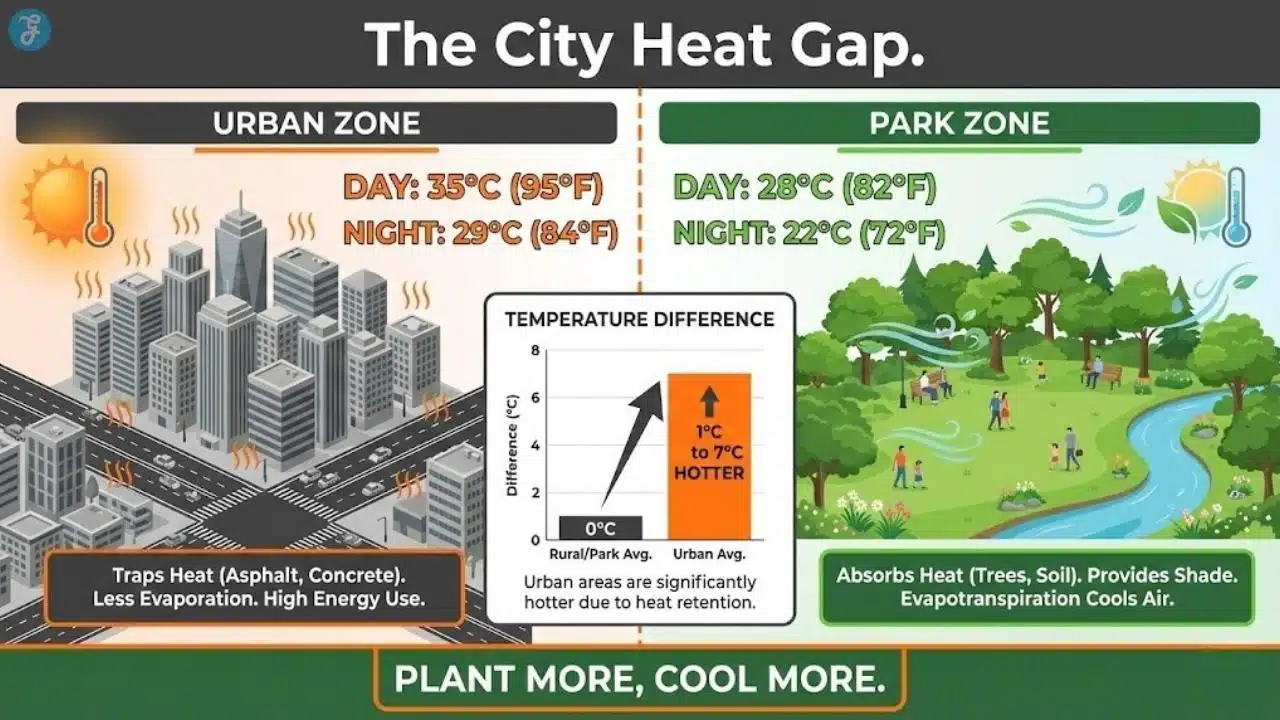
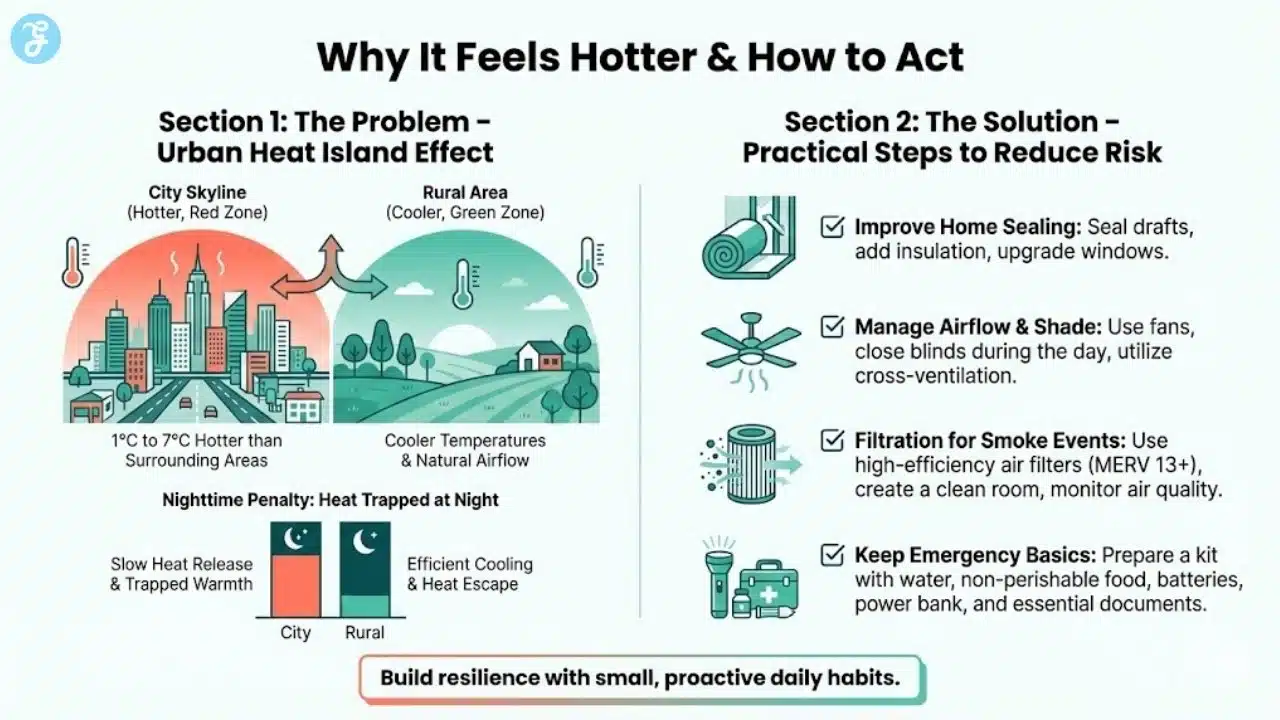
While rising global temperatures affect everyone, those living in urban centers experience a phenomenon known as the Urban Heat Island (UHI) effect. Cities are often 1°C to 7°C hotter than surrounding rural areas during the day, and the difference is even more pronounced at night.
-
Materials that Trap Heat: Concrete, asphalt, and brick act like thermal sponges, absorbing solar radiation all day and bleeding it back into the air long after the sun goes down.
-
The “Nighttime Penalty”: In a changing climate, nights are warming faster than days in many regions. This prevents the human body from recovering from daytime heat stress, leading to increased fatigue and long-term health complications.
-
Green Equity: This is also a social issue. Neighborhoods with fewer trees and more industrial surfaces—often lower-income areas—can be significantly hotter than leafier, affluent suburbs. Understanding your local UHI index can help you decide when to invest in better window shading or when to advocate for local “cool roof” initiatives.
The Economic Ripple Effect: Hidden Costs in Your Monthly Budget
The financial impact of climate change goes far beyond a spike in your AC bill. It manifests as a “climate tax” on almost every aspect of modern consumption.
-
Supply Chain Surcharges: When a drought hits a major semiconductor hub or a flood shuts down a shipping lane, the cost of electronics, cars, and appliances increases. These are “indirect climate costs” that consumers pay at the checkout counter.
-
Municipal Infrastructure Levies: To prevent local flooding or repair heat-damaged roads, local governments often have to increase property taxes or utility surcharges.
-
The “Climate Gentrification” Factor: In some regions, property values are beginning to shift based on elevation or proximity to “safe” zones. This can affect your long-term wealth building if your home is located in a zone that is increasingly viewed as high-risk by lenders and buyers.
Mental health professionals are increasingly recognizing “eco-anxiety” as a legitimate daily stressor. It is the chronic fear of environmental doom, often triggered by the very disruptions mentioned in this article.
-
Decision Fatigue: The constant need to check air quality maps, storm tracks, and “green” product labels adds to the mental load of modern parenting and adulting.
-
Solastalgia: This is the distress caused by the transformation of one’s home environment. Seeing a beloved local park die from drought or a familiar coastline erode creates a unique form of “homesickness” while still at home.
-
Building Resilience: The antidote to this stress isn’t ignoring the problem, but taking agency. Small, daily actions—like joining a local community garden or weatherizing your home—provide a sense of control that significantly lowers cortisol levels related to climate worry.
Practical Steps That Reduce Everyday Risk Without Overreacting
You do not need to overhaul your life to reduce exposure and cost. Small upgrades and habits can make daily life more stable.
Here are practical actions that often pay off:
-
Improve home sealing and insulation to reduce cooling and heating costs
-
Use a fan strategy and shade management to reduce AC dependence
-
Keep a basic air-quality plan, such as filters and closed-window protocols during smoke events
-
Build a water-saving habit that is easy to maintain during restrictions
-
Keep emergency basics ready for short disruptions, like flashlights, backup charging, and a small supply of water
-
Track local alerts for heat, flooding, and air quality, but avoid doom-scrolling by using simple thresholds for action
The goal is not perfection. The goal is to reduce the chance that a bad day becomes a costly week.
What This Means For Your Daily Life Going Forward
As climate patterns shift, more people will treat resilience as a routine part of home and personal planning. That can sound intimidating, but it can also be practical and manageable. The key is focusing on actions that protect comfort, health, and household finances.
Communities and governments also play a major role through infrastructure, health systems, and emergency response. Still, personal readiness helps because even well-run systems can be strained during widespread events.
Daily life will continue to adapt. The question is whether that adaptation happens reactively in stressful moments, or proactively through small choices that make routines more stable.
How Climate Change Moves From “Weather” To Daily Disruption
The weather is what you see day to day. Climate is the long-term pattern that shapes what a region typically expects. When climate shifts, the baseline changes, and that influences everything built around the baseline.
For example, a heatwave is a weather event, but a steady rise in extremely hot days changes how homes need to be cooled, how outdoor work is scheduled, and how schools plan activities. A heavy storm is weather, but rising flood risk changes insurance, property decisions, and infrastructure costs.
In many places, the Impact of climate change shows up as a growing mismatch between old assumptions and new conditions. That mismatch is where daily life starts to feel more expensive, less predictable, and harder to plan.
How Climate Change Affects Daily Decision-Making and Planning
Daily decisions now often include climate considerations that were once rare. People check heat indexes before exercising, air quality before opening windows, and storm forecasts before traveling or shopping.
This constant background planning can influence routines and increase mental load. Over time, many people develop simple rules or thresholds to manage decisions efficiently, helping reduce stress while staying prepared.
Why Small Daily Adjustments Matter More Than Big One-Time Changes
Large climate solutions often feel overwhelming, but daily habits add up. Small adjustments, such as improving home efficiency, managing water use, or adjusting schedules during extreme weather, can reduce exposure and costs without major disruption.
These actions work best when they become routine rather than reactive. Over time, they help households adapt smoothly instead of scrambling during each new extreme event.
The daily effects of a changing climate are increasingly visible through costs, comfort, health, and reliability of services people depend on. The most helpful approach is to recognize where your household is most exposed, then reduce risk with realistic steps that fit your budget and routines. Impact of climate change is not only a future headline, it is already shaping everyday decisions, and smart preparation can make daily life calmer, safer, and more predictable.