Many Aussies face water bans and high bills, so they look for Eco-Friendly Reasons To Switch To Artificial Grass In Australia. Artificial grass, or synthetic turf, uses 90 percent less water than a natural lawn.
We share ways to save water, cut your carbon footprint, and simplify lawn care. Keep reading to learn more.
Key Takeaways
- Artificial grass uses 90% less water than a natural lawn (a 100 m² turf saves about 10,000 L/year), so you dodge bans and cut hefty bills.
- It needs no pesticides or fertilizers, stops toxic runoff, and keeps grass clippings out of landfills.
- You drop gas mowers and skip the $1,200–$2,400/year in fuel and maintenance, cutting CO₂ and air pollution.
- The turf lasts 10–15 years with barely any upkeep—you scrap sprinklers, mowers, trimmers, and soil tests.
- It contains 60% renewable materials and returns old rolls to be shredded, melted, and reborn as new turf, piping, or deck planks.
Water Conservation Benefits
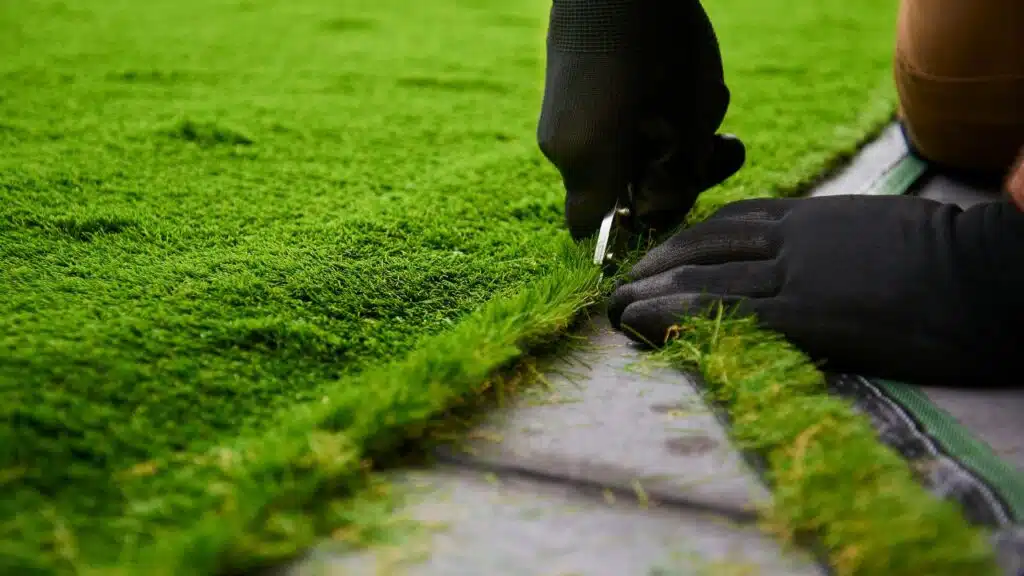
Homeowners on the Sunshine Coast boost water conservation with artificial grass, they dodge strict water restrictions, and reduce yard waste. A 100-square-meter patch of natural grass swallows roughly 10,000 liters of water annually; synthetic turf ends that thirsty habit.
Gardeners scrap the irrigation system, the water meter barely moves, and drought alerts lose their sting. A simple gauge and a sensor once tracked soil moisture for lawn care, now they sit idle on a shelf.
Elimination of Pesticides and Fertilizers
Synthetic grass slashes chemical use. It cuts out weed killers and bug spray, with zero plant food applied. Yards avoid toxic soil additives, a win for health. Professionals skip the runoff testing kit, since they track no nitrates.
Artificial turf also stops grass clippings from piling in landfills. That turf stays almost low maintenance, no mower needed. Landscapers drop sprayers and jerry cans. Kids play on soft turf, without worrying about chemicals.
Reduction in Carbon Emissions
Artificial turf trims your carbon footprint. Fake grass ends gas mower carbon emissions. No more fossil fuel fumes mean cleaner air, so you can kiss lawn haze goodbye. You avoid greenhouse gases from mower engines. Natural lawn services cost $1,200 to $2,400 a year.
Those chores burn fuel and send extra CO2 skyward. Air monitors record less air pollution on synthetic grass.
Minimization of Lawn Maintenance
Fake grass stays neat, so you skip the mower. It cuts yard chores down to almost zero. You toss out your sprinkler, your fertilizer spreader, your soil bag. This artificial grass lasts 10 to 15 years.
That lifespan offers long-term savings on tools, water and time.
Gold Coast homeowners ditch heavy mowers and noisy trimmers. Sunshine Coast yards shine under heavy foot traffic with no brown patches. Landscapers drop pesticides, soil top-ups and fertilizer.
They rinse synthetic turf with a quick water spray. Families enjoy pure green, low maintenance yards year round.
Prevention of Soil Erosion
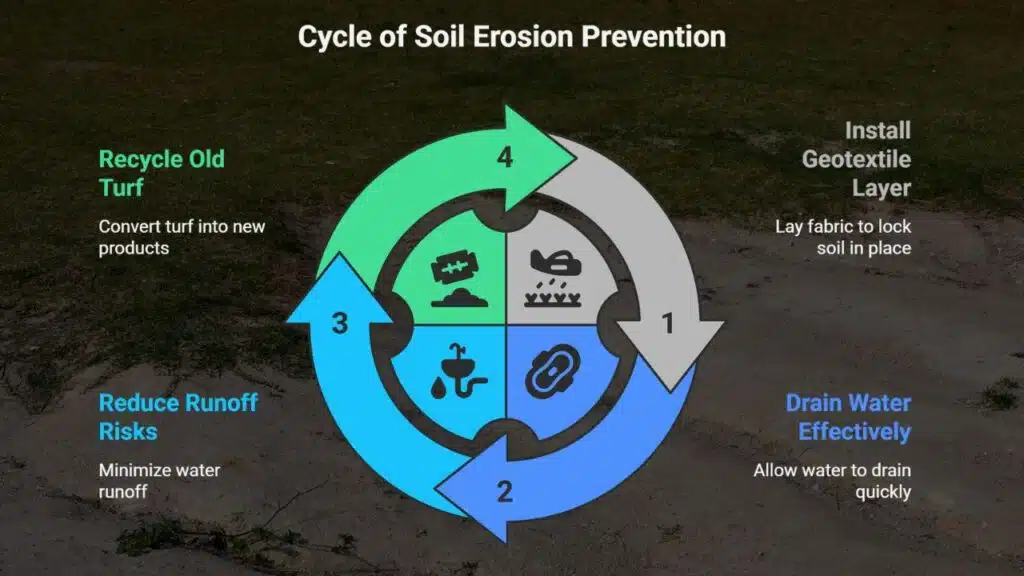
Heavy rains wash away soil on slopes. Artificial grass uses a geotextile layer to lock soil in place. That fabric layer sits under the blades and traps dirt. Synthetic turf lets water drain fast and cuts runoff risks.
This choice suits garden pathways, sports courts, and driveways.
All Seasons Synthetic Turf teams with recyclers to turn old turf into irrigation piping, deck planks, and fence posts. That effort cuts waste and guards your yard against erosion.
Recyclable and Sustainable Materials
All Seasons Synthetic Turf delivers the Classic GT 40 model with a 40mm pile height, and it contains 60% renewable materials. That blend feels soft under foot, and holds strong under UV rays.
The factory takes back old artificial turf, shreds it, then melts it into new backing or crumb rubber infill. Local crews ship used grass mats to the plant, cutting landfill waste and boosting circular use.
Homeowners swap natural grass for artificial grass that recycles fibers at end of its life. Cities add synthetic grass surfaces to parks, then roll up old pads for a second run. Those round trips help cut greenhouse gas from new plastic, and slash resource demands.
Such green moves push yards toward lasting sustainability.
Takeaways
Smart water conservation can save thousands of liters each season. Heat sensor tools prove that fake lawn stays cool under Aussie sun. You slash carbon footprint and skip fertilizer with this low maintenance yard.
This switch boosts curb appeal, cuts chores, and supports renewable plastics recycling.
FAQs
1. What is artificial grass?
Artificial grass, also called synthetic grass or artificial turf, is a fake lawn made of plastic blades. It looks like natural grass but skips mud and weeds.
2. How does synthetic grass help with water conservation?
Synthetic grass drives water conservation by cutting water usage, so you can meet tough water restrictions. It fights water scarcity by skipping daily watering.
3. Is an artificial lawn low maintenance?
Yes, an artificial lawn needs no mowing, no grass clippings, and no fertilizer. It also cuts common allergens like grass pollen, so your nose gets a vacation.
4. Will fake grass cut my carbon footprint?
Fake grass cuts your carbon footprint by shutting off gas mowers and stopping greenhouse gas emissions. Many turf grass products last long, so you can reuse them and build a sustainable future.
5. Can synthetic turf handle heavy foot traffic?
Synthetic turf surface can take heavy foot traffic, and other artificial surfaces hold up too, so you avoid bare spots. It stays green and safe, whether kids play or pets roam.
6. Where in Australia can I install artificial grass?
You can fit artificial grass from the Gold Coast to the Sunshine Coast, and anywhere else you wish. It meets water restrictions, lifts your curb appeal, and nails home improvement goals.