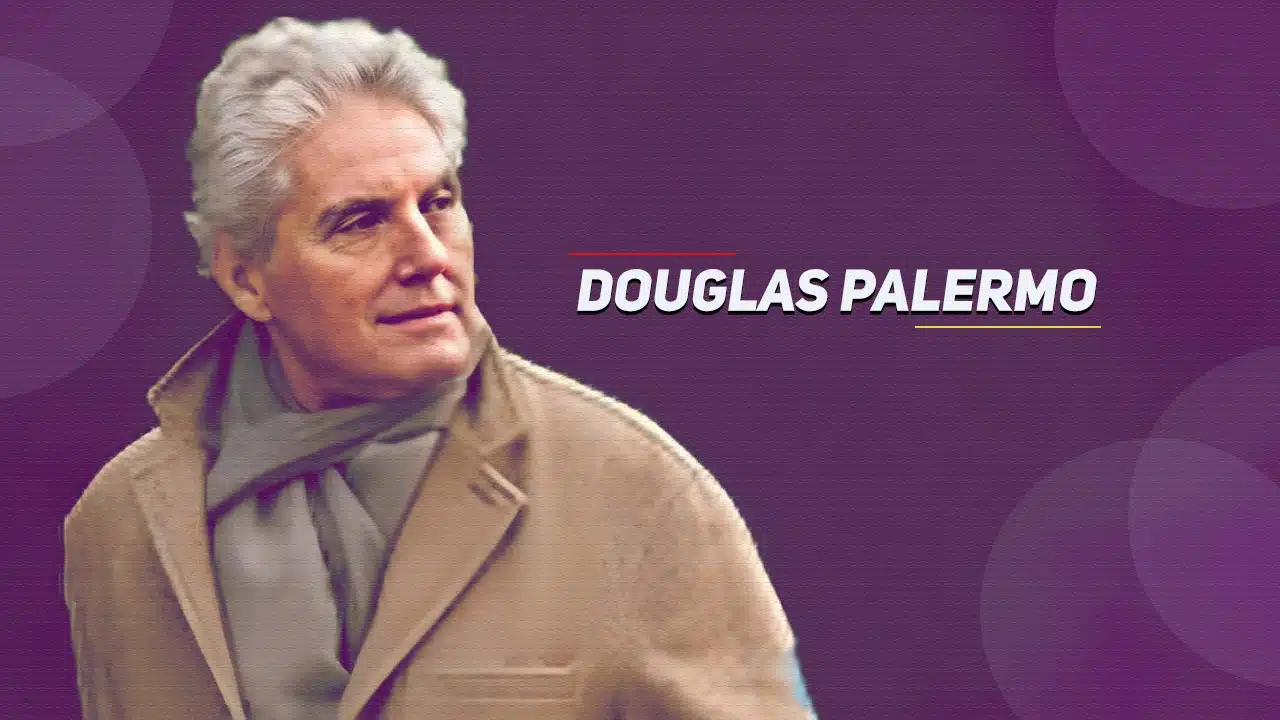
Some private money troubles become public spectacles, and the story of real estate consultant Douglas Palermo is a masterclass in what can go wrong.
His financial downfall serves as a powerful cautionary tale.
After a major court case, a judge ordered him to pay back over $2.75 million. This was not a simple debt issue. The court found a deliberate and fraudulent effort to hide his wealth. Palermo made baffling choices, like using his dry cleaner for an “unofficial credit line” instead of relying on traditional banks or loan services. These decisions significantly impacted his life and the public perception of his daughter, Olivia Palermo, a fashion influencer.
This guide will break down the specific bankruptcy reasons his case was denied, explore the legal details, and highlight the clear lessons anyone can learn from his failed attempt at debt relief.
Who is Douglas Palermo?

Douglas Palermo is a real estate consultant known in public circles primarily as the father of socialite and entrepreneur Olivia Palermo. His own financial life became a public affair after he lost a significant court case against a creditor, Doubet, LLC, and was ordered to pay back more than $2.75 million.
The central issue was the court’s finding that he had actively tried to hide his true net worth. He accomplished this by using multiple shell corporations, which are companies that exist only on paper, to make it appear as if he had far less money than he actually did.
Court documents revealed a pattern of questionable spending. He reportedly financed expensive private schools for his children, Olivia and Grant, and maintained memberships at exclusive clubs, all while failing to meet his financial obligations. A 2007 article from New York Magazine highlighted a particularly unusual financial habit. Palermo wrote “hundreds of checks” to his dry cleaner, using the business as an informal bank to get cash while avoiding conventional financial institutions.
These actions ultimately led to severe legal consequences and intense scrutiny of his financial dealings.
Overview of Douglas Palermo’s Financial History
Douglas Palermo’s financial history is a complex story of debt and intentional deception. The main conflict was his failed Chapter 7 bankruptcy, where he owed his creditor, Doubet, LLC, over $2.75 million.
The court ruled against him because of how he handled his money. He used a tactic legally defined as “fraudulent conveyance,” a formal term for trying to hide assets to avoid paying what you owe.
According to records from the U.S. Bankruptcy Court for the Southern District of New York, Palermo officially filed for Chapter 7 bankruptcy on October 14, 2005.
The court discovered he was moving money through shell companies to obscure his wealth. This plan unraveled when the court-appointed trustee, David Kittay, uncovered the fraudulent transfers. Committing this kind of fraud is one of the most serious offenses in bankruptcy court because it shows a clear intent to mislead everyone involved.
Despite having an income that supported a high-end lifestyle, Palermo consistently failed to make his court-ordered payments. This stark contrast between his lavish spending and his unpaid debts was a critical factor in the court’s final decision.
Understanding Bankruptcy: A Brief Overview
To grasp the severity of Douglas Palermo’s situation, it helps to understand what bankruptcy is. It’s a legal process supervised by a federal court for individuals or businesses that cannot repay their debts.
While denials for fraud are serious, they are not the norm. According to recent data from the Administrative Office of the U.S. Courts, outright denials are rare, with only about 0.4% of Chapter 7 and 13 cases being dismissed for this reason. Palermo’s case fell under Chapter 7, but it’s important to compare it to another prevalent type, Chapter 13.
| Feature | Chapter 7 Bankruptcy | Chapter 13 Bankruptcy |
|---|---|---|
| Common Name | Liquidation Bankruptcy | Reorganization Bankruptcy |
| Who It’s For | Individuals with limited income and significant unsecured debt. | Individuals with a regular income who can repay a portion of their debts. |
| How It Works | A trustee sells non-exempt assets to pay creditors. | A repayment plan is created to pay back debts over three to five years. |
| Outcome | Eligible debts are completely wiped out (discharged). | Debts are repaid according to the plan, and you can keep your assets. |
A court-appointed trustee, like David Kittay in Palermo’s case, plays a crucial role in this process. Their job is to review all financial records and uncover any hidden assets or fraudulent transfers. Any attempt to deceive the court, as Palermo was found to have done, is a primary reason for a case to be denied entirely.
What Was the Douglas Palermo Bankruptcy Attempt?
Douglas Palermo initiated a legal process to manage his considerable debt by filing for bankruptcy. The case ultimately turned against him due to his actions.
Initial Filing
On October 14, 2005, Douglas Palermo filed for Chapter 7 bankruptcy protection in the U.S. Bankruptcy Court for the Southern District of New York. This legal action was an attempt to find relief from the more than $2.75 million he owed to his creditor. By filing, he asked the court to legally discharge his debts.
The bankruptcy process, however, demands complete financial transparency. During the court’s review, his use of shell companies to conceal assets was discovered, creating a major legal obstacle. This is one of the clearest bankruptcy reasons for a petition to be rejected.
Result of Filing
The court ultimately denied Douglas Palermo the debt relief he was seeking. The judge’s decision was based on the finding that he engaged in fraudulent transfers to hide his assets from creditors. This action falls under Section 727 of the U.S. Bankruptcy Code, which outlines specific acts that disqualify a debtor from having their debts discharged.
The result was an unequivocal denial of his petition. He remained legally responsible for the entire debt of over $2.75 million.
The court’s decision sent a firm message: using deceptive tactics and shell corporations to avoid financial responsibilities is not tolerated under bankruptcy law.
This outcome meant Palermo’s financial troubles were not resolved. Instead, they were magnified in the public eye, leaving him fully accountable for the amount he owed.
What Were the Implications of the Bankruptcy Attempt?
Douglas Palermo’s failed bankruptcy created consequences that reached beyond his personal finances. The judgment for over $2.75 million underscored the serious penalties for financial mismanagement and attempting to defraud the legal system.
The scandal also brought unwelcome attention to his family, particularly his daughter, Olivia Palermo. While Olivia has built a successful career and brand in the fashion industry, her father’s legal troubles have become an unavoidable part of her public narrative. A 2021 study in the journal *Family Relations* confirmed that parental financial stress can have a ripple effect, impacting family dynamics and a child’s development.
For Douglas, the case served as a lesson in the importance of transparency. The court’s ruling on his “fraudulent transfers” shows just how seriously these actions are viewed. Hiding assets before declaring bankruptcy is a critical error that can lead to a complete denial of debt relief. When a case is denied for fraud, you cannot refile to discharge those same debts, and the addition of significant attorney fees only deepens the financial hole.
What is the Current Financial Status of Douglas Palermo?
As of 2025, there is almost no public information available regarding the current financial status of Douglas Palermo. The legal judgment against him for over $2.75 million remains on record, but specific details about any payments made or his current net worth are not publicly disclosed.
Following the high-profile bankruptcy case, which was decided in 2007, he has successfully remained out of the public eye. His career was in real estate consulting, but his current professional activities are unknown.
The absence of recent news indicates he has maintained a much more private life since the court case. His story is now primarily used as a cautionary tale about financial integrity and is often mentioned in connection with his daughter, Olivia.
What Are the Lessons Learned from Douglas Palermo’s Bankruptcy Case?
Looking back at Douglas Palermo’s financial downfall, there are several critical takeaways. His story is a powerful example of what not to do when facing financial hardship.
First, honesty is non-negotiable. Palermo’s decision to use shell companies to hide his wealth was the central reason his bankruptcy was denied. This serves as a stark reminder to be transparent in all financial matters, especially in court.
Second, financial priorities have real consequences. He reportedly chose to fund a lavish lifestyle, including private clubs and expensive schools, rather than paying his debts. This demonstrates how misaligned priorities can lead to disastrous outcomes.
- Be Transparent: Hiding assets is considered fraud under Section 727 of the Bankruptcy Code and leads to severe legal penalties, including the complete denial of debt discharge.
- Prioritize Debts: A judge will always look unfavorably on a debtor who ignores creditors while continuing to spend extravagantly.
- Understand the Law: Bankruptcy is governed by strict federal rules. Attempting to manipulate the system is a high-risk gamble that rarely succeeds.
The case emphasizes the importance of financial responsibility. Making honest choices and confronting financial problems directly is the only reliable way to avoid a similar fate.
Takeaways
The Douglas Palermo bankruptcy story is a cautionary tale about the consequences of poor financial decisions. He was ordered to pay over $2.75 million after a court found he tried to hide his true worth in a bankruptcy case.
Instead of meeting his obligations, he continued to fund an expensive lifestyle. This serves as a clear lesson on the importance of financial honesty and responsibility.
His actions also had a ripple effect, bringing unwanted public attention to his daughter, Olivia. It shows that financial troubles often impact more than just the individual involved. By learning from his mistakes, others can avoid similar pitfalls. Always be upfront about your finances and never attempt to deceive the legal system.
Frequently Asked Questions (FAQs)
1. Who is Douglas Palermo?
Douglas Palermo is a real estate consultant and the father of socialite and fashion entrepreneur Olivia Palermo. He gained public attention after a high-profile bankruptcy case where he was found to have hidden assets.
2. How much debt did Douglas Palermo have?
A court ordered him to pay over $2.75 million to a creditor, Doubet, LLC, after his request for bankruptcy discharge was denied.
3. Why was his bankruptcy denied?
His bankruptcy was denied because the court found he had engaged in fraudulent transfers, using shell companies to conceal his actual net worth from both his creditors and the court. This is a direct violation of Section 727 of the U.S. Bankruptcy Code.
4. How did this affect his daughter, Olivia Palermo?
While Olivia Palermo has built her own successful career, her father’s financial and legal problems became a matter of public record, which created unwanted media attention for the family.