Many dog owners feel lost about their dog’s shots, like parvo, rabies, or kennel cough. Vaccines boost a dog’s immune system to fight serious threats, like canine distemper and parvovirus.
This guide lists nine shots, shows when they are due, notes side effects, and explains how CareCredit can help cover vet visits. Keep reading.
Key Takeaways
- Dogs need nine vaccines: rabies, distemper, adenovirus, parvovirus, parainfluenza, bordetella, leptospirosis, canine influenza, and Lyme.
- Puppies get shots at 6–8, 10–12, and 14–16 weeks, with an extra DA2PP dose at 18–20 weeks.
- Adult dogs get rabies and DA2PP boosters every three years; bordetella every six months or yearly; lepto, flu, and Lyme yearly.
- Vaccine costs average: rabies $30, bordetella $36, leptospirosis $25, influenza $50, Lyme under $100 per dose.
- Most side effects (soreness, mild fever) clear in under 24 hours; severe reactions occur in fewer than 1 in 1,000 shots.
What is the rabies vaccine and why does my dog need it?
Rabies vaccine stops a fatal, zoonotic disease from striking your dog. Law mandates this shot across the U.S., or you face fines or forced euthanasia. Vets start the first dose at 12 to 16 weeks, return at one year, then follow up every one to three years.
States set booster intervals to protect pets and people.
Core dog vaccines boost the immune system like armor. A rabies shot breaks the chain a rabid animal might spark. Each jab costs twenty to thirty dollars, thirty on average, at low-cost vaccine clinics or vets.
No titer test substitutes for legal rabies vaccinations.
Why is the distemper vaccine important for my dog?

Morbillivirus can harm a dog’s breathing and nervous systems. It kills many pups if left unchecked. Vets give three shots between six and sixteen weeks. DAPP combo jabs add shields against parvovirus and hepatitis.
Most shots last one year; some last three. Experts shift to a three-year booster after age two.
Core vaccines list this jab first. Animal shelters often require proof of full puppy vaccinations. Unvaccinated dogs face brain damage and seizures. That virus can jump between species.
The injection boosts the immune system and protects lungs. Your vet sets the dog vaccination schedule.
What does the adenovirus (hepatitis) vaccine protect against?
The adenovirus-2 vaccine ranks among the core vaccines in the DAP/DHPP series. It stops infectious canine hepatitis, a viral infection that can cause sudden liver failure. The shot shields the liver, kidneys, and other organs.
Veterinarians schedule three doses between six and sixteen weeks, with two to four week gaps.
Some veterinarians shift to a three-year booster shot schedule after a dog turns two. No lifestyle vaccine offers that long stretch; only certain DAP/DHPP vaccines hold a three-year canine adenovirus shield.
Titer tests can confirm ongoing protection. Dogs missing these DAP/DHPP shots risk a fatal illness.
How does the parvovirus vaccine help my dog?
This virus ravages the gut lining, causing severe vomiting and diarrhea in dogs. Puppies under four months face the highest risk of lethal infection. Core shots like DA2PP, DHPP or DAPP include the parvovirus vaccine to stop this threat.
You give three doses between six and sixteen weeks, with two to four week gaps. These shots train the immune system against parvo, slashing fatal cases. Most brands last a year, while some labels extend to three years.
Pet parents track each puppy shot on a vaccination schedule or add titer tests for proof.
What is the parainfluenza vaccine and when should my dog get it?
Parainfluenza shots guard against a key cause of kennel cough in dogs. Clinics mix it in the DAPP or DHPP shot or give it alone. Puppies receive their first dose at six to eight weeks.
Staff schedule two more doses at two to four week gaps. The final booster arrives right around sixteen weeks of age. Dogs that thrive in busy day care, group training or at dog parks earn the most benefit.
Parainfluenza vaccine guards against one culprit behind canine infectious respiratory disease complex.
Veterinarians use intranasal sprays to spark rapid defense in the nasal passages. They may also inject shots to boost systemic antibodies against parainfluenza virus. Many vets combine it with other core shots such as distemper, adenovirus and parvovirus.
A strong immune shield eases coughing fits, protects lungs and saves on vet bills. Regular boosters keep that shield strong into adulthood, so playdates stay healthy and fun.
Why should my dog receive the bordetella vaccine?
Bordetella bronchiseptica causes infectious tracheobronchitis in dogs. This non-core vaccine cuts kennel cough risk. Veterinarians charge about $36 per dose nationwide. CIRDC rarely turns into severe pneumonia.
Puppies and senior dogs face higher danger.
Dog daycares and boarding kennels demand proof of vaccination. Groomers and trainers set the same rule. High-risk pups need a booster every six months. Pet owners fit the shot into each dog vaccination schedule.
Titer tests can check immunity levels too.
What is leptospirosis and why vaccinate my dog against it?
Dogs can catch leptospirosis by sniffing wet soil soaked with infected rat or mouse urine. The Leptospira bacterium can wreck kidneys and liver, and even jump to you. Your dog could end up on IV fluids, or you might face health risks.
The leptospirosis vaccine protects against four common strains. Vets give a first shot, then a booster in two to four weeks, and a yearly jab after that. This four-strain leptospirosis vaccine costs about $25 per shot.
Many states now tag it as a core vaccine, since more pups catch it in cities and farms alike.
Shots boost your dog’s immune system to keep those bacteria at bay. You cut odds of severe illness, and you shield yourself from a zoonotic threat. Vaccination fits right into your pup’s vaccination schedule, alongside the rabies vaccine and parvovirus vaccine.
Talk with your veterinarian during your pup’s annual exam to lock in the right plan.
How can the canine influenza vaccine benefit my dog?
Social pups face danger from dog flu at parks or kennels. This virus roars through a pack like wildfire. H3N2 and H3N8 strains cause cough, runny nose, and low-grade fever. Outbreaks in the U.S. have spiked calls to vets and clinics.
Two shots of the canine influenza vaccine start the shield. Vet teams urge owners to vaccinate.
Vaccinating early boosts the immune system’s power to fight flu. Puppies in daycare, boarding, or grooming need extra defense. Each vaccine dose costs about fifty dollars. Booster shots must come yearly since no shot lasts three years.
Many owners count on budget-friendly clinics to save on vet costs. Side effects rarely go beyond mild soreness or sniffles. Active pups bounce back fast.
When should my dog get the Lyme disease vaccine?
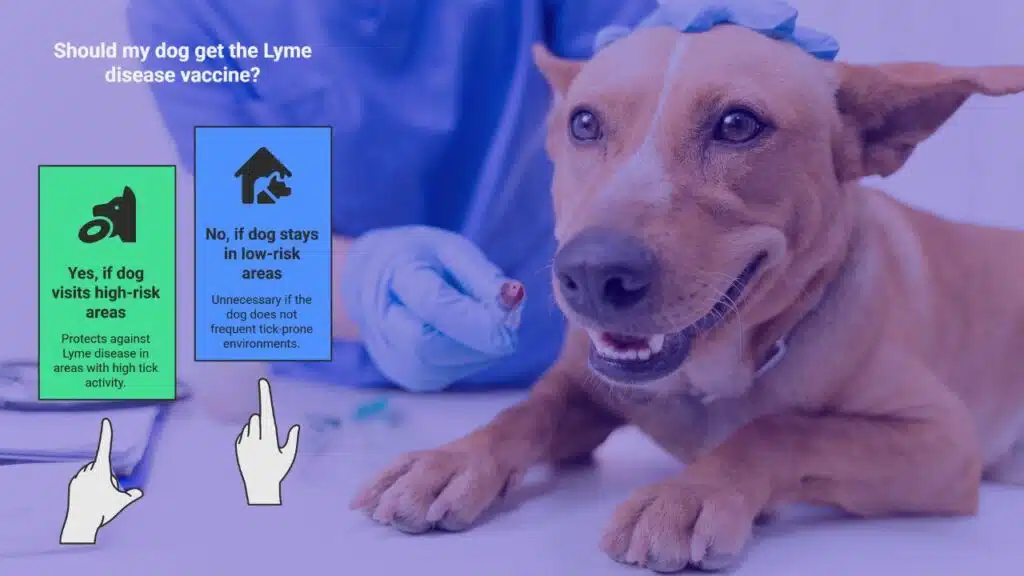
Owners should talk to their vet about the Lyme disease vaccine if their dog visits wooded areas or dog parks in the Northeast, northern Midwest, or Pacific coast. Two initial shots go 3 to 4 weeks apart, with costs usually under $100 each.
Annual booster shots keep dogs safe from Borrelia burgdorferi, the bacterium that causes fever, lethargy, appetite loss, lameness, and deadly kidney failure.
Spring marks the ideal time to wrap up the two-dose series, ahead of tick season, adding a layer to tick prevention routines. This non-core vaccine joins your dog’s vaccination schedule under the watchful eye of your veterinary care team.
Puppy vaccination schedule: What shots does my puppy need and when?
Puppy shots protect young dogs from deadly diseases. You need a clear plan for every jab.
- During weeks six to eight, schedule core vaccines like the DAP vaccine to protect against canine distemper, hepatitis, and parvovirus, plus a bordetella bronchiseptica shot for kennel cough, and a canine parainfluenza vaccine.
- In the ten to twelve week window, add a dhlpp vaccine booster, a lyme disease vaccine to guard against tick-borne disease, and a canine influenza vaccine to block flu-like illness from various influenza viruses.
- Between fourteen and sixteen weeks, finish the dhlpp vaccine series, give a rabies vaccine dose, then try titer tests later to check immune system strength before senior dog visits.
- High-risk pups may need an extra da2pp vaccine at eighteen to twenty weeks to strengthen dog vaccinations for canine hepatitis and other core gaps.
- Dewormers should start at three weeks of age, run every two weeks, then switch to a combined heartworm and dewormer combo after eight weeks to stop heartworms and other parasites.
- Carriers or strollers help pups hit dog parks and vet clinics or low-cost vaccine clinics safely during puppy vaccinations until the immune system stands strong.
- Owners in damp or wooded areas should discuss leptospirosis vaccines and even rattlesnake vaccine options with their vet to cover non-core risks based on geographic location.
Adult dog vaccination schedule: Which vaccines are needed and how often?
Adult dogs need a clear shot plan. It keeps them well defended.
- Rabies vaccine: This core shot starts at one year, then repeats every three years under state law. Low-cost vaccine clinics often offer this shot to fit budgets.
- DA2PP vaccine: This core mix fights distemper, adenovirus, parvovirus and parainfluenza; vets give a booster at one year then every three years, and they can run titer tests to check immunity.
- Bordetella vaccine: This vaccine, a non-core option, shields pooches from kennel cough bacteria; give a booster every six months for dogs at boarding, day care or public play areas, or at least yearly.
- Leptospirosis vaccine: As a non-core choice, it blocks bacterial disease from wild or flood zones; schedule a yearly boost in regions with high risk water sources.
- Lyme disease vaccine: It protects against tick borne disease; give two doses four weeks apart, then boost annually; use tick prevention too.
- Canine influenza vaccine: Owners should boost it yearly to cover two influenza types for dogs in shelters, shows or kennels.
Vaccine boosters: When does my dog need them?
Dogs need booster shots to keep protection strong. These help fight parvovirus, distemper, hepatitis and rabies.
- First year booster: Give the DHPP vaccine, the DA2PP vaccine or other combo shots at one year, plus the rabies vaccine, to extend core vaccines.
- Three year core cycle: Switch to a three year rabies vaccine and DAP booster after your dog turns two, unless local rules or veterinary care call for yearly renewal.
- Leptospirosis booster: If your dog lives near water or wild animals, give first dose then a second shot 2 to 4 weeks later, then a yearly booster.
- Lyme series upkeep: Begin with two Lyme disease vaccine injections, spaced 3 to 4 weeks, then boost every year to protect against borreliosis.
- Kennel cough update: Offer the bordetella vaccine every six months for dogs in kennels, dog parks or at risk for canine coronavirus or cold.
- Canine flu shot: Protect against canine influenza vaccine strains by vaccinating yearly, especially for dogs in boarding or group play.
- Parainfluenza maintenance: Refresh the parainfluenza vaccine yearly if puppy shots did not include the ‘P’ in the DHPP vaccine.
- Titer tests option: Check antibody levels instead of routine boosters by using a titer test; this tool helps senior dogs and shapes a vaccination schedule.
- Rattlesnake protection: Consider rattlesnake vaccine in snake areas with two initial doses then annual boosters for extra defense.
How can I keep track of my dog’s vaccinations?
Store each vet exam sheet in a color folder or a digital file. Most exams run seventy to one hundred seventy four dollars, and vets update records each time. You can snap a photo in the CareCredit Mobile App or run the Acceptance Locator to find low-cost vaccine clinics.
Some pet plans pay for rabies vaccine, parvovirus vaccine, bordetella vaccine, and leptospirosis vaccine. Titer tests gauge immunity for core vaccines and stop extra shots but never take the place of the rabies jab.
Pick a paper calendar or an online tool to jot down booster shot dates. Animal rescues or low-cost vaccine clinics can hand you certificates to file in a binder. Set alerts for the da2pp vaccine, canine influenza vaccine, lyme disease vaccine, or any non-core vaccines you choose.
Senior dogs and young pups need regular checkups on the dog vaccination schedule. Pet insurance may track your dog’s vaccine history and store it in the policy app.
What are common side effects of dog vaccines?
Shots can leave a pup sore at the site. You may spot some swelling or a dab of redness. Mild fever pops up in about twenty percent of pups. They might nap more or skip dinner for under a day.
Loose stools, mild diarrhea, even a hair-trigger snack rejection show up after the DHPP vaccine or rabies vaccine. Some dogs whimper after the bordetella vaccine or parainfluenza shot.
Yet these common vaccine side effects fade in under twenty-four hours. Trainers joke that a puppy acts like it carried a bowling ball overnight.
Severe reactions stay rare with dog vaccinations. A true emergency looks like vomiting, diarrhea, plus hives or facial swelling. Your dog may cough or struggle to breathe. This calls for immediate veterinary care.
You can head to a low-cost vaccine clinic or your vet’s office. Vet technicians watch your dog for one to two days post-shots. They note past reactions in the file. You can ask for titer tests or booster shots later to fine-tune immunity.
Vaccination builds a strong immune system. Bad reactions happen in fewer than one in one thousand vaccines.
Why are regular vet visits important for keeping vaccinations up to date?
Clinic visits help vets check puppy shots such as the DA2PP vaccine and rabies vaccine on time. Vets adjust dog vaccinations for core vaccines and the parvovirus vaccine based on geographic location, visits to dog parks, and lifestyle.
These steps meet legal rabies rules and guard against kennel cough, leptospirosis, and canine hepatitis.
Annual exams catch skipped booster shots and scan for side effects from the bordetella vaccine. In this visit, vets run titer tests to prevent over-vaccination, apart from the rabies vaccine.
Owners also get parasite prevention tips and can book fecal testing to spot worms before they sneak up.
Takeaways
Every shot protects your dog from serious disease. You guard puppy shots and adult boosters by checking your dog vaccination schedule. Talk to a vet about core vaccines like distemper vaccine and parvovirus vaccine.
Add lifestyle shots for big dog parks visits or tick prevention. Keep a chart or use an app to track each dose and booster shots. Safe pet health begins with on time vaccines and regular veterinary care.
Ask about low cost vaccine clinics or CareCredit to help with fees.
FAQs
1. What shots should my puppy get first?
Your pup needs puppy shots at six to eight weeks. The core da2pp vaccine covers canine distemper vaccine, adenovirus vaccine, parvovirus vaccine and parainfluenza vaccine. Some vets call it the dhpp vaccine or dapp vaccine, but it all means strong protection.
2. Why is the rabies vaccine so important?
Rabies in dogs can turn deadly, and state law often requires the rabies vaccine by four months of age. A quick jab helps guard your dog’s immune system and keeps your family safe.
3. What is the bordetella vaccine and who needs it?
The bordetella vaccine fights kennel cough from bordetella bronchiseptica and canine parainfluenza virus. If you hit dog parks or day care, this shot helps your dog breathe easy, so you can skip the “croup” cough.
4. Which non-core vaccines might help my dog?
Talk with your vet about leptospirosis vaccine if you hike near water, and lyme disease vaccine if you chase ticks in tall grass. A canine influenza vaccine can guard against flu strains that drift through shelters. In desert zones, a rattlesnake vaccine might save a life.
5. When does my adult dog need booster shots?
Most dogs get booster shots every year or three years, depending on the vaccine and your vet’s advice. Senior dogs may need tests, called titer tests, to check if their immunity still holds strong.
6. How do I stick to a dog vaccination schedule?
Chat with Dr. Smith, V.M.D., or check akc.org for a clear puppy vaccination schedule and dog vaccination schedule. You can find low-cost vaccine clinics, map out your vet visits, and stay on top of dog wellness, from tick prevention to canine hepatitis protection.