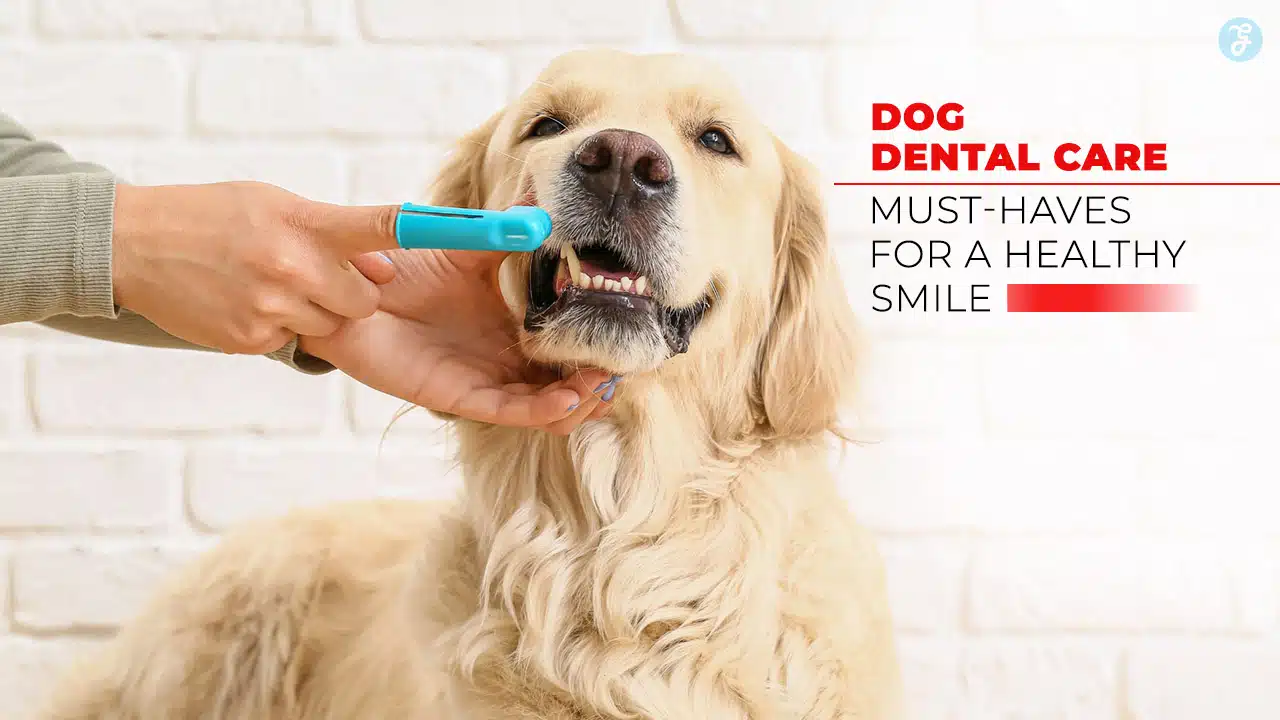
Does your dog have bad breath and yellow teeth? 85 percent of dogs show dental disease by age three, with plaque and tartar hiding under the gums. This guide shows six dog dental care must-haves, from soft-bristle brushes and dog-friendly paste to chew toys and professional cleanings.
Keep reading.
Key Takeaways
- 85 percent of dogs show dental disease by age three, so start care early.
- Brush two to three times a week with a soft-bristle brush and pet-safe paste. Cover the 60 percent of each tooth hidden below the gumline.
- Use VOHC-approved chews like OraVet or Purina Pro Plan Dental Chewz daily. Avoid bones or antlers that can crack enamel.
- Add daily water drops such as Virbac C.E.T Aquadent or TropiClean Fresh Breath. Check labels and avoid xylitol.
- Book professional cleanings at Hearthstone Veterinary Hospital at least every six months under anesthesia. This removes deep tartar and helps prevent serious disease.
Canine Toothbrush and Toothpaste
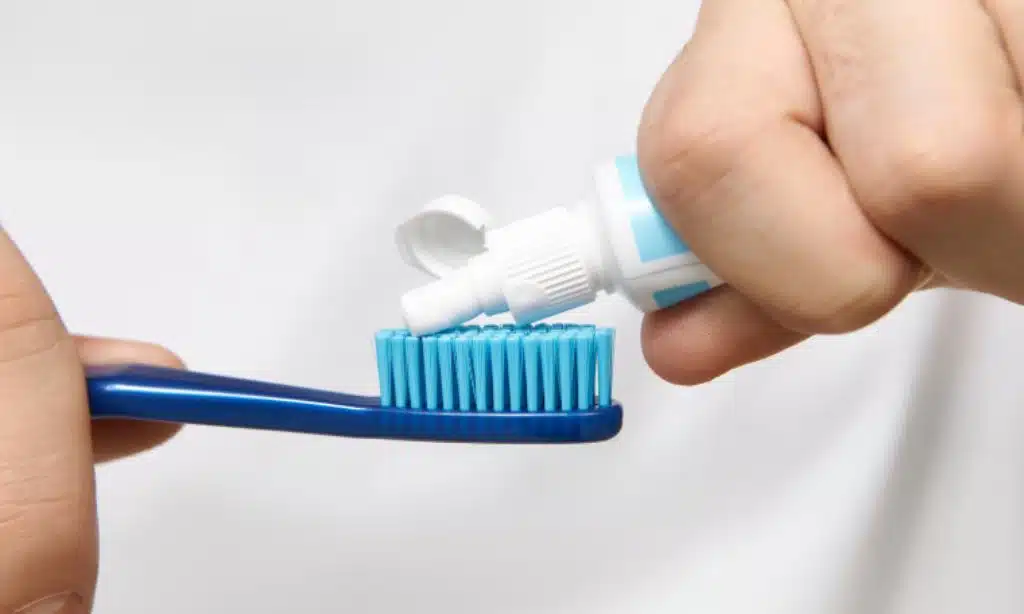
Pets accept brushes best when you go slow. Start with a fingertip brush for small breeds. A human toothbrush head fits large dogs. Use pet-safe toothpaste in poultry or vanilla mint flavors.
The Virbac C.E.T. kit enhances dog dental care and meets many veterinarian recommendations. This fluoride-free paste fights gum inflammation and abscesses without harsh chemicals.
Make oral hygiene a habit, aim for teeth cleaning two to three times weekly. Let dogs swallow paste during short breaks. Dogs with food allergies need beef or vanilla options. Sixty percent of each tooth hides below the gumline, so cover every surface.
Regular brushing teeth cuts risks of periodontal disease, gum disease, tooth loss, and bad breath in dogs.
Dental Chews for Plaque Control
VOHC approved dental chews earn a seal from the Veterinary Oral Health Council. OraVet chewable treats form a barrier against tartar. Give one every day. Purina Pro Plan Veterinary Diets Dental Chewz work well a few times a week.
These options boost oral health and fight bad breath in dogs. Users report firmer gums and fewer signs of plaque.
Avoid hard chew items like bones, hooves, antlers or hard plastics that crack tooth enamel. Also try a rubber toy stuffed with peanut butter or yogurt; freeze it for a cool, long lasting bite.
Chewing action helps delay plaque and tartar buildup when you brush their teeth. Supplement these chews with regular dvm cleanings to tackle serious dental disease in dogs.
Water Additives for Fresh Breath and Tartar Prevention
Water additives work like mouthwash for dog dental health. They fight bad breath, plaque, tartar and boost oral care. Enzymes in each formula break down tartar and freshen breath. You add a few drops daily to the water bowl for best results.
It does not replace tooth brushing or dental cleaning.
Six top picks include TropiClean Fresh Breath, Oxyfresh Water Additive, PetLab Co. Dental Formula, Nylabone Advanced Oral Care Remover, Virbac C.E.T Aquadent and Pet::Essential HealthyMouth by W.
Jean Dodds, DVM. Veterinarian recommendations say avoid xylitol and check labels for a sugar substitute that harms dogs. Some pups refuse treated water or get soft stool; talk to your veterinarian before use.
Dental Wipes for Easy Cleaning
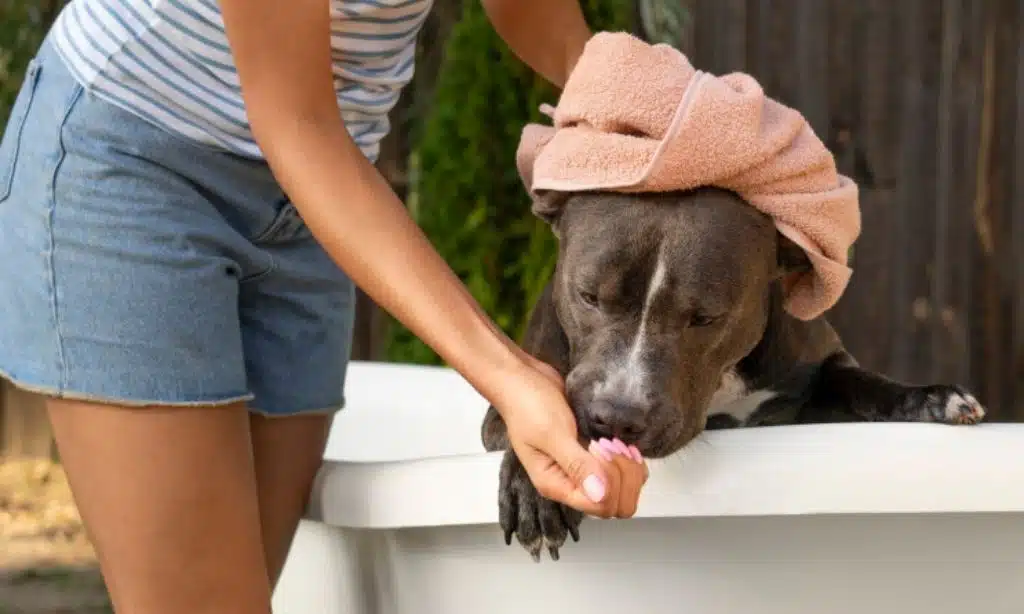
Pet owners swipe pet-safe cloths along pearly whites to boost dental hygiene. VOHC vets approved these wipes and a sugar-free dental rinse for pet dental health. Cloths scrub visible tooth surfaces and do not reach below the gumline.
Use them with brushing their teeth to delay plaque and tartar buildup and fight oral disease. They calm pups that squawk at a toothbrush.
Combine dental wipes with dental chews and a sugar-free dental rinse for a full oral health care routine. They do not replace a dental cleaning at the animal hospital. Owners spot fewer dental disease signs and less bad breath in dogs after use.
The cloths fit a travel kit, pet food drawer or first aid bag for quick cleanups.
Regular Professional Dental Cleanings
Veterinary clinics perform professional dental cleanings under anesthesia. They use dental X-rays, plaque removal, polishing, and fluoride treatment to protect your pup. At home brushing only hits the front teeth.
Tartar builds below the gumline where toothbrushes cannot reach. Missed tartar leads to bleeding gums and dental disease. Organ damage can follow if vets never check hidden teeth. Frequency depends on breed and daily care.
Some need a clean once a year. Others need one every few years. Optimal dental health calls for a cleaning every six months.
Hearthstone Veterinary Hospital offers a full dental prophylaxis. Veterinarian recommendations help pick the right schedule. The team spots tooth fractures, tartar build up, and bleeding gums with X-ray machines.
Clinicians pair pet-safe toothpaste with dental chews and dog food like Royal Canin to fight bad breath in dogs. Sedation keeps dogs calm during the full cleaning. Dogs leave with healthy smiles and fresh breath.
A proper dental program cuts costs by preventing severe dental disease in dogs. Book dental exams and cleanings at this clinic for long-term health.
Takeaways
Don’t let plaque sneak up on your pup. A chew kit with a gum brush and pet-safe paste fights tartar daily. Plaque buster nibbles keep enamel bright, while freshening salts beat bad breath.
Soft gum cloths swipe away hidden grime in seconds. Vet scale sessions reach under the gumline to stop disease. Hearthstone Veterinary Hospital books cleanups with a friendly team.
FAQs
1. How often should I brush my pup’s teeth?
Try to have your pup’s teeth brushed by you or a helper at least twice a week, more if you can. I know it feels tricky, but stick with it. This helps dog dental care, fights plaque, stops dental disease in dogs, and boosts pet dental health.
2. What treats help fight bad breath in dogs?
Dental chews and dental diets are top picks. They work like tiny toothbrushes, they scrub teeth, freshen breath. These items are a key part of dog dental care, and they tackle bad breath in dogs without extra fuss.
3. Can I use human toothpaste on my canine?
No, human paste can harm their tummy. Always use pet-safe toothpaste, like an enzyme paste vets recommend. It tastes good, cleans gently, cuts the risk of dental disease.
4. When should I call the veterinarian for dental problems?
If you see red gums, loose teeth, or your pup drools too much, call the vet. These signs hint at dental disease in dogs and can lead to more damages. A quick vet visit beats bigger fixes later, it keeps your pup smiling bright. Always follow veterinarian recommendations to nail your dog dental care plan.