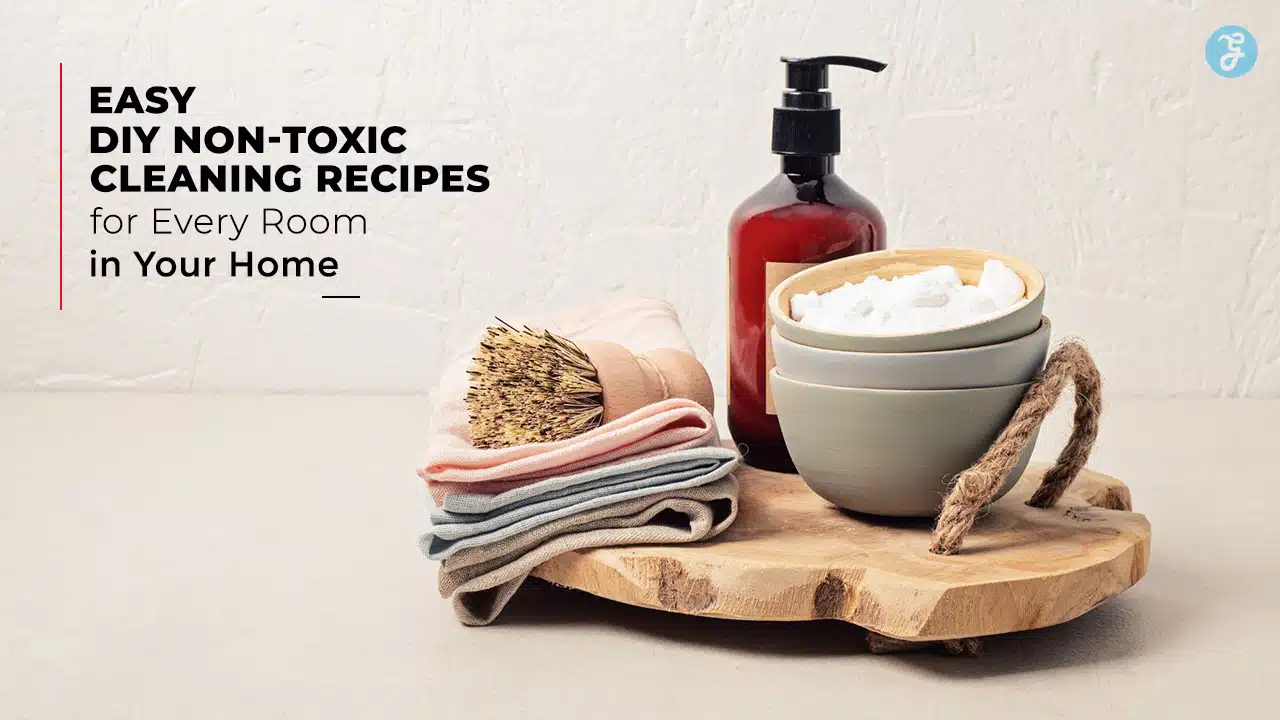
In today’s world, keeping your home clean and free of harmful chemicals is more important than ever. Traditional cleaning products often contain harsh ingredients that can harm your health, irritate your skin, and pollute the environment.
Fortunately, you don’t need to rely on store-bought cleaners to keep your home sparkling. With a few common household ingredients, you can create your own DIY non-toxic cleaning recipes that are safe, effective, and affordable.
This guide provides five versatile, easy-to-make DIY cleaning recipes tailored to different areas of your home. These recipes combine simplicity, practicality, and cost-effectiveness while promoting sustainable and healthy cleaning practices.
Whether you’re tackling grime in the bathroom or freshening up your fabrics, you’ll find actionable solutions here to make your home healthier and greener.
Why Choose DIY Non-Toxic Cleaning Recipes?
Health Benefits of DIY Cleaners
Traditional cleaning products often include toxic ingredients like ammonia, bleach, and synthetic fragrances. These substances can cause respiratory problems, skin irritation, and long-term health issues. DIY non-toxic cleaning recipes rely on natural ingredients like vinegar, baking soda, and essential oils, which are safe for you and your family.
Example: A 2023 study published in the Journal of Environmental Health found that households using non-toxic cleaners reported a 25% reduction in respiratory irritation compared to those using conventional products.
Cost-Effectiveness of Homemade Solutions
Making your own cleaners can save you money in the long run. Most DIY recipes use inexpensive ingredients that you likely already have in your kitchen. For example, a bottle of white vinegar or a box of baking soda costs only a few dollars but can be used in numerous cleaning applications.
Environmental Benefits
By creating DIY cleaners, you can reduce your reliance on single-use plastics and chemical-laden products that harm the environment. Many DIY recipes are biodegradable and eco-friendly, making them an excellent choice for sustainable living. Reducing household waste is a step toward combating global pollution trends.
Essential Ingredients for DIY Non-Toxic Cleaning
Must-Have Ingredients
Here are the core ingredients you’ll need for most DIY non-toxic cleaning recipes:
| Ingredient | Purpose | Benefits |
| Baking Soda | Scrubbing, deodorizing | Gentle abrasive, neutralizes odors |
| White Vinegar | Disinfecting, degreasing | Cuts through grease, kills bacteria |
| Essential Oils | Fragrance, antibacterial | Adds pleasant scent, fights microbes |
| Lemon Juice | Stain removal, freshening | Natural acid, breaks down stains |
| Castile Soap | General cleaning | Plant-based, versatile soap |
Tools You’ll Need
- Spray bottles (glass or BPA-free plastic)
- Microfiber cloths for streak-free cleaning
- Measuring cups and spoons for accurate mixing
- Brushes or sponges for scrubbing tough stains
- Airtight containers for storing homemade solutions
5 DIY Non-Toxic Cleaning Recipes for Every Room
Let’s take a look.
1. All-Purpose Cleaner (Kitchen & Bathroom)
An all-purpose cleaner is essential for tackling everyday messes in multiple areas of your home. This simple recipe is effective on countertops, sinks, and appliances. It’s particularly useful in high-traffic areas where quick, effective cleaning is needed.
Recipe:
- 1 cup white vinegar
- 1 cup water
- 10 drops of tea tree essential oil (or your favorite scent)
How to Use:
- Combine all ingredients in a spray bottle and shake well.
- Spray directly onto surfaces and wipe with a microfiber cloth.
Pro Tip: For extra scrubbing power, sprinkle baking soda on surfaces before applying the cleaner. This is especially effective on stubborn stains or greasy spots.
Table:
| Ingredient | Benefit | Cost |
| White Vinegar | Disinfects, removes grease | Low |
| Tea Tree Oil | Antibacterial, adds pleasant scent | Medium |
| Baking Soda | Adds scrubbing power | Low |
2. Glass Cleaner (Windows & Mirrors)
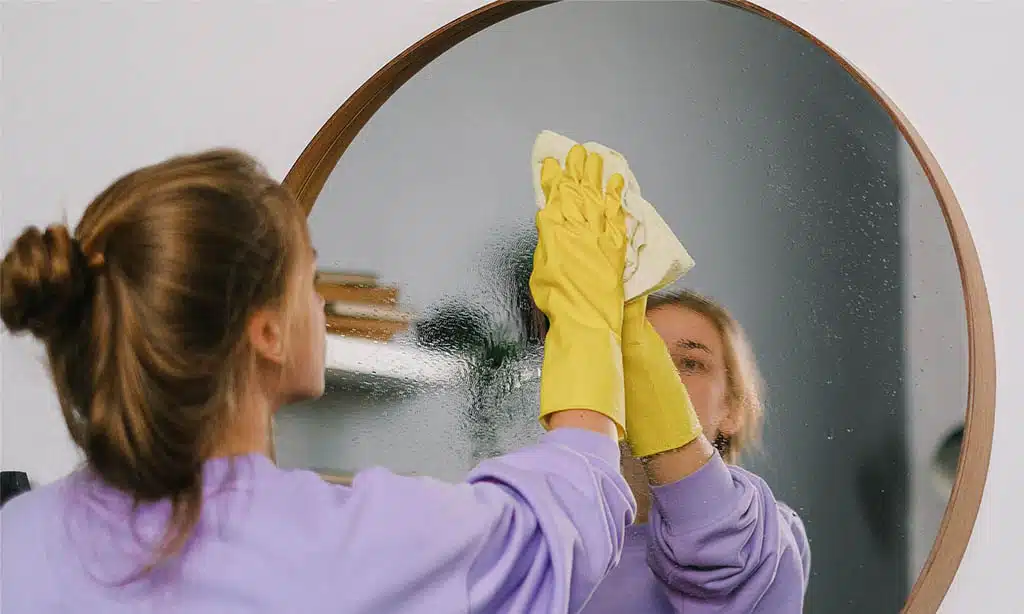
Say goodbye to streaky windows and mirrors with this ammonia-free DIY recipe. It’s safe for glass surfaces and leaves them shining. Unlike commercial products, this cleaner avoids chemical fumes while delivering professional-level results.
Recipe:
- 1 cup water
- ¼ cup rubbing alcohol
- 1 tablespoon white vinegar
How to Use:
- Mix all ingredients in a spray bottle.
- Spray on glass surfaces and wipe with a lint-free cloth or newspaper.
Pro Tip: Use a microfiber cloth for a streak-free finish and reduce paper waste.
Table:
| Ingredient | Function | Cost |
| Rubbing Alcohol | Speeds up drying | Low |
| White Vinegar | Removes residue | Low |
| Water | Dilutes and balances solution | Low |
3. Bathroom Scrub (Tiles & Grout)
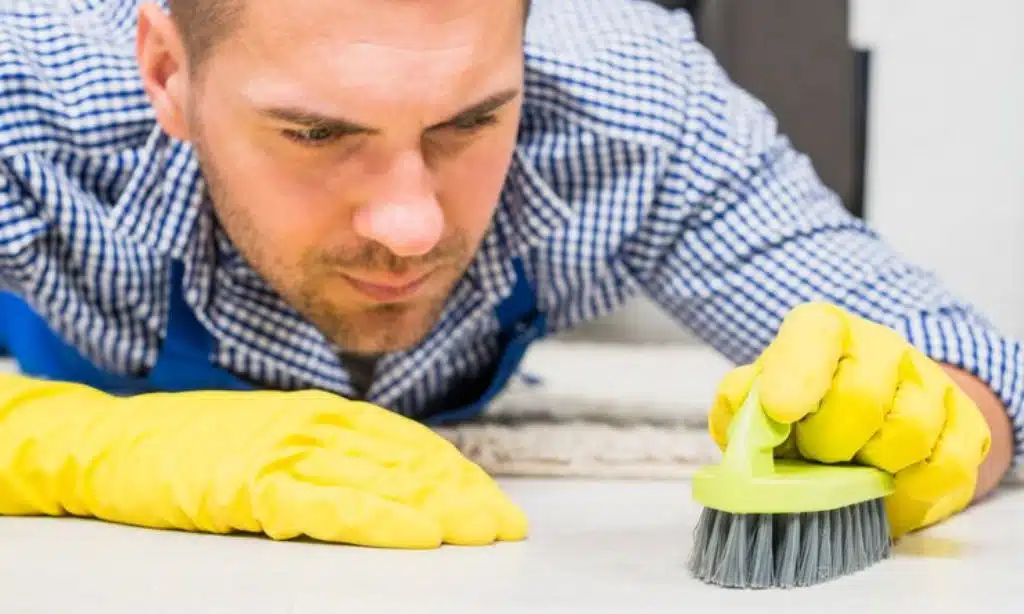
This powerful scrub tackles tough grime and soap scum in your bathroom. It’s safe for tiles, grout, and other hard surfaces. It also helps prevent mold growth in damp areas, ensuring your bathroom stays fresh and clean.
Recipe:
- ½ cup baking soda
- 2 tablespoons water
- 5 drops tea tree essential oil
How to Use:
- Mix ingredients into a thick paste.
- Apply to dirty areas and scrub with a brush.
- Rinse with water.
Pro Tip: Let the paste sit for 10 minutes on stubborn stains before scrubbing to loosen dirt effectively.
Table:
| Ingredient | Purpose | Cost |
| Baking Soda | Removes tough grime | Low |
| Tea Tree Oil | Antibacterial, mold prevention | Medium |
| Water | Creates paste for easy application | Low |
4. Floor Cleaner (Wood & Tile)
This versatile floor cleaner works on hardwood, tile, and laminate surfaces. It’s gentle yet effective at removing dirt and grime, making it a favorite for families with children and pets.
Recipe:
- 1 gallon warm water
- ¼ cup white vinegar
- 5 drops eucalyptus essential oil
How to Use:
- Mix ingredients in a bucket.
- Mop floors with the solution, then let them air dry.
Pro Tip: Use a damp microfiber mop for best results. Avoid soaking wooden floors to prevent damage.
Table:
| Ingredient | Function | Cost |
| White Vinegar | Cuts through dirt | Low |
| Eucalyptus Oil | Adds fragrance, antibacterial | Medium |
| Warm Water | Dilutes and balances solution | Low |
5. Fabric Freshener (Laundry & Upholstery)
Refresh fabrics and eliminate odors naturally with this safe and effective spray. It works wonders on upholstery, curtains, and even car interiors, leaving a clean and subtle fragrance behind.
Recipe:
- ½ cup water
- ½ cup vodka or rubbing alcohol
- 10 drops lavender essential oil
How to Use:
- Combine ingredients in a spray bottle.
- Lightly mist over fabrics and let air dry.
Pro Tip: Test on a small area before use to ensure fabric compatibility. For a stronger scent, increase the number of essential oil drops.
Table:
| Ingredient | Function | Cost |
| Lavender Oil | Soothing fragrance, antibacterial | Medium |
| Vodka | Deodorizer, evaporates quickly | Medium |
| Water | Dilutes and balances solution | Low |
Tips for Success with DIY Non-Toxic Cleaning
Storage Tips
- Store your DIY cleaners in labeled, airtight containers to preserve their effectiveness.
- Use dark glass bottles for solutions containing essential oils to prevent degradation.
Safety Precautions
- Keep DIY products out of reach of children and pets.
- Avoid mixing vinegar with bleach or ammonia to prevent toxic fumes.
Avoiding Common Mistakes
- Always test cleaners on a small, inconspicuous area before widespread use.
- Shake spray bottles before each use to ensure ingredients are well-mixed.
Takeaways
Switching to DIY non-toxic cleaning recipes is a simple yet impactful way to create a healthier, more sustainable home. These easy-to-make solutions are safe, effective, and cost-efficient, giving you peace of mind while reducing your environmental footprint.
Start with one recipe, see the results, and soon you’ll never go back to conventional cleaners. Happy cleaning!