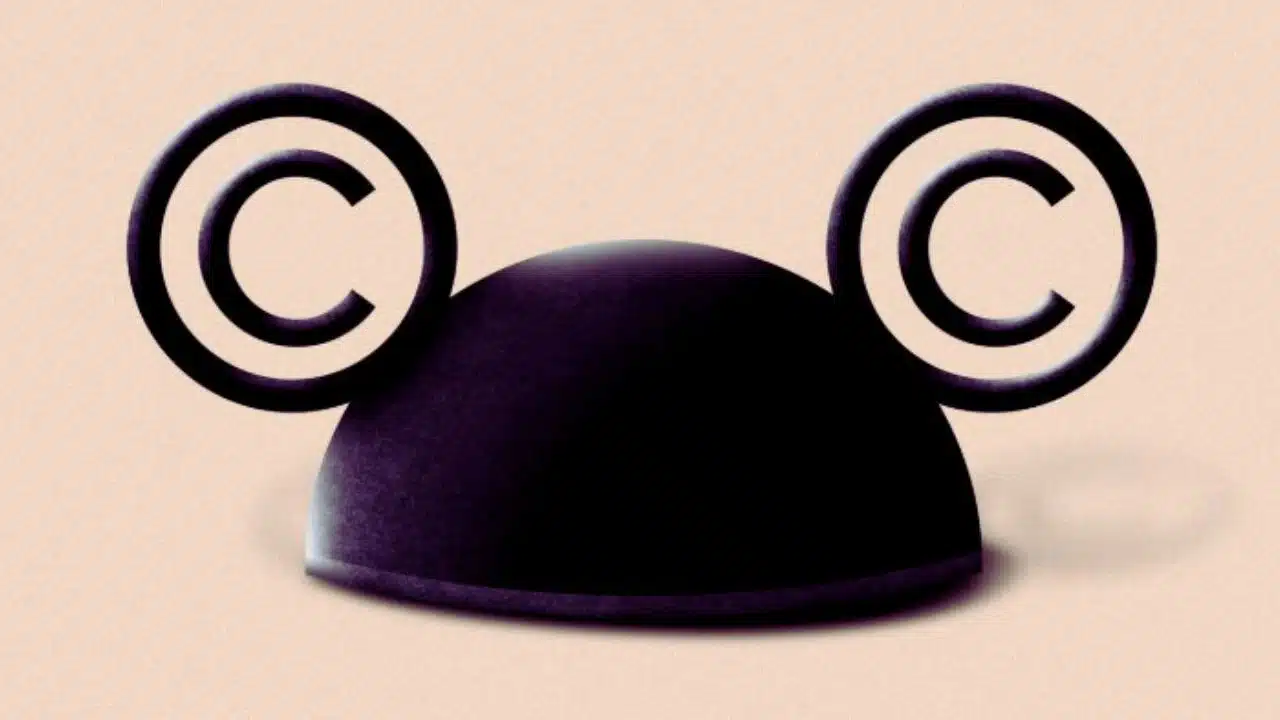
Disney AI voiceover blunders in a Disneyland Paris merchandise video have triggered fresh criticism, amplifying wider concerns about quality control as Disney expands AI-related plans and partnerships. The backlash is landing alongside intensifying scrutiny of AI content moderation and copyright enforcement tied to Disney’s intellectual property across major platforms.
Disney is facing renewed public criticism after a Disneyland Paris merchandise preview video drew mockery for an AI-sounding narration that struggled with well-known names and phrasing. The incident is now being cited by critics as a sign that even small public-facing content can undercut Disney’s premium brand perception when automation replaces human voice work without tight oversight.
What happened at Disneyland Paris
A short merchandise preview video from a December 13 press event tied to the reimagining of Walt Disney Studios Park (soon Disney Adventure World) circulated widely after it was shared by DLP Report, a Disneyland Paris-focused account. Viewers criticized the narration for sounding synthetic and for awkward delivery, with particular attention on mispronunciations connected to Tangled references, including Rapunzel and the Kingdom of Corona. The negative reaction spread quickly on social platforms, with commenters focusing not just on the incorrect pronunciations but also on the pacing and cadence that made the narration feel unfinished or unpolished.
While Disney has not publicly detailed who produced the voiceover, the online reaction centers on the perception that a cost-saving approach replaced professional narration on a guest-facing promotional asset. The episode follows other fan disputes over AI’s use in parks-related creative elements, which Disney watchers argue should meet unusually high presentation standards.
Why the voiceover blunder matters
For critics, the Disneyland Paris clip is less about one misread line and more about what it suggests: that AI may be creeping into creative touchpoints where Disney’s brand relies on precision, performance, and emotional tone. Supporters of AI tools often argue that automation can speed up production and reduce routine workload, but this incident is being used as a case study for the risk of deploying synthetic narration without strong review and localization checks.
The timing also matters because Disney’s leadership has been publicly discussing deeper AI-driven changes to how audiences experience Disney content. In a 2025 earnings call covered by Euronews, CEO Bob Iger described major product and technology shifts for Disney+ and talked about expanding engagement features that include user-generated content, including short-form content created and consumed within the platform experience. That framing sparked online backlash from some fans and creatives who fear a flood of lower-quality AI material and potential job impacts across creative roles.
Content concerns: copyright, moderation, and platform controls
Disney’s AI-related controversies are not limited to how it sounds, but also extend to where Disney characters appear and who controls distribution. On December 11, Axios reported that Disney sent a cease-and-desist notice to Google alleging the use of Disney content to train and improve generative AI systems without compensation, according to a letter reviewed by the outlet. The report said Disney’s letter argued Google’s AI services were positioned to benefit from Disney intellectual property and referenced the spread of AI features across Google products, including YouTube.
Google responded by emphasizing its relationship with Disney and pointing to copyright controls, including YouTube-related protections, according to Axios’ account of the exchange. A day later, Deadline reported that Google began removing dozens of AI-generated videos from YouTube following Disney’s cease-and-desist, signaling that the dispute is producing tangible enforcement actions rather than remaining a purely rhetorical clash. Variety similarly reported on Disney’s allegations and described Disney’s demand that Google stop copying and distributing Disney characters and take technical steps to prevent future infringing outputs across Google AI services.
Axios also framed Disney as taking an unusually aggressive posture in Hollywood’s broader push to force AI companies to negotiate with rights holders, noting Disney’s involvement in legal escalation against generative AI firms. According to Axios, Disney and NBCUniversal filed a major studio lawsuit against Midjourney in June, and Warner Bros. Discovery later followed with its own Midjourney lawsuit in September. Axios further reported that Disney previously sent a cease-and-desist to Character.AI and that the company adjusted how it used Disney intellectual property after the notice.
Key recent timeline
| Date (2025) | Event | What happened | Why it fueled backlash/concerns |
| Nov 2025 | Disney+ AI comments | Bob Iger discussed Disney+ changes and the inclusion of user-generated short-form content, including content creation/consumption tied to AI-enabled engagement. | Critics warned about quality, “AI slop,” and creative job impacts. |
| Dec 11 | Disney vs Google | Disney sent a cease-and-desist alleging Google used Disney content for generative AI without compensation, per Axios’ review of the letter. | Raised stakes over copyright, licensing, and enforcement expectations for AI platforms. |
| Dec 12 | YouTube removals | Deadline reported Google removed dozens of AI-generated videos from YouTube after Disney’s notice. | Highlighted the scale of Disney-like content circulating and the challenge of policing it. |
| Dec 13 | Disneyland Paris video | A merchandise preview video drew criticism for an AI-sounding voiceover and mispronunciations shared widely online. | Became a visible example of AI lowering perceived quality in Disney-facing communications. |
What comes next for Disney
Disney’s immediate challenge is reputational: critics say a brand built on craftsmanship cannot afford public-facing errors that look avoidable with human review. The longer-term challenge is operational—if Disney expands AI-driven features and allows more user-generated material, it must also prove it can enforce brand safety, copyright compliance, and age-appropriate standards at scale.
Recent enforcement moves suggest Disney is prepared to pressure major platforms when it believes AI systems are generating or distributing Disney-like content without authorization. At the same time, the Disneyland Paris incident shows that even when Disney controls the channel, AI can still create avoidable quality failures unless organizations set clear rules about when synthetic media is acceptable and who signs off before publishing.