Do you find it hard to keep your dog fit in a small city apartment? Dogs need daily dog walks and play sessions to stay healthy and calm. This guide gives seven tips, from leash training drills and hallway races to dog park visits.
Read on to learn more.
Key Takeaways
- You can build a daily routine with three short walks plus one longer city trek, including at least one 20-minute free-sniff session, to reach 60 minutes of exercise split into two 30-minute stints.
- You can boost mental play with snuffle mats, puzzle toys (like a Kong filled with Freshpet recipes), treat balls, and rotating toys to tap your dog’s foraging drive and cut boredom.
- You can host weekly playdates, visit fenced off-leash city parks, join Sunday meetups via MeetUp or Facebook, or enroll in a monthly obedience class to sharpen social skills.
- You can turn your stairwell or hallway into a mini gym by placing a treat ball on a landing, setting up a tunnel or cones, tossing a squeaky toy up the stairs, and ending with a stretch mat cooldown.
- You should give your dog 1–2 hours of rest after a 30-minute walk plus 15 minutes of fetch; use a fitness tracker and a soft rest mat to log downtime and soothe sore muscles.
How Can I Make Daily Walks Effective for My Apartment Dog in the City?
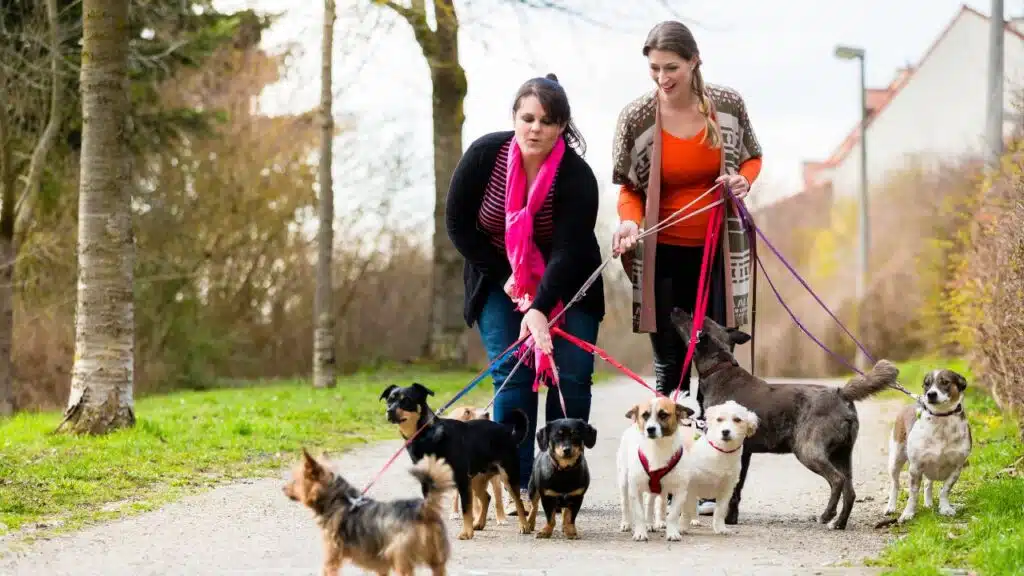
Dogs need more than a quick loop in cramped spaces. City routes offer a solid chance to burn off energy fast.
- Plan three short walks daily to build a solid pet routine, with one longer urban walking session for outdoor exploration.
- Make one walk last at least 20 minutes of free sniff time to boost mental stimulation.
- Change your route each day to expose your dog to new smells and sights for canine enrichment.
- Keep your pup leashed on busy sidewalks and parks to master leash training and safe dog exercise.
- Use an activity monitor or a simple map app to track distance and pace during each trek.
- Sneak in sit, stay, or heel cues at crosswalks to reinforce dog behavior and rapport.
- Carry a treat pouch and dispense goodies for quick wins and positive reinforcement on the go.
- Always clean up after your dog in communal areas to show respect and keep your building happy.
How Do I Keep My Dog Mentally Stimulated During Play?
Snuffle mats hide kibble within soft layers. Dogs nose through fabric to find each bite. This taps into wild foraging instincts, fueling deep enrichment and slowing mealtime. You can mix in Freshpet pieces for extra flavor.
Toss the mat into the freezer for a cold twist. Puzzle toys boost engagement too. They force your pal to solve panels or slide levers. Mental stimulation sticks around long after playtime.
Foraging games spark rich mental workouts. Set up a scavenger hunt around the living room. Slip treats under pillows or inside shoes in different rooms. Swap three or four toys every week to keep variety high.
Kong toys take it up a notch. Pack them with Freshpet recipes and a bit of water. Freeze for hours to create a chewable trophy. Problem solving and creativity thrive here.
What Are Good Indoor Play Activities for Apartment Dogs?
Indoor activities can keep pups happy. Smart games fit tight spaces.
- Tug-of-war can build muscle and strengthen bonds in tight spaces. This dog game helps focus energy.
- Indoor fetch uses a soft ball or plush toy to chase without hitting walls. It adds interactive play that boosts excitement.
- Simple obstacle courses add agility to play. Use cushions, chairs, and broomstick bars to mark paths.
- Hide and seek sessions place toys behind doors or under cushions to spark sniffing instincts.
- Treat dispenser games push dogs to solve puzzles in mental stimulation sessions.
- Snack cube puzzles hide kibbles or treats inside to extend play and thinking time.
- Roomwide scavenger hunts bring excitement. Hide bits in corners, under rugs, or inside boxes.
- Search mats offer foraging games by hiding food between fabric strips.
- Kong toss gives an unpredictable bounce to delight pups.
- Toy rotation swaps three or four items each week to keep play fresh.
How Can I Arrange Social Time with Other Dogs Regularly?
Social time lifts your pet’s mood. It builds bonds and skills.
- Set weekly playdates with a friend’s dog. Swap visits each Saturday so pups can romp in your hall or yard.
- Visit a city play yard off-leash zone. Search nearby parks for fenced areas that match your dog’s energy.
- Join a puppy care center for indoor play. Staff guide your dog through fun sessions for safe socialization.
- Attend park meetups on Sunday mornings. Local groups post times on MeetUp and Facebook for structured offleash games.
- Enroll in an obedience class each month. Group training sessions teach manners and boost social skills.
- Form a canine strolling team with neighbors. Walk together at dawn or dusk for exercise and friendship.
Puzzle Toys and Interactive Games for Dogs
A treat ball turns dinner into a brain game as your dog hunts each kibble piece. Nose work mats sharpen cognitive skills, keeping pups busy while you sip your coffee.
What Are the Best Puzzle Toys for Apartment Dogs?
City pups need both mental exercise and physical play.
Puzzle toys act as boredom busters and protect your home.
- Kong rubber toy holds Freshpet recipes and freezes solid. The toy lasts for twenty minutes to an hour, keeping pups busy.
- Snuffle mat hides kibble under fleece strips. This foraging toy taps into a dog’s sniffing drive, delivering mental exercise.
- Treat puzzle ball rewards nose work with hidden snacks. Such devices slow fast eaters and offer separation anxiety relief.
- Dispenser toy drops one piece at a time thanks to an internal puzzle. That mix aids canine stimulation and supports behavior management.
- Activity mat spreads treats under flaps and pockets. Users call it a top boredom buster for interactive play in tight spaces.
How Do Interactive Games Help Keep My Dog Engaged?
Interactive games spark a dog’s curiosity, fuel its brain, and block boredom fast. A toy, a mat, or a rope can hold attention rain or shine. These play sessions focus on enrichment, mental exercise, and offer a solid distraction from idle hours.
They stop destructive chewing and curb loud barking in empty rooms. Puzzle toys and rubber chew tools make that happen.
Engagement grows when you switch rules, twist tasks, or mix scents in a mat. A clicker game adds a fun twist, rewards guide good behavior, and boost training at home. Activity like hiding treats under cups tests memory, sparks exploration.
Stimulation from treat puzzles cuts idle hours sharply. Dogs pace less, chew less, bark less, even if you step out for hours.
How Can I Use Stairs or Hallways to Exercise My Dog?
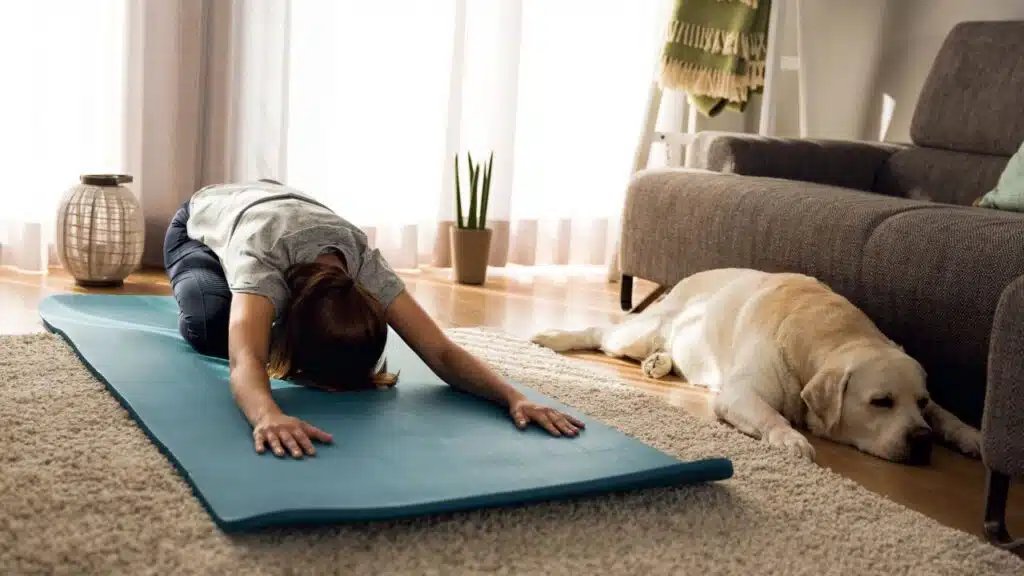
Stair steps can boost your pet exercise. Hallway space works as a mini gym.
- Place a treat ball on a landing and guide your apartment pup down the stairs. This stairs training drill adds big fun and boosts canine fitness.
- Set a tunnel toy along the corridor for a swift dash. This obstacle course segment sharpens focus and provides solid physical stimulation.
- Line the hall with soft cones at odd spots, ask your buddy to weave in and out. These hallway activities mix indoor workouts with creative play.
- Toss a squeaky toy to the top step, let your dog sprint up for a quick fetch. This pet exercise blasts energy and fits highrise living.
- Lay a small agility ladder between two steps, cue your pup for timed hops. This drill boosts leg strength and adds variety to apartment dogs routines.
- Introduce a stretch mat at the hall end, add a cool down session. This simple pause reduces muscle ache and wraps up any workout.
- Alternate fast runs with slower walks down the stairs, play a recall game. This combo taps mental stimulation and builds a balanced session.
Why Is a Consistent Exercise Schedule Important for Dogs?
A set schedule gives dogs clear cues, it builds routine and softens the stress of moving into apartment living. That dry erase board on your fridge keeps walks and playtime in line, and it makes transition smoother.
My shepherd wags her tail as soon as she sees the calendar mark for a walk.
City pups need at least sixty minutes of exercise each day. Split that into two thirty-minute stints, morning and evening. Use a clicker, harness, even an activity tracker like FitBark or Whistle.
Positive reinforcement makes training in tight hallways feel like fun games. Nervous pacing, shoe chewing, and barking drop off fast. Your dog stays fit, slim, and happy, and you both sleep like logs at night.
How Do Short Outdoor Trips to Parks Benefit Apartment Dogs?
Urban pups crave more than a carpeted hall. Dog parks let your canine bound off-leash. They charge through grass, chase a ball, race by a frisbee, soak in pure recreation. These bursts of play reach 30 minutes of full-on exercise per visit.
Dogs breathe fresh air, sniff new trails, stomp mud with glee. Parks fuse fresh air and exercise into one outing. Socialization pops up when other dogs dash past, tails wag, snouts poke.
A poodle named Lucy met three pals in Maple Park last Tuesday, they turned a quiet afternoon into pure playtime.
Frequent trips build muscle, calm nerves, sharpen focus. Apps like BringFido or Yelp map out nearby fields. You grab a leash, a collar, a ball and some treats. A treat dispenser gadget can spark puzzle play on site.
Owners who hit the park thrice weekly report dogs snooze faster at night. Weekends call for bigger hikes, rugged trails, towering pines. Your pup will grin like a goofball, tongue lolling, eyes gleaming.
These short visits unlock health benefits, happy tails, boundless engagement.
How Much Rest Does My Dog Need After Exercise?
Dogs need rest after exercise. A 30-minute walk and 15 minutes of fetch can tire most pups. They need about 1 to 2 hours of calm downtime. A fitness tracker can flag low energy. A soft rest mat helps soothe sore muscles.
Rested dogs act calm and show clear happiness. A rest block curbs boredom and stops excess barking or chewing. A fitness tracker and a simple timer log Activity and Rest. This mix of Exercise, Playtime and Rest shapes good Behavior.
That Routine keeps apartment Canines balanced.
Takeaways
Keep each tip in your daily plan, and see how fit your pup grows. Use leash training in tight hallways, and try stair sprints to burn extra energy. Offer puzzle gadgets that hide treats, they spark mental play.
Visit local off-leash areas or dog-friendly parks, and let your buddy meet pals. Stick to a set exercise hour, and watch your dog’s mood soar. Balance action with nap time, that rest helps muscles heal.
A firm schedule will ease city stress, boost canine fitness, and turn your pup into a lively neighbor.
FAQs
1. What are quick play ideas from the 7 daily exercise tips for apartment dogs in busy cities?
Grab a soft ball, head for the hall, toss it fast. Try five-minute fetch, tug games, or hide treats under couch cushions. It feels like a mini theme park at home.
2. How do I use city parks to boost my apartment dog’s daily exercise routine?
Walk to the nearest green patch, let your dog explore new smells, then mix in a quick run or gentle fetch. Change the path now and then, or add stair sprints when you see steps.
3. Can mental puzzles match physical workouts on a rainy city day?
Yes, puzzle feeders, treat hunts around the sofa, and a bit of hide and seek can tire a clever pup. It’s brain work, it’s fun, and it keeps them calm.
4. How do I cool down my apartment dog after daily exercise in a small space?
Offer fresh water, give a gentle brush, or try a calm belly rub. Dim the lights, play soft tunes, keep the mood mellow, and let your dog chill.