

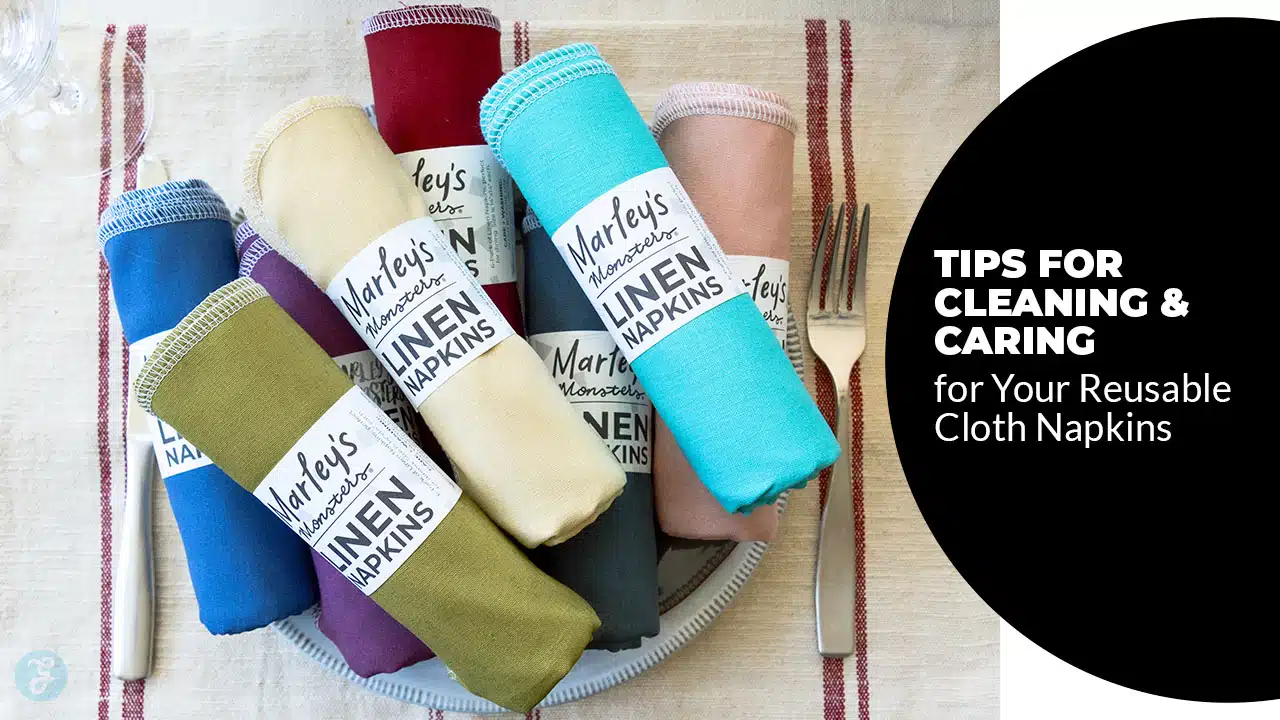
Reusable cloth napkins are an eco-friendly alternative to disposable paper napkins, offering a sustainable solution for reducing waste and saving money.
However, to maintain their quality and extend their lifespan, proper cleaning and caring for your reusable cloth napkins is essential. In this comprehensive guide, we’ll explore five practical tips that ensure your napkins stay fresh, hygienic, and long-lasting.
Additionally, we’ll provide tables, examples, and detailed insights to enrich your understanding and make the process easier to follow.
Why Cleaning and Caring for Your Reusable Cloth Napkins Matters?
Reusable cloth napkins are more than just a green choice—they’re a long-term investment in sustainability and style. Here are three reasons why caring for your napkins is crucial:
- Environmental Benefits: By using cloth napkins, you’re reducing paper waste, conserving resources, and minimizing your carbon footprint. According to recent studies, switching to reusable napkins can save an average household over 3,000 paper napkins annually.
- Cost Savings: Reusable napkins eliminate the recurring expense of disposable alternatives, saving you money over time. With proper care, a set of cloth napkins can last for years, making it a wise financial choice.
- Durability and Hygiene: Proper cleaning preserves the fabric’s integrity, ensuring a hygienic and polished look for years to come. Clean, well-maintained napkins also enhance the dining experience for family and guests alike.
With these benefits in mind, let’s dive into five essential tips for cleaning and caring for your reusable cloth napkins.
5 Tips for Cleaning and Caring for Your Reusable Cloth Napkins
Reusable cloth napkins can be a beautiful addition to your table setting and an eco-friendly choice, but they require proper maintenance to stay in top condition. By following expert advice, you can ensure your napkins remain fresh, spotless, and long-lasting for years to come. Below, we’ll delve into practical tips for achieving the best results when cleaning and caring for your reusable cloth napkins.
1. Pre-Treat Stains Immediately
Stains are inevitable, but addressing them quickly can prevent permanent discoloration. Follow these steps to effectively pre-treat stains:
- Natural Stain Removers: Use household items like baking soda, vinegar, or lemon juice to lift stains naturally. For example:
- Mix baking soda and water into a paste and apply it to the stain.
- Let it sit for 15 minutes before rinsing with cold water.
- For Common Stains:
- Wine: Blot the stain with a clean cloth and sprinkle salt over it to absorb the liquid.
- Coffee: Rinse the napkin under cold water and apply a mixture of vinegar and dish soap.
- Grease: Dab the stain with cornstarch or talcum powder before washing.
| Stain Type | Treatment Method | Time Required | Additional Tips |
| Wine | Blot, apply salt, rinse | 15 minutes | Use club soda to enhance stain removal. |
| Coffee | Rinse, vinegar + dish soap | 10 minutes | Cold water prevents the stain from setting. |
| Grease | Dab with cornstarch, wash | 20 minutes | Liquid dish soap can help cut through grease. |
Quick action makes all the difference when cleaning and caring for your reusable cloth napkins. A case study from eco-conscious households shows that pre-treating stains reduced permanent discoloration by 80%.
Additional Tip: Use Enzyme-Based Stain Removers
For protein-based stains like food grease or milk, enzyme-based cleaners are highly effective. Apply directly to the stain and let sit for 30 minutes before washing.
2. Wash with the Right Detergent
Using the proper detergent is essential to preserve the fabric’s quality and color. Harsh chemicals can weaken fibers, while eco-friendly options keep your napkins looking and feeling great.
- Choose Eco-Friendly Detergents: Look for biodegradable, non-toxic detergents that are gentle on fabrics and the environment.
- Avoid Bleach: Bleach can damage natural fibers and fade colors. Oxygen-based whiteners are a safer alternative for brightening whites.
- Follow Fabric Care Instructions: Check the care label on your napkins for specific washing guidelines.
- Temperature Matters:
- Wash cotton or linen napkins in warm water (40-60°C).
- Use cold water for delicate fabrics like silk or bamboo blends.
| Detergent Type | Suitable Fabric Types | Benefits |
| Biodegradable | Cotton, linen, bamboo | Gentle on fibers and eco-friendly |
| Oxygen-based whiteners | White cotton or linen | Safe brightening without bleach |
| Delicate detergents | Silk, bamboo blends | Protects delicate fabrics |
Pro Tip: Overloading the washing machine can prevent thorough cleaning. Wash smaller loads for better results. Research from textile care experts suggests that eco-friendly detergents prolong fabric lifespan by 30% compared to conventional options.
Additional Tip: Pre-Soak for Deep Cleaning
For heavily soiled napkins, pre-soak them in warm water with a cup of vinegar or a tablespoon of baking soda for 30 minutes before washing. This loosens dirt and odors effectively.
3. Air Dry or Use Low Heat

Drying is a critical step in cleaning and caring for your reusable cloth napkins. Proper drying techniques prevent shrinkage and fabric damage.
- Air Drying:
- Hang napkins on a clothesline or drying rack in a well-ventilated area.
- Avoid direct sunlight for colored or patterned napkins to prevent fading.
- Using a Dryer:
- Use a low-heat setting to avoid shrinking natural fibers.
- Remove napkins promptly to minimize wrinkles.
| Drying Method | Pros | Cons |
| Air Drying | Prevents shrinkage, eco-friendly | Time-consuming, weather-dependent |
| Low-Heat Dryer | Quick and convenient | May cause slight shrinkage if overdone |
| Combination (Hybrid) | Balance of speed and care | Requires attention to timing |
Tip: If wrinkles are a concern, lightly dampen the napkins before ironing. According to recent consumer reports, air drying reduces fabric wear and tear by 25% compared to frequent machine drying.
Additional Tip: Use Dryer Balls
To speed up drying and reduce static, add wool dryer balls to the load. They’re a natural, reusable alternative to dryer sheets.
4. Iron for a Crisp, Fresh Look
Ironing gives reusable cloth napkins a polished appearance, especially for formal settings. Here’s how to iron safely:
- Step-by-Step Guide:
- Set the iron to the appropriate temperature for the fabric type.
- Use steam to remove stubborn wrinkles.
- Place a thin cloth between the napkin and the iron for delicate fabrics.
| Fabric Type | Ideal Iron Temperature | Special Considerations |
| Cotton | Medium-high | Use steam for deep creases |
| Linen | High | Iron when slightly damp |
| Bamboo Blends | Low-medium | Avoid direct heat for best results |
Pro Tip: For everyday use, you can skip ironing by folding the napkins neatly straight out of the dryer. Regular ironing ensures a crisp, professional look that impresses guests during special occasions.
Additional Tip: Use Wrinkle-Release Spray
For quick touch-ups, use a wrinkle-release spray and smooth the napkins with your hands. This works well for casual settings.
5. Store Properly to Prevent Damage
Proper storage keeps your napkins fresh and ready to use. Avoid mildew, odors, or creases by following these tips:
- Dry Completely: Ensure napkins are completely dry before storing to prevent mold and mildew.
- Organize Neatly:
- Fold napkins uniformly and stack them in a clean, dry drawer or basket.
- Use dividers to separate different types or sizes of napkins.
- Long-Term Storage: Store seasonal or rarely used napkins in airtight containers with silica gel packets to absorb moisture.
| Storage Method | Benefits | Ideal for |
| Drawer with Dividers | Easy access, organized arrangement | Daily-use napkins |
| Airtight Containers | Protection from dust and moisture | Seasonal or special-occasion napkins |
| Hanging Storage Bags | Prevents creasing | Large or decorative napkins |
Additional Tip: Rotate Your Napkins
To prevent uneven wear, rotate napkins regularly so that each one gets equal use. This extends the life of your collection.
Common Mistakes to Avoid
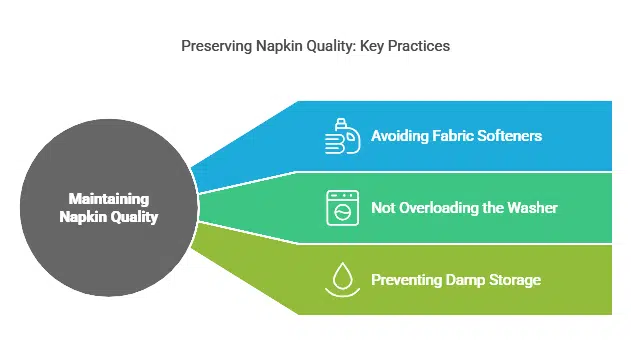
Avoid these pitfalls to maintain your napkins’ quality:
- Using Fabric Softeners: They leave residue that reduces absorbency.
- Overloading the Washing Machine: Prevents thorough cleaning.
- Storing Damp Napkins: Leads to mold growth and unpleasant odors.
Additional Tip: Monitor Fabric Wear
Inspect napkins periodically for fraying or thinning fabric. Retire overly worn napkins and repurpose them as cleaning rags.
Takeaways
Cleaning and caring for your reusable cloth napkins is a simple yet impactful way to embrace sustainable living while ensuring durability and hygiene.
By following these five practical tips, you can keep your napkins looking and performing their best for years to come. Remember, every small effort towards sustainability counts—start with your cloth napkins today!






























