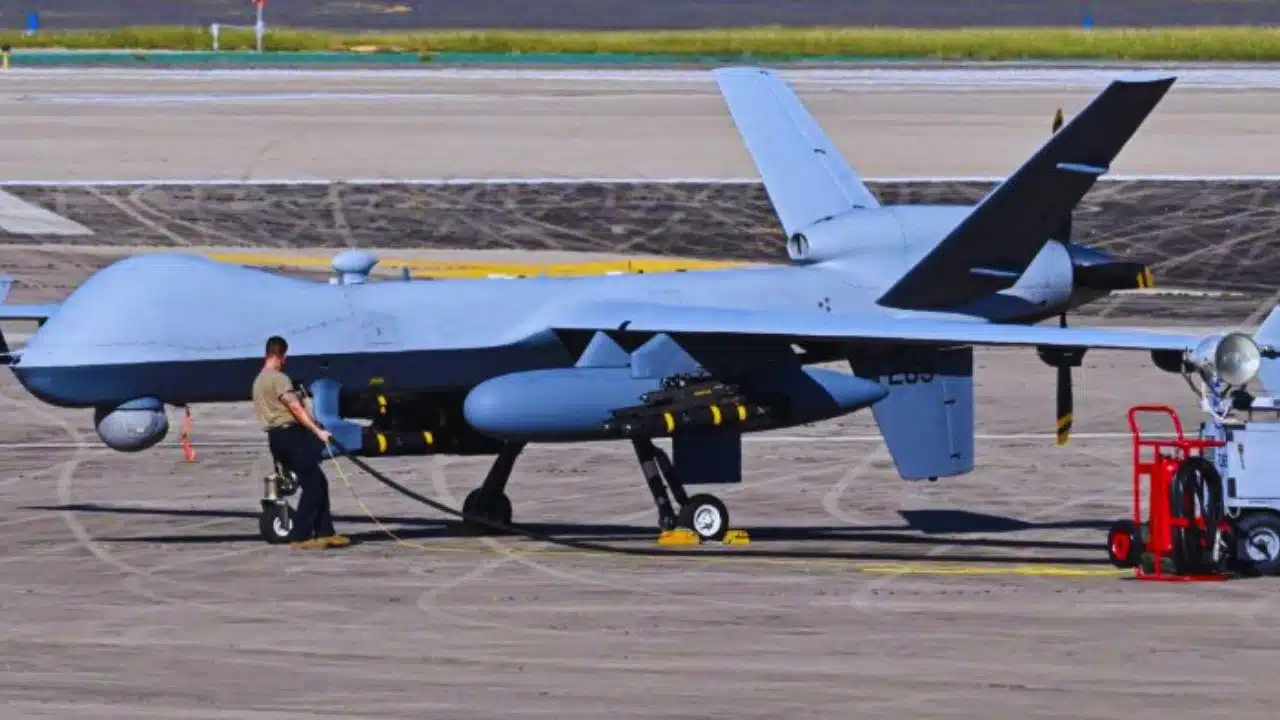
The Central Intelligence Agency executed a drone strike on a port facility along Venezuela’s coast earlier this month, marking the first confirmed U.S. military operation on Venezuelan soil. The attack targeted a dock allegedly used by the Tren de Aragua gang for drug trafficking operations, escalating tensions between Washington and the Maduro government.
Historic Operation Marks New Phase in Counter-Narcotics Campaign
The CIA carried out the drone strike in mid-December 2025 on a secluded dock facility on Venezuela’s coastline, sources familiar with the matter confirmed. U.S. intelligence officials believed the site was utilized by members of Tren de Aragua, a Venezuelan transnational criminal organization, for storing and transporting narcotics onto vessels bound for international destinations. No individuals were present at the facility during the strike, resulting in no casualties. The operation successfully destroyed the dock and associated vessels, though intelligence sources characterized it as largely symbolic since traffickers operate numerous similar ports along Venezuela’s extensive coastline.
President Donald Trump appeared to confirm the operation during interviews, stating that U.S. forces struck a “big facility where ships come from” and targeted “the dock area where they load the boats up with drugs”. Trump emphasized during a December 29 statement that after hitting boats at sea, forces “now hit the area” where drugs are loaded, declaring “that is no longer around”.
Tren de Aragua: Venezuela’s Most Powerful Criminal Network
Tren de Aragua originated in the early 2010s as a prison gang within the Tocorón penitentiary in Venezuela’s Aragua state but evolved into a transnational criminal empire. The organization expanded by following Venezuelan migration routes, establishing operational cells across South America in countries including Colombia, Peru, Chile, Ecuador, Bolivia, and Brazil. The gang engages in diverse criminal activities including drug trafficking, arms smuggling, human trafficking, extortion, kidnapping, money laundering, and illegal mining.
The U.S. State Department has documented Tren de Aragua’s collaboration with Colombian guerrilla groups, particularly the National Liberation Army, running trafficking networks along the Venezuela-Colombia border. The Trump administration designated Tren de Aragua as a “foreign terrorist organization” in February 2025, though U.S. intelligence agencies have stated they possess no evidence directly linking the gang to Venezuelan President Nicolás Maduro’s government.
Expanding U.S. Military Operations in the Caribbean
The drone strike represents the latest escalation in a broader counter-narcotics campaign that has intensified throughout 2025. Earlier this year, President Trump expanded the CIA’s mandate to conduct operations in Latin America, including Venezuela, granting intelligence operatives authority to take “covert action” against the Maduro regime. Previously, U.S. military operations were legally limited to targeting suspected drug trafficking vessels in international waters, not on land.
The U.S. has conducted over 30 strikes on vessels in the Caribbean Sea and eastern Pacific Ocean since early September 2025, resulting in at least 107 deaths according to Trump administration figures. The Coast Guard has also seized sanctioned oil tankers operating in violation of U.S. sanctions against Venezuela. This military buildup includes a significant naval presence in the Caribbean region and a blockade of Venezuelan oil allegedly bound for sanctioned countries.
| U.S. Operations Against Venezuela (2025) | Details |
| Vessel Strikes | Over 30 strikes in Caribbean and Pacific waters |
| Casualties | At least 107 deaths reported |
| Oil Tanker Seizures | Multiple sanctioned vessels intercepted |
| Land Strike | First confirmed CIA drone strike on Venezuelan territory |
| Reward for Maduro | Increased to $50 million in August 2025 |
Legal and Diplomatic Implications
Administration officials justify the operations by asserting the United States is formally engaged in an “armed conflict” with drug cartels, which Trump has labeled “unlawful combatants”. However, law-of-war experts and critics have raised concerns about the legal basis for these operations, with some characterizing the attacks as potential extrajudicial killings or war crimes. The drone strike within Venezuelan territorial boundaries represents a significant departure from previous operations conducted exclusively in international waters.
Trump’s chief of staff Susie Wiles told Vanity Fair that the military campaign aims to force Maduro to “cry uncle” and relinquish power. Venezuelan Foreign Minister Yvan Gil criticized what he termed months of “imperial madness,” including “harassment, threats, persecution, robberies, piracy, and murders. The Venezuelan government has not issued a formal response specifically addressing the drone strike.
Historical Context of U.S.-Venezuela Relations
Tensions between Washington and Caracas have escalated dramatically since Trump’s return to office in January 2025. The U.S. refused to recognize Maduro’s January 2025 inauguration for a third term following contested elections that Washington denounced as fraudulent. Trump withdrew Temporary Protected Status for approximately 600,000 Venezuelans in the United States and enacted a 25 percent tariff on nations purchasing Venezuelan oil in March 2025. The U.S. doubled the reward for Maduro’s capture to $50 million in August 2025, designating him as a “global leader” of the Cartel de los Soles.
Final Thoughts
The CIA’s unprecedented drone strike on Venezuelan territory signals a dramatic escalation in U.S. pressure tactics against the Maduro government and transnational criminal organizations operating from Venezuela. While administration officials frame the operations as counter-narcotics measures, critics argue the campaign blurs lines between drug interdiction and broader regime change objectives. The symbolic destruction of a single dock facility, while operationally limited, establishes a precedent for U.S. military action within Venezuela’s borders. As the Trump administration continues expanding its military footprint in the Caribbean and maintaining economic sanctions, the potential for further escalation and Venezuelan retaliation remains high, raising concerns among regional observers about stability in Latin America.