Beijing’s bold move to introduce the K-visa signals a strategic pivot in China’s global talent war, offering streamlined entry for young science and technology experts amid tightening U.S. immigration policies. Rolled out last month, this initiative seeks to bolster China’s innovation edge in fields like AI, semiconductors, and robotics, positioning the country as a welcoming hub for international brainpower.
As the world’s second-largest economy grapples with domestic talent shortages, the K-visa could reshape the flow of global expertise, drawing comparisons to America’s H-1B program but with fewer barriers.
Background on the K-Visa Initiative
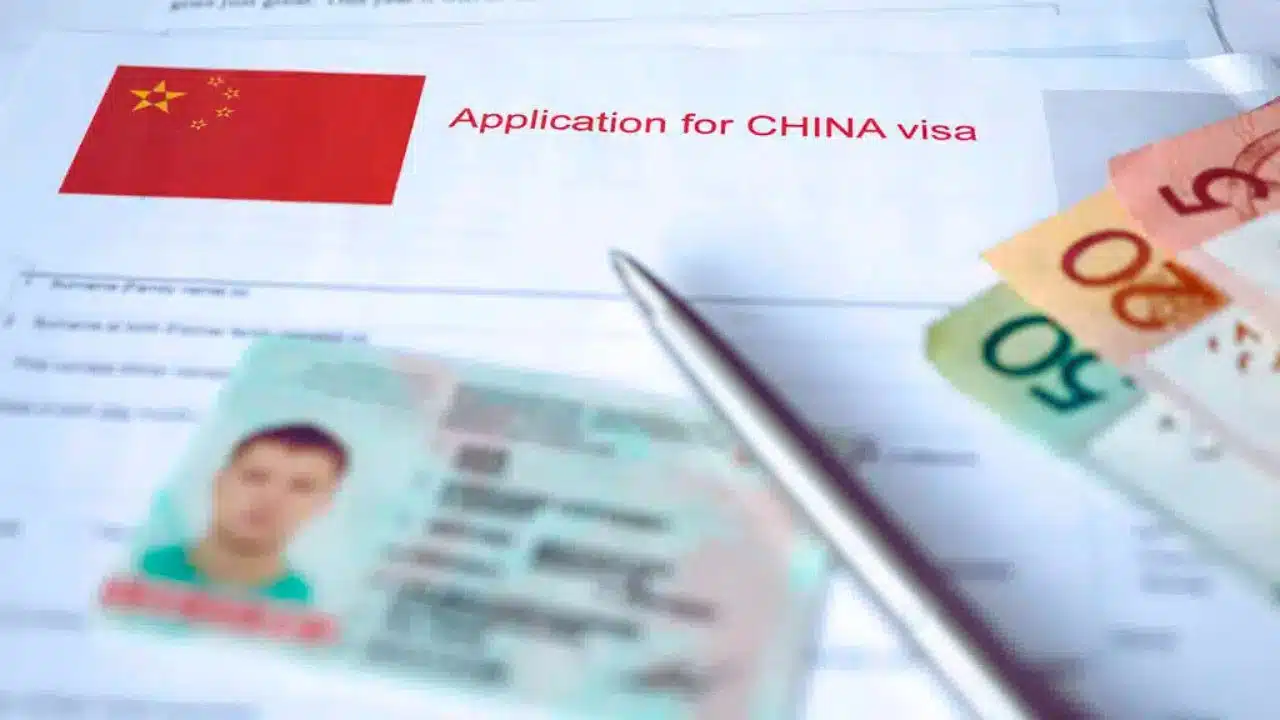
The K-visa emerged from a State Council decree signed by Premier Li Qiang in August 2025, amending China’s entry-exit regulations to include this new category effective October 1. Unlike the existing 12 ordinary visa types—such as the Z-visa for work or R-visa for high-end talent—the K-visa targets “young foreign science and technology talent,” a group defined broadly to encompass STEM graduates and early-career professionals. This policy reflects Beijing’s long-term ambition to lead in advanced technologies, a priority set by the Communist Party to counter perceived lags behind the U.S. in cutting-edge innovation.
The rollout comes at a pivotal moment. China’s youth unemployment rate lingers around 18%, fueling intense domestic job competition, yet officials argue that foreign expertise is essential to bridge skills gaps in high-tech sectors. State media like People’s Daily hailed the visa as a way for China to “open its arms” to global talent, reversing decades of brain drain where top Chinese graduates flocked to the U.S. and Europe. As of 2023, only about 711,000 foreign workers resided in China—a modest figure for a nation of 1.4 billion—highlighting the untapped potential this visa aims to unlock.
Key Features and Eligibility Criteria
What sets the K-visa apart is its flexibility, designed to lure applicants without the red tape that often deters talent. Unlike traditional visas requiring a pre-arranged job offer from a Chinese employer, the K-visa allows applications based solely on qualifications, streamlining the process for those exploring opportunities in China’s vast market. Holders can engage in education, cultural, and tech exchanges, as well as entrepreneurial ventures and business activities, with extended validity periods, multiple entries, and longer stays than many counterparts.
Eligibility focuses on youth and expertise: applicants must typically hold at least a bachelor’s degree in STEM fields from recognized universities or research institutions worldwide, or demonstrate relevant experience in education or research. Specific age limits remain flexible—often under 35 for “young” talent—but exact criteria, including supporting documents, will be detailed on embassy websites. No invitation from a domestic entity is needed, making it ideal for proactive professionals scouting roles in AI startups or semiconductor firms.
A Response to Global Immigration Shifts
The timing of the K-visa launch is no coincidence, arriving as the U.S. under President Donald Trump imposes stricter H-1B rules, including a new $100,000 one-time fee that has rattled the tech industry. This squeeze has prompted skilled workers, particularly from India—which claims nearly three-quarters of H-1B visas—to eye alternatives, with China’s program emerging as a viable “equivalent”. Experts like Barbara Kelemen of Dragonfly intelligence firm note that Beijing views these U.S. policies as a “golden opportunity” to poach talent, projecting openness in contrast to Washington’s inward turn.
For professionals like Vaishnavi Srinivasagopalan, an Indian IT specialist with U.S. experience, the visa represents a cultural and professional draw—fueled by family ties to China and curiosity about its dynamic tech scene. Returning Chinese diaspora, such as former Intel architect Fei Su and Altair engineer Ming Zhou, are already heeding the call, taking up research and teaching posts to fuel domestic innovation. Yet, challenges persist: language barriers, internet censorship, and limited permanent residency paths may temper enthusiasm.
Potential Impacts on China’s Tech Landscape
If successful, the K-visa could accelerate China’s push for self-reliance in tech, injecting fresh ideas into hubs like Shenzhen and Shanghai where AI and robotics firms cluster. By attracting foreign innovators, Beijing aims to address the mismatch between soaring demand for skills and local supply, potentially sparking breakthroughs in semiconductors amid U.S. export curbs. State-backed incentives, including easier business setup for visa holders, could foster startups and collaborations, echoing Silicon Valley’s model but tailored to China’s state-driven economy.
However, domestic pushback is brewing. With high youth joblessness, some young Chinese worry that foreign hires will intensify competition, prompting online debates about equity. Analysts predict modest initial uptake—China’s foreign workforce remains small—but sustained efforts could swell numbers, especially as global firms like Huawei and ByteDance expand. People’s Daily dismissed “immigration crisis” fears, urging cultural confidence in integrating diverse talent.
Looking Ahead: Opportunities and Hurdles
As applications roll in, the K-visa underscores China’s evolving narrative—from talent exporter to magnet. For global tech pros, it offers a foothold in one of the world’s fastest-growing markets, blending opportunity with cultural immersion. Yet success hinges on addressing hurdles like regulatory transparency and quality-of-life appeals to sustain long-term inflows. In the intensifying U.S.-China tech rivalry, this visa may prove a game-changer, drawing the world’s brightest minds eastward.