Electric vehicles (EVs) have made significant strides over the past decade, reshaping the landscape of modern transportation.
With their promise of reduced emissions, lower fuel costs, and cutting-edge technology, EVs have become a popular alternative to traditional gasoline-powered cars.
However, despite their growing popularity, EVs still face critical challenges that need to be addressed for their long-term success.
Let’s take a look at the top eight challenges EVs must overcome in the coming years to become a practical and sustainable choice for all.
1. Battery Technology and Energy Density
One of the biggest obstacles for EVs is battery technology, specifically in terms of energy density and capacity.
Battery capacity directly impacts an EV’s driving range, and limited range can deter potential buyers who fear running out of power on long trips.
Although lithium-ion batteries have become the industry standard, they still have limitations in terms of weight, cost, and energy storage.
- Energy-Dense Alternatives: Research is underway to develop energy-dense alternatives, such as solid-state batteries and lithium-sulfur batteries, that can store more energy in less space. These advancements could extend EV ranges and reduce charging frequency, making EVs more practical for daily use.
- Battery Longevity: Batteries degrade over time, impacting performance and range. Developing batteries with longer life cycles will be essential to making EVs more sustainable.
Reducing Battery Costs
Battery production is one of the most significant costs in EV manufacturing.
High battery costs keep EV prices elevated, limiting affordability and accessibility for the average consumer.
As research into alternative materials and production methods advances, the hope is to make EV batteries more affordable.
- Alternative Materials: Replacing rare and expensive materials, like cobalt, with more abundant options could drive down costs. Advances in materials science may offer solutions that reduce costs without compromising performance.
- Recycling and Reuse: Recycling battery materials not only reduces waste but could also contribute to lowering production costs. Companies are working on methods to reclaim materials from old batteries to create a sustainable supply chain.
2. Charging Infrastructure and Accessibility
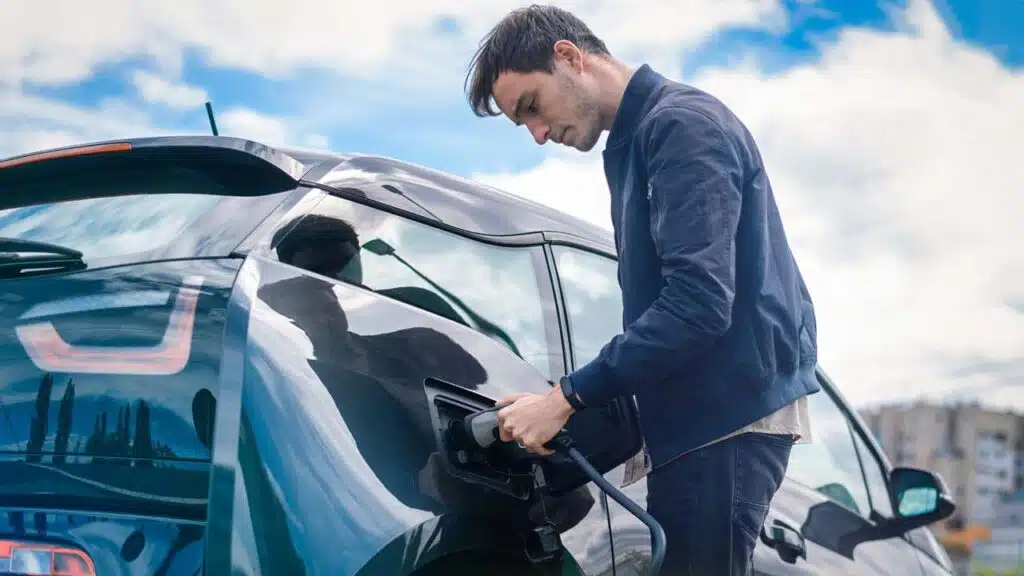
A widespread charging infrastructure is essential for EV adoption.
Although urban areas may have ample charging options, rural and suburban regions often lack charging stations, making EVs impractical for residents in those areas.
- Public Charging Stations: Increased investment in public charging stations, particularly in under-served areas, will be necessary for widespread EV adoption. Governments and private companies are starting to work together to build a robust network, but more efforts are needed to ensure availability nationwide.
- Home Charging Solutions: Home charging solutions remain the most convenient option for EV owners. However, renters and those without access to garages or private parking spaces often cannot install home chargers. Solutions like shared charging networks in apartment complexes could help bridge this gap.
Fast-Charging Technology
Charging time remains a major pain point for EV owners, as it currently takes longer than filling up a gas tank.
Fast-charging technology, however, is showing promise in reducing wait times significantly.
- Ultra-Fast Chargers: Companies are developing ultra-fast chargers that can deliver a substantial charge within minutes. Innovations in this field could make EVs more appealing to those who prioritize convenience and time savings.
- Battery Cooling Systems: Fast charging can cause batteries to heat up, which can affect longevity. Developing advanced cooling systems is essential to support fast charging without compromising battery life.
3. Range Anxiety and Long-Distance Travel
Range anxiety, or the fear of running out of battery power on long trips, remains a significant concern for potential EV buyers.
Although newer models boast ranges closer to traditional gasoline cars, range anxiety persists, particularly for drivers who travel frequently or live in areas without sufficient charging options.
- Range Optimization: Manufacturers are investing in technologies to optimize battery efficiency, from regenerative braking systems to lightweight materials that reduce energy consumption. These innovations could help increase the range of EVs without requiring larger batteries.
- Realistic Range Ratings: Providing realistic range ratings based on different driving conditions (city, highway, winter, etc.) can help consumers make informed decisions and set accurate expectations.
Charging Solutions for Long Trips
The idea of embarking on a road trip in an EV can be daunting due to range limitations and a lack of charging stations along less-traveled routes.
- Strategically Placed Chargers: Placing fast-charging stations along major highways can help ease concerns over long-distance travel. Some companies are also exploring the idea of “charging hubs” at strategic points on popular travel routes.
- Battery Swapping Technology: Battery swapping, where a depleted battery is replaced with a fully charged one, could offer a quicker alternative to recharging. Although not widely available, this technology is being explored to support long-distance EV travel.
4. Environmental Impact of Battery Production and Disposal
While EVs produce fewer emissions on the road, their production, particularly of batteries, has a significant environmental impact.
Mining for materials like lithium and cobalt is energy-intensive and has social and environmental consequences.
- Ethical and Eco-Friendly Mining: Sustainable mining practices and strict regulations are essential to reduce the environmental footprint of EV batteries. Companies are also exploring ways to source materials responsibly, minimizing the negative impacts on local communities.
- Alternative Battery Chemistry: Research into batteries that use abundant and non-toxic materials, such as sodium-ion batteries, may provide more sustainable solutions. These alternatives could alleviate some of the environmental concerns associated with lithium-ion batteries.
Recycling and End-of-Life Solutions
The disposal of EV batteries poses environmental challenges.
Without effective recycling programs, batteries can end up in landfills, where they contribute to pollution and resource depletion.
- Recycling Programs: Battery recycling programs are essential to reclaim valuable materials, reduce waste, and create a more sustainable battery lifecycle. Governments and companies are working to improve recycling technologies, but more widespread adoption is needed.
- Second-Life Applications: Depleted EV batteries can still serve a purpose in applications like energy storage for homes or businesses. Extending the battery lifecycle through second-life uses is a promising way to maximize resources and reduce waste.
5. High Initial Costs and Affordability
Despite a decrease in prices over the past decade, EVs are still more expensive than traditional gasoline vehicles.
This price gap remains a barrier for many consumers considering the switch to an EV.
- Incentives and Subsidies: Government incentives play a significant role in making EVs affordable. As more governments pledge to promote electric mobility, these incentives may continue, making EVs more accessible to a broader audience.
- Economies of Scale: As EV production scales up, the per-unit cost is likely to drop. With increased demand and improvements in manufacturing processes, prices should gradually decrease over time.
Lowering Maintenance Costs
One advantage of EVs is their low maintenance costs due to fewer moving parts and no need for oil changes. However, some components, like battery replacement, can be costly.
- Battery Warranties: Most EV manufacturers offer long-term battery warranties, which can alleviate consumer concerns about replacement costs. As battery technology advances, the frequency and cost of replacement should reduce as well.
- Reduced Operating Costs: In regions where electricity is cheaper than gasoline, EVs offer lower long-term costs. Education on these benefits can help consumers see the value beyond the initial price tag.
6. Grid Capacity and Energy Demand
As EV adoption grows, so does the demand for electricity, putting pressure on existing grids.
Without upgrades, high EV usage could lead to power shortages, especially in densely populated areas.
- Smart Grids and Load Management: Smart grids that manage load efficiently can help accommodate the growing energy demands of EVs. Grid upgrades will be necessary to balance supply and demand effectively, especially in peak hours.
- Renewable Energy Integration: Many countries are working to increase renewable energy sources like solar and wind. Integrating these sources into the grid can help reduce emissions and make EVs even more eco-friendly.
Developing Charging Schedules
To avoid overloading the grid, managing when and where EVs charge is essential.
Nighttime charging, when electricity demand is lower, can help distribute demand more evenly.
- Incentives for Off-Peak Charging: Utilities may offer reduced rates for off-peak charging to encourage EV owners to charge their vehicles during less busy times.
- Vehicle-to-Grid Technology: EVs with vehicle-to-grid (V2G) capability can potentially return excess energy to the grid, helping balance supply during high-demand periods.
7. Consumer Awareness and Acceptance
Many consumers still have reservations about EVs, often due to misconceptions about range, charging, and overall practicality.
Education and awareness campaigns are key to dispelling myths and promoting the advantages of EVs.
- Highlighting Total Cost Savings: Educating consumers on the long-term savings of EVs, including lower maintenance and fuel costs, can help ease concerns over the higher upfront cost.
- Test Drive Experiences: Offering test drives and experiential events allows potential buyers to experience the benefits of EVs firsthand, building trust and interest.
Targeting Different Demographics
Adoption rates vary across demographics.
Understanding different needs, whether it’s for families, city dwellers, or rural residents, allows companies to create vehicles that appeal to a broader market.
- Designing for Diverse Lifestyles: EV manufacturers are increasingly tailoring their vehicles to meet various lifestyle needs. For instance, families may value larger EVs with ample storage and safety features, while city dwellers may prioritize compact designs with quick-charging capabilities. Customizing offerings for specific demographics can help boost overall adoption.
- Promoting Environmental Impact: Highlighting the positive environmental impact of EVs is another way to engage environmentally conscious consumers. As people become more aware of climate change and their personal impact, promoting EVs as a sustainable choice aligns with consumer values, potentially attracting new buyers.
8. Advancing Autonomous Driving and Connectivity
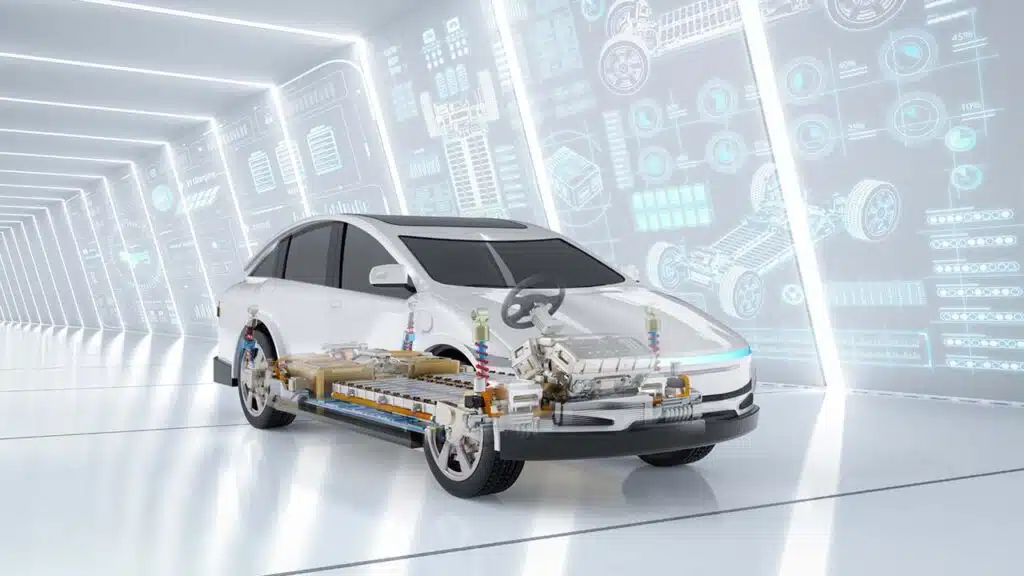
The future of EVs is closely linked to advancements in autonomous driving.
Autonomous technology enhances the driving experience by reducing stress and enabling hands-free travel, which many consumers find appealing.
However, incorporating these technologies comes with unique challenges.
- Safety Standards and Regulations: Autonomous driving technology requires rigorous testing and compliance with safety standards. EV manufacturers will need to work closely with regulatory bodies to ensure their vehicles meet all necessary requirements, which can slow down deployment.
- Refining Autonomous Capabilities: Developing reliable and accurate autonomous systems that work well across different environments and driving conditions is essential. As EVs adopt more autonomous features, companies will need to invest heavily in research and development to make these systems as safe and effective as possible.
Connected Vehicle Technology
Connected vehicle technology is rapidly evolving, enabling vehicles to communicate with each other and surrounding infrastructure to improve traffic flow and safety.
For EVs, this connectivity can offer additional benefits, such as locating nearby charging stations or optimizing energy usage based on real-time traffic data.
- Smart Charging Integration: Connected EVs can leverage smart charging systems to optimize when and where to charge based on energy prices, grid demand, and driving patterns. These systems help reduce the impact on the grid and lower charging costs for drivers.
- Enhanced User Experience: Connected EVs can offer improved navigation, personalized entertainment, and over-the-air updates, creating a more enjoyable and seamless driving experience. As the user experience becomes more intuitive, consumer interest in EVs is likely to grow.
Final Thoughts: The Path Forward for EV Adoption
While the road to widespread EV adoption faces challenges, the future is promising.
As advancements in battery technology, charging infrastructure, consumer education, and autonomous systems continue to progress, EVs are becoming more viable for a broader audience.
Addressing these top 8 challenges will be essential for ensuring that electric vehicles can overcome current limitations and truly transform the global transportation landscape.
Through collaboration between government, industry, and consumers, the barriers to EV adoption can be dismantled, creating a cleaner, more sustainable future for all.
Each step forward represents a move toward a world where electric vehicles are not only practical but the preferred choice for millions of drivers worldwide.