ByteDance’s new AI-powered smartphone, built around its Doubao assistant, is facing a coordinated pushback from China’s biggest messaging, shopping and banking apps, exposing early fault lines in the race to build agentic AI phones.
Lead: What Happened
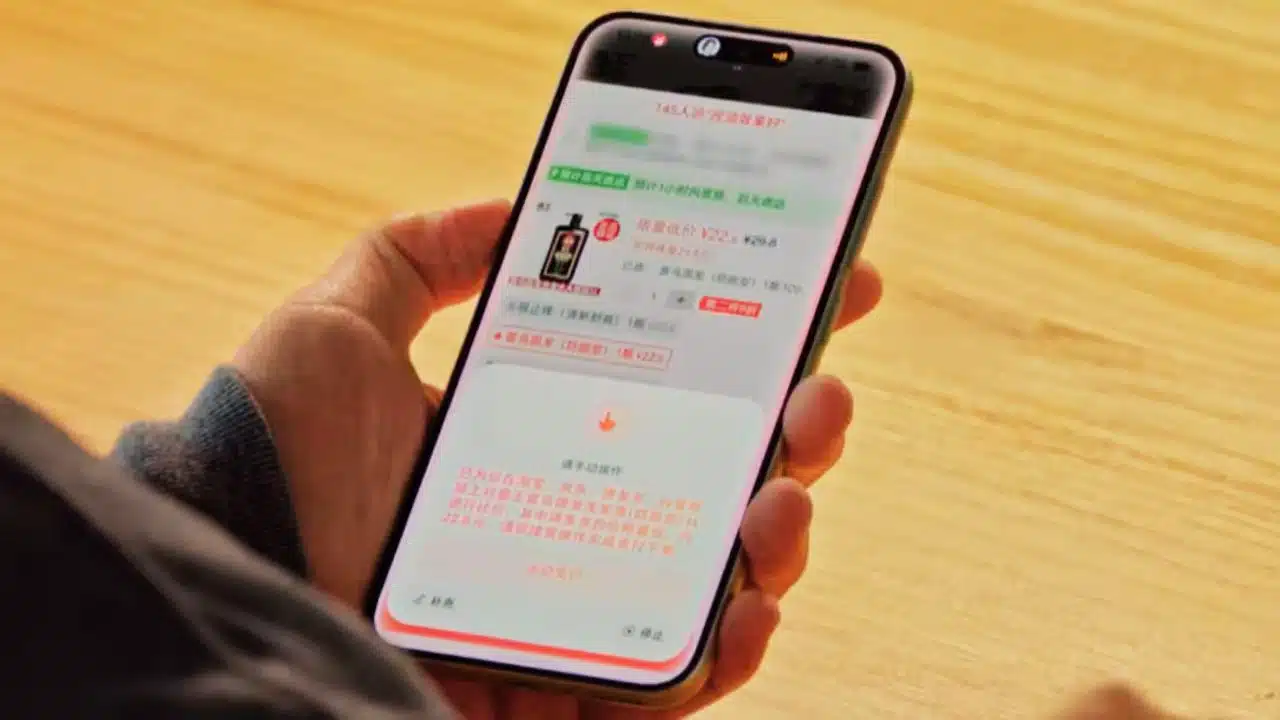
ByteDance’s AI phone project has run into immediate resistance as major Chinese platforms move to restrict how the device’s built-in AI assistant can operate inside their apps. Users of the Nubia M153 handset, which integrates ByteDance’s Doubao Phone Assistant at system level, report blocked logins, warning pop-ups and limited functionality when they try to control apps such as WeChat, Alipay, Taobao and several banking services via voice automation. The backlash has already forced ByteDance to dial back some of the phone’s most ambitious features, turning a flagship AI experiment into a test case for how far super apps will allow third‑party AI agents to go.
What Is ByteDance’s AI Phone?
The AI phone at the center of the dispute is the Nubia M153, a smartphone produced by Chinese device maker ZTE but marketed as an agentic AI phone thanks to its deep integration with ByteDance’s Doubao Phone Assistant. Instead of relying mainly on touch, the device lets users issue voice commands so the assistant can open apps, scroll screens and complete actions across multiple services on their behalf.
The Nubia M153 was launched in early December 2025 in China as a limited, developer‑oriented device, with a price of around 3,499 yuan (about 495 US dollars). ByteDance and ZTE positioned it as a trial platform for phone automation, promising that Doubao could handle routine tasks such as posting social updates, claiming promotional rewards and navigating complex app interfaces without constant manual input.
Which Apps Are Blocking the ByteDance AI Phone?
Reports from early users and Chinese media indicate that a growing list of major platforms are restricting how the Doubao assistant can interact with their apps when used on the AI phone. The responses range from outright login failures to warning pop‑ups asking users to switch off the assistant.
Major platforms limiting the ByteDance AI phone
| App / Service | Owner / Group | Reported action on Doubao AI phone |
| Tencent | Login errors, forced logouts when run via Doubao assistant | |
| Alipay | Ant Group (Alibaba) | Blocks AI‑driven operations; cannot be controlled by Doubao |
| Taobao / Pinduoduo | Alibaba / PDD Holdings | E‑commerce actions via Doubao restricted or fail to execute |
| Ele.me | Alibaba | Food delivery orders via assistant reportedly not supported |
| Agricultural Bank of China app | State‑owned bank | Pop‑up warnings, prompts to disable AI tool before proceeding |
| China Construction Bank app | State‑owned bank | Similar warnings, urging users to turn off AI assistant |
Tencent’s WeChat, China’s dominant super app, has been at the center of user complaints, with some Nubia M153 owners saying they are logged out or face abnormal environment warnings when trying to use WeChat through Doubao. Agricultural Bank of China and China Construction Bank apps reportedly show security prompts telling users to turn off the AI assistant before accessing services, effectively blocking automated control.
E‑commerce and payment apps including Alipay, Taobao, Pinduoduo and Ele.me are also said to reject tasks initiated by Doubao, even though users can still open and operate these apps manually by touch. Some users claim that attempts to automate sensitive actions, such as claiming promotional rewards or interacting with game‑related incentives, have led to temporary account restrictions or freezes.
Why Are Chinese Apps Pushing Back?
The platforms involved publicly frame their actions as enforcement of existing security and anti‑fraud rules rather than targeted retaliation against ByteDance. Tencent has suggested that the behavior stems from internal risk controls being triggered when WeChat detects a non‑human process interacting at a deep level with the app, rather than a deliberate block of Doubao itself.
Security experts note that Doubao’s system‑level integration relies on a powerful Android permission that allows it to simulate user input across apps, effectively functioning like a built‑in automation engine. This raises concerns for banks and payment providers, which are required to verify that actions such as transfers or authentication steps are initiated by real users rather than scripts that could be hijacked or abused.
There is also a commercial dimension: by operating above individual apps, a strongly agentic assistant could potentially change which services users see, how often they open them and which promotional campaigns they engage with, shifting control away from super‑app ecosystems. For platforms that depend heavily on in‑app engagement and data, letting a third‑party AI agent orchestrate user behavior introduces both competitive and regulatory risks.
ByteDance’s Response and Feature Rollbacks
Facing mounting complaints and platform‑level restrictions, ByteDance has moved quickly to scale back some of the most controversial capabilities of the Doubao Phone Assistant on the AI phone. In a public statement, the company said it would prevent the Nubia M153 from using Doubao to claim activity or incentive rewards that are meant for active human participants.
ByteDance also announced that it is disabling the assistant’s interaction with financial apps, including banking and payment services, and suspending AI control in competitive gaming scenarios to maintain fair play. The Doubao team has stressed that the assistant does not store screen content in the cloud or use it for model training, and that sensitive operations such as payments or identity checks would not be carried out autonomously.
In parallel, ByteDance has turned off Doubao’s ability to manage WeChat on the phone while it works with app providers to better define acceptable use cases and avoid blanket blocks. The company is trying to present these adjustments as voluntary safeguards, but they underline how much power major apps hold over any new AI‑driven interface layer.
Timeline: From Launch to Backlash
Key dates in the Doubao AI phone rollout
| Date (2025) | Event description |
| Dec. 1 | ByteDance’s Doubao assistant becomes available on ZTE’s Nubia M153, marketed as an agentic AI phone for developers. |
| Early Dec. | Early users report WeChat login errors and banking app warnings when using Doubao to automate tasks. |
| Dec. 3–4 | Chinese reports detail blocks and pop‑ups from WeChat, Agricultural Bank of China and China Construction Bank apps. |
| Dec. 5 | Industry watchers note that Alipay, Taobao, Pinduoduo, Ele.me and some gaming apps also restrict Doubao’s operations. |
| Dec. 6–7 | ByteDance announces limits on financial, gaming and incentive‑related automation on the Nubia M153 AI phone. |
This rapid sequence shows how quickly the experiment with an AI‑first phone escalated into a broader confrontation with dominant super apps and financial platforms. Within less than a week of launch, the project shifted from a showcase of automation to a negotiated retreat focused on risk controls and compliance.
Regulatory and Competition Backdrop in China
The clash around the ByteDance AI phone unfolds against years of tension over platform interoperability and competition in China’s internet sector. ByteDance and Tencent have previously fought public battles over link blocking, with ByteDance accusing WeChat of abusing its dominant position by restricting content and downloads from rival apps such as Douyin and Duoshan.
Chinese regulators have also ordered major platforms to reduce anti‑competitive behavior and improve data security, especially in financial and payments services. That environment makes super apps cautious about allowing a third‑party AI agent to operate with system‑level privileges, given the potential for new security vulnerabilities and questions over who controls user data.
At the same time, Beijing has encouraged firms to innovate in AI and so‑called agentic systems, pushing Chinese tech champions to compete at the frontier of AI‑powered services. The ByteDance–ZTE phone therefore sits at the intersection of two policy goals: promoting advanced AI while keeping tight control over data, financial stability and platform competition.
What It Means for the Future of AI Smartphones
The ByteDance AI phone blocked by major Chinese apps highlights a central strategic question for the smartphone industry: who will own the user relationship in an era of agentic AI. If AI assistants can operate across all apps, aggregating tasks and data, they may weaken the power of individual platforms and shift value to whoever controls the operating‑system‑level agent.
For now, the reaction from WeChat, Alipay, large e‑commerce platforms and state‑owned banks shows that super apps are not ready to concede that control, especially where payments, authentication and rewards programs are involved. Their pushback suggests that any future AI phone will need built‑in guardrails and negotiated protocols that clearly separate acceptable automation from activities that apps view as security or competitive threats.
China’s experience is likely to inform similar debates in other markets as device makers and AI firms test more powerful assistants that can tap, swipe and transact across the mobile ecosystem. The outcome will shape whether AI phones become open, cross‑app agents serving users’ interests, or tightly controlled features constrained by the existing gatekeepers of mobile life.