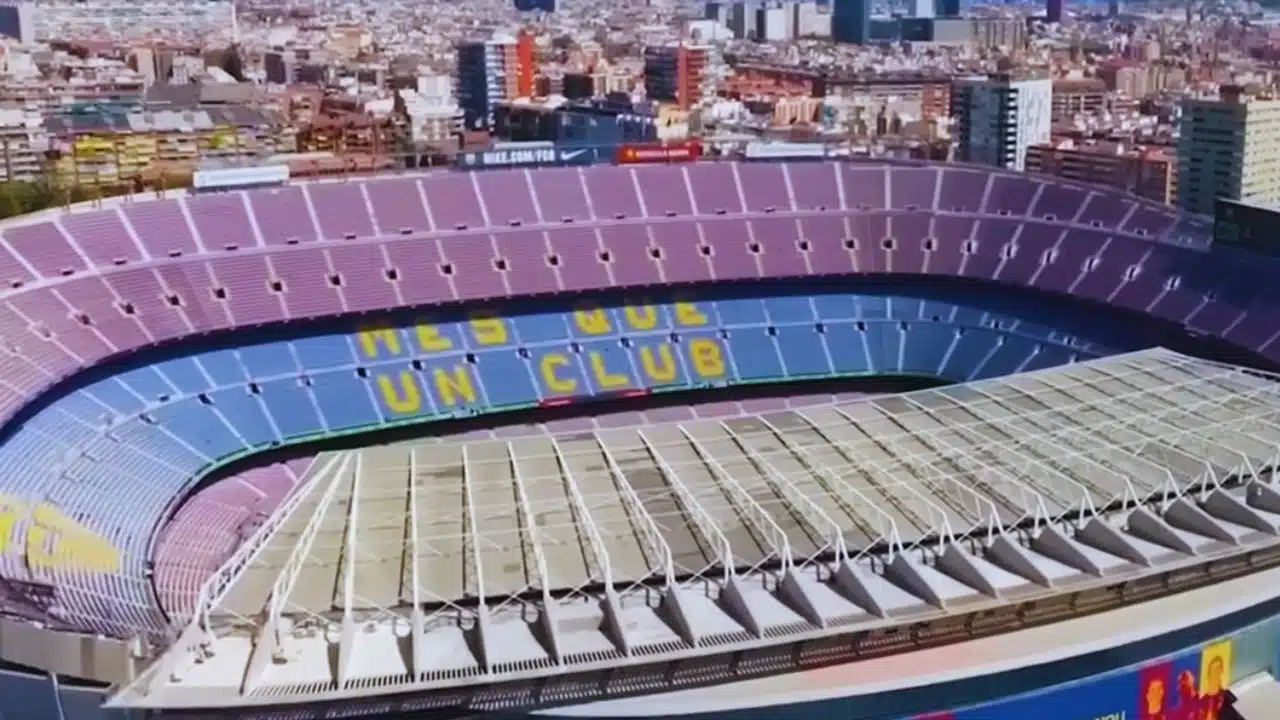
Barcelona’s legendary connection with Lionel Messi may soon be etched permanently into the club’s identity, as reports suggest the iconic Camp Nou could be renamed to include his name. The discussion comes at a time when the relationship between the club and its greatest player appears to be warming again, especially after Messi’s emotional return to the stadium earlier this month. The possibility of renaming the stadium reflects the profound impact Messi has had on Barcelona’s history—both statistically and symbolically—and highlights a desire within the club to honor the footballer who defined an era.
Lionel Messi is widely regarded as the greatest player ever to wear the Barcelona jersey. His journey with the club began long before he became a global superstar. After joining La Masia as a young teenager, he progressed through the ranks, playing for Barcelona’s “C” and “B” teams before making his senior debut in 2004. What followed over the next 17 years was nothing short of extraordinary: Messi broke record after record, shaped the identity of modern Barcelona football, and built a legacy that remains unmatched. He holds the record for the most appearances for the club and is its all-time top scorer. Beyond individual statistics, Messi played a decisive role in winning 10 La Liga titles, 4 Champions League trophies, and numerous domestic and international honors. Of his eight Ballon d’Or awards, seven were earned during his Barcelona years, cementing his status as the heartbeat of the club.
Messi left the club with a heavy heart in August 2021 due to financial constraints that made it impossible for Barcelona to renew his contract under league regulations. His final appearance at Camp Nou as a Barcelona player came on May 16, 2021, in a match against Celta Vigo. Barcelona lost that game, and within months, fans were left heartbroken as Messi stood before them in tears during his farewell press conference. The departure created a visible strain in the relationship between Messi and the club’s management, with both sides expressing emotional difficulty about how things ended.
However, recent developments suggest a renewal of warmth between Messi and Barcelona. Camp Nou has been undergoing extensive renovations since Messi’s departure, turning the iconic venue into a modernized stadium symbolizing the club’s future ambitions. A week ago, Messi visited the refurbished arena for the first time. His emotional reaction showed just how deeply connected he remains to Barcelona. Sharing photos from the visit, Messi wrote: “Last night I returned to a place I miss so much. A place where I felt like the happiest person in the world, time and time again. Hopefully, one day I will be able to come back here not just to say goodbye as a player—a farewell I never truly had—but for something more meaningful.” His words resonated deeply with supporters, many of whom have long hoped for a symbolic reconciliation between Messi and the club.
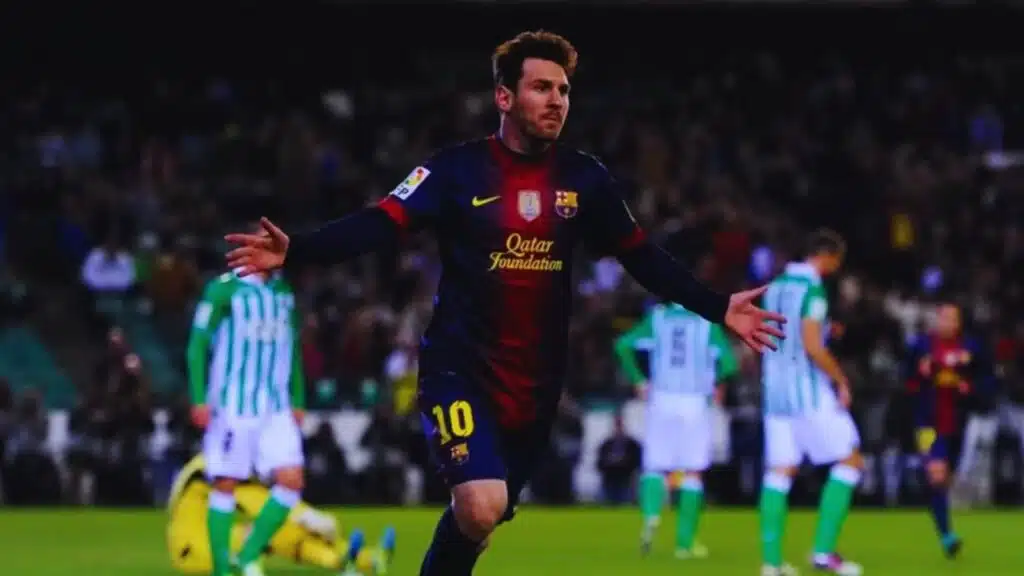
Against this backdrop, Spanish media reports indicate that Barcelona are now considering naming the stadium after Messi. One of the proposals circulating in Catalan press suggests the official name could become “Spotify Camp Nou Leo Messi,” combining the club’s sponsorship agreement with a tribute to its greatest icon. The move would be a powerful gesture of respect, acknowledging not only Messi’s unparalleled contributions on the pitch but also the emotional bond he shares with millions of fans around the world. While the club has not yet confirmed the final decision, officials reportedly see this as a meaningful step toward honoring Messi’s legacy permanently.
Renaming Camp Nou after Messi would also help heal any remaining tensions between the two sides. The relationship has improved in recent years, and honoring Messi could symbolize a full-circle moment in their shared history. As the stadium renovation nears completion, many believe the formal tribute could be announced during its reopening phase, offering Messi the heartfelt farewell or celebration he never received. Supporters also hope that such an homage might pave the way for more ceremonies, events, or collaborations between Messi and Barcelona in the future.
For now, the discussion reflects a broader sentiment: Messi is not just part of Barcelona’s past—he is an inseparable part of its identity. Naming the stadium after him would immortalize his contribution and ensure that future generations understand the significance of the era he shaped. It would serve as a reminder of the joy, brilliance, and unforgettable moments he gave to the club across two decades. As anticipation grows, fans wait eagerly to see whether Camp Nou—the stadium where Messi crafted his legend—will soon carry his name forever.