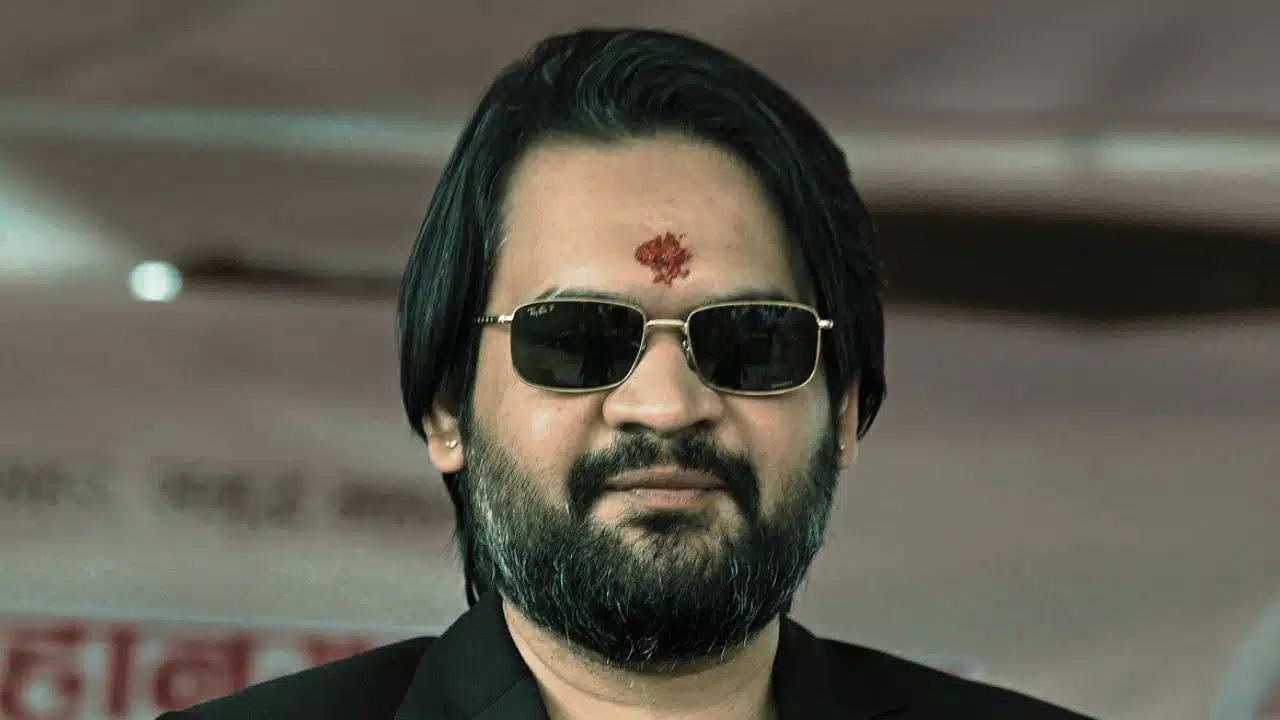
Minutes after Prime Minister K.P. Sharma Oli stepped down amid mounting unrest, Kathmandu Mayor Balendra Shah, widely known as Balen, addressed the protesters who had flooded Nepal’s streets. He acknowledged that the demonstrators, primarily made up of Generation Z students and young professionals, had achieved their initial demand with the resignation of the government. Shah called on them to avoid further violence, stressing that the nation’s public and private property should not become casualties of anger.
Gen Z Uprising and the Scale of Violence
The uprising began as a reaction to the government’s decision to ban 26 social media platforms, including Facebook, Instagram, TikTok, and X, after companies failed to register locally. For many young Nepalis, this was perceived as a direct attack on freedom of expression and a symbol of entrenched corruption.
The protests quickly escalated across the country, turning into one of the largest youth-driven political movements in Nepal’s recent history. Demonstrators marched in school and college uniforms, waved national flags, and carried slogans demanding accountability. Violence soon broke out as protesters clashed with security forces, resulting in the deaths of at least 19 people and leaving hundreds injured. In Kathmandu alone, 18 students lost their lives, marking the capital as the epicenter of the unrest.
Security forces responded with tear gas, rubber bullets, and in some cases live ammunition. Public buildings, government offices, and residences of political leaders were targeted. The presidential residence and Prime Minister’s official compound were breached, looted, and set ablaze, in what analysts described as a historic moment of public defiance against state power.
Shah’s Growing Popularity and Support for the Youth
Balendra Shah has emerged as one of the most influential figures during this crisis. Born in 1990 in Kathmandu, Shah studied civil and structural engineering, completing his master’s degree at Visvesvaraya Technological University in India. Beyond his academic background, he was also a rapper in Nepal’s underground hip-hop scene, where he built a reputation for addressing social injustice, corruption, and inequality through music.
His election as Kathmandu’s mayor in 2022 was a landmark victory, achieved as an independent candidate who defeated seasoned politicians from established parties. Running on a platform of anti-corruption, transparency, and civic reform, Shah secured over 61,000 votes, signaling the public’s desire for change. As mayor, he has pushed for modernization in areas such as waste management, traffic control, and digital governance, making him a credible and relatable leader for the country’s urban youth.
During the Gen Z protests, Shah openly voiced support for the demonstrators. He noted that the movement was a spontaneous and independent expression of young people’s frustration, not orchestrated by political parties or elites. His message emphasized that while he was older than the protesters and could not directly lead their rallies, he stood with their aspirations for a fairer, more accountable Nepal.
Speculation Over Shah as a Possible Successor
With Oli’s resignation and President Ram Chandra Poudel’s departure shortly afterward, Nepal was plunged into a political vacuum. Amid this uncertainty, Shah’s name quickly surfaced as a potential interim prime minister. Protesters and citizens alike have pointed to his clean image, independent stance, and grassroots connection with young people as qualities that set him apart from traditional party leaders.
However, Shah himself has maintained that the movement should remain youth-led, resisting attempts by political actors to co-opt the protests. While he has built significant political capital through his leadership as mayor, he has also expressed caution about stepping into national politics prematurely. Analysts note that even if Shah does not immediately assume higher office, his role during the crisis has cemented him as one of the most influential figures in Nepal’s future political landscape.
Balancing Protest and Stability
Shah’s appeal for restraint after Oli’s resignation highlights his pragmatic approach. He recognized the significance of the protesters’ achievement but warned against the dangers of unchecked violence and property destruction. By framing national assets as collective property, Shah reminded citizens that further damage would harm ordinary Nepalis more than political elites.
This dual message—support for youth aspirations alongside a call for discipline—has reinforced his reputation as both a reformist and a responsible leader. His approach is seen as critical in a country now facing unprecedented instability, with both the head of state and head of government gone and the military struggling to enforce curfews across Kathmandu and other cities.
Profile of a New-Generation Leader
Balendra Shah’s background makes him unique among Nepal’s current leadership class:
-
Education: Civil and structural engineer with advanced training in India.
-
Artistic Career: Former rapper in Nepal’s underground music scene, known for socially conscious lyrics.
-
Political Career: Won the Kathmandu mayoral election in 2022 as an independent, defeating established party candidates.
-
Personal Life: Married to Sabina Kafle and highly active on social media, where he communicates directly with citizens.
-
Public Image: Known for transparency, anti-corruption initiatives, and close alignment with urban youth.
As Nepal grapples with the resignations of both its Prime Minister and President, Balendra Shah’s prominence in national discourse has surged. His call for calm after the protesters achieved their goal demonstrates a maturity that many see as lacking among Nepal’s older political class. While he may not immediately step into national leadership, Shah represents a generational shift in Nepalese politics, embodying the aspirations of a digitally connected, reform-hungry youth.
With the country teetering on the edge of prolonged instability, Shah’s influence—whether as mayor, protest supporter, or future national leader—will shape how Nepal navigates this defining political moment.