

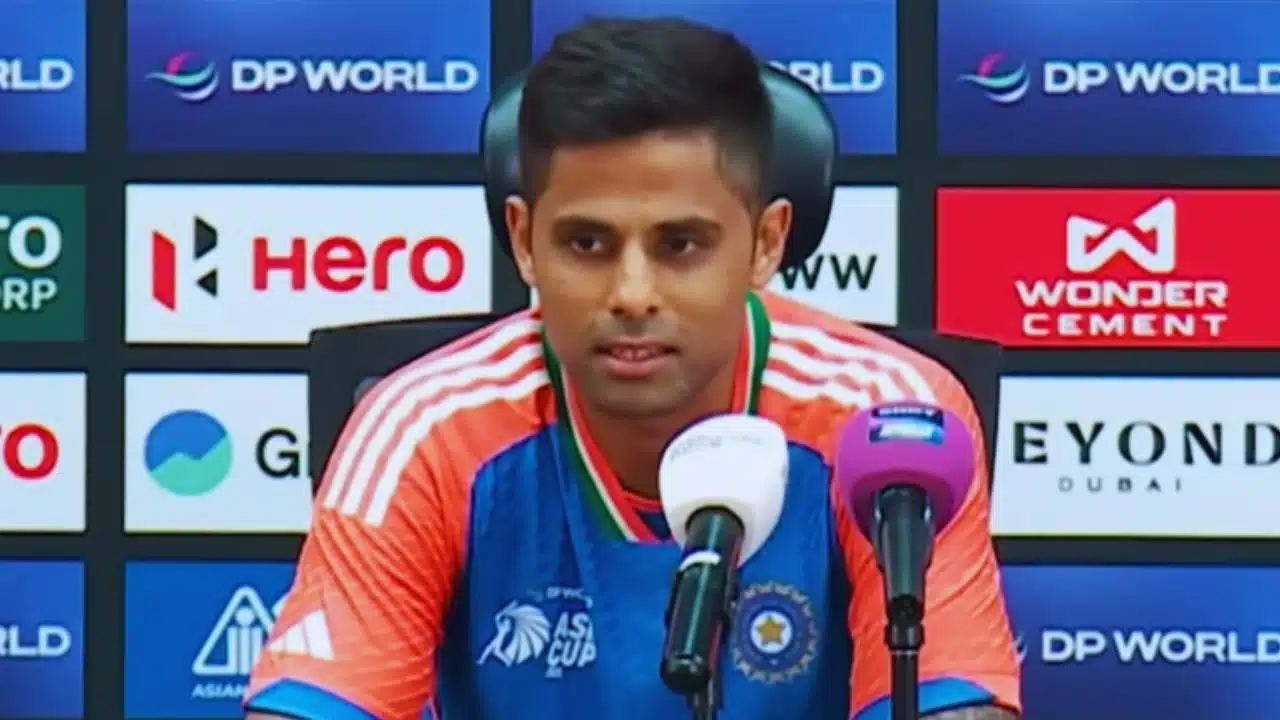
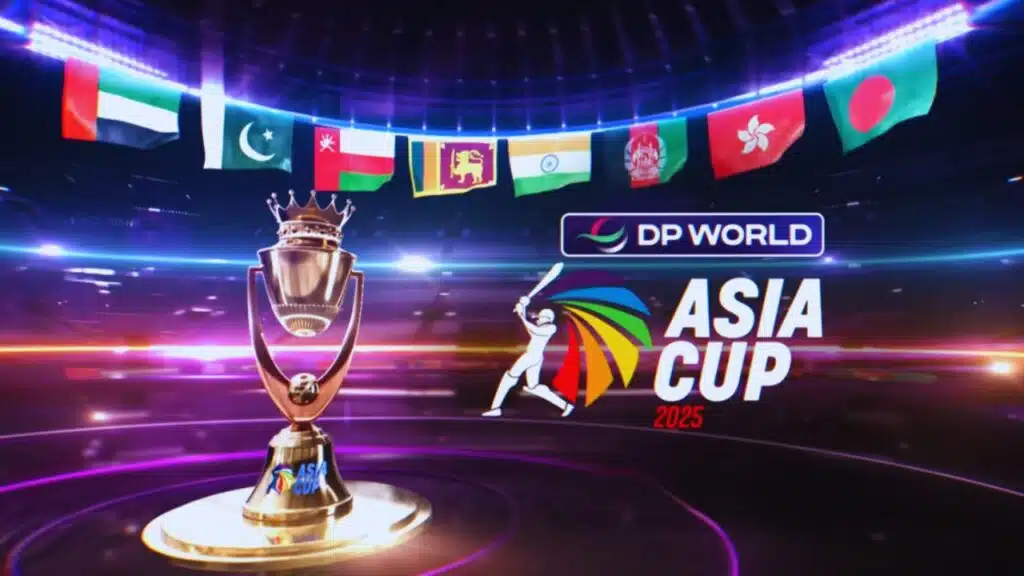
The upcoming Asia Cup 2025 final on September 28 is shaping up to be one of the most politically charged contests in cricket history. Beyond the excitement on the pitch, controversy off the field is dominating the headlines, particularly surrounding India’s stand after the Pahalgam terror attack and its impact on sporting ties with Pakistan.
According to multiple reports, India’s captain Suryakumar Yadav could make an unprecedented gesture by refusing to accept the winner’s trophy from Mohsin Naqvi, the Chief of the Pakistan Cricket Board (PCB) and also President of the Asian Cricket Council (ACC), if India clinches the title. This symbolic act has sparked intense debate across cricket, politics, and public opinion in both nations.
Background: The Pahalgam Terror Attack and Its Aftermath
The spark behind this entire controversy lies in the Pahalgam terror attack, which occurred on April 22, 2025, in Jammu and Kashmir. Armed terrorists targeted tourist convoys, killing 26 civilians, including women and children. The Resistance Front (TRF), a group linked to the banned Lashkar-e-Taiba, claimed responsibility for the attack.
The tragedy shook India, sparking outrage and calls for strong retaliation. The Indian government and civil society condemned Pakistan for allegedly supporting terrorist groups that continue to destabilize the region. Public anger spilled into all areas of life, including sports, where calls intensified to sever cricketing ties with Pakistan.
India’s Symbolic Protest: No Handshakes
The first visible sign of protest came during the Asia Cup 2025 group stage clash between India and Pakistan on September 14.
- India defeated Pakistan convincingly by seven wickets, but the game was overshadowed by a rare break from tradition: no handshakes took place—not at the toss, not after the match.
- Players from both sides walked off the field without the usual exchange of courtesy.
The decision was not spontaneous. According to reports from PTI, Hindustan Times, and Outlook, senior Indian players, coach Gautam Gambhir, and team management had discussed the matter carefully before the match. Their conclusion: a handshake would contradict their solidarity with the families of the Pahalgam victims.
Suryakumar Yadav’s Stand
Captain Suryakumar Yadav set the tone after the win, dedicating the victory to the armed forces and the families of those killed in the terror attack.
He reportedly told a Pakistani journalist that:
- “Some things are bigger than cricket.”
- “This win is for the victims of Pahalgam and for our armed forces.”
- “We came here to play, and we responded in the right way.”
Yadav’s words reflected a deeper sentiment that the Indian team would not compromise on matters of national security and solidarity, even in the context of sports.
PCB’s Anger and Complaints to ACC & ICC
The Pakistan Cricket Board (PCB) reacted furiously to India’s decision to skip handshakes.
- The PCB filed formal complaints with both the Asian Cricket Council (ACC) and the International Cricket Council (ICC).
- They blamed match referee Andy Pycroft, alleging that his instructions contributed to the breakdown of protocol.
- Pakistan’s team manager Naved Cheema also submitted a complaint, claiming that Pycroft had interfered even with the exchange of team sheets before the toss.
The PCB’s frustration is heightened by the fact that Mohsin Naqvi, its own chief, currently serves as the ACC President, while the ICC Chair is Jay Shah of India—a power balance that adds a political undertone to every decision.
Refusing the Trophy?
The controversy escalated further when reports emerged that Suryakumar Yadav would refuse to accept the Asia Cup 2025 trophy from Mohsin Naqvi if India wins the final on September 28.
If true, this would mark an unprecedented act of defiance in cricket history. Presentation ceremonies are usually moments of unity, where sports rise above politics. A refusal at such a global stage would underline the deep fracture in Indo-Pak relations.
Indian cricket board (BCCI) officials have defended the team’s stance, saying:
- Players are not legally bound to shake hands or accept honors from officials if national interest and public sentiment are at stake.
- “No sporting ties until terror activities on Indian soil stop” has long been the BCCI’s unofficial policy, reinforced by coach Gambhir.
Historical Precedents in Sports
The idea of refusing handshakes or symbolic gestures is not new in global sport:
- At Wimbledon 2023, Ukrainian tennis player Elina Svitolina refused to shake hands with Belarus’s Victoria Azarenka due to the Ukraine war. She was not penalized.
- In international football, teams from certain countries have refused to line up together or exchange flags during politically tense moments.
These precedents highlight how global conflicts and politics often seep into the sporting arena, making neutrality difficult.
Mixed Reactions in India
The decision to play Pakistan in the first place has been heavily criticized by sections of Indian media and opposition parties. Critics argue that playing cricket with Pakistan while civilians are being killed by terror groups backed from across the border sends the wrong message.
On the other hand:
- Many praised the team’s silent protest—no handshakes, solidarity with victims, and possible trophy refusal—as a middle path: playing cricket to honor commitments to the ACC and ICC, but not forgetting national grief.
- Social media in India has been split, with hashtags both supporting and opposing the team’s stance trending on X (formerly Twitter).
What Lies Ahead
As the Asia Cup 2025 final approaches, all eyes are not just on the cricketing battle but also on what happens off the field.
- If India wins, the presentation ceremony on September 28 could make global headlines, with Yadav possibly declining the trophy from Naqvi.
- The act would fuel further diplomatic tension, adding to the already strained cricketing relationship.
- With India set to host the 2030 Commonwealth Games and pushing for the 2036 Olympic Games in Ahmedabad, global sports diplomacy will be under sharp focus in the coming years.
Experts believe that while India and Pakistan will continue to face each other in multi-nation tournaments like the Asia Cup, World Cup, or ICC events, the chances of bilateral cricket resuming between the two nations remain slim for the foreseeable future.
The Asia Cup is usually a celebration of Asian cricketing talent, but this year it has become a stage for political symbolism. The tragic Pahalgam attack and its aftermath have made it impossible to separate cricket from politics.
Whether Suryakumar Yadav follows through with his reported decision to refuse the trophy from Mohsin Naqvi remains to be seen. But one thing is certain: whatever happens on September 28, the Asia Cup 2025 will be remembered not just for cricketing performances but also for the larger message about sports, politics, and national solidarity.
the Information is collected from India Today and The Economic Times.































