Have you ever bought a digital image, only to watch its value drop like a stone? Maybe you feel completely lost about what happens to your digital assets or crypto art now. You might be questioning are NFTs dead. I completely understand that feeling. Recent reports show that most NFT collections sit quietly with no trades at all, but there is a surprising twist. Digital ownership keeps changing shape year by year, and it is more useful today than ever before.
I am going to show you why NFTs did not vanish and how they still matter in 2026. You will see fresh market insights, smart uses for NFTs today, and my favorite tips to spot real value. So grab a cup of coffee, and let’s go through it together!
What Are NFTs?
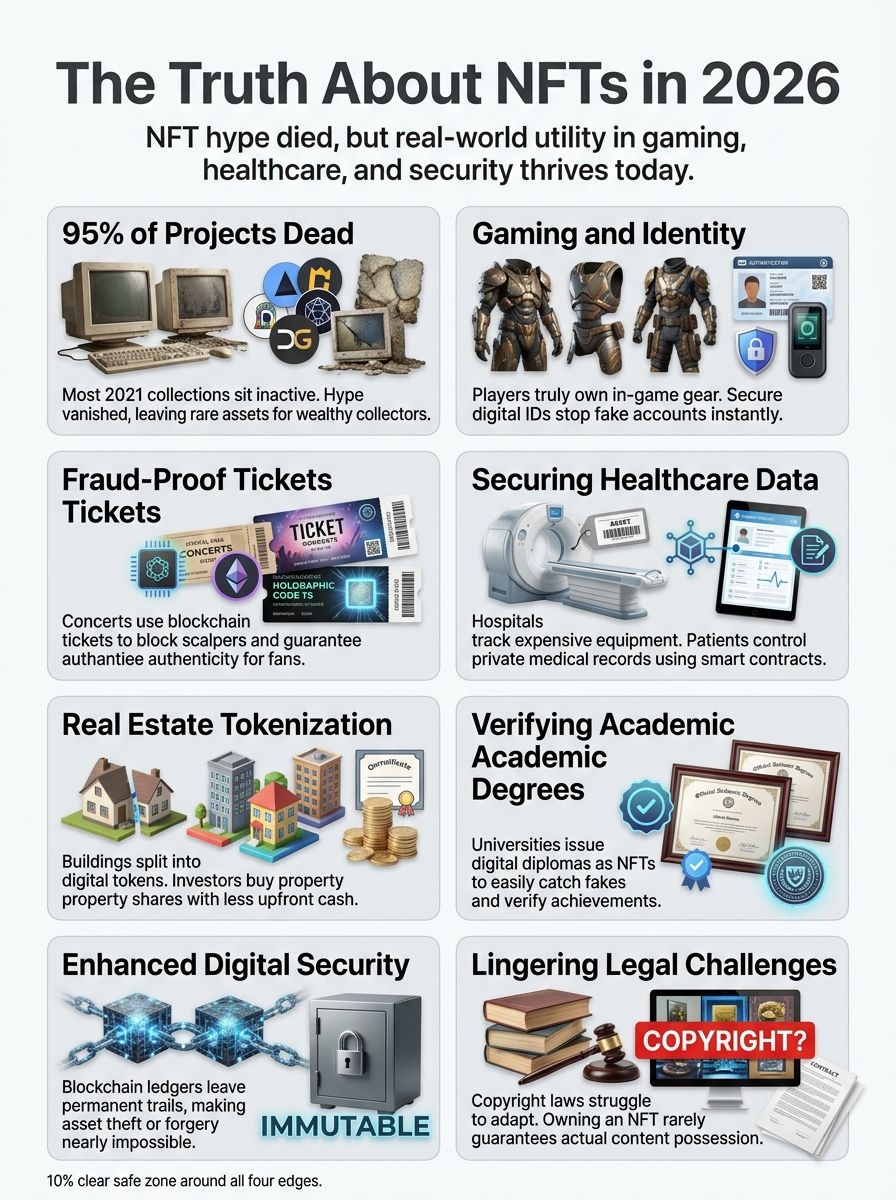
NFTs flip digital ownership on its head, completely shaking up how we buy and trade things online. They use blockchain tech to track who owns each item, making the proof as clear as day.
Definition of Non-Fungible Tokens
A Non-Fungible Token, or NFT, is a special digital asset on the blockchain. Each one proves ownership of something digital, like art or music files. No two NFTs are exactly alike. They each have a unique code and history written on the blockchain.
Most NFTs still use Ethereum’s network, which handles nearly 62% of all global transactions. Cheaper alternatives like Solana are gaining ground, too. By 2026, Solana natively processes up to 65,000 transactions per second for fractions of a penny.
People can buy, trade, and sell these tokens much like physical trading cards. Once you own an NFT, your name sits forever on a public ledger for that item. This record cannot be copied or changed by anyone else.
How They Work in Digital Ownership
NFTs use blockchain technology to track digital assets accurately. Each NFT sits on a blockchain, which acts like an open notebook that everyone can see but nobody can erase. Smart contracts set the rules for every single NFT. These contracts, often using the ERC-721 token standard, show exactly who owns what and what they can do with it.
Buying an NFT means your digital signature gets written next to that asset. It is almost like signing a painting at a school fair, but highly secure. Ownership shifts from person to person with each recorded sale.
This helps prove something is real and one-of-a-kind, even if it lives only on a screen. As Katy Perry once said about her own music NFT drop in 2022:
Being able to connect directly with fans through new forms of digital ownership feels powerful.
The Rise and Fall of NFTs
NFTs caught fire fast, but then lost steam just as quickly. Wild swings in price left people scratching their heads and watching their portfolios shrink.

The 2021, 2022 Hype Bubble
People rushed to buy digital art and collectibles in 2021. Trading volume for NFTs soared past $17 billion as celebrities like Snoop Dogg joined the excitement. Brands such as Adidas also jumped in, pushing prices even higher.
Buyers hoped to get rich quickly, and social media buzzed with stories of million-dollar sales. Kids and adults alike dreamed about sudden wealth from blockchain technology.
By early 2022, many items were sold at record prices. Sadly, few buyers understood what gave these digital assets real value or long-term meaning.
Market Crash and Decrease in Value
NFTs saw a wild ride during those early years, but the good times simply did not last. Here is how the bubble burst, leaving many wondering what happened:
| Event | Details | Impact |
|---|---|---|
| 2021, 2022 Boom | Record-breaking sales rocketed CryptoPunks and Bored Apes to headlines. Total NFT sales hit $17 billion in 2021. | FOMO spread rapidly. Celebrities, brands, and mainstream media jumped in. |
| Speculation Frenzy | A “get rich quick” fever gripped the public. Flippers flooded OpenSea to cash out fast. | Volatility skyrocketed, and many assets became dangerously overvalued. |
| 2022, 2023 Crash | Crypto markets tumbled. Ethereum fell sharply, and NFT transaction volumes dropped almost 95% from their peak. | Millions lost money. Popular projects like Azuki and Moonbirds lost over 85% of their value. Scams soured trust. |
| Current State | In 2026, 80% of old collections on OpenSea are inactive. Market revenue stabilized around $600 million annually. | Hype vanished. Value shifted entirely from wild speculation to practical, everyday use cases. |
The old hype faded, but new uses for NFTs are emerging fast. They are reshaping what digital assets can do next.
Are NFTs Really Dead?
Many critics say NFTs fizzled out completely, but that is only part of the story. Markets shift fast, and what is truly going on under the hood might surprise you.
Statistics on Inactive Collections
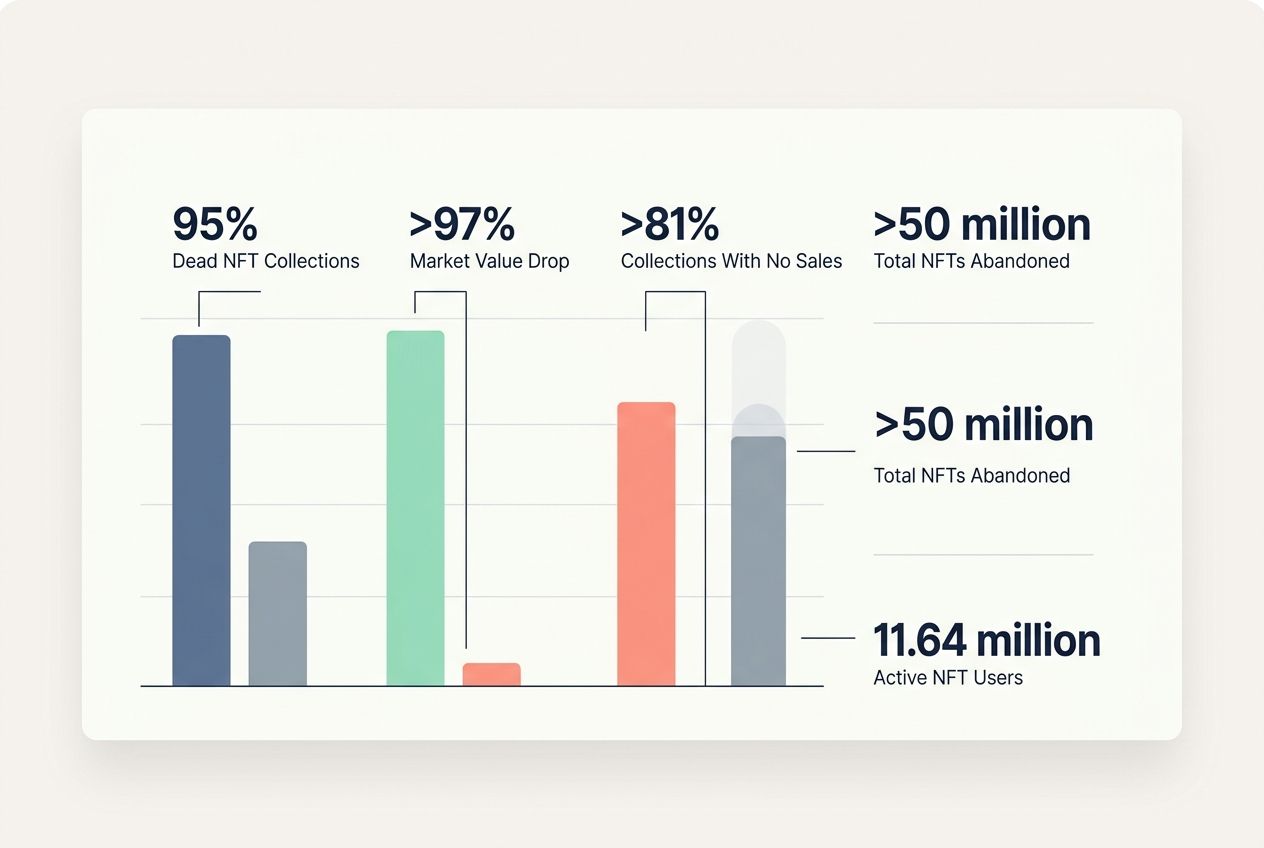
Hundreds of early NFT projects have faded away, leaving buyers holding digital ghosts. The numbers paint a bleak picture for those still clinging to the old dream.
| Statistic | Figure | Details |
|---|---|---|
| Dead NFT Collections | 95% | More than 23,000 projects launched since 2021 now see zero trading activity (Source: DeadNFTs Report, 2025). |
| Market Value Drop | Over 97% | Projects like Bored Ape Yacht Club dropped from peak values of over $400,000 in 2022 to under $10,000 in 2026. |
| Collections With No Sales | Over 81% | The bulk of early NFT collections have not seen a single transaction in the past year. |
| Total NFTs Abandoned | Over 50 million | These older assets sit untouched in wallets or on defunct platforms today. |
| Active NFT Users | 11.64 million | While the hype died, actual global users stabilized at 11.64 million in 2025, showing slow but real adoption. |
Insights from the Current Market
The market looks completely different today than it did during the peak. Here is what is actually happening right now:
- Trading Volume Cooled: Annualized NFT trading volume for 2025 sat around $5.5 billion, a massive drop from the peak, but still a multi-billion-dollar industry.
- The US Dominates: Buyers in the United States make up 41% of global NFT purchases in 2025.
- Average Prices Dropped: The average NFT sale price stabilized around $940, indicating much more mature and careful buying behavior.
- Utility Over Art: Platforms focus less on hype and more on safe digital ownership using secure blockchain technology.
Speculation cooled off fast. Only a few niches stay busy, while most old projects gather dust like forgotten toys in an attic drawer.
The Shift in NFT Utility
NFTs now power completely new things beyond simple art. Some spark joy in gaming, while others mark your digital ID or grant access to real events.
Transition from Art to Functional Assets
People once traded NFTs mostly for art and flashy profile pictures. Now, digital assets do much more than sit pretty. Gamers buy NFT items they actually use in online worlds.
Major brands are leading this charge. Nike launched its.SWOOSH platform, where NFTs represent virtual sneakers that users can co-create or redeem for real shoes. This program reported a massive 40% retention boost among customers.
Starbucks also transformed loyalty with its Odyssey program. Customers earn “Journey Stamps” as Polygon-based NFTs that unlock virtual barista classes and trips to coffee farms. These changes push NFTs past hype and speculation. They offer real-life functions that touch gaming, retail, and daily life.
Use in Gaming, Digital Identity, and Ticketing
Moving far beyond art, NFTs started to play bigger roles in our daily routines. Digital assets now shape how gamers, users, and fans control access and identity.
- Players use NFTs in games to own digital collectibles or gear. Gaming NFTs accounted for 38% of total transaction volume in 2025.
- Game developers use smart contracts to set special rules for trading virtual items securely.
- Digital identity gets a boost from NFT tech, too. Individuals store personal data and credentials as secure tokens.
- Event ticketing uses NFTs for authenticity checks and fraud prevention now in 2026.
- Ticketmaster minted over 5 million NFTs on the Flow blockchain to give fans special presale access and VIP rewards.
- Bands like Avenged Sevenfold use token-gated ticket sales to reward their true fans with prime seats.
- Concerts and sports matches give out NFT tickets that cannot be lost or copied.
- Security upgrades protect ticket holders from scams while keeping a clear record of every transfer.
These uses help push NFTs into useful parts of everyday digital life for many groups worldwide.
Key Market Trends in 2026
NFT markets now move quietly, with a few big players calling the shots. Platforms change their rules fast, chasing fresh ways to stay ahead of the pack.
Wealthy Collectors Driving Niche Markets
Big money still shapes digital assets in 2026. Billionaires and famous art buyers scoop up rare collectibles, driving prices in small markets sky-high.
Even after most NFT trading dropped by more than 70 percent since 2022, a few rare “CryptoPunks” still sold for over $500,000 this year. Collectors chase new value in sports moments, virtual lands, and luxury memberships.
Everyone else watches as they set trends that others try to copy. Some call it collecting, while others call it showing off their power with crypto art on virtual walls.
Platforms Evolving Beyond Speculation
NFT platforms in 2026 do much more than just offer digital collectibles for trading. Most buyers these days want real value, not a quick flip.
- OpenSea’s Dominance: OpenSea remains the top marketplace, handling roughly 90% of all NFT trading volume with over 2.4 million monthly active users.
- Sports Moments: NBA Top Shot lets fans own video moments and use them as passes at basketball events.
- Digital Badges: POAP gives out digital badges for attending live or online gatherings, proving you were actually there.
- Music Rights: In China, ByteDance offers NFT-based music rights on its Douyin app to help young artists earn income beyond record sales.
These upgrades boost trust and show the shift from wild speculation toward useful perks powered by blockchain technology.
Advantages of NFTs in 2026
NFTs help keep digital assets safe and make it much harder to fake. With new tools, people can track the full history of their online items with ease.
Improved Security in Digital Ownership
Blockchain locks each digital asset with a permanent, unbreakable record. No third party can sneak in and change this data, not even by accident.
In 2026, collectors use smart contracts to set clear rules on buying, selling, or gifting these assets. Tampering gets stopped at the door because every move leaves a visible trail. Hackers face a steep hill trying to break into wallets or fake ownership. A quick scan of the chain shows exactly who holds what and how they got it. No guessing is needed.
Authenticity and Traceability of Assets
Digital assets need to be real and easy to trace. NFTs on a blockchain provide rock-solid proof of ownership. Each token has a clear history, from the very first owner to the current one. You can see every single sale or trade in plain sight. Art, gaming items, and even concert tickets now use this tech constantly.
Over 80% of creators now use royalty-enforcing smart contracts to ensure they get paid fairly for every secondary sale.
This level of protection keeps everything open and public, making fraud incredibly tough in 2026.
Challenges Facing NFTs Today
Legal rules still struggle to keep pace with this tech. Old debates also linger about the planet and fair play, making folks think twice before jumping in.
Unenforceability of Content Ownership
NFTs promise digital ownership, but these claims hit a wall fast. Owning an NFT does not mean you automatically own the actual art, video, or music file.
Copyright laws still rule the playground. Anyone can screenshot or copy your prized collectible in seconds. Platforms say that owning an NFT means having proof on a blockchain. In reality, this is often little more than bragging rights for the image itself.
Disputes pop up often since smart contracts cannot stop unauthorized sharing or use of content. Even big names like Beeple saw their work copied and passed around without control. NFTs give digital assets a coat of paint but do not completely safeguard true possession over what you bought.
Environmental and Ethical Concerns
Crypto mining for NFTs used to burn a massive amount of electricity. One NFT sale in 2021 could use as much power as a fridge does in seven years, which worried many experts.
People are stressed about the huge carbon footprints from all this activity using blockchain technology. However, the industry made a massive change to fix this problem.
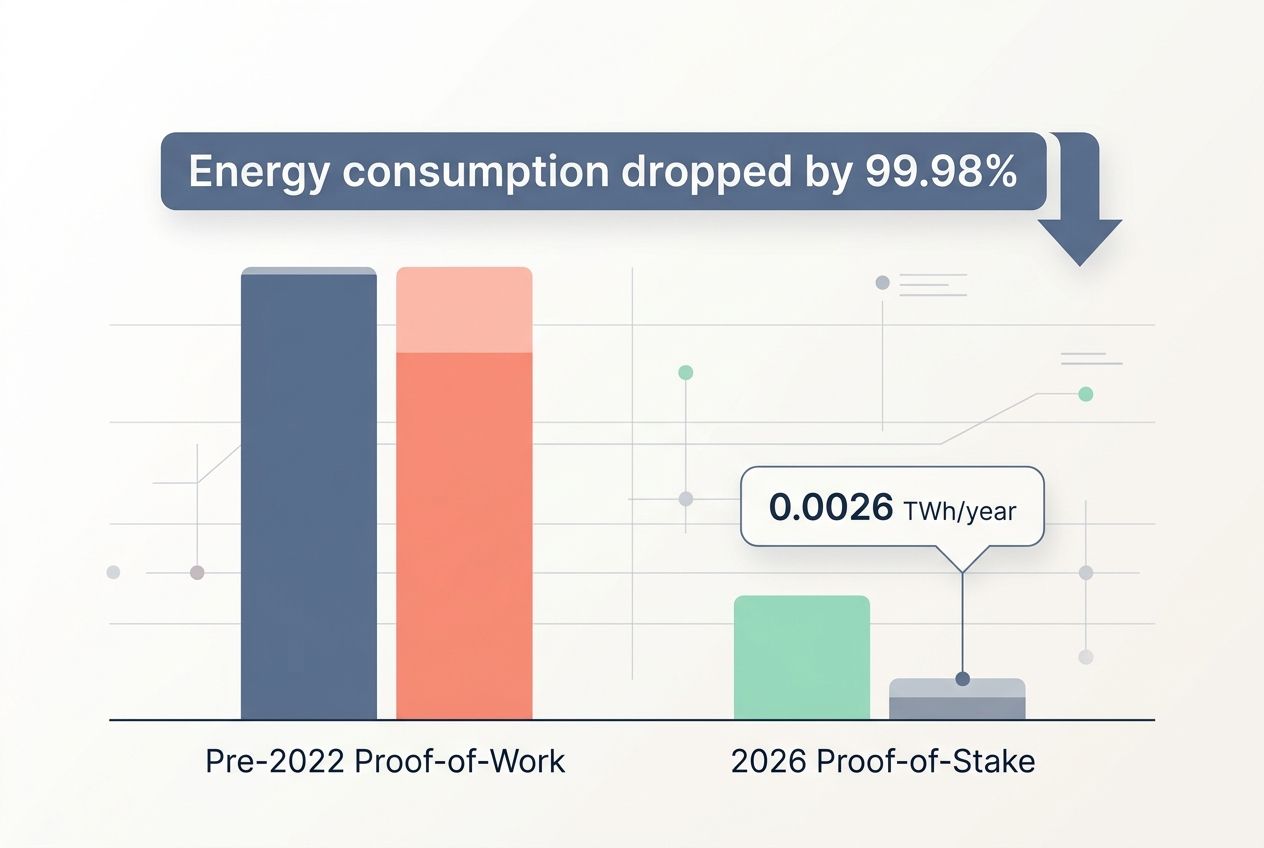
| The Problem (Pre-2022) | The Solution (The Merge) | The 2026 Reality |
|---|---|---|
| Ethereum’s old Proof-of-Work system used gigawatts of power, acting like a small country. | Ethereum transitioned to a Proof-of-Stake model in late 2022, eliminating energy-intensive mining. | Energy consumption dropped by 99.98%. Ethereum now uses just 0.0026 TWh/year, completely erasing the old carbon footprint concerns. |
Fake art selling and money laundering remain real headaches, though. In 2026, markets push for better checks on trading volume to lower harm without stopping progress.
Examples of NFT Innovation in 2026
Fresh uses for NFTs crop up each day, making yesterday’s ideas look old. You might see things now that seemed like science fiction just a few years ago.
Healthcare Applications
Hospitals use NFTs to track medical equipment and secure sensitive patient files. Doctors can store patient records on the blockchain, keeping data safe from hacks and human mistakes.
For example, the Mayo Clinic relies on blockchain to ensure its massive datasets are shared safely without compromising patient anonymity. By using Decentralized Identity systems, patients hold their own identity keys.
Patients keep complete control over who sees their private details using these blockchain verification tools. No more paper forms passed hand-to-hand at every visit. In 2026, millions of people worldwide will use healthcare services powered by blockchain technology for better security and trust.
Academic and Research Validation
Just like digital tools change healthcare, they push schools and research forward, too. Universities use blockchain and smart contracts to keep track of academic records securely.
- Fake Diplomas Stopped: NFTs help prove exactly who owns which degree, catching fraud instantly.
- Research Protection: Researchers share their work as digital assets in NFT form to protect against copying without credit.
- Fast Verification: Schools trust the immutable records on the blockchain for fast checking of achievements.
Accurate data builds value over time for both learners and experts, making hiding mistakes much harder than before.
Real Estate and Asset Tokenization
Real estate is changing fast with blockchain. Now, a building or land can be split into small pieces called tokens. This lets more people invest in real estate without needing lots of cash.
The tokenized real-world asset market has exploded. Companies like RealT allow investors to own shares of US rental properties starting at just $50, earning passive rental income automatically via smart contracts.
Platform providers like Zoniqx help digitize commercial skyscrapers and residential portfolios safely and legally. With asset tokenization, trade happens quicker, and costs drop since there are fewer middlemen.
Smart contracts make ownership perfectly clear and track all deals on the blockchain for better security. Tokenized assets now include art collections, music rights, cars, and even gold bars.
The Future of NFTs
Tomorrow’s NFTs could change how we share, trade, and prove digital ownership forever. Fresh use cases keep popping up, so curious minds have plenty more to explore.
Potential Use Cases in Healthcare and Education
NFTs bring many fresh options in healthcare and education, adding new layers of proof, safety, and speed into daily systems.
- Hospitals use NFTs to keep patient records safe, ensuring no one changes them without permission.
- Drug companies track medicine from the lab to the pharmacy using NFT tags to stop fake drugs.
- Doctors own their certificates as digital tokens on a blockchain, making verification instant.
- Researchers link their published studies to NFTs for proof of originality and specific time stamps.
- Students get their diplomas as NFT awards, making it simple for future jobs to verify them.
- Education grants stored as NFTs track how scholarship money is spent, showing direct impact without loopholes.
These tools give more security, easy tracking, and absolute trust for digital assets.
Long-Term Viability of Blockchain Applications
Digital assets built on blockchain keep growing, even after the initial NFT market crashed. Big companies like Coca-Cola and Nike use smart contracts for digital collectibles that prove absolute ownership. Health records, house deeds, and college diplomas now get stored with blockchain to cut fraud and costly errors. In 2026, over half of new online games let players trade gear as blockchain-based items.
Traders face fewer scams because blockchains make transfers completely public and incredibly hard to fake. Art markets rely much less on hype now and focus more on lasting value or clear proof of origin. Blockchain tech still faces issues, such as slow speeds or high costs at times, but it keeps finding new uses across many vital fields.
Final Thoughts
NFTs have changed a massive amount since their big moment in 2021. Their initial speculative value dropped, but new uses in gaming, health, and real estate show that incredible growth is still possible. Today’s practical tips help you keep things simple and focus on what truly matters.
Safe ownership and easy use of digital assets are the real winners here. Have you ever thought about how your own creations or records could live safely on the blockchain? These trends can make digital rights safer for absolutely everyone who wants to claim something as theirs online.
Explore reliable news sites, join forward-thinking NFT groups, or try minting a functional asset yourself. The exciting future of digital ownership could be just a click away!