This year has marked the start of the golden age of artificial intelligence (AI). We’ve seen how it has transitioned from a buzzword to an essential tool for small businesses worldwide. Once reserved for tech giants with deep pockets, AI is now democratizing access to advanced capabilities, enabling entrepreneurs to compete on a global scale. According to a McKinsey report, more companies are integrating AI across functions like marketing and operations, unlocking unprecedented productivity.
With 82% of small businesses viewing AI adoption as crucial for competitiveness, as per a PayPal survey, the technology is reshaping how owners operate, innovate, and grow.
Enhancing Customer Service and Engagement
One of the most immediate impacts of AI on small businesses is in customer service. AI-powered chatbots and virtual assistants handle inquiries 24/7, reducing response times and freeing up staff for complex tasks. For instance, the SBA notes that website chatbots can answer questions, route calls, or process simple requests like scheduling appointments.
A florist in Atlanta reported a 35% increase in online bookings after implementing AI chatbots for personalized interactions.
This personalization—remembering customer preferences and recommending products—builds loyalty without needing a large support staff. In emerging markets, AI translation tools help local artisans sell globally, bridging language barriers.
Overall, 95% of small and medium-sized businesses (SMBs) using AI for customer service report better response quality and faster turnaround times.
Optimizing Marketing and Personalization
AI is transforming marketing by enabling hyper-targeted campaigns that were once out of reach for small budgets. Tools analyze customer data to generate content, predict prospects, and personalize emails, leading to higher engagement. A local fitness studio, for example, boosted email open rates from 18% to 32% and conversion rates by 25% using AI-driven personalization.
The SBA emphasizes AI’s role in creating social media posts based on trends or optimizing ads for better reach. Similarly, small businesses use tools like an AI logo maker to design professional branding assets instantly, ensuring consistent visuals across their campaigns.
Over 90% of companies globally leverage AI for marketing automation, with tools like Jasper.ai and Rytr streamlining content creation. This not only reduces costs but also allows small businesses to compete with giants, as AI identifies trends and optimizes strategies in real time.
Streamlining Operations and Automation
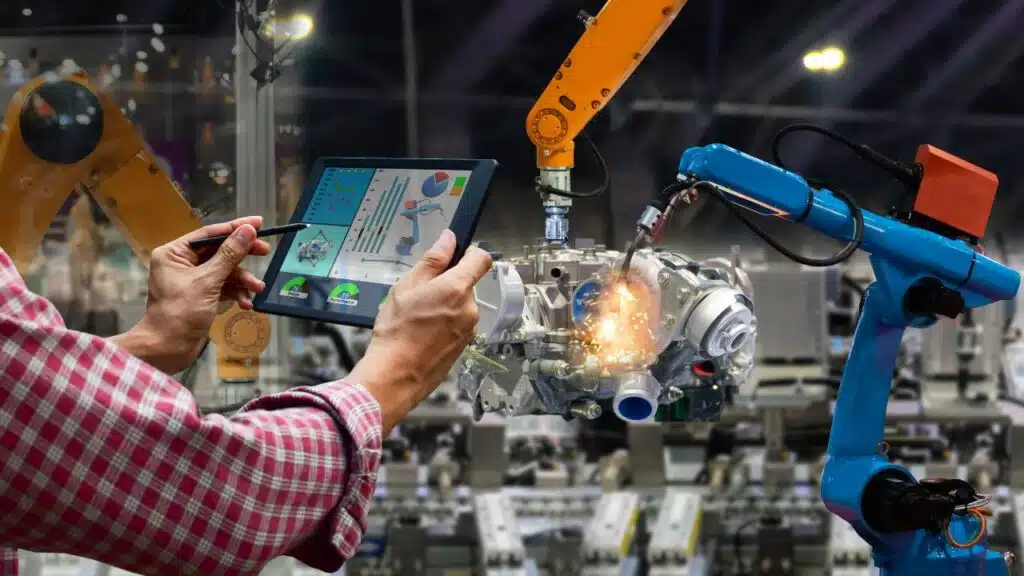
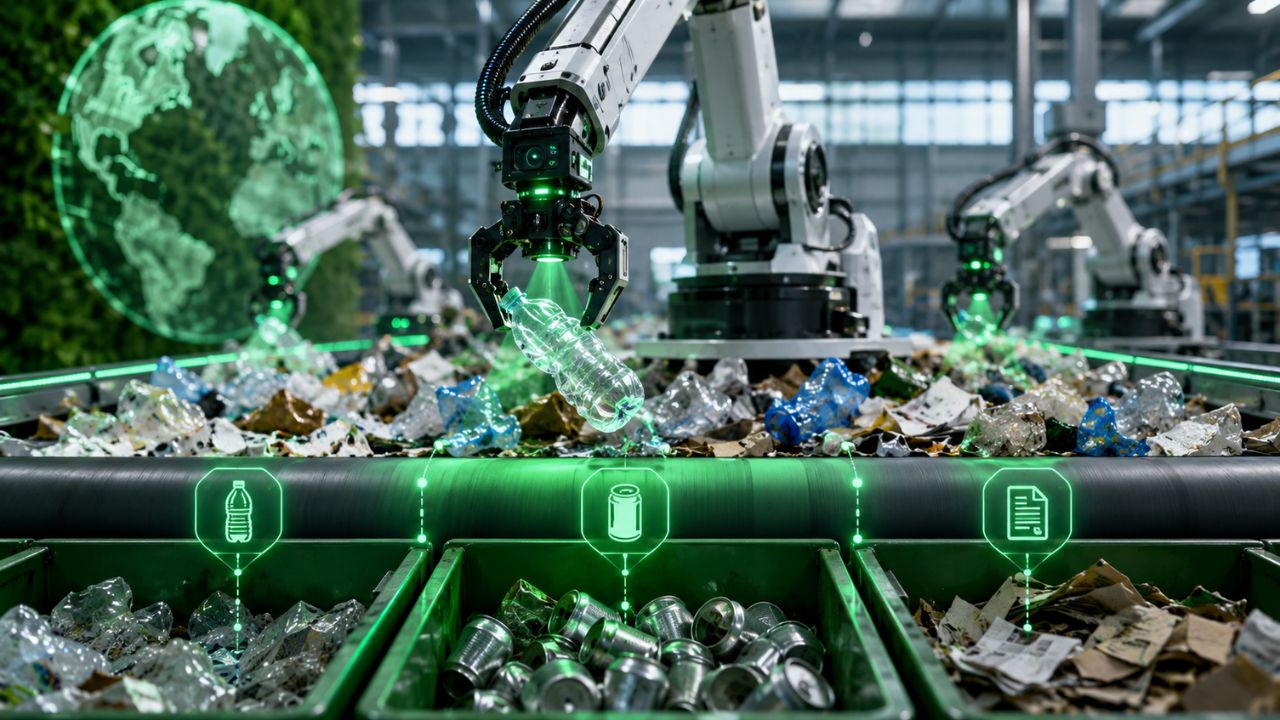
Operational efficiency is where AI shines brightest for resource-strapped businesses. Automation handles repetitive tasks like inventory management, scheduling, and expense tracking, saving significant time. A boutique retailer in Chicago cut excess stock by 28% and stockouts by 15% with AI forecasting.
According to a TIME article, AI takes over scheduling, inventory, and bookkeeping, potentially increasing productivity by up to 40%.
A small accounting firm reduced paperwork by 62%, enabling client expansion without hiring.
In 2025, 52% of small businesses use AI to cut administrative work by nearly six hours weekly, redirecting efforts to growth.
Tools like QuickBooks with AI handle invoicing and forecasting, making operations scalable.
Data-Driven Decisions and Financial Management
AI empowers small businesses with insights from data analytics, forecasting cash flow, and identifying savings. A restaurant in Dallas secured financing through AI predictions, avoiding crises.
PwC predicts AI will enable independent reasoning for complex tasks like financial planning.
A U.S. Chamber report shows AI users see 12% more profit potential by automating tasks and predicting needs.
This data-driven approach helps in ethical decision-making, such as transparent AI use and data protection.
Challenges and the Path Forward
Despite benefits, adoption isn’t seamless. Small businesses face barriers like training needs and ethical concerns,as over-reliance or data privacy issues persist. However, starting small—integrating one tool at a time—mitigates risks. The World Economic Forum stresses AI’s potential for inclusion and resilience in the digital economy.
In conclusion, AI in 2025 is a game-changer for small businesses, boosting efficiency, innovation, and competitiveness. As 68% of SMBs embrace it and plan new roles, those who adapt will thrive.