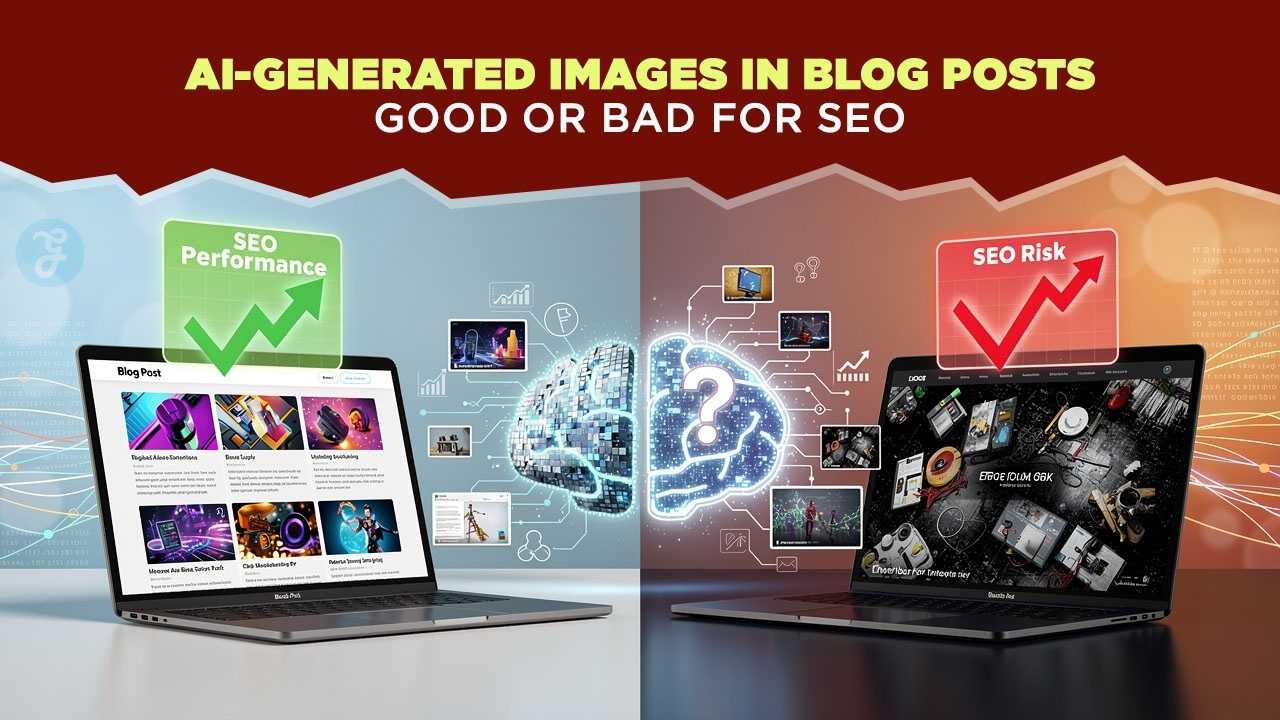
You spend hours writing a great blog post, but you get stuck on which image to use. Stock photos often look stiff, and taking your own pictures can take all afternoon. You start wondering if AI tools could be the shortcut you need. Here is an interesting fact: More sites now use computer-created visuals in their blogs, hoping for better results from search engines. But this brings up a big question. What is the true AI Generated Images SEO Impact?
In this post, I will walk you through exactly how these images affect your rankings. You will learn the specific steps to keep your content high-quality while saving time. Curious what works best for your blog? I will show you.
What Are AI-Generated Images?
AI uses smart codes to make new pictures from words or ideas you type in. These digital images can be bright, odd, or spot-on for what your blog needs.
How AI Generates Images
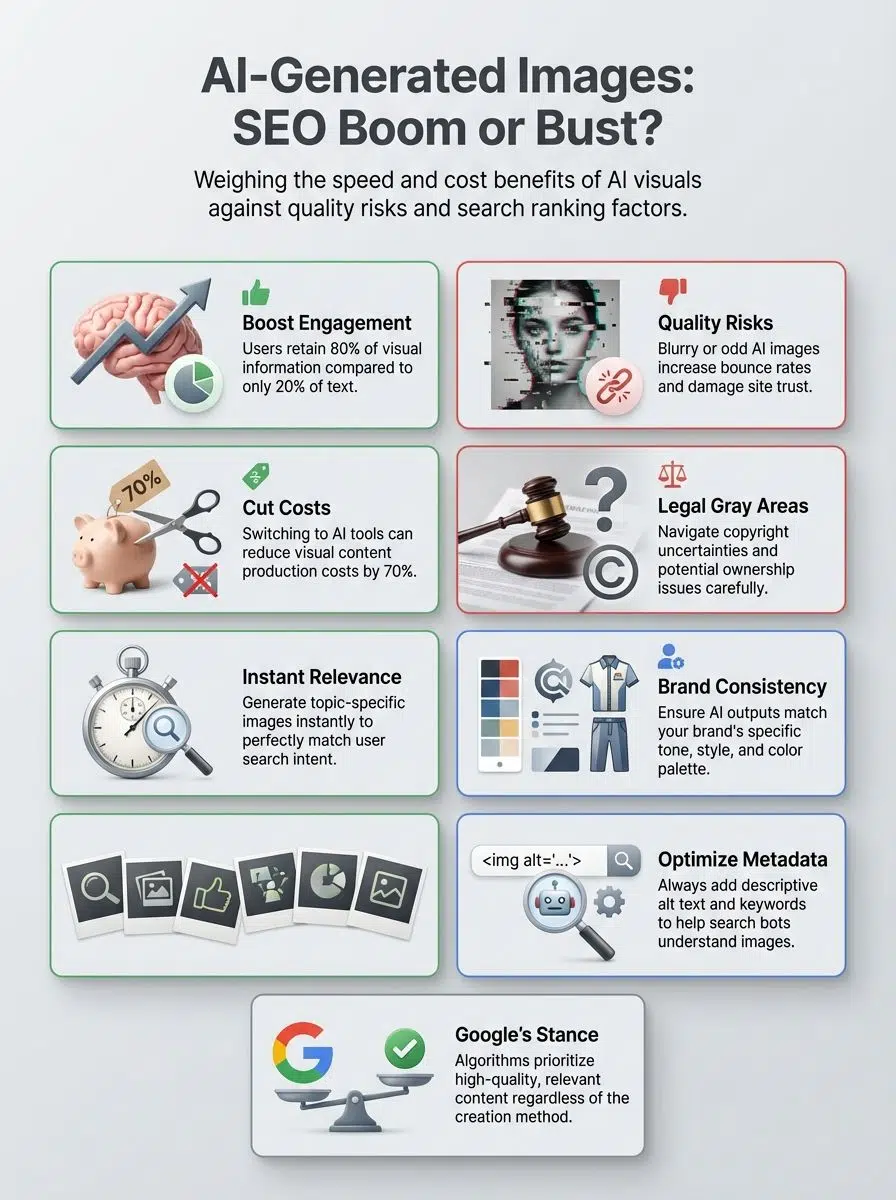
Computers create images using smart algorithms. These systems study millions of photos, art styles, and shapes found online to learn what things look like.
Think of it like a puzzle master memorizing thousands of picture pieces. With this knowledge, the AI tool follows your instructions, called prompts.
You might type “a red barn in winter,” and the computer mixes colors, textures, and objects to match your request. Modern image generators use huge data sets from websites and museums to train their models.
The AI learns patterns fast and delivers results with surprising detail. Some tools even fix errors right away if you ask for changes, helping you improve user experience in your blog posts.
Common Tools for AI Image Creation
Many bloggers now use AI tools to speed up their workflow. Here are the specific tools ruling the market in 2026:
- DALL-E 3: This tool from OpenAI is built directly into ChatGPT. Its superpower is understanding complex instructions and rendering readable text, like a sign on a store, which older models could not do.
- Midjourney: Widely considered the best for artistic and cinematic quality. While it runs on Discord and has a steeper learning curve, it produces the most photorealistic results for high-end blog visuals.
- Adobe Firefly: Excellent for designers who need to integrate AI into their existing workflow. It is trained on Adobe Stock images, making it “commercially safe” for businesses worried about copyright issues.
- Canva’s Magic Media: Perfect for beginners. It lets you generate an image and immediately drop it into a blog graphic or social media template without switching tabs.
- Stable Diffusion: An open-source model that you can run on your own computer. It offers the most control for tech-savvy users who want to fine-tune every pixel without paying a monthly subscription.
The Role of Visual Content in SEO
Strong pictures catch the reader’s eye and hold their interest. Search engines notice this behavior, which can boost your spot in search results.
Importance of Visuals for User Engagement
Bright, sharp images attract more attention than plain text. Readers stay longer on pages that break up long articles with relevant photos.
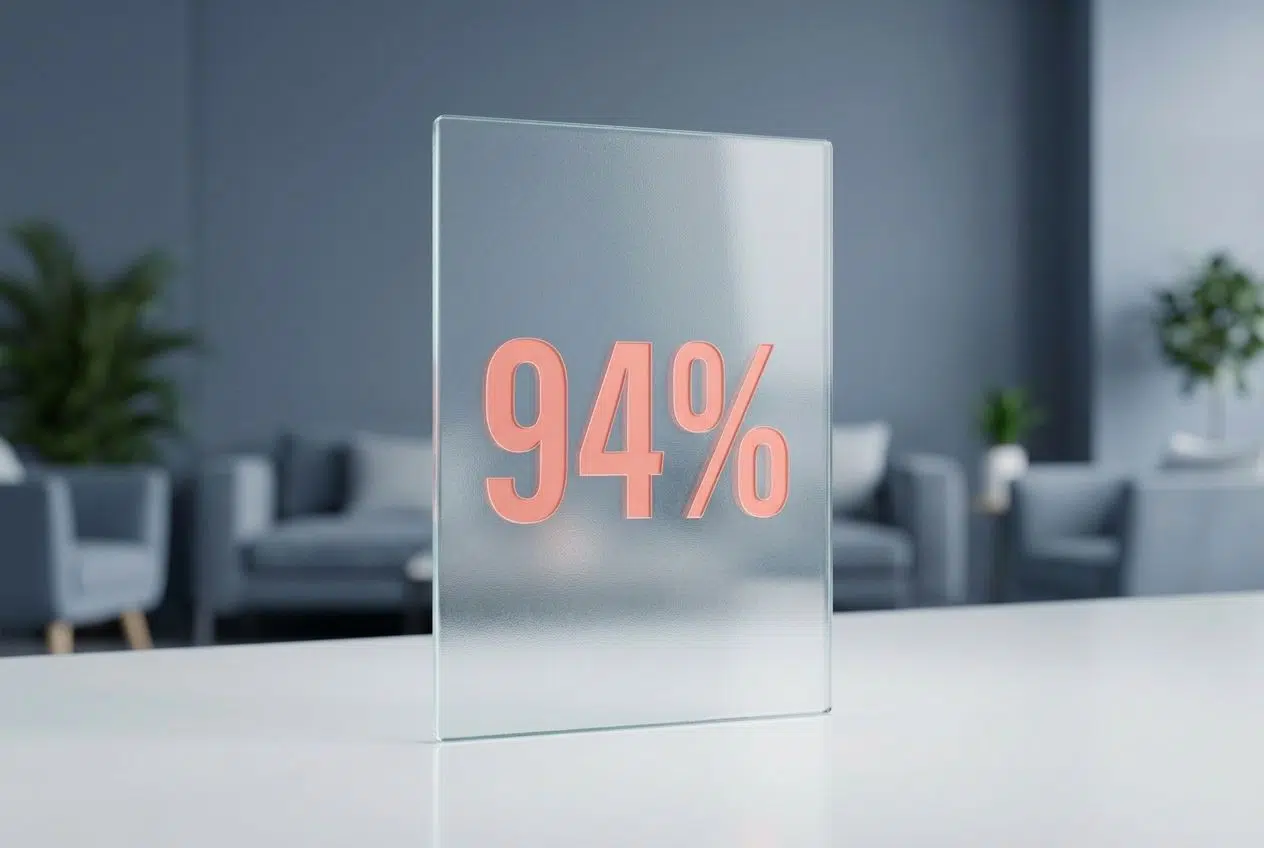
“Content with relevant images gets 94% more views than content without.” – Jeff Bullas
That is a massive difference. Eye-catching visuals keep visitors scrolling, tapping, and sharing content.
Good visual content increases user intent signals for search engine optimization. When people spend more time on your page, it tells algorithms your site offers valuable information.
How Images Impact Search Rankings
Search bots use image alt text, file names, and captions to understand what an image shows. This text helps Google index your content for image search, opening a new traffic channel.
Performance matters too. Large or slow-loading files make pages sluggish, which hurts your rank. Google uses Core Web Vitals to measure this, specifically looking at “Largest Contentful Paint” (LCP).
If your AI image is 5MB, your page will load slowly, and users will bounce. Using strong visual content with proper compression supports better online visibility and digital marketing success.
Benefits of AI-Generated Images for SEO
You can grab attention fast with clever visuals made by AI, making your blog stand out. These fresh images give your posts a boost in style and value.
Cost and Time Efficiency
Bloggers save hours using creative AI tools. Instead of searching stock libraries for the “perfect” shot, you can create it.
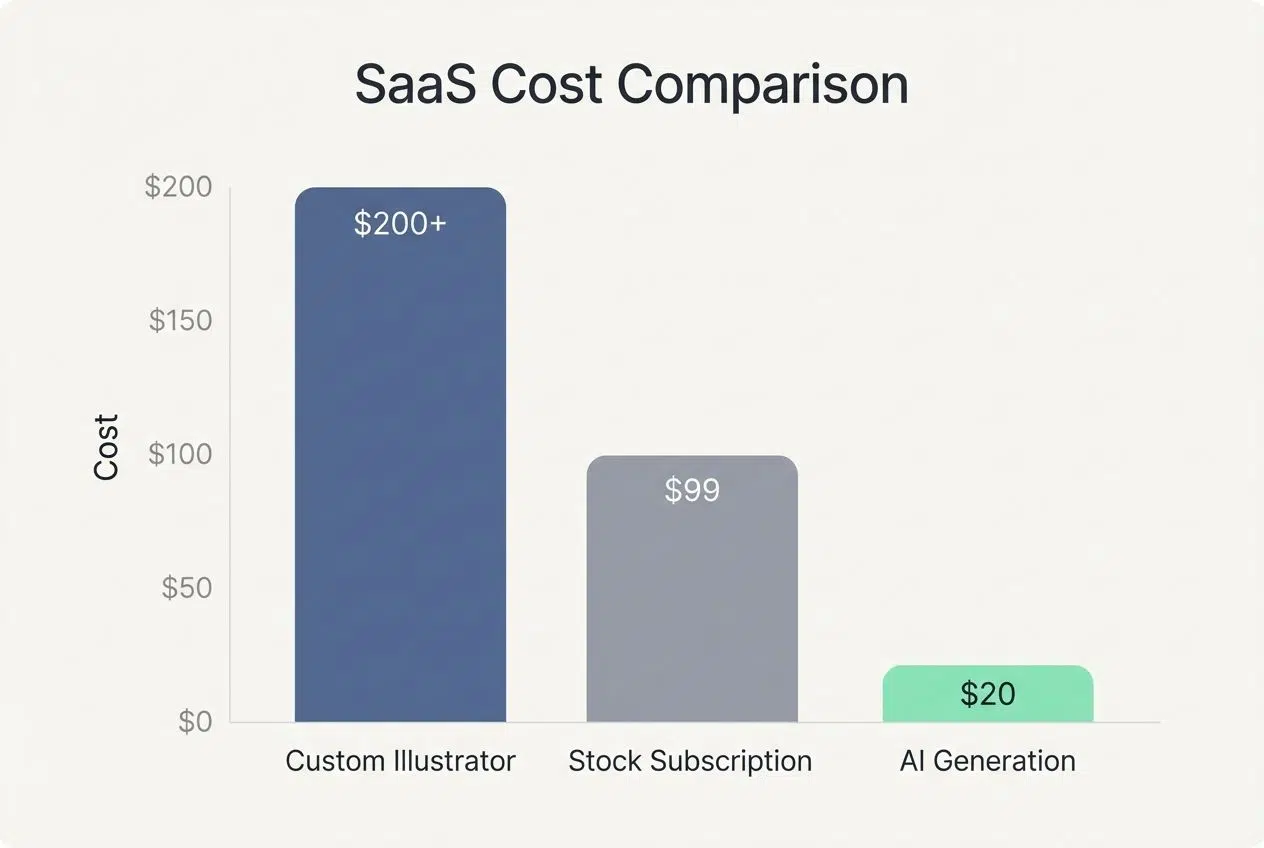
| Method | Estimated Cost | Time Required |
|---|---|---|
| Stock Photo Subscription | $29-$99/month | Hours of searching |
| Custom Illustrator | $200+ per image | Days or weeks |
| AI Generation (e.g., DALL-E) | $20/month | Minutes |
Fast production means more frequent blog updates without burning out your team. This speed helps keep audience retention high while supporting your content strategy.
Enhanced Topical Relevance
AI images help match pictures to your blog’s topic exactly. If you write about “cybersecurity for dog walkers,” you won’t find that stock photo. AI can build it in seconds.
Google loves content where text and pictures align. Blog posts with targeted visuals support keyword optimization naturally.
The right photo beside each paragraph keeps readers engaged. It shines a light on user intent and quality in every scroll.
Personalization and Targeted Visuals
AI-generated images can match your blog’s exact brand palette. You can ask the tool to use “teal and orange cyberpunk style” for every image, creating a consistent look.
Targeted visuals boost audience retention by keeping eyes on the page. You pick colors, layouts, and style based on your specific reader data.
Personal touches like this help your blog compete with big brands. Next, we look at the risks you should watch out for.
Potential Drawbacks of AI-Generated Images
Sometimes, AI images miss the mark. You might end up scratching your head, wondering if that picture even fits the story.
Risks of Poor-Quality Visuals
Poor-quality images make your blog look unprofessional. We have all seen AI hands with six fingers or text that looks like alien hieroglyphics.
If readers spot these errors, they lose trust in your content. Search engines notice when users leave fast, pushing your blog down in rankings.
Images that do not match user intent send mixed messages. A pixelated chart or off-topic photo confuses both people and algorithms. Search engine optimization requires clear visuals to keep users engaged.
Ethical and Copyright Concerns
Using AI visuals can create headaches around ownership. The US Copyright Office has stated that purely AI-generated images cannot be copyrighted because they lack “human authorship.”
- No Copyright Protection: You generally cannot own the copyright to the raw image an AI generates. This means competitors could technically use your images.
- The “Selection” Loophole: However, the arrangement of images within your blog post can be protected as a compilation.
- Legal Shifts: Laws are changing fast. In 2026, cases like Thaler v. Perlmutter continue to shape how creators can protect their work.
AI also makes it tricky to credit original creators. Some tools pull data from artists without permission. Following SEO best practices means being transparent about your sources.
Challenges in Brand Identity
Staying true to your brand gets tricky. Many tools create art based on wide internet samples, so results might not match your specific style.
A blog focused on eco-friendly living could receive designs that feel too bold or industrial. Even slight mismatches in image quality confuse readers.
Consistency helps boost search engine optimization. Each image must reflect what makes you stand out, not just what the AI thinks is “cool.”
Best Practices for Using AI-Generated Images
Smart choices turn simple pictures into powerful tools. Use images with purpose, giving readers information and eye candy.
Optimize Alt Text and Metadata
Alt text helps search engines understand your visual content. Write short, clear descriptions that use keywords like “AI-Generated Images in Blog Posts: Good or Bad for SEO?”
Bad Alt Text: “Robot.”
Good Alt Text: “A futuristic robot painting a digital canvas, illustrating the concept of AI art tools.”
Use metadata to add details about the image’s purpose. Fill out file names with relevant words, not random numbers. Instead of IMG_001.jpg, use ai-seo-strategy-graph.jpg.
Align Images with Content
Images work best when they match your words. Search Engine Optimization SEO tools track if visual content connects with keywords like user intent.
A blog about gardening tips should use photos of plants, not random geometric shapes. Placing relevant pictures helps readers understand your topic better.
This simple step makes both users and algorithms happy. It keeps them coming back for clear answers.
Maintain a Balance
Mixing AI images with original content gives blogs a human touch. People spot fake or repetitive pictures easily.
Pro-Tip: Use AI for abstract concepts (like “data flow”) but use real photos for human elements (like “team meetings”).
Natural photos from your team or events build trust. Try to use digital marketing tools in smart ways. Let creative AI tools help when you need quick edits, but do not let them replace every piece of visual content.

Google’s Stance on AI-Generated Images
Google updates its views often. Curious how search changes might treat your graphics? Keep an eye out, because rules shift.
Current Policies and Guidelines
Search engines do not ban AI-generated images. They treat these pictures like any other graphic, asking for clear and relevant alt text.
Google’s core advice remains the same: “Focus on the user.” If an AI image helps the user understand the content, it is good. If it is there just to fill space, it is bad.
Copyright concerns apply, so check usage rights. Google encourages using helpful, original content that meets user needs. Misleading photos hurt trust.
Insights on Future Impact
Google keeps tweaking its algorithms. Experts like John Mueller have stressed that content quality matters most for ranking.
AI-generated images help blogs stand out if they match user intent. Still, overusing these visuals might hurt online visibility if they look generic.
As digital marketing grows more competitive, brands will lean on AI tools for faster creation. Great visuals boost audience retention and keep readers coming back.
Wrapping Up: AI Generated Images SEO Impact on Blogs
AI-generated images can spice up blog posts. They help catch the eye and make text less boring. Search engine optimization relies on fresh content, so original visuals send a positive signal.
New AI tools create pictures in seconds, saving time for busy writers. Some brands use these images to match keywords or focus on strong visual content for better online visibility.
There are rules, though. Images must fit your digital marketing goals. Alt text boosts accessibility and helps with keyword optimization.
Smart choices mix creativity with SEO best practices. This improves both search rankings and user experience without losing the human touch we all love.